How Long Do Nissans Last Before Needing Replacement
Nissans can last between 200,000 and 300,000 miles with proper care, making them a solid long-term choice. The how long do Nissans last question depends on the model, maintenance habits, and driving conditions. Regular upkeep and smart ownership choices can significantly extend your Nissan’s lifespan.
If you own a Nissan or are thinking about buying one, you have probably wondered about how long do Nissans last. This is a really common question, and for good reason. Nobody wants to pour money into a car that will fall apart in a few years. The good news is that Nissans have a solid reputation for durability. Many owners report crossing the 200,000-mile mark without major issues.
In this guide, we will walk you through everything you need to know about Nissan longevity. We will cover average lifespan numbers, which models last the longest, common problems to watch for, and simple tips to keep your Nissan running strong for years. Whether you drive a brand-new Altima or a used Pathfinder, this article has something for you.
Key Takeaways
- Average Lifespan: Most Nissans last 200,000 to 300,000 miles, which equals roughly 13 to 20 years of driving.
- Model Matters: Some Nissan models like the Altima and Maxima tend to outlast others, while older models may need replacement sooner.
- Maintenance Is Key: Staying on top of oil changes, brake jobs, and fluid flushes adds years to your Nissan’s life.
- Driving Habits Count: Gentle driving, avoiding short trips, and not overloading the vehicle all help your Nissan last longer.
- Resale Value: Well-maintained Nissans hold their actual cash value of a car better, making them a smart investment.
- Replacement Signs: Watch for costly repairs, declining fuel economy, and frequent breakdowns as signals it may be time for a new vehicle.
📑 Table of Contents
Average Lifespan of Nissan Vehicles
So, how long do Nissans last on average? Most Nissan vehicles are built to last between 200,000 and 300,000 miles. At an average of 12,000 to 15,000 miles per year, that translates to roughly 13 to 20 years of reliable service. Some well-maintained Nissans even push past the 300,000-mile mark.
The Nissan lifespan depends on several factors. These include the specific model, engine type, maintenance history, and how you drive. For example, a Nissan Sentra driven gently in a mild climate will likely outlast the same Sentra used for heavy towing in extreme heat.
How Many Miles Do Nissans Typically Last
Most automotive experts agree that a well-cared-for Nissan can easily hit 200,000 miles. Here is a quick breakdown by vehicle type:
- Nissan Sedans (Altima, Sentra): 200,000 to 250,000 miles
- Nissan SUVs (Rogue, Pathfinder): 180,000 to 250,000 miles
- Nissan Trucks (Frontier, Titan): 200,000 to 300,000 miles
- Nissan Sports Cars (370Z): 150,000 to 200,000 miles
These numbers assume regular maintenance and normal driving conditions. If you skip services or drive aggressively, expect the lower end of these ranges.
Factors That Affect Nissan Longevity
Not all Nissans age the same way. Several key factors determine how many miles your car will clock before needing replacement.
Maintenance Habits are the single biggest factor. Owners who follow the recommended Nissan maintenance schedule tend to get far more life out of their vehicles. Simple things like regular oil changes, tire rotations, and brake inspections make a huge difference.
Driving Conditions also play a major role. Stop-and-go city driving puts more stress on your engine and transmission than steady highway cruising. Similarly, extreme heat, extreme cold, and salty coastal air can accelerate wear and tear.
Driving Style matters too. Aggressive acceleration, hard braking, and overloading the vehicle all shorten its lifespan. Gentle, smooth driving is one of the easiest ways to extend your car’s life.
Climate and Storage should not be overlooked. A Nissan that sits outside in harsh weather for years will degrade faster than one stored in a garage. If you live in a cold region, you might wonder how long can a car sit in cold weather without damage. The answer is that prolonged exposure to freezing temperatures can harm your battery, fluids, and rubber seals over time.
Nissan Reliability By Model
Not every Nissan model is created equal when it comes to longevity. Some models are known for enduring the test of time, while others may need attention earlier.
Best-Lasting Nissan Models
Certain Nissans have earned a reputation for exceptional durability. These models consistently appear on reliability lists and are favorites among long-term owners.
- Nissan Altima: This midsize sedan regularly reaches 250,000 miles with basic care. It has a strong engine and a proven track record.
- Nissan Maxima: The Maxima shares much of its platform with the Altima but offers more power. Owners report similar longevity with proper maintenance.
- Nissan Frontier: This compact truck is a workhorse. Many owners report 250,000 to 300,000 miles before needing major repairs.
- Nissan Sentra: A reliable compact car that delivers solid mileage over many years. It is an affordable option with good durability.
Models That May Need Earlier Replacement
While most Nissans are dependable, some models have known weaknesses that can shorten their lifespan if not addressed.
- Older Nissan Maximas (pre-2008): These models can develop transmission issues after 150,000 miles if the fluid is not changed regularly.
- Nissan Pathfinder (pre-2013): Some owners report transmission and suspension wear earlier than expected, especially in hot climates.
- Nissan Juke: This quirky crossover has a smaller following and fewer long-term reliability data points, making it harder to predict longevity.
If you are buying a used Nissan, always check the model year and research known issues. A how many miles on a car is a red flag question is worth asking any seller, especially for older models.
Common Nissan Problems That Affect Longevity
Every car has weak points, and Nissans are no exception. Knowing these issues helps you catch problems early before they become expensive replacements.
Engine and Transmission Issues
The Nissan engine life is generally strong, but certain engines have known trouble spots. For example, the Nissan VQ35DE V6 engine is well-regarded but can develop oil consumption issues after 150,000 miles. The Nissan transmission life also depends heavily on maintenance. Continuously variable transmissions (CVTs) used in many newer Nissans can be sensitive to fluid changes.
Here are the most common powertrain problems reported by Nissan owners:
- Oil consumption in older V6 engines
- CVT transmission shuddering or jerking
- Timing chain stretch in higher-mileage engines
- Coolant leaks from aging hoses and water pumps
Most of these issues can be prevented or managed with regular service. Catching a small coolant leak early saves you from a blown engine later.
Electrical and Interior Wear
As Nissans age, electrical gremlins can start appearing. Power windows, infotainment systems, and sensors are common culprits. These are usually not catastrophic but can be annoying and costly to fix.
Interior wear is another factor in deciding when to replace a Nissan. Worn-out seats, cracking dashboards, and sagging headliners do not affect mechanical reliability, but they impact your comfort and the vehicle’s overall feel. A car that looks and feels worn may not last as long in terms of resale value, even if the engine is still strong.
How to Extend Your Nissan’s Lifespan
Want to get the most miles out of your Nissan? Follow these proven strategies to keep your vehicle on the road longer.
Stick to the Maintenance Schedule
This is the single most important thing you can do. Follow the maintenance intervals listed in your owner’s manual. Here is a quick checklist of services that directly impact longevity:
- Oil and filter changes every 5,000 to 7,500 miles
- Transmission fluid flushes as recommended (usually every 60,000 to 90,000 miles)
- Coolant flushes every 30,000 to 50,000 miles
- Brake inspections and pad replacements as needed
- Tire rotations every 5,000 to 7,500 miles
- Spark plug replacements per the schedule
Skipping even one service can set off a chain reaction of wear. For instance, old oil breaks down and fails to lubricate engine parts properly, leading to increased friction and eventual engine damage.
Adopt Smart Driving Habits
How you drive affects your car more than you might think. Here are some habits that help your Nissan last longer:
- Warm up the engine gently before hard acceleration
- Avoid riding the brake pedal
- Do not overload the vehicle beyond its rated capacity
- Drive at steady speeds when possible
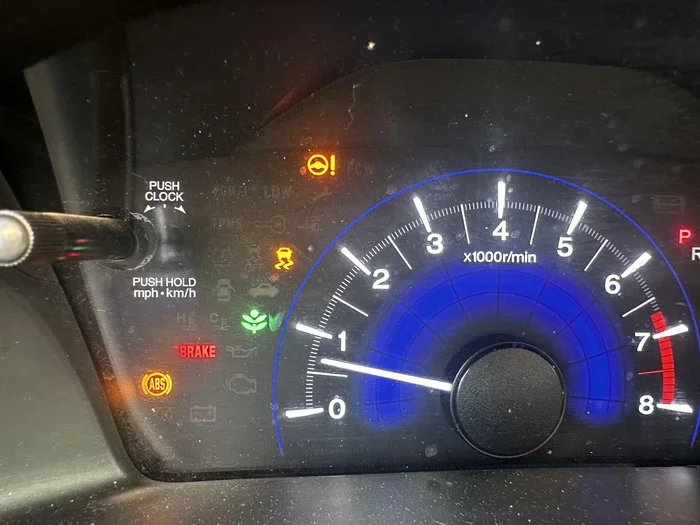
- Address warning lights immediately
If you have a hybrid Nissan, you may want to learn more about how to make your hybrid battery last longer. Hybrid battery health directly impacts the vehicle’s overall longevity and performance.
Keep Up With Recalls and Technical Bulletins
Nissan occasionally issues recalls and technical bulletins for specific model years. These fixes address known problems before they become serious. Check the NHTSA website regularly or ask your dealer to run your VIN. Staying current on these updates is a simple way to protect your investment.
When Should You Replace Your Nissan?
Knowing when to replace your Nissan saves you from sinking money into a losing battle. Here are the clear signs that your Nissan may be ready for replacement.
Signs Your Nissan Is Ready for Replacement
Watch for these warning signs that your Nissan’s best days may be behind it:
- Frequent and costly repairs: If your repair bills exceed the car’s value, it is time to move on.
- Declining fuel economy: A noticeable drop in miles per gallon often signals major engine or transmission wear.
- Persistent check engine lights: If you cannot resolve recurring check engine codes, the underlying issue may be expensive to fix.
- Structural rust or frame damage: Safety concerns always come first. Rust that compromises the frame is a dealbreaker.
- Transmission failure: A failed transmission repair can cost several thousand dollars, often exceeding the car’s remaining value.
Another factor to consider is the actual cash value of a car. If your Nissan is worth less than the cost of major repairs, replacing it makes financial sense. You can use online tools or consult your dealer to determine your car’s current market value.
Cost Considerations for Replacement
Replacing a car is a big decision. Consider both the direct costs and the indirect costs. Direct costs include the purchase price of a new or used vehicle, taxes, and registration. Indirect costs include insurance, fuel, and any loan payments.
As a general rule, if annual repair costs exceed 10 to 15 percent of the car’s value, you should start shopping for a replacement. This threshold helps you make a rational decision rather than an emotional one.
Nissan Resale Value and Long-Term Ownership
One factor that often gets overlooked is resale value. A Nissan that has lasted 15 or 20 years still holds some value, especially if it has been well maintained. Nissans generally depreciate at a moderate rate compared to some competitors, which is good news for owners planning to sell or trade in.
When you decide to part ways with your Nissan, understanding its actual cash value of a car helps you negotiate a fair price. Clean history, service records, and low mileage all boost resale value. Models like the Altima and Frontier tend to hold value better in the used market because of their reputation for reliability.
Ownership costs also play a role in the long-term equation. Nissans are generally affordable to maintain compared to luxury brands. Parts are widely available, and most independent mechanics can service them without issue. This accessibility contributes to the overall appeal of owning a Nissan long-term.
Final Thoughts
So, how long do Nissans last before needing replacement? The answer is clear: with proper care, most Nissans deliver 200,000 to 300,000 miles of reliable service. That is 13 to 20 years of driving for the average owner. The key is staying proactive with maintenance, driving responsibly, and knowing when to let go.
Every Nissan model has its strengths and weaknesses, but the brand as a whole offers solid durability. Whether you choose a rugged Frontier truck or a comfortable Altima sedan, you are making a worthwhile investment. Follow the tips in this guide, keep up with your service schedule, and your Nissan will reward you with years of dependable transportation.
Take pride in your ownership. A well-maintained Nissan is a testament to smart car care. And when the time does come to replace it, you will have made every mile count.
Frequently Asked Questions
How many miles can a Nissan last before needing replacement?
Most Nissans can last between 200,000 and 300,000 miles with proper maintenance. Some models and well-cared-for examples even exceed 300,000 miles. Your driving habits and maintenance schedule play the biggest role in reaching these numbers.
Which Nissan model lasts the longest?
The Nissan Altima and Nissan Frontier are widely regarded as the longest-lasting Nissan models. Both have strong engines and proven reliability records. The Nissan Maxima and Sentra also deliver impressive longevity when maintained properly.
Is it worth keeping a Nissan past 200,000 miles?
Yes, if the vehicle has been well maintained and major systems are in good shape. Keep in mind that as a car ages, smaller repairs may become more frequent. Compare the cost of repairs against the vehicle’s remaining value to make a smart decision.
What shortens a Nissan’s lifespan?
Skipping oil changes, ignoring warning lights, aggressive driving, and exposing the vehicle to harsh conditions all shorten a Nissan’s lifespan. Overloading the vehicle beyond its rated capacity also causes premature wear on the engine and suspension.
How does cold weather affect how long Nissans last?
Cold weather can accelerate wear on batteries, fluids, and rubber components. A Nissan that sits in freezing temperatures for extended periods without proper care may experience starting issues and increased engine wear. Regular winter maintenance helps mitigate these effects.
When should I consider replacing my Nissan instead of repairing it?
If repair costs exceed 10 to 15 percent of the vehicle’s current value, replacement is usually the better choice. Frequent breakdowns, major transmission failure, and structural rust are also strong indicators that it is time to move on to a new vehicle.