Honda Accord Wont Start but Has Power Troubleshooting
When your Honda Accord won’t start but has power, it can be frustrating and confusing. You turn the key or press the button, and the dashboard lights up, but the engine refuses to turn over. This common issue can stem from a weak battery, a faulty starter motor, a dead key fob battery, or even a malfunctioning ignition switch. In this guide, we walk you through every possible cause and fix so you can get back on the road quickly and confidently.
Key Takeaways
- Dashboard lights on but no crank: This usually points to a starter motor, ignition switch, or key fob battery issue.
- Jump-starting may help: If the battery is low, a jump start can temporarily restore power to the starter system.
- Check the key fob battery first: A dead key fob battery is one of the most overlooked causes of a no-start condition.
- Neutral safety switch problems: If your Accord is in the wrong gear, it may have power but refuse to start.
- Fuel pump failure is serious: A failed fuel pump means the engine gets no fuel, even though everything else works.
- Anti-theft systems can lock you out: The immobilizer may prevent starting even when all other systems look normal.
- Know when to call a pro: Some fixes require a trained mechanic, especially electrical diagnostics.
📑 Table of Contents
- Why Your Honda Accord Has Power But Won’t Start
- Common Causes: Honda Accord Dashboard Lights On But Engine Won’t Turn Over
- How to Diagnose the Problem Yourself
- Step-by-Step Fixes for Honda Accord No-Start Issues
- When to Call a Professional Mechanic
- Preventing Future Honda Accord Starting Problems
- Expert Insights on Honda Accord Electrical Systems
- Key Takeaways
Why Your Honda Accord Has Power But Won’t Start
You walk up to your Honda Accord on a Monday morning. You turn the key or push the start button. The radio comes on. The dashboard lights glow bright. But the engine? Nothing. No cranking. No rumble. Just silence.
This is one of the most common complaints Honda owners face. And the good news is that you can often fix it yourself. When your Honda Accord won’t start but has power, the problem usually lies somewhere between the battery and the engine. Something is blocking the chain reaction that turns the key into a fired-up engine.
Let’s break this down step by step. We’ll cover every likely cause, how to test for it, and what you can do to fix it. Whether you’re a DIY mechanic or a curious car owner, this guide has you covered.
The first thing to understand is what “has power” really means. When we say your Accord has power, we mean the electrical systems are working. The lights come on. The radio plays. The dashboard displays are active. But the engine itself isn’t turning over. That distinction is important because it tells us exactly where to look.
Common Causes: Honda Accord Dashboard Lights On But Engine Won’t Turn Over
When you face the situation where your Honda Accord dashboard lights on but won’t start, several culprits could be at play. Let’s explore each one in detail.
1. Weak or Dying Battery
Even though your lights and radio work, your battery might not have enough juice to crank the engine. The starter motor needs a huge burst of power. A battery that’s 60% charged might run your headlights just fine but fail completely when asked to start the car.
Here’s a quick test. Turn the key to the “ON” position without starting the engine. Look at the battery light on the dashboard. If it’s dim or flickering, your battery may be on its last legs. Another sign is slow crank speed. If the engine turns over sluggishly before dying, the battery is likely the problem.
Cold weather makes this worse. Batteries lose strength in low temperatures. If you live in a colder climate, this could be a seasonal issue.
2. Dead Key Fob Battery
If your Honda Accord uses a push-button start, a dead key fob battery can cause exactly this symptom. The car has power because the electrical system works independently. But the immobilizer system can’t recognize the key fob, so it won’t allow the engine to start.
This is one of the most common and overlooked causes. Replacing the key fob battery is cheap and easy. Most Honda models use a standard CR2032 coin battery. You can swap it out in under two minutes.
Try this trick if your key fob dies. Hold the fob directly against the start button. Some Honda models have a backup antenna in the button area that can read the fob even when the battery is completely dead.
3. Faulty Starter Motor
The starter motor is the device that actually cranks the engine. When you turn the key, the starter engages with the flywheel and spins the engine. If the starter fails, you get power everywhere else but no crank.
Signs of a bad starter include:
- A single click when you turn the key
- No sound at all when pressing the start button
- Intermittent starting (works sometimes, not others)
- Grinding noises when trying to start
Starter motors wear out over time. They typically last between 100,000 and 150,000 miles. If your Accord has high mileage, the starter might simply be due for replacement.
4. Ignition Switch Problems
The ignition switch is the bridge between your key (or start button) and the starter motor. When it fails, the signal to crank the engine never gets sent. Your dashboard lights up because that circuit is separate from the ignition circuit.
Older Honda Accords are especially prone to ignition switch wear. If you’ve had your car for many years, the internal contacts inside the switch can become corroded or worn. This creates an intermittent connection that works for the accessories but fails when you need to start the engine.
A telltale sign is jiggling the key in the ignition. If the car starts when you wiggle the key, the ignition switch is likely the culprit.
5. Neutral Safety Switch Malfunction
Your Honda Accord has a safety feature that prevents starting unless the transmission is in Park (or Neutral for manual models). The neutral safety switch enforces this rule. When it fails, the car won’t start even though everything else works perfectly.
This is a surprisingly common issue. The switch can wear out or get misaligned. Sometimes simply shifting the gear selector slightly or wiggling it between Park and Neutral can reset the connection.
Try this: shift to Neutral and try starting. If it works, the neutral safety switch needs adjustment or replacement.
6. Fuel Pump Failure
The fuel pump delivers gasoline from the tank to the engine. When it fails, the engine has spark and compression but no fuel. The result? Power everywhere, but the engine simply won’t fire.
Signs of a failing fuel pump include:
- Whining noise from the rear of the car (near the fuel tank)
- Engine stalling under heavy load
- Difficulty starting after the car sits for a while
- Loss of power when accelerating
Fuel pumps typically last 100,000 miles or more. But they can fail prematurely, especially if you regularly drive with less than a quarter tank of fuel. The fuel pump uses gasoline to cool itself, so running on low fuel can cause overheating and early failure.
How to Diagnose the Problem Yourself
Before you rush to the mechanic, there are several diagnostic steps you can take at home. These will help you narrow down the cause of your Honda Accord won’t start but has power issue.
Step 1: Check the Dashboard Warning Lights
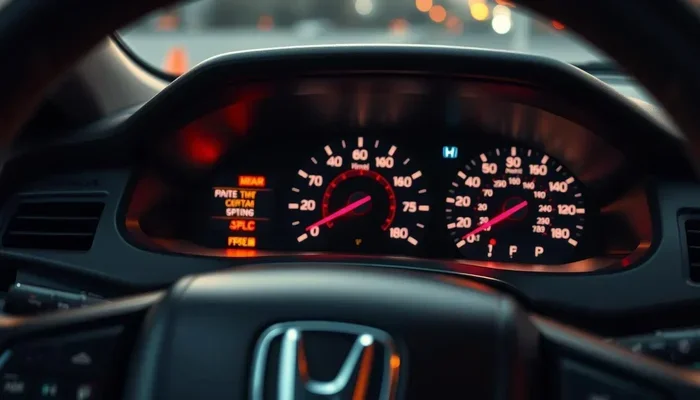
When you turn the key to the “ON” position, look at all the warning lights. Do you see the check engine light? The battery light? The red key or security light? These clues tell you a lot about what’s going on.
If the red key or security light stays on, your immobilizer system is active. This means the car doesn’t recognize the key fob. The problem is likely the key fob battery or the immobilizer itself.
Step 2: Listen for the Fuel Pump Prime
When you turn the key to “ON” (but don’t start the engine), you should hear a brief hum from the rear of the car. That’s the fuel pump pressurizing the system. If you hear nothing, the fuel pump might be dead.
Wait a few seconds after turning the key to ON. Some fuel pumps take a moment to activate. If you still hear nothing, try turning the key to ON and off three times before attempting to start. This can sometimes re-prime the system.
Step 3: Test the Battery Voltage
Grab a multimeter if you have one. Set it to DC voltage. Touch the probes to the battery terminals. A healthy battery should read 12.6 volts or higher with the engine off.
If the reading is below 12.0 volts, your battery is weak. Below 11.5 volts and you likely won’t be able to start the car, even though the accessories still work. This is a clear sign your battery needs charging or replacement.
Step 4: Try the Key Fob Override
For push-button start models, hold the key fob directly against the start button and press it. This bypasses the fob’s internal battery and uses the car’s antenna to read the fob’s chip. If the car starts this way, you’ve confirmed the key fob battery is dead.
Step-by-Step Fixes for Honda Accord No-Start Issues
Once you’ve identified the likely cause, here’s how to address each problem.
Fix a Weak Battery
If your battery is low, try jump-starting it first. You can use another car and jumper cables, or a portable jump starter pack. If you’re unsure about the process, you can also learn about how to jump start a Toyota hybrid car as a general reference for the jump-starting process, since the basic principles are similar across vehicles.
After jump-starting, let the engine run for at least 15 minutes to recharge the battery. Then try turning the car off and restarting it. If it starts normally, your battery was simply drained.
If the battery dies again quickly, it’s time for a replacement. Honda Accord batteries typically last 3 to 5 years. Consider replacing it proactively if your battery is older than that.
Replace the Key Fob Battery
Open the key fob. Use a small flathead screwdriver to pry it open. Remove the old CR2032 battery and insert a new one. Make sure the positive side faces up. Snap the fob back together and try starting the car.
This fix costs about $3 to $5 and takes less than five minutes. It’s the easiest and cheapest solution to try first.
Fix the Starter Motor
Replacing a starter motor is more involved. You’ll need to get under the car. In most Honda Accords, the starter is located on the passenger side of the engine, near the transmission bell housing.
Steps to replace the starter:
- Disconnect the negative battery terminal
- Locate the starter motor
- Remove the mounting bolts (usually two or three)
- Disconnect the electrical connector
- Remove the old starter
- Install the new starter in reverse order
- Reconnect the battery and test
If you’re not comfortable working under the car, this is a job for a professional mechanic. The average cost for a Honda Accord starter replacement ranges from $300 to $500, including parts and labor.
Address Ignition Switch Issues
For ignition switch problems, you’ll typically need to replace the entire switch assembly. This is located behind the ignition lock cylinder on the steering column.
In some cases, a locksmith can rekey or repair the switch without full replacement. But for most DIYers, replacing the switch is the most reliable fix. The part itself usually costs between $50 and $150, depending on the model year.
Reset or Replace the Neutral Safety Switch
Try shifting between Park and Neutral and attempting to start. If that works, the switch just needs adjustment. If it doesn’t, you’ll need to replace the switch.
The neutral safety switch is usually located on the transmission linkage. It’s a relatively simple replacement that takes about 30 minutes for most Honda models.
Deal with Fuel Pump Failure
A failed fuel pump requires replacement. This is one of the more expensive fixes because the pump is located inside the fuel tank. The replacement cost typically ranges from $400 to $800 for a Honda Accord.
Before replacing the pump, have the mechanic check the fuel pump relay and fuse. Sometimes the problem is a simple electrical issue, not the pump itself.
When to Call a Professional Mechanic
Not every problem is a DIY fix. Here are situations where you should call in the experts.
- Electrical gremlins: If you’ve checked the battery, fuses, and relays but still can’t find the issue, the problem may be in the wiring harness. Electrical diagnostics require specialized tools.
- Immobilizer system faults: If the security light stays on and the car won’t recognize the key, you need a dealer or specialist with the proper diagnostic equipment.
- Engine internal failures: If the engine cranks normally but won’t fire, the issue could be internal. This includes problems with the crankshaft position sensor, camshaft sensor, or compression loss.
- Multiple simultaneous failures: If you’re experiencing several electrical issues at once, it could indicate a grounding problem or a failing alternator.
Sometimes it’s worth getting a second opinion. If one mechanic says you need a new engine computer, get a second diagnosis. Electrical repairs can be expensive, and you don’t want to pay for unnecessary parts.
Preventing Future Honda Accord Starting Problems
The best way to deal with a no-start situation is to prevent one. Here are some simple habits that keep your Honda Accord running strong.
- Replace the battery every 3 to 4 years: Don’t wait for it to die. Proactive replacement saves you from unexpected breakdowns.
- Keep the fuel tank at least a quarter full: This protects the fuel pump from overheating and premature failure.
- Replace the key fob battery annually: Even if it seems fine, a weak fob battery can cause intermittent starting problems.
- Listen for unusual sounds: A clicking noise, grinding sound, or whining from the rear of the car are all warning signs. Address them early.
- Keep a portable jump starter in your trunk: This small investment can save you from being stranded with a dead battery.
- Follow the Honda maintenance schedule: Regular oil changes, spark plug replacements, and filter changes keep the entire engine healthy.
Honda Accords are known for their reliability and longevity. With proper care, they can easily surpass 200,000 miles. Keeping up with maintenance is the single best way to avoid starting problems and other mechanical issues down the road.
Expert Insights on Honda Accord Electrical Systems
Experienced Honda mechanics often emphasize one key point: when your Accord has power but won’t start, follow the electrical path. Start at the battery, move through the starter circuit, check the fuel system, and then examine the ignition and immobilizer systems.
Most no-start issues fall into one of three categories: no crank, cranks but doesn’t start, or starts then dies. Your situation — power but no crank — narrows it down to the starter circuit, ignition switch, or neutral safety switch. Fuel and spark issues typically cause the engine to crank but not fire.
One thing many Honda owners don’t realize is that the 2013 and newer Honda Accords have a more complex electrical system with multiple control modules. These modules communicate through a network called CAN bus. A fault in one module can sometimes cascade into a no-start condition, even if that module seems unrelated to starting.
Also worth noting: Honda Accords with keyless entry and push-button start have additional components that can fail. The smart key antenna, the start button module, and the body control module all play roles in the starting process. If you’ve eliminated the simple causes, these more complex systems might be the answer.
Key Takeaways
- Battery health is the foundation: Even with power, a weak battery can’t crank the engine reliably.
- Key fob batteries are cheap and easy to replace: Always check this first on push-button start models.
- The starter motor is the most common mechanical cause: A single click or no sound at all points to the starter.
- Don’t ignore the neutral safety switch: A simple shift between gears can sometimes solve the problem instantly.
- Fuel pump failure requires professional attention: This is one fix that’s best left to trained mechanics.
- Preventive maintenance saves money: Regular battery replacement and fuel system care prevent most no-start issues.
- Know your limits: When in doubt, consult a professional. Some electrical problems require specialized diagnostic equipment.
Frequently Asked Questions
Why does my Honda Accord have power but won’t start?
The most common reasons are a weak battery, dead key fob battery, faulty starter motor, bad ignition switch, or a malfunctioning neutral safety switch. Each of these allows the electrical systems to work while preventing the engine from cranking. Start by checking the simplest causes like the key fob battery before moving to more complex repairs.
Can a dead key fob battery cause a Honda Accord not to start?
Yes, absolutely. On Honda Accords with push-button start, a dead key fob battery prevents the immobilizer system from recognizing the key. The car has full electrical power, but the engine won’t start. Holding the fob directly against the start button can bypass this issue temporarily.
How do I know if my starter motor is bad?
Listen for a single click when you turn the key. If the engine doesn’t crank at all, the starter is a prime suspect. You can also tap the starter lightly with a wrench while someone turns the key. If the engine starts, the starter is failing and needs replacement.
What should I do if my Honda Accord starts sometimes but not others?
Intermittent starting problems are often caused by a failing ignition switch or a loose electrical connection. These issues worsen over time and eventually lead to a complete no-start condition. Have a mechanic check the ignition switch and starter circuit as soon as possible.
Is it safe to drive a Honda Accord with a weak battery?
It’s not recommended. A weak battery can die completely at any time, leaving you stranded. It can also put extra strain on the alternator, which can lead to more expensive repairs. Replace a weak battery promptly to avoid bigger problems.
How much does it cost to fix a Honda Accord that won’t start?
The cost depends entirely on the cause. A key fob battery replacement costs about $5. A new battery runs $100 to $200. A starter motor replacement costs $300 to $500. Fuel pump replacement runs $400 to $800. Ignition switch repairs vary from $50 to $200. Getting a proper diagnosis first saves you money in the long run.
=== CONCLUSION ===
Dealing with a Honda Accord won’t start but has power situation is frustrating, but it’s almost always fixable. The key is to work through the possible causes systematically, starting with the simplest and cheapest fixes. Check the key fob battery first. Then test the main battery voltage. Listen for the fuel pump prime. Check the neutral safety switch. And finally, inspect the starter motor and ignition switch.
Most of the time, the culprit is something simple and inexpensive. A dead key fob battery or a weak main battery accounts for a huge percentage of no-start cases. By addressing these early, you save time, money, and the headache of being stranded.
Remember, your Honda Accord is a reliable machine. With proper maintenance and attention to warning signs, you can keep it starting reliably for years to come. And if you ever find yourself stuck, don’t hesitate to reach out to a trusted mechanic or try a jump start using the methods we’ve covered.
Stay proactive, stay informed, and keep your Honda Accord on the road where it belongs.