Does a Subaru Turbo Really Need Premium Gas to Run Well
Yes, most Subaru turbo engines are designed to run best on premium gas, but they can technically run on regular. Using premium fuel helps prevent engine knock, boosts performance, and protects your turbocharged engine over time. Let us break down exactly what your Subaru needs and why it matters.
If you own a Subaru with a turbo engine, you have probably wondered about this question at least once. Does a Subaru turbo really need premium gas to run well? The short answer is no, it is not strictly required. But the longer answer is much more interesting, and it could save you money or even protect your engine.
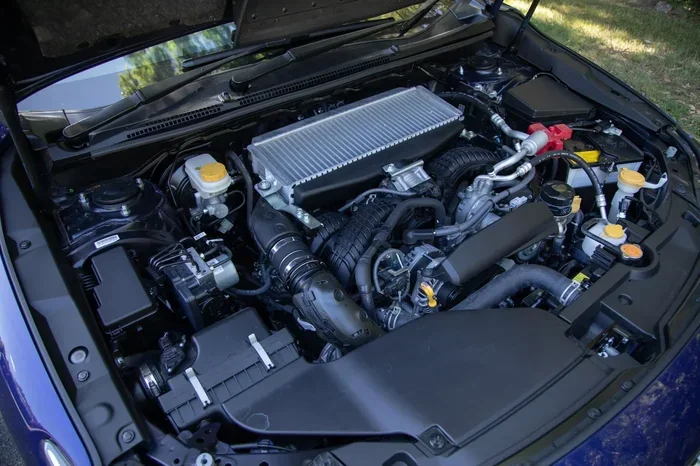
Subaru makes some fantastic turbocharged vehicles. Models like the Subaru WRX and Subaru STI come with forced induction engines that pack a serious punch. These engines operate differently than naturally aspirated motors. They use a turbocharger to force more air into the combustion chamber, which creates more power. But with that extra power comes extra heat and pressure.
That is where fuel type comes into play. The gasoline you put into your tank plays a huge role in how your engine performs. Not all gasoline is created equal. The main difference comes down to octane rating, which measures a fuel’s resistance to knocking or detonation. Premium gas typically has an octane rating of 91 or higher, while regular gas sits around 87.
So why does this matter for a turbo engine? Let us dive into the details and give you everything you need to know about fueling your Subaru the right way.
Key Takeaways
- Subaru turbos benefit from premium gas: The higher octane rating helps prevent knocking and supports optimal engine performance in turbocharged models.
- You can use regular gas in a pinch: Subaru does not mandate premium fuel, but your engine may knock or lose power on lower octane gasoline.
- Premium gas is not a scam: The higher octane level genuinely serves turbocharged engines by allowing higher compression ratios without detonation.
- Fuel economy may vary: Premium gas often costs more per gallon, so the overall cost impact depends on your driving habits and fuel economy.
- Check your owner manual: Always refer to your specific Subaru model’s manual for the manufacturer’s official fuel recommendation.
- Using the wrong fuel long term can cause damage: Consistent use of low octane gas in a turbo engine may lead to reduced lifespan and performance issues over time.
📑 Table of Contents
What Makes Turbo Engines Different
A turbocharged engine is fundamentally different from a standard engine. A turbo uses exhaust gases to spin a turbine. That turbine then forces more air into the engine’s cylinders. More air means more fuel can be burned. And more fuel burned means more power.
But here is the catch. When you pack more air and fuel into a small space, the mixture becomes more volatile. Under normal conditions, the air fuel mixture should only ignite when the spark plug fires. When it ignites too early or too violently, that is called engine knock. Engine knock can cause serious damage over time. It can wear down pistons, bend connecting rods, and even crack engine blocks.
Premium gas has a higher octane rating, which means it is more resistant to premature ignition. This is why turbocharged engines often benefit from premium fuel. The higher octane allows the engine to run at higher compression ratios without detonating. Think of it like this: premium gas can handle the extra pressure that a turbo creates. Regular gas might not handle it as well.
How Compression Ratio Affects Fuel Choice
Compression ratio is the measure of how much the air fuel mixture gets squeezed before ignition. Turbo engines typically have higher compression ratios than naturally aspirated engines. A higher compression ratio means more power, but it also means the fuel needs to be more stable. That is exactly what premium gas provides.
When you use regular gas in a high compression turbo engine, the fuel can ignite too early. This causes that knocking sound you might hear. Some modern Subarus have knock sensors that adjust timing to prevent damage. But even with a knock sensor, you may lose performance. The engine computer pulls timing to avoid detonation, which means less power and potentially worse fuel economy.
What Subaru Recommends
Here is an important point that surprises many people. Subaru does not require premium gas for any of its vehicles. Even the turbo models list premium as a recommendation, not a requirement. This means you will not void your warranty by using regular gas.
But just because you can does not mean you should. Subaru engineers design their turbo engines to run best on premium fuel. When you use the recommended fuel, you get the full performance the engine was designed to deliver. You also get the best balance of power, efficiency, and engine longevity.
If you look at your owner manual, it will likely say something like “premium fuel is recommended for best performance.” That language is key. It means the engine will run on regular gas, but it will not run as well. You might notice a few things if you switch to regular:
- Reduced acceleration: The engine may feel slower or less responsive.
- Engine knock: You might hear a pinging or knocking sound under heavy load.
- Lower fuel economy: The engine may use more gas to produce the same power.
- Decreased turbo performance: The turbocharger may not spool as effectively.
Some drivers never notice any of these issues. It depends on your driving style, the specific model, and the conditions you drive in. But if you want your turbo Subaru to feel the way it was meant to, premium gas is the way to go.
Does Every Subaru Turbo Model Need Premium Gas?
Not all Subaru turbo models are the same. The Subaru WRX and Subaru STI are the most well known turbo models, and they strongly benefit from premium fuel. But Subaru has introduced turbo engines in other models too, like the Subaru Ascent and certain trims of the Subaru Legacy and Subaru Outback.
Each model has slightly different fuel requirements based on its engine design. The Ascent, for example, uses a smaller turbo than the WRX. It may be less sensitive to fuel type. But the general rule holds: premium fuel helps any turbo engine run better. If you want to compare how different Subaru models handle fuel, you might find it interesting to check out whether a Subaru Outback can tow a boat, since that model also comes with turbo options and its own fuel considerations.
Premium Gas vs Regular Gas: What Is the Real Difference
Let us clear up a common myth. Premium gas is not “cleaner” gas. All gasoline sold at retail stations in the United States must meet federal detergent standards. Whether you buy regular or premium, the cleaning additives are similar. The only real difference is the octane rating.
Octane rating measures a fuel’s resistance to knock. Regular gas is typically 87 octane. Midgrade is usually 89. Premium is 91 or higher. For a turbo engine, the higher octane allows the fuel to withstand more compression before igniting. This is not just a marketing trick. It is a real chemical property that affects how your engine runs.
Think of it like this analogy. Regular gas is like a calm pool of water. It stays still under normal conditions. Premium gas is like a thicker, more stable liquid that can handle being stirred up more violently. In a turbo engine, the combustion chamber gets “stirred up” by the extra heat and pressure. Premium gas stays stable. Regular gas might “boil over.”
Does Premium Gas Give You More Power?
In a turbo engine, yes, premium gas can unlock more power. Here is how it works. When the engine control unit knows you are using high octane fuel, it can advance the ignition timing. This means the spark plug fires at the exact optimal moment. The result is more power and better efficiency.
On regular gas, the engine computer is more conservative. It delays the timing slightly to prevent knock. This means you are not getting the full performance potential of the engine. If you have ever wondered why a 2000 Celica GT makes the horsepower it does, the answer partly comes down to how the engine management system optimizes fuel and timing based on the fuel type used.
So premium gas does not add power by itself. The engine is already capable of making that power. Premium gas simply allows the engine to access it safely.
What Happens If You Use Regular Gas in a Subaru Turbo
Let us say you are on a road trip and the nearest premium gas station is closed. You fill up with regular gas. What happens? In most cases, not much in the short term. Modern Subarus are smart enough to adapt. The engine computer detects any knock and adjusts the timing accordingly.
But there are situations where regular gas can cause problems:
- Hot weather driving: High temperatures already stress the engine. Adding lower octane fuel makes it worse.
- Heavy load or towing: When the engine works hard, it generates more heat and pressure. This is when knock is most likely.
- Aggressive driving: If you like to push the turbo hard, regular gas may not keep up with the engine’s demands.
- High altitude driving: At high altitudes, the air is thinner. Some drivers think this means they can use lower octane, but turbo engines still benefit from premium regardless.
One tank of regular gas will not destroy your engine. But consistently using regular gas in a turbo Subaru is not a great idea. Over time, the repeated adjustment of timing can lead to increased wear. The engine may also run less efficiently, which means you will fill up more often.
Long Term Effects of Wrong Fuel
If you regularly use regular gas in a turbo engine, you may notice a gradual decline in performance. The engine may feel sluggish. You might get fewer miles per gallon. In extreme cases, persistent knock can cause carbon buildup on pistons and valves. This is a real maintenance issue that can be expensive to fix.
Some drivers report that their turbo Subaru runs fine on regular gas for years. This is true for some models and some driving conditions. But it is a gamble. You are essentially running the engine below its designed parameters every time you fill up.
If you want to learn more about how different fuel choices affect your vehicle, you might also be interested in how much mileage a Fortuner gives, since fuel economy is a common concern across different engine types.
Is Premium Gas Worth the Extra Cost
This is the question everyone wants answered. Premium gas costs more than regular. The price difference varies by region, but it is typically 30 to 50 cents more per gallon. Over time, that adds up. So is it worth it for a Subaru turbo?
The answer depends on a few factors:
- Your driving style: If you drive gently and avoid heavy loads, the difference may be minimal.
- Your specific model: A heavily turbo charged engine like the WRX STI benefits more than a mild turbo setup.
- Your local gas prices: In some areas, the premium price gap is larger than others.
- How much you drive: High mileage drivers will feel the cost difference more.
For most Subaru turbo owners, the answer is yes. Premium gas helps protect the engine, maintain performance, and deliver the driving experience Subaru designed. Think of it as an investment in your car’s health. Just like you would not put cheap oil in a high performance engine, you should not put low octane fuel in a turbo engine.
That said, if you are on a tight budget and your Subaru turbo is running fine on regular, you are not in immediate danger. Just be aware of any knocking or performance loss. If you notice those signs, switch back to premium.
Quick Tips for Saving Money on Premium Gas
Premium gas does not have to break the bank. Here are some practical tips:
- Use loyalty programs: Many gas stations offer discounts on premium fuel through rewards programs.
- Fill up at warehouse clubs: Stores like Costco often sell premium gas at lower prices.
- Drive efficiently: Good driving habits improve fuel economy, so you use less gas overall.
- Plan your fill ups: Use apps to find the cheapest premium gas near you.
- Consider fuel economy: If you are planning a long trip, knowing how long you can drive on a full tank helps you plan stops and budget for fuel costs.
Common Myths About Premium Gas and Turbo Engines
There are a lot of misconceptions floating around about premium gas and turbo engines. Let us clear up a few of the most common ones.
Myth 1: Premium gas makes your engine cleaner. False. All gasoline sold in the US meets minimum detergent standards. Premium is not cleaner than regular. The only real difference is octane rating.
Myth 2: You must use premium gas or your warranty is void. False. Subaru recommends premium but does not require it. Using regular gas will not void your warranty.
Myth 3: Premium gas gives you more horsepower. Not exactly. Premium gas allows the engine to access its full horsepower potential. It does not create extra power on its own.
Myth 4: All turbo engines need premium gas. False. Some turbo engines are designed to run on regular gas. It depends on the compression ratio and engine tuning. Subaru turbo engines generally benefit from premium, but other brands may differ.
Myth 5: Premium gas lasts longer in the tank. False. Gas is gas. Premium does not have a longer shelf life than regular. If you are storing a car for a long time, fuel type does not matter much. You might want to learn more about how long a car can sit in cold weather, since that involves different storage considerations.
Final Thoughts
So, does a Subaru turbo need premium gas to run well? The honest answer is that premium gas is the best choice for your turbo Subaru. It is not an absolute requirement, but it is what the engine is designed to run on. Using premium fuel helps prevent engine knock, supports optimal performance, and protects your turbocharged engine for the long haul.
If you occasionally use regular gas in an emergency, that is fine. Your car will adapt. But do not make a habit of it if you want to get the most out of your Subaru turbo. The extra cost per tank is a small price to pay for better performance, better efficiency, and better engine health.
At the end of the day, your Subaru turbo is a high performance machine. It deserves the right fuel. Treat it well, and it will treat you well in return. Fill up with premium, drive with confidence, and enjoy everything your turbo Subaru has to offer.
Frequently Asked Questions
Can I use regular gas in my Subaru turbo?
Yes, you can. Subaru does not require premium gas for any of its vehicles. However, using regular gas in a turbo engine may cause engine knock, reduced performance, and lower fuel economy. It is fine for occasional use, but premium fuel is recommended for best results.
What happens if I put regular gas in a Subaru WRX?
Your Subaru WRX will still run on regular gas. The engine computer will adjust timing to prevent damage. You may notice less power, engine knock under heavy load, and slightly worse fuel economy. Using premium gas regularly is the best way to get the full performance out of your WRX.
Does premium gas really make a difference in turbo engines?
Yes, it does. Premium gas has a higher octane rating, which means it resists premature ignition better. In a turbo engine, this allows the computer to optimize ignition timing for maximum power and efficiency. You may not notice the difference every time you drive, but over time, premium fuel helps protect the engine and maintain performance.
Is premium gas worth the extra cost for a Subaru turbo?
For most Subaru turbo owners, yes. The extra cost per fill-up is relatively small compared to the benefits of better performance, engine protection, and fuel efficiency. If you drive your turbo hard or live in a hot climate, premium gas is especially worth it.
Can using regular gas damage my Subaru turbo engine?
Occasional use of regular gas will not cause immediate damage. But consistently using lower octane fuel can lead to engine knock, carbon buildup, and increased wear over time. The engine compensates by pulling timing, which reduces performance and efficiency. Stick with premium for long term engine health.
Which Subaru models have turbo engines that benefit from premium gas?
The Subaru WRX, Subaru STI, Subaru Ascent, and certain trims of the Subaru Legacy and Subaru Outback come with turbocharged engines. All of these models benefit from premium fuel, though the degree of benefit varies by engine size and tuning. Check your owner manual for the specific recommendation for your model.
=== CONCLUSION ===
Does a Subaru turbo need premium gas to run well? The answer is clear. Premium gas is the recommended fuel for all Subaru turbo engines. It is not a requirement, but it is the best choice for performance, efficiency, and engine longevity. The higher octane rating prevents knock, allows optimal timing, and lets your turbo engine breathe the way it was designed to. If you want your Subaru turbo to deliver its best every time you hit the road, stick with premium fuel. Your engine will thank you for it.