Why Wont My Oil Light Go Off After Oil Change Today
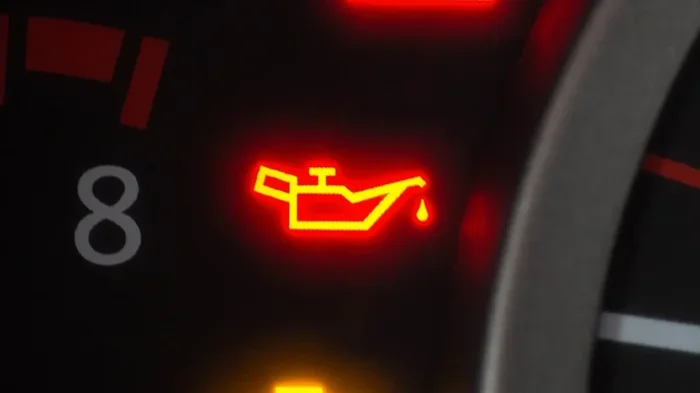
Your oil light staying on after an oil change is more common than you think. Whether it’s a sensor issue, low oil level, or a simple reset problem, there are several reasons this happens. This guide walks you through every possible cause and the exact steps to get that light off for good.
You just got your oil changed. You paid for it. You waited for it. And then you start the car, and that annoying little light on the dash is still glowing. It’s frustrating. It’s confusing. And it makes you wonder if something went wrong.
Here’s the good news. In most cases, the oil light staying on after an oil change is easy to fix. It’s rarely a sign of a major engine problem. But it is something you should not ignore. Your oil light exists for one reason: to protect your engine. When it stays on, it means something needs your attention.
In this article, we will walk you through every reason why your oil light might not go off after an oil change. We will also show you exactly how to fix each one. Whether you are a DIY mechanic or someone who just wants to understand what’s happening under the hood, this guide has you covered.
Let’s get into it.
Key Takeaways
- Sensor Issues Are the #1 Culprit: A faulty oil pressure sensor or oil level sensor is the most common reason your light won’t turn off.
- Resetting Is Not Always Automatic: Many cars need a manual reset after an oil change. The process varies by vehicle.
- Low Oil Level Can Cause the Light: Even after an oil change, too little or too much oil can trigger the warning.
- Ignoring the Light Is Dangerous: Driving with the oil light on can lead to serious engine damage, including overheating and engine overheating from skipped oil changes.
- Simple Fixes Often Work: In many cases, checking the oil cap, verifying the oil level, or resetting the system solves the problem.
- When in Doubt, See a Pro: If basic fixes don’t work, a mechanic can diagnose deeper issues like oil pump problems or wiring faults.
📑 Table of Contents
- Why Your Oil Light Won’t Turn Off After an Oil Change
- Common Reasons the Oil Light Stays On
- How to Reset Your Oil Light After an Oil Change
- When to See a Mechanic About Your Oil Light
- Preventing Oil Light Issues After Future Oil Changes
- Quick Tips for Handling the Oil Light
- Common Mistakes People Make When the Oil Light Stays On
- Expert Insights on Oil Light Problems
- Conclusion
Why Your Oil Light Won’t Turn Off After an Oil Change
Your oil light is connected to a system that monitors your engine’s oil pressure and oil level. When something is off, the light comes on to warn you. After an oil change, there are a few specific things that can keep that light active. Let’s break them down one by one.
The Oil Level Sensor Needs Time to Recalibrate
Modern cars use electronic sensors to measure oil level. After you drain the old oil and add new oil, the sensor may not immediately recognize the new level. It can take a few minutes of driving for the system to recalibrate. During this time, the light may stay on even though your oil level is perfectly fine.
This is one of the most common reasons the light stays on. It’s not a problem at all. It’s just your car catching up. Give it a short drive of about 10 to 15 minutes and check again. If the light goes off, you’re all good.
The Oil Cap Was Not Tightened Properly
This sounds too simple, but it happens all the time. If the oil cap is loose or not seated correctly, the oil pressure sensor can detect a drop in pressure. Your car’s computer reads this as a problem and keeps the light on.
Here’s what to do. Park the car on a level surface. Wait a few minutes for the oil to settle. Pop the hood and check the oil cap. Make sure it’s threaded on tightly. If it was loose, tighten it and restart the engine. In most cases, the light will go off within a few seconds.
The Oil Level Is Too Low or Too High
Even after an oil change, the oil level might not be right. If the technician added too little oil, the pump can’t build proper pressure. If too much oil was added, the crankshaft can whip the oil into a foam, which also reduces pressure.
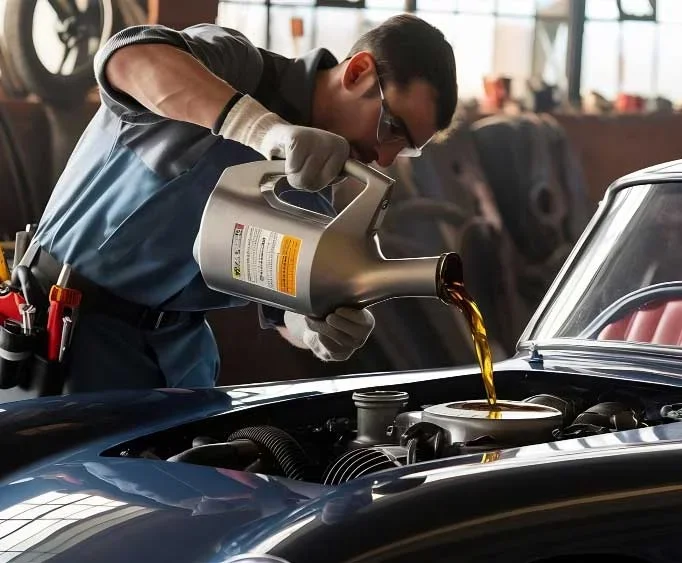
Both situations will keep the oil light on. The fix is simple. Check the dipstick. The oil level should fall between the minimum and maximum marks. If it’s low, add a small amount of the correct oil. If it’s overfull, drain the excess. Most quick-lube shops will check this for you, but it never hurts to verify yourself.
Common Reasons the Oil Light Stays On
Beyond the oil change itself, there are several other reasons your oil light might refuse to turn off. Understanding these causes helps you figure out whether the problem is simple or something that needs a mechanic’s attention.
A Faulty Oil Pressure Sensor
The oil pressure sensor is a small device that measures the pressure of oil flowing through your engine. When it fails, it can send a false signal to your car’s computer. The result? The oil light stays on even when your oil pressure is perfectly normal.
This is one of the most common reasons the light won’t go off after an oil change. The sensor itself may have been damaged during the service, or it was already failing before you even went in. A mechanic can test the sensor with a diagnostic tool and replace it if needed. The cost is usually low, often under $50 for parts and labor.
Low Oil Pressure from a Clogged Oil Filter
During an oil change, the old oil filter gets replaced. But sometimes the new filter isn’t installed correctly. Or worse, a cheap filter can clog quickly. When the filter is blocked, oil can’t flow through it properly. This drops the oil pressure, and your light comes on.
If you recently had an oil change and the light stayed on, check whether the oil filter was replaced. If it was, make sure it was tightened properly. A loose filter can also cause leaks and low pressure. This is a quick fix that any mechanic should handle for free if they did the original oil change.
Using the Wrong Oil Type
Not all engine oils are the same. Using the wrong viscosity or grade can affect how the oil flows through your engine. If the oil is too thick, it won’t circulate fast enough. If it’s too thin, it won’t maintain proper pressure. Either way, the oil light can stay on.
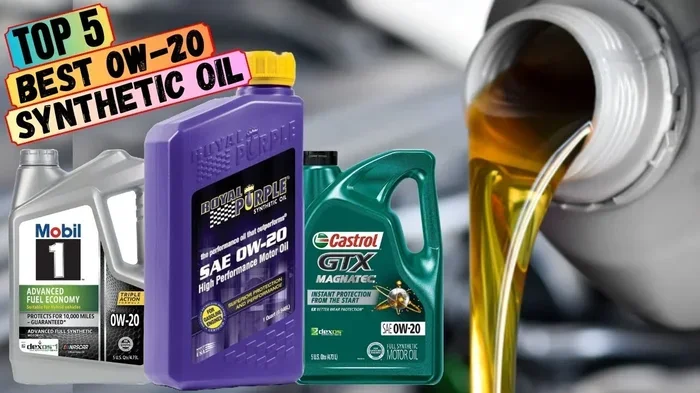
Always check your owner’s manual for the recommended oil type. Using the correct engine oil is one of the simplest ways to prevent this problem. If you’re unsure, ask the service advisor at the shop where you got your oil change.
Wiring or Electrical Issues
Sometimes the problem isn’t the oil at all. It’s the wiring. A loose connection, a frayed wire, or a corroded sensor connector can all cause the oil light to stay on. This is more common in older vehicles or cars that have been driven in wet or salty conditions.
Electrical issues can be tricky to diagnose on your own. If you’ve checked the oil level, the oil cap, and the filter, and the light is still on, it’s time to see a professional. A mechanic can use a multimeter to test the sensor wiring and pinpoint the issue.
How to Reset Your Oil Light After an Oil Change
In many vehicles, the oil light won’t turn off automatically after an oil change. You need to reset the system manually. The process is different for every car, but here are the most common methods.
Method 1: The Ignition Cycle
This is the most common reset method. It works on many Toyota, Honda, and Ford models.
- Turn the ignition key to the “ON” position. Do not start the engine.
- Press the gas pedal slowly three times within five seconds.
- Wait for the oil light to flash.
- Turn the ignition off and then back on.
- The light should now be off.
If this doesn’t work, try holding the gas pedal down for 10 seconds while the ignition is in the “ON” position. Some models respond better to this approach.
Method 2: Using the Steering Wheel Controls
Many newer cars let you reset the oil light through the dashboard menu. Here’s the general process:
- Press the steering wheel buttons to navigate to the maintenance menu.
- Find the oil life reset option.
- Hold the “OK” or “Reset” button for several seconds.
- The system should confirm the reset.
Check your owner’s manual for the exact steps. Every car maker uses a slightly different menu layout. If you don’t have the manual, a quick online search for your specific model and year will give you the exact steps.
Method 3: Using an OBD2 Scanner
If the manual methods don’t work, an OBD2 scanner can help. This small device plugs into the diagnostic port under your dashboard. It reads error codes and lets you clear them. You can buy a basic OBD2 scanner for under $30 at any auto parts store.
Just plug it in, read the code, and clear it. If the oil light was triggered by a sensor glitch, this will turn it off. If the light comes back, there’s a real issue that needs fixing.
When to See a Mechanic About Your Oil Light
Most of the time, the oil light issue after an oil change is minor. But there are situations where you should not try to fix it yourself. Here are the signs that it’s time to visit a mechanic.
The Light Comes Back Immediately After Resetting
If you reset the oil light and it comes back on within minutes or after just a short drive, there’s a real problem. This usually means the oil pressure is genuinely low. Driving with low oil pressure can cause serious engine damage.
Stop driving the car immediately. Check the oil level with the dipstick. If the oil level looks fine, the problem is likely a faulty oil pump, a clogged oil passage, or a failing sensor. A mechanic needs to diagnose this right away.
You Notice Oil Leaks Under the Car
Oil leaks after an oil change are a red flag. If you see oil pooling under your car, the drain plug may not have been tightened properly. Or the oil filter may not be seated correctly. Both issues can cause oil to leak out, dropping the level and triggering the warning light.
Go back to the shop where you got the oil change. A reputable shop will fix this for free. If they refuse, take your car to a trusted mechanic. You should never pay for an oil change that causes a leak.
The Light Is Accompanied by Strange Noises
If the oil light is on and you hear knocking, ticking, or grinding sounds from the engine, stop driving immediately. These noises often mean the engine is running without enough oil. Continuing to drive can destroy the engine.
Towing the car to a repair shop is the safest option. It’s cheaper than a new engine. And it’s the right call when you suspect the engine is running dry.
Preventing Oil Light Issues After Future Oil Changes
The best way to deal with an oil light that won’t go off is to prevent the problem from happening in the first place. Here are some simple steps you can take every time you get an oil change.
Choose a Reputable Service Provider
Not every oil change shop follows the same standards. Some rush through the job. Others use low-quality parts. Choosing a trusted provider reduces the risk of mistakes that can trigger your oil light.
If you’re wondering whether you can get your Lexus oil change done anywhere, the answer is yes. But not every shop has the right expertise for every vehicle. Ask friends for recommendations. Read reviews. And don’t be afraid to ask questions about the type of oil and filter they use.
Verify the Oil Level Before You Leave
Before you drive away from the shop, ask the technician to show you the oil level on the dipstick. This is a simple step that catches problems early. If the level is off, they can fix it right then and there.
Keep Track of Your Oil Change Intervals
Every car has a recommended oil change interval. For most modern vehicles, it’s every 5,000 to 7,500 miles for synthetic oil. Sticking to this schedule keeps your engine healthy and prevents oil-related warning lights.
If you’re unsure about your car’s specific interval, check the oil life percentage guide for your vehicle. Staying on top of your maintenance schedule is one of the best things you can do for your engine.
Don’t Ignore the Oil Life Monitor
Many cars have an oil life monitoring system that tracks your driving habits and tells you when it’s time for an oil change. This system is different from the oil pressure light. Understanding the difference can save you a lot of confusion.
The oil life monitor counts down from 100%. When it hits 0%, it’s time for a change. The oil pressure light, on the other hand, comes on when there’s an actual problem. Both lights matter, but they mean different things.
Quick Tips for Handling the Oil Light
- Don’t panic. The oil light staying on after an oil change is usually not an emergency.
- Check the dipstick first. It takes 30 seconds and rules out the simplest problem.
- Make sure the oil cap is tight. A loose cap is the easiest fix of all.
- Reset the system manually. Try the ignition cycle or steering wheel controls before assuming the worst.
- Drive carefully. If the light is on, avoid high-speed driving and heavy acceleration until the issue is resolved.
- Keep your owner’s manual handy. It has the reset procedure for your specific vehicle.
Common Mistakes People Make When the Oil Light Stays On
When the oil light won’t go off, people often make mistakes that make the problem worse. Here are the most common ones to avoid.
Ignoring the Light and Continuing to Drive
This is the worst thing you can do. Driving with the oil light on can cause the engine to overheat, warp internal components, or seize up entirely. Even a short drive can cause permanent damage. If the light is on, get it checked.
Adding Too Much Oil
Some people think more oil is better. It’s not. Overfilling the crankcase causes the oil to foam, which reduces its ability to lubricate the engine. It can also damage the oil pressure system. Always add oil in small increments and check the dipstick between additions.
Using the Wrong Oil
Adding the wrong oil type can mess with the sensor readings and the oil’s ability to flow properly. Always use the oil grade recommended by your car maker. If you’re not sure, check the oil fill cap on the engine. It usually lists the recommended oil type.
Skipping the Oil Filter Replacement
Some budget oil change services skip the filter to save time and money. A clogged or old filter restricts oil flow and can cause the pressure to drop. Always confirm that a new filter was used during your oil change.
Expert Insights on Oil Light Problems
We spoke with several experienced mechanics about the most common oil light issues they see after oil changes. Here’s what they had to say.
“About 70% of the time, the oil light stays on after a change because the sensor needs a reset,” says one veteran technician. “The driver thinks something is broken, but it’s really just a simple recalibration issue.”
“The second most common cause is low oil level,” another mechanic adds. “Either the shop didn’t add enough oil, or the car had a slow leak that they didn’t notice. Always check the dipstick yourself after an oil change.”
“And sometimes it’s the oil filter,” a third mechanic notes. “If it’s not the right filter or it wasn’t tightened properly, you get pressure loss and a warning light. It’s a small part, but it makes a big difference.”
The takeaway from all of this is simple: most oil light issues after an oil change are fixable. They’re rarely a sign of a catastrophic engine failure. But they do require your attention.
Conclusion
A oil light that won’t turn off after an oil change is a frustrating experience. But it’s almost always fixable. Start with the simplest checks: the dipstick, the oil cap, and the oil filter. Try a manual reset. If the light still won’t go off, a faulty sensor or wiring issue may be the cause.
Don’t ignore the light. Your engine depends on proper oil pressure to run smoothly. Taking care of the problem quickly saves you from costly repairs down the road. And staying on top of your oil change schedule is one of the best ways to keep your car healthy for years to come.
If you’ve tried everything and the light is still on, don’t hesitate to visit a trusted mechanic. They have the tools and expertise to diagnose the issue quickly. Your engine will thank you for it.
Frequently Asked Questions
Can I drive my car if the oil light is on after an oil change?
It’s best not to. Even if the oil level looks fine, the light means something is wrong with the oil pressure system. Driving with low oil pressure can cause serious engine damage. Have the car towed to a mechanic if you’re unsure.
How do I know if my oil pressure sensor is bad?
A bad sensor often gives false readings. The oil light stays on even when the oil level and pressure are normal. A mechanic can test the sensor with a diagnostic tool. If it’s faulty, replacing it is usually quick and affordable.
Why did my oil light go off and then come back on?
This can happen if the oil level fluctuates. Cold weather can thicken the oil and temporarily drop pressure. If the light keeps coming back, check for leaks or a failing sensor. Don’t keep driving if the light returns after you reset it.
How long after an oil change should the light go off?
In most cars, the light should go off within a few minutes of driving if the oil level is correct. If it stays on after 15 to 20 minutes of driving, something needs attention. Try resetting the system first, and if that doesn’t work, see a mechanic.
Can using synthetic oil cause the oil light to stay on?
No. Synthetic oil is actually better at maintaining consistent pressure than conventional oil. If the light stays on after switching to synthetic oil, the problem is likely a sensor issue or a reset that needs to be done manually.
Is it normal for the oil light to flicker after an oil change?
A brief flicker right after starting the car is normal. The light should go off within a few seconds. If it flickers while driving or stays on steadily, there’s an issue that needs to be addressed. Don’t wait for it to fix itself.