Why Is My Second Key Fob Not Working Anymore At All
Why Is My Second Key Fob Not Working Anymore At All is a common frustration for car owners. Your second key fob can stop working for several reasons, from a simple dead battery to programming issues. This guide walks you through every possible cause and fix in plain, easy-to-understand language. You will learn how to troubleshoot, when to replace parts, and how to prevent future problems. By the end, you will know exactly what to do to get your second key fob back in action.
You grab your car keys, press the button, and nothing happens. You try again. Still nothing. You look at your second key fob and wonder, why is my second key fob not working anymore at all? It is incredibly frustrating, especially when your first fob works just fine. You are not alone. This happens to thousands of car owners every single day, and the good news is that most causes are easy to fix.
Whether your second key fob suddenly stopped responding or it has been acting up for a while, this guide has you covered. We will look at every possible reason your key fob not working issue might be happening. You will learn how to troubleshoot step by step, when to swap out a battery, and when it is time to call a professional. By the end of this article, you will have a clear plan to get your remote access back.
A key fob is a small but powerful device. It sends a coded signal to your car to lock, unlock, and sometimes even start the engine. When that signal breaks, your whole routine falls apart. Let us dig into the reasons behind this and find a solution that works for you.
Key Takeaways
- Dead Battery Is the #1 Culprit: Most of the time, a simple battery swap solves the problem instantly.
- Programming or Sync Loss Happens Often: Your car’s computer can lose track of the fob after a power disconnect or battery change.
- Signal Interference Is Real: Other electronics, metal objects, or even your phone can block the key fob signal.
- Physical Damage Goes Unnoticed: Drops, spills, and wear and tear can break internal components silently.
- Know When to Replace vs Repair: Some fixes are cheap and easy, while others need a professional locksmith or dealer.
- Prevention Saves Money and Time: Regular care and having a spare fob charged can save you from big headaches.
📑 Table of Contents
Understanding How Your Second Key Fob Works
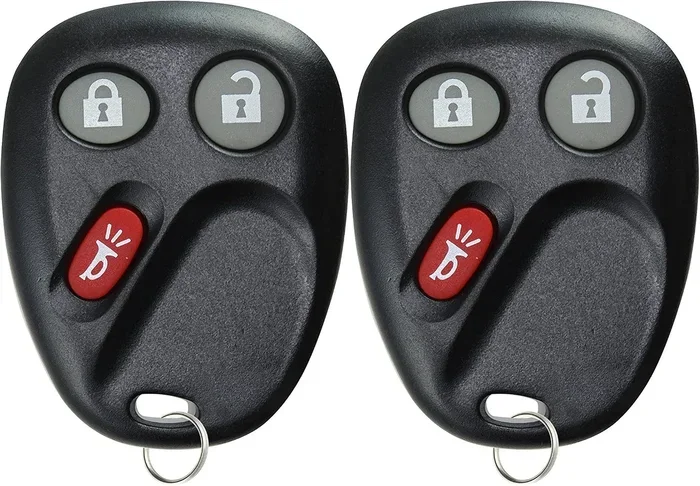
Before we fix the problem, it helps to understand how your remote key fob actually works. A key fob is a small electronic device that sends a radio signal to your car. When you press a button, the fob transmits a unique code. Your car receives that code and checks if it matches the one stored in its memory. If it matches, the car responds by unlocking the doors or starting the engine.
This whole process happens in a fraction of a second. But several things can go wrong along the way. The signal might be weak. The code might not match anymore. Or the fob itself might be physically damaged. Understanding this basic process makes it much easier to figure out what went wrong with your second key fob.
How Key Fobs Communicate With Your Car
Most modern cars use a transponder key system. This means the fob has a tiny chip inside that sends a unique identification code. Your car’s vehicle immobilizer system checks this code before allowing the engine to start. If the code does not match, the car will not start. This is a great security feature, but it also means that any problem with the fob’s signal can cause big trouble.
The key fob signal travels through the air using radio frequency. Most car fobs use a frequency around 315 MHz or 434 MHz, depending on your vehicle model. The range is usually about 30 to 60 feet. If anything blocks or weakens that signal, your car remote not working problem begins.
Why the First Fob Works but the Second Does Not
You might be wondering why your first fob still works perfectly but your second one does not. There are a few common reasons for this. The first fob might have a newer battery. Or maybe the first fob was programmed more recently and the car’s computer still recognizes it clearly. Your second key fob might have an older battery or a programming issue that developed over time.
Another reason is that the two fobs may have different histories. If you dropped the second fob or exposed it to moisture, that could explain the difference. Sometimes the car’s computer simply loses the connection with one fob but not the other. This is more common than you might think.
Common Reasons Your Second Key Fob Stopped Working
Now let us get into the specific reasons your key fob not working issue is happening. These are the most common causes that we see every day. Once you know what to look for, troubleshooting becomes much easier.
Dead or Weak Battery
The number one reason any key fob not working issue happens is a dead battery. Key fobs use small coin-cell batteries, usually CR2025 or CR2032. These batteries last about two to four years, but they can die much faster if you use the fob a lot. If your second key fob stopped working suddenly, the battery is the first thing to check.
A weak battery does not always die completely. It might still send a signal, but not strong enough to reach the car. This is why you might notice you have to stand right next to the car for the fob to work. That is a clear sign of a key fob battery that needs replacing. Do not wait until the fob stops working entirely. Replace the battery at the first sign of weakness.
Signal Interference
Did you know that other electronic devices can block your key fob signal? It sounds strange, but it is true. If you keep your fob near your phone, laptop, or even a USB charger, the electromagnetic interference can weaken or block the signal. This is one of the most overlooked causes of a car remote not working problem.
Metal objects can also interfere. If you keep your fob in a metal bowl or a pocket full of keys and coins, the metal can block the signal. Try moving your second key fob away from other electronics and metal objects. Then test it again from a normal distance. You might be surprised at how much difference this simple change makes.
Physical Damage to the Fob
Key fobs go through a lot of wear and tear. They get dropped, sat on, and tossed around in bags and pockets. Over time, this physical damage can break internal components. You might not even see any visible damage on the outside, but the circuit board inside could be cracked or loose.
If your second key fob has been through a lot, physical damage is a real possibility. Look closely at the buttons. Do any of them feel loose or sticky? Does the fob look cracked or warped? These are all signs that the fob itself needs to be replaced or repaired. Sometimes a simple fix like resoldering a loose connection can bring it back to life.
Water or Moisture Damage
Water damage is a silent killer of key fobs. Even a small amount of moisture can corrode the internal circuitry. If your second key fob ever fell in water, got caught in the rain, or was exposed to high humidity, moisture damage could be the cause.
The tricky part is that water damage does not always show up right away. Sometimes the fob works fine for a few days after exposure and then suddenly stops. If you suspect moisture damage, open the fob casing and inspect the circuit board carefully. Look for any green or white corrosion. If you see any, the fob may need professional cleaning or replacement.
Programming and Sync Issues
One of the most common reasons why is my second key fob not working comes down to programming. Your car’s computer needs to recognize each key fob. If that connection is lost, the fob becomes useless, even if the battery is brand new.
Key Fob Programming Basics
Every key fob programming process is different depending on your car make and model. Generally, programming involves putting your car into a learn mode and then pressing buttons on the fob to teach the car its unique code. This process is usually done through the ignition or the driver’s door panel.
When you buy a new fob or replace a battery, you sometimes need to reprogram it. This is because the car’s computer may have cleared the old code during the process. If your second key fob was working before and suddenly is not, a lost programming sync is a very likely cause. The good news is that reprogramming is usually straightforward and does not require a mechanic.
When the Car Computer Loses the Fob
Your car’s computer stores the codes for all recognized key fobs. Sometimes, after a battery change in the car, a jump start, or an electrical system reset, the computer loses all stored fob codes. This means every fob needs to be reprogrammed. This is more common than most people realize.
If your second key fob stopped working after a recent car battery replacement or electrical work, this is likely the reason. You will need to reprogram the fob using your car’s owner manual instructions. Each car brand has a slightly different process, but they all follow the same basic principle of teach and confirm.
How to Resync Your Key Fob
Resyncing your key fob is usually a simple process. Start by sitting in the driver’s seat with all doors closed. Turn the ignition to the on position without starting the engine. Then, press the lock or unlock button on the fob within a few seconds. You should hear a confirmation beep or see the lights flash.
Repeat this process for each fob you want to resync. If your second key fob still does not respond after resyncing, try replacing the battery first and then resync again. Sometimes the battery was already low when the programming happened, which causes a failed sync. A fresh battery and a clean resync often solve the problem completely.
Battery and Signal Problems
Battery issues go beyond just a dead cell. Signal problems can also cause your key fob not working situation, especially with the second fob that you might not use as often.
Signs Your Key Fob Battery Is Dying
Your key fob battery gives you warning signs before it dies completely. The most common sign is reduced range. If you used to unlock your car from 30 feet away and now you have to stand right next to it, the battery is weakening. Other signs include buttons that feel less responsive, the need to press the button multiple times, or the fob working intermittently.
For your second key fob, these signs can be easy to miss because you might not use it as frequently. You might not notice the range getting shorter if you are only using it occasionally. Make it a habit to test both fobs regularly. Press the button from across the parking lot and see how it performs. Catching a weak battery early saves you from a sudden dead fob at the worst possible moment.
How to Replace the Battery Properly
Replacing a key fob battery is one of the easiest fixes you can do at home. Start by finding the small seam or groove on the fob casing. Use a small flathead screwdriver or a coin to gently pry it open. Inside, you will see the battery sitting in a small compartment. Note the orientation of the old battery before removing it, and insert the new one in the same position.
After replacing the battery, test the fob immediately. If it still does not work, the battery might not be the real problem. Sometimes the contacts inside the fob are corroded or dirty. A quick wipe with a cotton swab dipped in rubbing alcohol can clean the contacts and restore the connection. This simple step fixes more key fob troubleshooting cases than people realize.
Quick Tips to Extend Key Fob Battery Life
You can make your key fob battery last longer with a few simple habits. Avoid keeping the fob near strong magnets or electronic devices when not in use. Do not press the buttons unnecessarily, as each press uses a small amount of power. Store the fob in a cool, dry place, since heat and moisture drain batteries faster.
Also, if you have a second key fob that you rarely use, take it out and test it every few months. A fob that sits unused can still lose charge over time. Keeping a spare battery in your glove box is a smart move. That way, you are always prepared for a quick swap when needed.
When to Replace vs Repair Your Key Fob
Not every key fob not working problem can be fixed easily. Sometimes the fob is beyond repair and needs to be replaced entirely. Knowing when to do which saves you time and money.
Repair Options Available
For many key fob problems, repair is a viable option. If the issue is a dead battery, a simple swap fixes it. If the contacts are dirty, cleaning them restores function. For loose buttons or cracked casings, a repair shop or even a careful DIY fix can often bring the fob back to life.
Some locksmiths specialize in key fob replacement and repair. They can open the fob, inspect the circuit board, and fix broken solder joints or replace damaged components. This is usually much cheaper than buying a brand new fob. If your second key fob has physical damage but the electronics are still intact, repair is definitely worth exploring first.
When Replacement Is the Better Choice
There are times when replacing the fob is the smarter option. If the circuit board is badly damaged, if water has caused deep corrosion, or if the fob is very old and worn out, a new fob is more reliable. Also, if the cost of repair is close to the cost of a new fob, replacement makes more sense.
Another situation that calls for replacement is when your car model uses a newer electronic key fob technology. Older fobs may not be worth repairing if the parts are hard to find. In these cases, a car key replacement from a dealer or a reputable locksmith is the best path forward. Make sure the new fob is compatible with your specific car model and year.
Cost Considerations
The cost of fixing or replacing a key fob varies widely. A new battery costs just a few dollars. Professional programming or resyncing might cost between $50 and $150. A brand new key fob replacement from a dealer can range from $100 to $400 or more, depending on your car brand and the fob’s features.
For your second key fob, consider the age and condition of the fob before deciding. If it is an older model and the repair cost is high, investing in a new fob might be the better long-term choice. Always get a quote from a trusted locksmith or dealer before committing to any expensive repair.
Preventing Key Fob Problems in the Future
The best way to deal with a key fob not working problem is to prevent it from happening in the first place. A few simple habits can keep both of your fobs working reliably for years.
Best Practices for Key Fob Care
Treat your key fob like the delicate electronic device it is. Avoid dropping it on hard surfaces. Keep it away from extreme heat, like leaving it on the dashboard in direct summer sun. Store it in a protective case or a dedicated pocket in your bag to prevent physical damage.
Keep your fob away from water. If you know you will be near water or in rainy conditions, put the fob in a waterproof pouch or a sealed bag. These small precautions go a long way in extending the life of your second key fob and your primary one too.
When to Get a Spare Fob
Having a spare key fob is one of the best investments you can make for your car. If you only have one fob and it stops working, you are stuck. But if you have a fully programmed spare, you can keep driving while you fix or replace the broken one. Many locksmiths recommend having at least two working fobs for every car you own.
Get your spare fob programmed as soon as you buy a new car or if you currently only have one fob. Having a backup saves you from the stress and inconvenience of being locked out. It also gives you a working fob to compare against when troubleshooting problems with your main fob.
Expert Advice for Long-Term Fob Health
Automotive experts recommend a few practices that keep your key fob in top shape for the long haul. First, replace the battery every two to three years even if the fob still seems to work. This prevents sudden failures. Second, keep your car’s electrical system well-maintained. A healthy car battery and electrical system support better fob communication.
Third, stay updated on any recalls or technical bulletins from your car manufacturer. Sometimes a known key fob not responding issue has a free fix available from the dealer. Finally, if you ever notice your fob acting strange, address it immediately. Early intervention almost always costs less and saves more hassle than waiting for a complete failure.
Conclusion
Dealing with a second key fob not working is never fun, but it is almost always fixable. The most common causes are dead batteries, programming issues, signal interference, and physical damage. By working through the troubleshooting steps in this guide, you can identify the problem and apply the right fix. Whether it is a simple battery swap, a quick resync, or a more involved repair, you now have the knowledge to handle it with confidence.
Remember to take good care of both your fobs to avoid future problems. Keep spare batteries on hand, store the fobs properly, and have a backup fob programmed at all times. These small habits make a big difference. If the problem persists after trying everything in this guide, reach out to a qualified locksmith or your car dealer for professional help. They have the tools and expertise to handle even the most stubborn key fob issues. Now you know exactly what to do when your second key fob stops working, and that makes all the difference.
Frequently Asked Questions
Can I program a second key fob myself?
Yes, in most cases you can program a second key fob yourself using your car’s owner manual. The process usually involves putting the car into a programming mode through the ignition or door panel and then pressing buttons on the fob. If the manual instructions are unclear or the process does not work, a locksmith or dealer can help you with key fob programming quickly and affordably.
How much does it cost to replace a key fob battery?
A key fob battery replacement costs between $3 and $10 for the battery itself. If you do it yourself, the only cost is the battery. If you go to a locksmith or dealer, you might pay an additional service fee of $10 to $20. This is one of the cheapest and easiest key fob troubleshooting fixes you can do at home.
What should I do if my key fob gets wet?
If your second key fob gets wet, remove the battery immediately and dry the fob thoroughly with a soft cloth. Let it air dry for at least 24 hours before reinserting the battery. If you notice any corrosion on the circuit board, take it to a locksmith or electronics repair shop for professional cleaning. Acting quickly after water exposure gives your fob the best chance of survival.
How far should a key fob work from the car?
A healthy key fob should work from about 30 to 60 feet away from the car. If you find yourself having to stand right next to the car for the fob to respond, the battery is likely weakening or there is signal interference. Moving away from other electronics and metal objects can sometimes restore the normal key fob range and responsiveness.
Can a dead key fob prevent my car from starting?
Yes, a dead key fob can prevent your car from starting, especially in vehicles with push-button start systems. These cars require a recognized key fob signal before the engine will turn over. If the fob battery is dead, the car cannot detect the fob and will refuse to start. Replacing the battery usually solves this problem immediately.
How often should I replace my key fob?
A well-maintained key fob can last five to ten years or more. However, the battery should be replaced every two to three years to prevent unexpected failures. If your fob shows signs of physical damage, buttons that stick, or intermittent signal loss, it may be time for a key fob replacement. Regular care and timely battery changes extend the life of your fob significantly.