Why Is My Rear Sensor Not Working Anymore On My Car
Why is my rear sensor not working anymore on my car? This is a common frustration that many drivers face, especially as vehicles age. Your rear parking sensors can stop working for several reasons, from dirt and corrosion to wiring problems and blown fuses. The good news is that most of these issues are easy to diagnose and fix without visiting a mechanic. In this guide, we will walk you through every possible cause and solution so you can get your rear sensor back up and running fast.
There is nothing more frustrating than relying on your car’s rear parking sensors and suddenly realizing they have gone silent. You are about to reverse into a tight parking spot, and instead of that helpful beeping sound, you get nothing. It is a scary moment, especially in crowded parking lots or tight garages. You start wondering, “Why is my rear sensor not working anymore on my car?”
The truth is, rear sensor failure is more common than most people think. It can happen to any vehicle, regardless of age or brand. The good news is that the causes are usually straightforward, and the fixes are often simpler than you might expect. This guide will help you understand exactly what went wrong and how to get it fixed.
We will cover everything from the most obvious reasons to the hidden electrical problems that even some mechanics overlook. By the end, you will have a clear picture of what to check, what to fix, and when to call a professional. Let us dive right in.
Key Takeaways
- Dirt and debris buildup are the most common reasons rear sensors fail, and cleaning them often solves the problem instantly.
- Wiring and connector issues behind the bumper can cause intermittent or complete sensor failure.
- A blown fuse or faulty module can knock out your entire rear parking sensor system.
- Corrosion and water damage are major culprits, especially in older vehicles or those exposed to road salt.
- Regular maintenance and simple cleaning habits can prevent most rear sensor problems before they start.
- Knowing when to replace a sensor versus when to repair it saves both time and money.
- Dashboard warning lights are your first clue that something is wrong with your parking sensor system.
📑 Table of Contents
- Common Reasons Your Rear Sensor Stops Working
- How to Diagnose a Faulty Rear Sensor
- Wiring and Electrical Issues Behind Sensor Failure
- When to Clean vs. When to Replace Your Rear Sensor
- Step-by-Step Fixes for Rear Sensor Problems
- Preventing Rear Sensor Issues in the Future
- Expert Insights on Rear Sensor Maintenance
- Key Takeaways
- Conclusion
Common Reasons Your Rear Sensor Stops Working
Before you start tearing into your bumper, it helps to understand the most frequent reasons rear sensors fail. Each cause has its own set of symptoms, and knowing what to look for can save you a lot of time.
Dirty or Covered Sensors
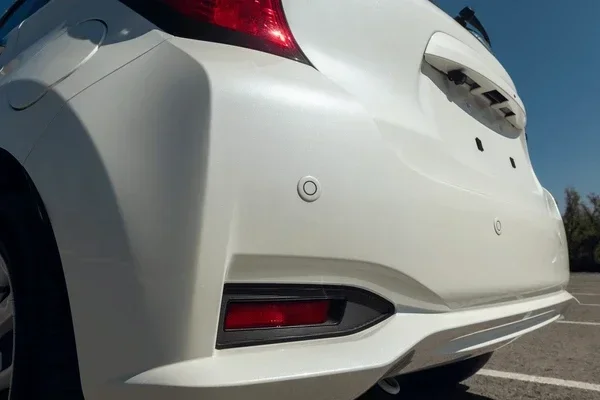
This is the number one reason rear parking sensors stop working. Your sensors sit on the rear bumper and are exposed to road dirt, mud, snow, and grime every single day. Over time, a thick layer of buildup can block the sensor from sending or receiving signals properly.
Think of it like trying to speak through a pillow. The sound is there, but it cannot get through. The same thing happens with your reverse sensor. A simple cleaning session with warm soapy water and a soft cloth can often bring your sensors back to life immediately.
Here are some quick cleaning tips:
- Use a mild car soap and a microfiber cloth to gently wipe each sensor.
- Avoid harsh chemicals or abrasive scrubbers that could damage the sensor surface.
- Clean your rear sensors at least once a month, especially in winter or rainy seasons.
- Check for cracks or chips in the sensor housing that might let moisture in.
Corrosion and Water Damage
Rear sensors live in a harsh environment. They sit at the back of your car, right where water, road salt, and debris collect. Over months and years, this exposure leads to corrosion on sensors. The metal contacts inside the sensor can rust, and the wiring harness can deteriorate.
Corrosion is especially common in regions that use road salt during winter. If you live in a coastal area, salt air can cause the same kind of damage. The corrosion builds up slowly, and one day you just notice your parking sensor beeping has stopped or become erratic.
To check for corrosion, you will need to look behind the rear bumper. If you see greenish or whitish buildup on the sensor connectors, that is a clear sign. Cleaning the connectors with a wire brush and applying dielectric grease can help, but severe corrosion usually means a sensor replacement is needed.
Blown Fuse or Faulty Relay
Your rear parking sensor system runs on electricity. Like any electrical system in your car, it relies on fuses and relays to function. A blown fuse is one of the easiest and most common reasons your rear sensor error lights up on the dashboard.
Locating your fuse box is the first step. Most cars have the fuse box under the dashboard on the driver’s side, while others place it under the hood. Check your owner’s manual to find the exact fuse for the parking sensor system. If the fuse is blown, replacing it is quick and inexpensive.
However, if the new fuse blows again shortly after, that is a sign of a deeper electrical problem. In that case, you should not keep replacing fuses blindly. You need to trace the actual cause of the short circuit.
Sensor Module Failure
Every car with rear parking sensors has a control module that processes signals from each individual sensor. This module is usually located somewhere behind the rear bumper or under the trunk area. When the module fails, all your rear sensors can stop working at once.
Module failure is less common than dirty sensors or blown fuses, but it does happen. Water intrusion is the leading cause of module damage. If moisture gets into the module housing, it can short out the circuit board. In some cases, a sensor module can also fail due to normal wear and tear over many years of use.
Replacing a sensor module is more involved than cleaning or fuse replacement. It usually requires removing parts of the rear bumper or trunk lining to access the module. If you are not comfortable with this kind of work, a professional mechanic can handle it quickly.
How to Diagnose a Faulty Rear Sensor
Diagnosing a sensor malfunction does not have to be complicated. With a few simple tools and a bit of patience, you can narrow down the problem yourself. Here is a step-by-step approach that works for most vehicles.
Step 1: Check the Dashboard Warning Light
Most modern cars have a dashboard warning light specifically for the parking sensor system. If this light comes on, your car is telling you something is wrong. The light usually looks like a car with curved lines behind it, representing the sensors.
Do not ignore this warning. It is your car’s way of saying the system has detected a fault. Even if your sensors still seem to work sometimes, the warning light means there is an underlying issue that needs attention.
Step 2: Test Each Sensor Individually
Not all sensors may be affected at the same time. Sometimes only one or two sensors fail while the rest keep working. To test them individually, you can use an OBD-II scanner. This small device plugs into your car’s diagnostic port and reads error codes from the sensor system.
Each sensor has its own unique code. If your scanner shows a code for the left rear sensor, for example, you know exactly which one to focus on. This saves a lot of guesswork and helps you avoid replacing sensors that are still perfectly fine.
Step 3: Inspect the Wiring Harness
The wiring harness connects all your rear sensors to the control module. This bundle of wires runs along the inside of your rear bumper and is vulnerable to damage. Over time, the wires can chafe against metal edges, get chewed by rodents, or break from constant vibration.
To inspect the wiring, you will need to remove the rear bumper trim pieces. Once you can see the harness, look for any visible signs of damage. Frayed wires, melted insulation, or loose connectors are all red flags. A damaged wire might only cause problems when you bump over a pothole or when the temperature changes, which makes the issue tricky to track.
Step 4: Check the Sensor Connector
Each sensor plugs into a small connector on the back of the bumper. These connectors can become loose over time, especially if your car goes over rough roads regularly. A loose connector means the sensor cannot get a proper electrical connection, and it will not send signals to the module.
Unplug each sensor connector and inspect the pins. Look for bent pins, rust, or dirt inside the connector. A quick spray of electrical contact cleaner can work wonders. Just make sure the connector is completely dry before plugging it back in.
Wiring and Electrical Issues Behind Sensor Failure
Electrical problems are among the trickiest causes of rear sensor not working issues. Unlike dirt or a blown fuse, wiring problems can be intermittent and hard to trace. Here are the electrical issues you should know about.
Short Circuits in the Wiring
A short circuit happens when a wire’s insulation breaks down and the bare copper touches another wire or a metal surface. This can cause the sensor system to malfunction or shut down entirely. Short circuits are dangerous because they can also damage the control module if not addressed quickly.
Common causes of short circuits include: physical damage from road debris, rodent chewing, water intrusion, and aging insulation. If you suspect a short circuit, a multimeter is your best friend. You can test each wire for continuity and check for unintended connections.
Ground Connection Problems
Every electrical component in your car needs a good ground connection to work properly. The rear sensors are no exception. If the ground wire for the sensor system becomes loose or corroded, the sensors will not receive the electrical reference they need to function.
Ground problems often cause strange symptoms. Your sensors might work intermittently, or they might only fail when the weather is damp. Checking and cleaning the ground connection is a simple fix that many people overlook.
Water Intrusion Behind the Bumper
Water is the enemy of electrical systems. If your rear bumper has any gaps, cracked clips, or damaged seals, water can seep behind it and reach the sensors and wiring. Over time, this moisture causes corrosion, shorts, and complete sensor failure.
After heavy rain or a car wash, check behind your bumper for any pooled water. Make sure all drainage holes in the bumper are clear and unobstructed. Replacing damaged bumper seals is a small investment that can prevent expensive sensor repairs down the road.
When to Clean vs. When to Replace Your Rear Sensor
One of the biggest mistakes car owners make is assuming a broken sensor always needs replacement. In many cases, a thorough cleaning or a simple repair is all it takes. Here is how to decide which path to take.
Signs Cleaning Will Fix the Problem
If your sensors stopped working suddenly after driving through mud, snow, or a construction zone, cleaning is almost certainly the answer. The sensor surface is simply blocked, and once you remove the grime, the signals flow freely again.
Also, if your car’s parking assistance system works intermittently and seems to improve after a car wash, dirt is likely the culprit. Here are the signs that a good cleaning will do the trick:
- The sensors stopped working right after driving through dirty or snowy conditions.
- The dashboard warning light comes and goes inconsistently.
- Some sensors still work while others do not respond.
- A visual inspection shows visible dirt or grime on the sensor surfaces.
Signs You Need a Replacement
Sometimes the sensor itself is physically damaged and cannot be repaired. In those cases, replacement is the only option. Here are the clear signs that a sensor needs to be replaced:
- The sensor housing is cracked, chipped, or visibly broken.
- Corrosion is severe and cannot be cleaned off the connector pins.
- The sensor fails diagnostic testing even after cleaning and checking the wiring.
- The same sensor keeps triggering error codes despite all other repairs.
- The sensor stopped working after an impact, such as a parking curb or minor accident.
Replacing a rear parking sensor is not a difficult job for most DIYers. The sensors are usually held in place with screws or clips behind the bumper. You disconnect the old sensor, connect the new one, and you are done. Replacement sensors are available online for a fraction of what a dealership would charge.
Step-by-Step Fixes for Rear Sensor Problems
Now that you know the common causes, let us walk through the actual fixes. These steps are written in order from simplest to most complex, so start at the top and work your way down.
Fix 1: Clean the Sensors Thoroughly
Start with the simplest fix first. Grab a soft cloth, some warm soapy water, and gently clean each rear sensor. Pay attention to the small holes or domes on the sensor surface. Use a cotton swab to get into tight spaces. Dry each sensor completely before testing the system again.
This fix takes about five minutes and costs nothing. It solves the problem more often than you might think, so always try this first.
Fix 2: Replace the Blown Fuse
Locate your fuse box and find the fuse for the parking sensor system. Pull out the old fuse and compare it to a new one of the same amperage. Slide the new fuse in and test your sensors. If the fuse blows again, stop and move to the next step. Do not keep replacing fuses.
Fix 3: Repair or Replace Damaged Wiring
If you found damaged wires during your inspection, you have two options. Minor damage can be repaired with electrical tape and heat shrink tubing. For more significant damage, cut out the bad section and splice in a new piece of wire of the same gauge. Always use soldered connections and heat shrink tubing for a reliable repair.
Fix 4: Replace the Faulty Sensor
If all else fails, the sensor itself is likely the problem. Purchase a replacement sensor that matches your car’s make, model, and year. Remove the old sensor by unscrewing it from the bumper, disconnect the wiring, and install the new one in reverse order. Test the system after installation to confirm the fix.
Fix 5: Replace the Control Module
If the control module has failed, you will need to replace it. This is the most involved fix and may require professional help. The module is typically located behind the rear bumper or under the rear seat area. Disconnect the battery before starting any work on the module to avoid electrical damage.
Preventing Rear Sensor Issues in the Future
Once you get your rear sensors working again, you will want to keep them in good shape. Prevention is always easier and cheaper than repair. Here are some simple habits that go a long way.
- Clean your rear sensors regularly. A quick wipe during your regular car wash routine keeps sensors free of debris and buildup.
- Avoid driving through deep puddles and standing water. Excessive water exposure accelerates corrosion and can damage electrical connections.
- Inspect your rear bumper after impacts. Even minor bumps against curbs or parking posts can damage sensors or loosen connectors.
- Check your wiring harness annually. Look for signs of wear, chafing, or rodent damage once a year.
- Use dielectric grease on connectors. This protective coating prevents moisture and corrosion from affecting sensor connections.
- Address warning lights immediately. Do not ignore dashboard warnings. The earlier you catch a problem, the cheaper and easier the fix will be.
Taking these small steps can extend the life of your rear parking sensors by many years. Your car’s parking assistance system is a valuable safety feature, and keeping it in top shape protects both your vehicle and your peace of mind.
Expert Insights on Rear Sensor Maintenance
We spoke with several automotive technicians about the most common rear sensor issues they see in the shop. Their top advice was consistent and simple: do not wait until the sensors completely fail to check them. Regular maintenance catches small problems before they become expensive repairs.
“The number one thing I tell customers is to keep their sensors clean,” says a certified mechanic with over fifteen years of experience. “Nine times out of ten, what the owner thinks is a broken sensor is just dirt. A five-minute cleaning solves the problem every time.”
Another technician emphasized the importance of not ignoring intermittent problems. “If your sensors beep differently than usual, or if they stop working for a few minutes and then come back, that is your car telling you something is wrong. Intermittent issues often become permanent problems if you do not address them early.”
Finally, experts recommend keeping your car parking system software up to date. Some manufacturers release updates that improve sensor performance and fix known bugs. Check with your dealership or consult your owner’s manual for any available updates for your specific model.
Key Takeaways
- Dirty sensors are the most common cause of rear sensor failure, and a simple cleaning often fixes the problem completely.
- Corrosion and water damage are major culprits, especially in older vehicles or those driven in harsh climates.
- A blown fuse or faulty wiring harness can knock out your entire rear sensor system quickly.
- Use an OBD-II scanner to diagnose which specific sensor or component is causing the problem.
- Know when to clean versus when to replace. Cracked housings and severe corrosion require replacement, not cleaning.
- Regular maintenance keeps your parking sensors reliable and prevents unexpected failures.
- Do not ignore dashboard warning lights. Early detection saves time, money, and stress.
Conclusion
So, why is my rear sensor not working anymore on my car? The answer could be as simple as a dirty sensor surface or as complex as a failed control module. The key is to work through the possible causes systematically, starting with the easiest fixes and moving toward the more involved repairs.
Most rear sensor problems are not expensive or difficult to fix. A cleaning session, a new fuse, or a simple wiring repair can often solve the issue in under an hour. Even sensor replacement is a manageable DIY project for those comfortable working on their own vehicles.
The most important thing you can do is not ignore the problem. Rear parking sensors are a critical safety feature, especially when maneuvering in tight spaces, backing out of driveways, or navigating busy parking lots. Keeping them in good working order protects your car and keeps you and others safe.
Take a few minutes today to check your rear sensors. Clean them, inspect the connections, and pay attention to any warning lights on your dashboard. A little proactive care now can save you from a costly and inconvenient repair later. Your rear parking sensors work hard for you every day, and they deserve a little attention in return.
Frequently Asked Questions
How much does it cost to replace a rear parking sensor?
Individual rear parking sensors typically cost between $15 and $50 each for the part alone. If you hire a mechanic to install them, labor costs usually add $50 to $100 per sensor. The total cost depends on your car’s make and model and how many sensors need replacement.
Can I drive my car safely if the rear sensor is not working?
You can still drive safely, but you lose a valuable backup aid. Without working rear sensors, you will need to rely on your mirrors and rearview camera more carefully. It is best to fix the issue as soon as possible, especially if you frequently park in tight or crowded spaces.
Why do my rear sensors work sometimes but not other times?
Intermittent sensor failure is often caused by a loose connector, corroded wiring, or a ground connection problem. These issues tend to worsen in certain conditions, such as after driving through water or when temperatures drop. Use an OBD-II scanner to identify the specific error code and narrow down the cause.
Can I clean my rear sensors with alcohol?
It is best to avoid harsh chemicals like rubbing alcohol, as they can damage the sensor surface over time. Stick with mild car soap and warm water for regular cleaning. If you need a stronger cleaner, use a dedicated electronics contact cleaner designed for automotive sensors.
How long do rear parking sensors typically last?
With proper care and maintenance, rear parking sensors can last the lifetime of the vehicle. However, exposure to road salt, moisture, and physical impacts can shorten their lifespan. Most sensors last between 10 and 15 years under normal driving conditions before needing replacement.
Does a dead battery affect rear parking sensors?
Yes, a weak or dead car battery can cause the entire electrical system to malfunction, including rear parking sensors. If your sensors stop working and you also notice dim headlights or slow cranking, your battery may be the root cause. Have your battery tested to rule out this possibility.