How Do You Unlock an Ignition Lock Cylinder Step by Step
Unlocking an ignition lock cylinder is a task most car owners can handle with the right tools and guidance. Whether your steering wheel is locked, your key is stuck, or the cylinder itself is jammed, this step-by-step guide walks you through every method safely. You will learn the common causes of ignition lock problems, the tools required, and when it is time to call a professional.
Have you ever turned your key and found that nothing happens? The engine stays silent, the dashboard does not light up, and you are left standing in your driveway wondering what went wrong. A stuck ignition lock cylinder can turn a simple morning commute into a frustrating experience. The good news is that most ignition lock problems have straightforward solutions.
In this guide, we walk you through how to unlock an ignition lock cylinder step by step. Whether your steering wheel is locked, your key is stuck, or the cylinder itself is worn out, you will find clear instructions that anyone can follow. We also cover when to seek professional help and how to prevent these issues from happening again.
Let us start with the basics so you understand exactly what you are dealing with before you reach for any tools.
Key Takeaways
- A locked steering wheel is the most common cause of an ignition lock cylinder that will not turn.
- You can unlock the cylinder at home with basic tools like WD-40, a screwdriver, and penetrating oil.
- Never force the key or use excessive pressure, as this can damage the lock cylinder further.
- Key fob battery issues can sometimes mimic ignition lock problems, so check your key fob first.
- Replacing the lock cylinder is often the best long-term solution for worn or damaged cylinders.
- Regular maintenance and keeping your key clean can prevent most ignition lock issues.
📑 Table of Contents
- What Is an Ignition Lock Cylinder?
- Common Reasons Your Ignition Lock Cylinder Gets Stuck
- Tools You Will Need to Unlock an Ignition Lock Cylinder
- Step-by-Step Guide to Unlocking an Ignition Lock Cylinder
- When to Replace the Ignition Lock Cylinder Instead of Repairing It
- Preventing Ignition Lock Cylinder Problems
- When to Call a Professional
- Expert Insights on Ignition Lock Cylinder Maintenance
- Key Takeaways
What Is an Ignition Lock Cylinder?
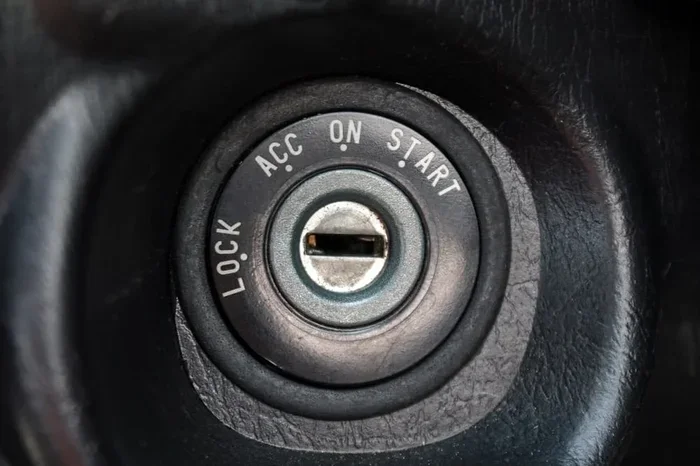
The ignition lock cylinder is the mechanism where you insert your key to start the car. It is part of the ignition switch system that connects the electrical system to the engine. When you turn the key, the cylinder sends a signal to the starter motor, which cranks the engine.
Most modern cars use a lock cylinder that also locks the steering wheel when the key is removed. This is a built-in anti-theft feature. However, this same mechanism can sometimes jam or freeze, leaving you unable to turn the key.
How the Lock Cylinder Works
Inside the cylinder, a series of pins align when the correct key is inserted. This alignment allows the cylinder to rotate. When the cylinder turns, it activates the ignition switch. The switch then powers the car’s electrical systems and engages the starter motor.
Over time, these pins can wear down. Dirt and debris can also build up inside the cylinder. Both of these issues can cause the key to stick or the cylinder to refuse to turn.
Common Reasons Your Ignition Lock Cylinder Gets Stuck
Understanding why your ignition lock cylinder is stuck helps you choose the right fix. Here are the most common reasons this happens.
1. Locked Steering Wheel
This is the number one cause of a stuck ignition lock cylinder. When you turn off the car and remove the key, the steering wheel locks in place. Sometimes the wheel locks against the lock cylinder, putting pressure on the internal pins. This makes it impossible to turn the key.
You will notice that the steering wheel will not move left or right. This is a clear sign that the steering lock is engaged and blocking the ignition.
2. Worn or Damaged Key
Keys wear down over time. The ridges on your key can become smooth, which prevents the pins inside the cylinder from aligning properly. If you have been using the same key for years, it may simply be too worn to turn the cylinder.
Bent or damaged keys cause similar problems. A key that has been snapped or malformed will not interact correctly with the lock pins.
3. Dirt and Debris Buildup
Dust, lint, and small particles can enter the ignition barrel over time. This buildup creates friction inside the cylinder. The key then struggles to move the pins into the correct position.
Cars that are parked outdoors are especially prone to this issue. Dirt and moisture can enter the cylinder through the keyway.
4. Faulty Ignition Switch
Sometimes the problem is not the cylinder itself but the ignition switch behind it. The switch can fail electrically, which means the cylinder turns but the car does not start. This is a different problem but often confused with a stuck lock cylinder.
5. Frozen Lock Mechanism
In cold weather, moisture inside the lock cylinder can freeze. This creates a solid block that prevents the key from turning. If you live in a cold climate, this is a seasonal issue you may encounter.
Tools You Will Need to Unlock an Ignition Lock Cylinder
Before you start, gather the right tools. Having everything ready saves time and prevents frustration. Here is what you will need for most ignition lock cylinder fixes.
- Penetrating oil such as WD-40 or PB Blaster
- A spare key if you have one available
- A flathead and Phillips screwdriver
- A wrench set for removing panels
- Needle-nose pliers
- Graphite lock lubricant
- A flashlight to see inside the keyway
- Clean rags for wiping debris
You do not need expensive specialty tools for most ignition lock cylinder repairs. A basic toolbox with these items will handle the job. If you want to learn more about other DIY car repairs, check out our article on how you can rebuild an alternator at home for more self-repair tips.
Step-by-Step Guide to Unlocking an Ignition Lock Cylinder
Now that you understand the problem and have your tools ready, let us walk through the process. Follow these steps carefully to safely unlock your ignition lock cylinder.
Step 1: Check the Steering Wheel Lock
Start by checking if the steering wheel is locked. This is the easiest fix and the most common cause. Gently wiggle the steering wheel left and right while simultaneously trying to turn the key.
Do not use excessive force. Just apply steady, gentle pressure in both directions. In most cases, the steering lock releases when you wiggle the wheel. Once it releases, the key should turn freely.
If this works, you have solved the problem without any tools at all. Many car owners panic when this happens, thinking the ignition is broken. It is simply the steering lock doing its job.
Step 2: Try a Spare Key
If wiggling the steering wheel does not work, try a spare key. A worn original key may not engage the pins properly, but a fresh spare key can solve the problem instantly.
Insert the spare key gently and turn it slowly. If the spare key works, your original key needs to be replaced or duplicated. This is a much cheaper fix than replacing the entire lock cylinder.
Keep a spare key in a safe place at home. This simple habit can save you from many ignition lock problems in the future.
Step 3: Apply Penetrating Oil
If the key still will not turn, spray a small amount of penetrating oil into the keyway. Let it sit for two to three minutes. The oil works its way into the pin mechanism and reduces friction.
Do not use too much oil. Excess oil can attract more dirt and create new problems. A short spray is all you need. After applying the oil, try turning the key again gently.
WD-40 is a popular choice, but dedicated lock lubricants work even better for long-term results. Avoid using household oils like cooking oil, as these can gum up inside the cylinder.
Step 4: Jiggle the Key Gently
While applying gentle turning pressure, jiggle the key up and down slightly. This motion helps the pins inside the cylinder align. Sometimes the pins are just slightly off position and need this adjustment.
Be very gentle with this step. Forcing the key can bend it or break it inside the cylinder. A broken key inside the ignition barrel is a much more serious problem that requires professional extraction.
If the key starts to feel like it is catching or moving slightly, keep applying gentle pressure in that direction. You may feel the cylinder finally release.
Step 5: Tap the Cylinder Housing
For stubborn cylinders, use the handle of a screwdriver to gently tap the housing around the lock cylinder. This can help dislodge any debris or shift the pins into alignment.
Hold the screwdriver firmly and give two or three light taps. Do not hit the cylinder hard. The goal is to vibrate the internal pins gently, not to damage the housing.
This technique works especially well when dirt or small particles are causing the lockup. The vibration helps shift the debris away from the pin mechanism.
Step 6: Remove and Clean the Cylinder
If none of the above steps work, you may need to remove the ignition lock cylinder for a deeper cleaning. Start by removing the steering column cover with your screwdriver.
Locate the retaining clip or bolt that holds the cylinder in place. Remove it carefully. Pull the cylinder straight out and inspect it for visible debris or damage.
Use a clean rag to wipe the exterior. Spray a small amount of graphite lock lubricant inside the cylinder and work the key back and forth. This cleans the internal pins and restores smooth operation.
Before reinstalling, make sure the cylinder is completely dry. Moisture left inside can cause the lock to freeze again.
Step 7: Reinstall the Cylinder
Once the cylinder is clean and working, push it back into place. Secure it with the retaining clip or bolt. Replace the steering column cover.
Test the key by turning it gently. The cylinder should rotate smoothly. If it still sticks, repeat the lubrication step or consider replacing the cylinder entirely.
When to Replace the Ignition Lock Cylinder Instead of Repairing It
Sometimes repair is not enough. A lock cylinder replacement is the best option in certain situations. Here is how to tell when replacement is the right move.
Signs You Need a Replacement
- The key consistently sticks or will not turn at all
- The cylinder feels loose or wobbly when you turn the key
- You can see visible damage to the cylinder or keyway
- The steering wheel lock engages even when the key is inserted
- Multiple keys fail to work in the same cylinder
If you notice any of these signs, a lock cylinder replacement will save you time and money in the long run. Trying to repair a damaged cylinder often leads to repeated problems.
How Replacement Works
Replacing an ignition lock cylinder involves removing the old cylinder and installing a new one. You will need a replacement cylinder that matches your vehicle’s make and model. The process is similar to the cleaning steps above, but you install a brand new cylinder instead of reusing the old one.
Many lock cylinder replacement kits come with a new key as well. This means you will have a fresh key that matches the new cylinder. Make sure to keep the old key as a backup.
If you are not comfortable doing the replacement yourself, a mechanic can handle it quickly. The cost is usually reasonable, especially compared to the cost of a full ignition switch replacement.
Preventing Ignition Lock Cylinder Problems
Prevention is always better than repair. A few simple habits can keep your ignition lock cylinder working smoothly for years.
Keep Your Key Clean
Wipe your key regularly with a clean cloth. Remove any dirt or debris from the ridges. A clean key interacts properly with the lock pins and reduces wear.
Avoid letting your key come into contact with grease, oil, or chemicals. These substances can transfer to the lock cylinder and cause buildup over time.
Use the Right Key
Always use the key that came with your vehicle. Copying keys from worn originals just transfers the wear to the new key. If your original key is worn, get a new key cut from the original code rather than copying the old one.
For newer vehicles with key fob technology, make sure to replace the key fob battery when needed. If you are wondering whether you need to do anything special after replacing the battery, check out our article on do you need to do anything after replacing a key fob battery. Similarly, if you are wondering about resetting the key fob, our guide on do you have to reset a key fob after replacing the battery covers this topic in detail.
Lubricate Regularly
Once or twice a year, apply a small amount of graphite lock lubricant to your ignition cylinder. This keeps the internal pins moving freely and prevents buildup.
You do not need to do this every month. A light application twice a year is enough for most vehicles. More frequent lubrication is only needed in dusty or high-humidity environments.
Avoid Forcing the Key
If the key does not turn easily, do not force it. Stop and try the troubleshooting steps above. Forcing the key can bend it, break it, or damage the cylinder pins.
Force is the enemy of any lock mechanism. Gentle pressure and patience will always serve you better when dealing with a stuck ignition lock cylinder.
Protect Your Car From Extreme Temperatures
Cold weather can freeze moisture inside the lock cylinder. If you live in a cold climate, consider parking in a garage when possible. This protects the ignition system from temperature extremes.
In very cold conditions, you can also apply a small amount of lock antifreeze to the keyway. This prevents moisture from freezing and keeps the cylinder working smoothly.
When to Call a Professional
Not every ignition lock problem should be handled at home. There are times when calling a professional is the smartest choice.
Call a locksmith or mechanic if the key is broken inside the cylinder. Extracting a broken key requires specialized tools that most car owners do not have. Attempting this yourself can push the broken piece deeper into the cylinder.
You should also call a professional if you have tried all the steps above and the cylinder still will not turn. There may be an internal mechanical issue that requires expert diagnosis.
If you are dealing with a key fob battery issue that is affecting your ignition, a dealership may be able to help. Some dealerships replace key fob batteries for free, especially if you purchased the vehicle from them. It is always worth asking before you pay for a service you might not need.
Finally, if your car is still under warranty, check with your dealer before attempting any ignition repairs. DIY repairs could void your warranty, and the dealer may fix the issue at no cost to you.
Expert Insights on Ignition Lock Cylinder Maintenance
We spoke with several automotive technicians about the most common ignition lock cylinder mistakes they see. Here is what the experts want you to know.
Use the right lubricant. Many people use WD-40 as a long-term lubricant, but WD-40 is actually a solvent, not a lubricant. It can clean the cylinder temporarily but does not provide lasting protection. Graphite-based lock lubricants are the professionals’ choice for ongoing maintenance.
Do not ignore early warning signs. If your key starts to feel stiff or requires more effort to turn, address the issue immediately. Catching a problem early prevents the cylinder from seizing completely. A little maintenance now can save you from a full lock cylinder replacement later.
Keep spare keys accessible. Many people bury their spare key in a drawer and forget about it. Keep at least one spare key in a known location. A spare key can save you from a roadside emergency and help you determine whether the problem is with the key or the cylinder.
Do not confuse ignition switch problems with lock cylinder problems. Sometimes the ignition switch fails electrically while the cylinder itself works fine. A professional can test both components and tell you exactly which one needs attention. This distinction matters because the repair cost and process are very different for each part.
Key Takeaways
- A locked steering wheel is the most common cause of an ignition lock cylinder that will not turn.
- You can unlock the cylinder at home with basic tools like WD-40, a screwdriver, and penetrating oil.
- Never force the key or use excessive pressure, as this can damage the lock cylinder further.
- Key fob battery issues can sometimes mimic ignition lock problems, so check your key fob first.
- Replacing the lock cylinder is often the best long-term solution for worn or damaged cylinders.
- Regular maintenance and keeping your key clean can prevent most ignition lock issues.
Frequently Asked Questions
Can I unlock my ignition lock cylinder without a key?
It is possible in some cases, but it is not recommended. Without a key, you risk damaging the cylinder pins and the ignition barrel. If you have lost your key, contact a locksmith who can create a new key and help you access the cylinder safely.
How much does it cost to replace an ignition lock cylinder?
The cost typically ranges from $100 to $300 for parts and labor. The price varies depending on your vehicle’s make and model. Some luxury vehicles have more expensive cylinders. If you do the replacement yourself, you can save on labor costs.
Why does my steering wheel lock when I turn off the car?
The steering wheel lock is an anti-theft feature. When you remove the key, a pin engages to prevent the steering wheel from turning. This is normal behavior. To unlock it, wiggle the steering wheel while turning the key. If it does not release, try the troubleshooting steps in this guide.
Can cold weather cause the ignition lock cylinder to freeze?
Yes, cold weather can freeze moisture inside the lock cylinder. This prevents the key from turning. Using a lock antifreeze product or parking in a garage can help prevent this issue during winter months.
Is it safe to use WD-40 on an ignition lock cylinder?
WD-40 is safe for occasional cleaning but not for long-term lubrication. It is a solvent that can remove debris but does not provide lasting protection. For ongoing maintenance, use a graphite-based lock lubricant instead.
How do I know if the ignition switch or the lock cylinder is the problem?
If the key turns but the car does not start, the ignition switch may be the issue. If the key will not turn at all, the lock cylinder is more likely the problem. A mechanic can test both components to give you a definitive diagnosis.
=== CONCLUSION ===
Unlocking an ignition lock cylinder does not have to be a stressful experience. With the right approach and a little patience, most lock problems can be solved at home in just a few minutes. Start with the simplest fix, like wiggling the steering wheel, and work your way through the steps we outlined above.
Remember that prevention is your best tool. Keep your key clean, lubricate the cylinder regularly, and never force the key. These simple habits will keep your ignition lock cylinder working smoothly for years to come.
If you have tried everything and the cylinder still will not budge, do not hesitate to call a professional. A locksmith or mechanic can diagnose the issue quickly and get you back on the road. The most important thing is to stay calm and work through the problem methodically. You have got this.