How Do I Check My Car Battery Easy Tips for Beginners
Knowing how to check your car battery is one of the easiest ways to avoid being stranded. You only need a multimeter and a few minutes to test your battery voltage and spot warning signs early. This guide walks you through every step, from reading the voltage to cleaning corroded terminals, so you can keep your car running strong all year long.
Your car battery is the heart of your vehicle’s electrical system. Without it, nothing starts. Yet most drivers ignore their battery until something goes wrong. Maybe your car won’t start on a cold morning, or your headlights flicker when you turn on the radio. These small signs often mean your battery is failing. The good news is that checking your battery is simple, fast, and free. You do not need to be a mechanic to do it. In this guide, we show you exactly how to check your car battery like a pro. You will learn what tools to use, what to look for, and when it is time for a replacement.
Whether you are a complete beginner or just need a refresher, this guide has you covered. We break everything down into easy steps. No confusing jargon. No complicated tools. Just clear, practical advice you can use right away. Let us get started.
Key Takeaways
- Use a multimeter: A simple voltage reading tells you if your battery is healthy or dying.
- Look for corrosion: White or blue buildup on terminals is a clear sign your battery needs attention.
- Test at least twice a year: Regular checks help you catch problems before they leave you stranded.
- Clean terminals safely: A baking soda and water mix can remove corrosion and restore proper connection.
- Know when to replace: A battery older than three to five years should be tested regularly and replaced when needed.
- Watch for warning signs: Slow cranking, dim lights, and dashboard warnings all point to battery trouble.
📑 Table of Contents
- Why Checking Your Car Battery Matters
- Signs Your Car Battery Is Failing
- Tools You Need to Check Your Car Battery
- Step-by-Step: How to Test Your Car Battery
- How to Clean Battery Terminals
- When to Replace Your Car Battery
- Common Mistakes People Make When Checking Their Battery
- Expert Tips for Extending Battery Life
- Final Thoughts
Why Checking Your Car Battery Matters
Your car battery powers everything from the starter motor to the lights and radio. It also keeps your car’s electrical system running when the engine is off. A weak battery can cause all kinds of frustrating problems. You might notice your engine cranks slowly. Or the dashboard lights dim when you turn the key. In worst cases, your car simply will not start at all.
Regular battery checks help you catch problems early. A dying battery can leave you stranded on the side of the road. This is especially true in cold weather, when batteries struggle the most. A simple test takes just a few minutes and can save you hours of hassle. It also saves money. Replacing a battery early is cheaper than dealing with a tow truck and emergency repair.
If you have ever wondered why your car lights on auto drain the battery, the answer often lies in the battery’s health. A weak battery cannot hold a charge properly. This means even small electrical draws can drain it completely overnight. Checking your battery regularly helps you stay ahead of these issues.
How Often Should You Check Your Battery?
Most experts recommend testing your battery every three to six months. However, if you live in an area with extreme temperatures, you should check more often. Heat speeds up battery corrosion. Cold reduces battery power. Both conditions shorten battery life. If your car is more than three years old, make battery testing part of your routine car maintenance schedule.
Signs Your Car Battery Is Failing
Your car usually gives you plenty of warning before a battery dies completely. Learning to recognize these signs can save you from an unexpected breakdown. Here are the most common car battery warning signs to watch for:
- Slow engine crank: When you turn the key, the engine takes longer than usual to start. This is one of the earliest signs of a weak battery.
- Dim headlights: If your headlights seem less bright than usual, especially when idling, your battery may be losing power.
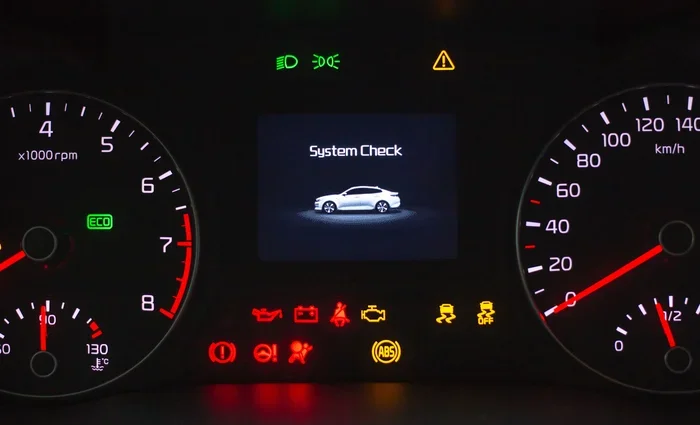
- Dashboard warning light: Many modern cars have a battery or check-engine light on the dashboard. Do not ignore it.
- Corrosion on terminals: A white or blue-green powdery substance around the battery posts means corrosion is building up.
- Swollen battery case: If the battery case looks bloated or cracked, heat damage may have weakened it.
- Old age: Most car batteries last three to five years. If yours is older, have it tested regularly.
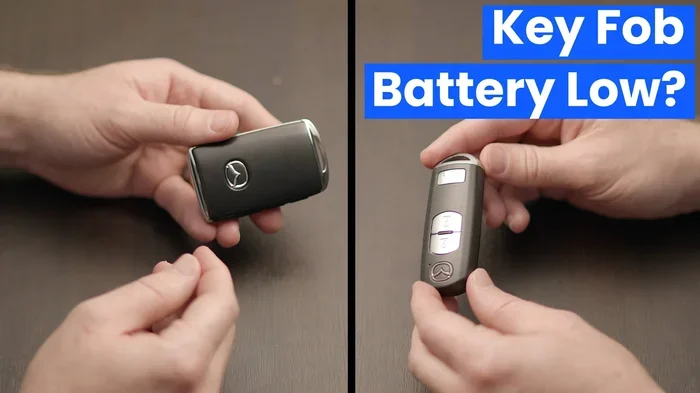
If you notice any of these signs, it is time to test your battery. You can also check whether a low battery key fob drain a car battery is contributing to the problem. A weak key fob battery can sometimes cause electrical issues that mimic a main battery problem.
Can a Dead Battery Affect Other Car Systems?
Yes. A weak battery can strain your alternator and other electrical components. It can also cause erratic behavior in your car’s computer system. Some drivers report issues with their key fob battery replacement because the low main battery voltage interferes with the key fob signal. Keeping your main battery healthy helps everything else work properly too.
Tools You Need to Check Your Car Battery
Good news! You do not need expensive tools to check your car battery. Here is what you will need:
- Digital multimeter: This is the most important tool. It measures the voltage of your battery. You can find one at any auto parts store for under $20.
- Safety glasses: Battery acid can splash. Protect your eyes during any battery work.
- Wire brush or old toothbrush: You will need this to clean corrosion off the terminals.
- Baking soda and water: This simple mix makes a great cleaning solution for battery terminals.
- Rubber gloves: Protect your hands from acid and corrosion.
- Flashlight: Helps you see inside the engine bay, especially in dim light.
You do not need anything special to get started. A basic digital multimeter is all you really need for a proper voltage test. If you want to go the extra mile, you can also pick up a battery load tester. These tools simulate the electrical load on your battery and give you a more complete picture of battery health.
What Does a Multimeter Do?
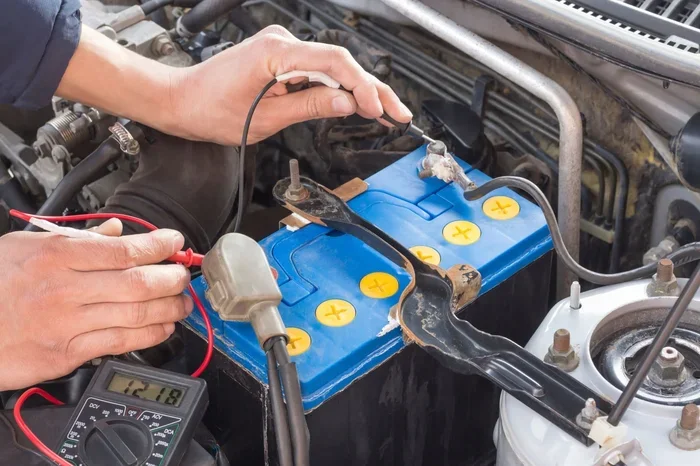
A multimeter measures electrical voltage, current, and resistance. For checking a car battery, you only need the voltage function. It tells you how much charge your battery is holding. A fully charged battery should read around 12.6 volts. Anything below 12.4 volts means your battery is partially discharged. Below 12.0 volts means your battery is deeply discharged and may need replacement. This simple reading gives you a clear picture of your battery voltage and overall health.
Step-by-Step: How to Test Your Car Battery
Now let us walk through the actual process. Testing your battery is easier than you think. Follow these steps carefully and you will have your answer in minutes.
Step 1: Park Your Car Safely
Find a flat, level surface to park on. Turn off the engine and all electrical accessories. Remove the key from the ignition. Make sure the car is in park (or neutral for manual transmissions). Open the hood and locate your battery. Most batteries are in the engine bay, but some are under the trunk or behind a wheel well.
Step 2: Inspect the Battery
Before you test, take a good look at the battery. Look for cracks, leaks, or swelling in the case. Check the terminals for corrosion. You will know corrosion by the white, blue, or greenish powdery buildup around the posts. If you see heavy corrosion, you may want to clean it first before testing. Corrosion can block the electrical connection and give you a false reading.
If you are wondering about other electrical issues, you might also want to check whether your car lights on auto setting could be draining your battery over time. Many modern cars have automatic light settings that can slowly drain the battery if left unchecked.
Step 3: Set Up Your Multimeter
Turn on your digital multimeter. Set the dial to DC voltage (usually marked with a “V” and a straight line, not a wavy one). Choose the 20-volt range if your multimeter has a manual range setting. This gives you the best accuracy for a 12-volt battery.
Step 4: Connect the Multimeter Leads
Touch the red probe to the positive battery terminal (marked with a “+” sign). Touch the black probe to the negative terminal (marked with a “-” sign). Make sure the metal tips of the probes are touching the metal parts of the terminals. Do not let the probes touch each other.
Step 5: Read the Voltage
Look at the reading on your multimeter display. Here is what the numbers mean:
- 12.6 volts or higher: Your battery is fully charged and healthy.
- 12.4 to 12.6 volts: Your battery is about 75% charged. It is still okay but worth monitoring.
- 12.2 to 12.4 volts: Your battery is about 50% charged. You should recharge it soon.
- 12.0 to 12.2 volts: Your battery is partially discharged. It may need replacement.
- Below 12.0 volts: Your battery is deeply discharged. It likely needs replacement or a deep charge.
If your reading is low, you can try charging the battery and testing again after a few hours. A low reading after a full charge usually means the battery is dying and needs replacement.
Step 6: Test While Cranking
Have someone help you with this step. Turn the key to start the engine while watching the multimeter. The voltage will drop briefly when the starter motor engages. A healthy battery should not drop below 10.0 volts during cranking. If it drops below 9.6 volts, your battery is weak and may not be able to start the car reliably, especially in cold weather.
If you have been experiencing starting problems, you may also want to read our article on what to check when your car won’t start but the battery is fine. It covers additional troubleshooting steps beyond just the battery.
How to Clean Battery Terminals
Corrosion on battery terminals is one of the most common causes of electrical problems. It builds up over time and blocks the flow of electricity. Cleaning your terminals is simple and takes just a few minutes.
What You Need for Cleaning
- Baking soda
- Warm water
- Wire brush or old toothbrush
- Rubber gloves
- Safety glasses
- Clean rag or paper towel
Cleaning Steps
- Disconnect the battery: Always remove the negative cable first. Then remove the positive cable. This prevents short circuits.
- Make the cleaning paste: Mix three tablespoons of baking soda with one tablespoon of warm water. Stir until it forms a thick paste.
- Apply the paste: Spread the paste over the corroded terminals and posts. Let it sit for a few minutes. You will see it fizz as it reacts with the corrosion.
- Scrub gently: Use your wire brush or toothbrush to scrub away the buildup. Be gentle so you do not damage the terminals.
- Wipe clean: Use a clean rag to wipe away the paste and loosened corrosion.
- Reconnect the cables: Attach the positive cable first, then the negative cable. Tighten the connections firmly.
- Apply dielectric grease: A thin layer of dielectric grease on the terminals helps prevent future corrosion.
After cleaning, test your battery again with the multimeter. You may find that the voltage reading improves once the electrical connection is restored. Clean terminals make a big difference in how well your battery performs.
When to Replace Your Car Battery
Sometimes cleaning and charging are not enough. If your battery is old or damaged, it is time for a replacement. Here are the situations where you should definitely replace your battery:
- The battery is more than five years old: Even if it tests okay now, it may fail soon. Most batteries last three to five years.
- Voltage stays low after charging: If you charge the battery fully and it still reads below 12.4 volts, the battery is no longer holding a charge.
- The case is cracked or swollen: Physical damage means the battery is unsafe and must be replaced immediately.
- You need jump-starts frequently: If you are jumping your car more than once a month, the battery is failing.
- The battery was manufactured more than three years ago: Even if it seems fine, have it tested regularly. A sudden failure can happen without warning.
When you buy a new battery, make sure it matches your car’s specifications. Check the group size, cold cranking amps (CCA), and terminal configuration. Your owner’s manual has all this information. A properly matched battery will last longer and perform better.
Can You Replace the Battery Yourself?
Yes! Replacing a car battery is one of the easiest DIY repairs you can do. You just need to disconnect the old cables, remove the hold-down clamp, lift out the old battery, place the new one in, and reconnect the cables in reverse order. Always connect the positive cable first and the negative last. If you are not comfortable doing it yourself, most auto parts stores will install the battery for you, often for free.
If you are dealing with a leased vehicle, you may also want to check whether you can end your lease early if the battery replacement cost is a factor in your decision. Understanding your lease terms can help you avoid unexpected expenses.
Common Mistakes People Make When Checking Their Battery
Even with the best intentions, people make mistakes when testing their batteries. Here are some common errors to avoid:
- Testing immediately after driving: The battery needs at least an hour to rest after driving. Testing right away gives a falsely high reading.
- Ignoring corrosion: Corrosion on the terminals can block the connection and give you a false low reading. Always clean terminals before testing.
- Not checking the alternator: A bad alternator can drain your battery even if the battery itself is healthy. Have the alternator tested too if you have battery issues.
- Using the wrong multimeter setting: Make sure you set your multimeter to DC voltage, not AC. Using the wrong setting gives incorrect readings.
- Touching the probes together: This creates a short circuit and can damage your multimeter or battery.
- Forgetting to turn off all accessories: Headlights, radio, and A/C all draw power. Turn everything off before testing for an accurate reading.
Avoiding these mistakes ensures you get accurate results every time. If you want to learn more about preventing battery drain, you might also be interested in how long your groceries can sit in a car without affecting your electrical system or battery health.
Expert Tips for Extending Battery Life
Want to get the most out of your car battery? Follow these expert tips:
- Drive your car regularly: The alternator recharges the battery while you drive. Cars that sit for long periods lose charge over time.
- Keep the battery terminals clean: Clean terminals every six months to prevent corrosion buildup.
- Avoid short trips: Short drives do not give the alternator enough time to fully recharge the battery.
- Turn off lights and accessories when parked: Leaving lights on is the number one cause of dead batteries.
- Use a battery maintainer: If you store your car for long periods, a trickle charger or battery maintainer keeps the battery topped off.
- Check the battery hold-down: A loose battery vibrates while driving. Vibration damages the internal plates and shortens battery life.
These simple habits can add years to your battery life. They cost nothing but a few minutes of your time. The payoff is a reliable car that starts every time you turn the key.
Final Thoughts
Checking your car battery does not have to be scary or complicated. With just a multimeter and a few simple steps, you can test your battery in under ten minutes. You now know how to read the voltage, spot warning signs, clean corroded terminals, and decide when it is time for a replacement. These skills give you confidence and save you money. They also keep you from being stranded with a dead battery on a bad day.
Make battery checks part of your regular car maintenance routine. Set a reminder on your phone to test your battery every three months. It takes just a few minutes and gives you peace of mind. Your battery works hard every day to start your car and power your electrical system. A little attention goes a long way.
Remember, if you ever notice your car struggling to start or your headlights dimming, do not wait. Test your battery right away. Catching a weak battery early can save you from a lot of trouble. Stay proactive, stay informed, and keep your car running strong.
Frequently Asked Questions
How do I know if my car battery is bad?
You can test it with a multimeter. A fully charged battery should read 12.6 volts or higher. If it reads below 12.0 volts, the battery is likely bad. Other signs include slow cranking, dim lights, and corrosion on the terminals. If your battery is more than five years old, it is wise to test it regularly.
Can I check my car battery without a multimeter?
Yes, you can do a simple visual check for corrosion, swelling, or leaks. You can also try turning on the headlights before starting the car. If the headlights are dim, the battery may be weak. However, a multimeter gives you the most accurate and reliable reading of your battery voltage.
How long does a car battery last?
Most car batteries last between three and five years. Extreme heat and cold can shorten that lifespan. If you live in a harsh climate, you may need to replace your battery more often. Regular testing helps you know when it is time for a new one.
What causes a car battery to drain quickly?
Common causes include leaving lights on, faulty alternators, corroded terminals, and parasitic draws from accessories. Cold weather also reduces battery performance. If your battery drains quickly, test it and have your alternator checked to rule out electrical problems.
Is it safe to test a car battery by myself?
Yes, it is very safe as long as you follow basic precautions. Wear safety glasses and rubber gloves. Never let the multimeter probes touch each other. Always disconnect the negative cable first when working near the battery. If you feel unsure, ask a friend or visit an auto parts store for help.
What should I do if my battery reads low?
First, try charging the battery fully with a battery charger. Test again after a few hours. If the voltage stays low, the battery is likely dying and needs replacement. Also check your terminals for corrosion and clean them if needed. Sometimes a simple cleaning restores proper voltage.
=== CONCLUSION ===
Checking your car battery is one of the simplest and most important things you can do as a car owner. With a multimeter, a few household items, and the knowledge from this guide, you can test your battery, clean your terminals, and know exactly when it is time for a replacement. Do not wait for your car to fail you on a cold morning. Take a few minutes today to check your battery and stay ahead of any problems. Your future self will thank you when your car starts right up every single time.