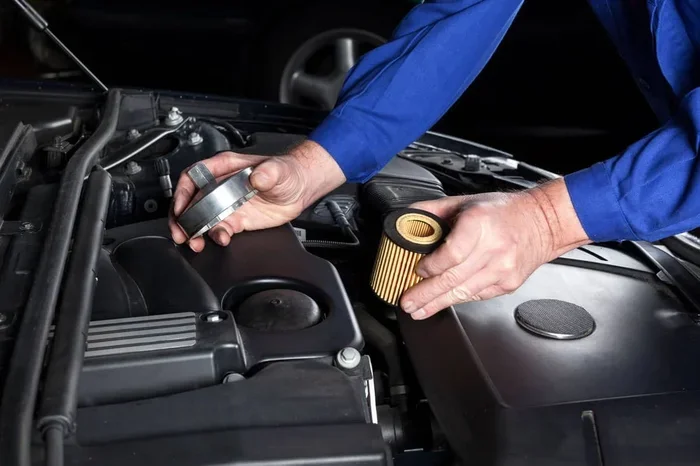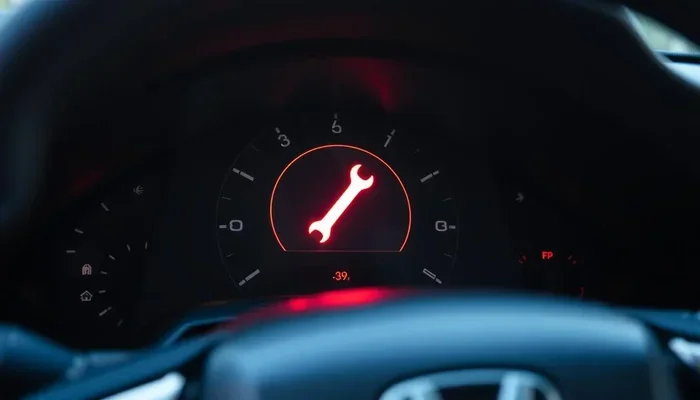
Does the Wrench Light Mean You Need an Oil Change Now
The wrench light on your dashboard is a maintenance reminder, not always a direct signal for an oil change. It typically indicates that your vehicle is due for scheduled preventive maintenance, which may include an oil change, filter replacement, or other services. While it is generally safe to drive for a short distance, ignoring it for too long can lead to engine problems.
The wrench light on your dashboard can be confusing. One moment your car is running fine, and the next, a little wrench icon lights up. You start wondering if something is seriously wrong. Most drivers panic a little when any warning light appears. But does the wrench light actually mean you need an oil change right now? The short answer is not always. Let us break this down in a way that is easy to understand.
Your dashboard has many lights, and each one means something different. The wrench light is one of the most misunderstood warning indicators on modern vehicles. Many people assume it means engine trouble. Others think it is just a random glitch. The truth is somewhere in between. Understanding what this light really means can save you time, money, and unnecessary stress.
This article will explain everything you need to know about the wrench light. We will cover what it means, how it differs from other warning lights, and what you should do when it comes on. You will also learn about oil change schedules, preventive maintenance tips, and when it is time to see a professional. Let us get started.
Key Takeaways
- The wrench light is a maintenance reminder: It signals that your vehicle is due for scheduled service, not necessarily an immediate oil change.
- It is different from the check engine light: The wrench light relates to routine maintenance, while the check engine light indicates a potential malfunction.
- You can usually drive a short distance: But postponing service too long may cause engine wear or other issues.
- Oil life percentage matters: Checking your oil life percentage helps you determine if an oil change is actually needed.
- Skipping oil changes has consequences: It can lead to overheating, reduced engine performance, and costly repairs.
- Reset the light after service: Always have the wrench light reset after completing the recommended maintenance.
- Consult your owner manual: Your specific vehicle may have unique maintenance intervals and wrench light triggers.
📑 Table of Contents
- What Does the Wrench Light Actually Mean?
- Wrench Light vs. Check Engine Light
- Common Causes of the Wrench Light
- How to Respond When the Wrench Light Comes On
- What Happens If You Ignore the Wrench Light?
- Preventive Maintenance Tips to Keep the Wrench Light Away
- When to See a Mechanic About the Wrench Light
- Frequently Asked Questions
- Final Thoughts
What Does the Wrench Light Actually Mean?
The wrench light is a maintenance required indicator. It is most commonly found on Toyota and Lexus vehicles, though other brands use similar symbols. When this light comes on, it means your car has reached a preset maintenance interval. This interval is based on mileage, driving conditions, or a combination of both.
The wrench icon is your vehicle’s way of telling you it is time for scheduled service. This service could include an oil change, but it is not limited to that. Depending on your vehicle and mileage, the recommended service might also involve checking fluid levels, inspecting brakes, rotating tires, or replacing filters. The wrench light is essentially a reminder that your car is due for routine upkeep.
How the Wrench Light Works
Modern vehicles have onboard computers that track mileage and driving patterns. When your car reaches a certain threshold, the system triggers the wrench light. This is part of what is often called the maintenance reminder system. The interval is typically set by the manufacturer based on normal driving conditions.
For most Toyota vehicles, the wrench light comes on every 5,000 miles or so. However, this can vary depending on the model and year. Some newer vehicles use an oil life monitoring system instead of a fixed mileage interval. This system adjusts the maintenance reminder based on how you actually drive.
Is the Wrench Light the Same as the Oil Change Light?
Not exactly. The wrench light is a broader maintenance indicator. It covers all scheduled services, not just oil changes. The oil change light, when present, is usually a separate indicator or part of the oil life monitoring system. In many Toyota models, the wrench light and the maintenance required light are the same thing.
This is an important distinction. If your wrench light comes on, it does not always mean your oil is dirty or low. It means it is time to check your maintenance schedule and see what service is due. Sometimes that service is an oil change. Other times it might be something else entirely.
Wrench Light vs. Check Engine Light
One of the biggest sources of confusion is the difference between the wrench light and the check engine light. These two indicators serve very different purposes, and understanding the difference can prevent unnecessary worry.
The Check Engine Light
The check engine light is a warning about a potential problem with your vehicle’s emissions system or engine performance. When this light comes on, it means the onboard diagnostic system has detected a fault. This could be something minor like a loose gas cap or something serious like a failing catalytic converter.
The check engine light should never be ignored. If it is flashing, pull over safely and seek assistance immediately. A solid check engine light is less urgent but still requires attention soon. You can often retrieve the specific error code with an OBD-II scanner.
Key Differences at a Glance
- Wrench light: Maintenance reminder for scheduled service
- Check engine light: Warning about a detected fault or malfunction
- Wrench light urgency: Low to moderate, can usually wait a few days
- Check engine light urgency: Moderate to high, should be checked promptly
- Wrench light cause: Reached mileage or time-based service interval
- Check engine light cause: Sensor detecting an abnormal condition
Why People Confuse the Two
Many drivers see any dashboard light and assume the worst. This is understandable. Dashboard warning lights are designed to grab your attention, and the wrench light does just that. But knowing the difference between a maintenance reminder and a malfunction warning helps you respond appropriately.
If you are unsure which light you are seeing, consult your owner manual. The manual will show you exactly what each symbol means for your specific vehicle. You can also search online for your vehicle’s dashboard symbols if you do not have the manual handy.
Common Causes of the Wrench Light
The wrench light can come on for several reasons. Most of them are routine and nothing to worry about. But understanding the common causes helps you respond with confidence.
1. Scheduled Oil Change
This is the most common reason the wrench light appears. When your vehicle reaches its oil change interval, the maintenance system triggers the light. If you have not changed your oil recently, this is likely the cause. Regular oil changes are essential for engine health and longevity.
2. Due for Other Scheduled Maintenance
The wrench light is not only about oil. It can also signal that other maintenance items are due. This might include replacing the cabin air filter, checking brake pads, or inspecting the serpentine belt. Your owner manual will list the full maintenance schedule for your vehicle.
3. Oil Life Percentage Has Reached Zero
Many modern vehicles use an oil life monitoring system. This system tracks your driving habits and engine conditions to estimate when the oil needs to be changed. When the oil life percentage drops to zero, the wrench light typically comes on. You can check this percentage on your dashboard display in most Toyota models.
4. Recent Service Was Not Completed
Sometimes the wrench light stays on because a previous service reminder was never cleared. If you recently had maintenance done but the light is still on, a simple reset may fix the issue. However, if you are unsure, it is always best to have a professional check it.
5. Driving in Severe Conditions
Driving in severe conditions can shorten maintenance intervals. Severe conditions include frequent short trips, extreme temperatures, heavy towing, or driving in dusty environments. If you regularly drive in these conditions, your wrench light may come on more frequently than the standard schedule suggests.
How to Respond When the Wrench Light Comes On
Seeing the wrench light can be unsettling, but the right response is straightforward. Here is exactly what you should do when that little wrench icon appears on your dash.
Step 1: Stay Calm
The wrench light is not an emergency in most cases. Your car is not about to break down. It is simply reminding you that maintenance is due. Take a deep breath and note when you can get your vehicle serviced.
Step 2: Check Your Oil Life Percentage
If your vehicle has an oil life display, check the percentage. If it is low or at zero, an oil change is likely needed. You can also check your oil level manually using the dipstick if your vehicle has one. Low oil levels can sometimes trigger warning lights as well.
Step 3: Review Your Maintenance Schedule
Pull out your owner manual or check the maintenance schedule online. Look at what service is due at your current mileage. This will help you understand exactly what the wrench light is trying to tell you.
Step 4: Schedule Service
Book an appointment with your mechanic or dealership. If you prefer DIY maintenance, now is a good time to order supplies and plan your service. The key is to not let the light stay on for weeks or months without addressing it.
Step 5: Reset the Light After Service
Once you have completed the maintenance, reset the wrench light. The reset procedure varies by vehicle but is usually found in the dashboard menu or by holding a button on the instrument cluster. If you are unsure how to reset it, your mechanic can do it for you.
What Happens If You Ignore the Wrench Light?
Ignoring the wrench light might seem harmless at first. After all, your car still drives fine. But over time, postponing maintenance can lead to real problems. Understanding these consequences helps motivate you to take action when the light comes on.
Engine Wear and Reduced Performance
Oil lubricates your engine’s moving parts. Over time, oil breaks down and loses its effectiveness. Old oil creates more friction, which leads to increased wear on engine components. This can reduce performance and fuel efficiency over time.
Overheating Risks
Fresh oil helps regulate engine temperature. When oil degrades, it is less effective at dissipating heat. This can contribute to overheating, especially in hot weather or during heavy driving. Skipping oil changes can indeed cause overheating, which can lead to serious and expensive engine damage.
Voided Warranty
If your vehicle is still under warranty, skipping recommended maintenance can void that warranty. Manufacturers require proof of regular service. If you skip oil changes and later experience engine problems, the warranty may not cover the repairs.
Costly Repairs Down the Road
Preventive maintenance is always cheaper than reactive repairs. A simple oil change costs a fraction of what an engine rebuild or replacement would cost. Ignoring the wrench light may save you a small amount of time now but could cost you thousands later.
Preventive Maintenance Tips to Keep the Wrench Light Away
The best way to deal with the wrench light is to prevent it from coming on unexpectedly. Following a consistent maintenance routine keeps your vehicle running smoothly and helps you stay ahead of the schedule.
Follow the Manufacturer’s Maintenance Schedule
Every vehicle comes with a recommended maintenance schedule. This schedule is based on extensive testing by the manufacturer. Following it ensures your vehicle stays in good condition and maintains its warranty. You can find this schedule in your owner manual or on the manufacturer’s website.
Keep Track of Mileage
Use a maintenance log or a smartphone app to track your mileage and service dates. This makes it easy to know when your next oil change or service is due. Some apps can even send you reminders automatically.
Use Quality Oil and Filters
Not all oil is created equal. Using the recommended grade of oil for your vehicle makes a big difference. If you are unsure which oil to use, check whether it really matters what oil you put in your car. The answer is yes, and using the wrong oil can affect engine performance and longevity.
Address Warning Lights Promptly
Do not wait for multiple lights to come on before taking action. When the wrench light appears, schedule service soon. Prompt attention to maintenance reminders keeps small issues from becoming big problems.
Build a Relationship with a Trusted Mechanic
Having a mechanic who knows your vehicle well is invaluable. They can keep track of your maintenance history and alert you to upcoming services. A trusted mechanic also gives honest advice about what your vehicle actually needs versus what might be optional.
When to See a Mechanic About the Wrench Light
Most of the time, the wrench light is a routine maintenance reminder. But there are situations where you should see a mechanic sooner rather than later.
- The wrench light is flashing: A flashing wrench light is unusual and may indicate a more serious issue.
- Other warning lights are on: If the wrench light appears alongside the check engine light or oil pressure light, get your vehicle checked immediately.
- You notice unusual symptoms: Strange noises, reduced power, or warning messages on the display warrant a professional inspection.
- The light will not go away after service: If the wrench light stays on even after you have had maintenance done, a diagnostic scan may be needed to clear the code.
- You are unsure what the light means: When in doubt, it is always better to have a professional take a look. A quick inspection can give you peace of mind.
If you own a Toyota and are wondering whether you can drive with the maintenance required light on, the answer is generally yes for short distances. However, you should not put off service for an extended period. For more details on this topic, you can read about driving with the maintenance required light on Toyota vehicles.
Frequently Asked Questions
Can I drive my car with the wrench light on?
Yes, in most cases you can drive a short distance with the wrench light on. It is a maintenance reminder, not an emergency warning. However, you should schedule service as soon as possible to avoid potential engine problems from deferred maintenance.
How do I reset the wrench light after an oil change?
The reset procedure varies by vehicle but is usually done through the dashboard display menu. In many Toyota models, you hold the trip meter reset button while turning the ignition to the ON position. Consult your owner manual for the exact steps for your specific model.
Does the wrench light mean my oil is low?
Not necessarily. The wrench light is a maintenance reminder, not an oil level warning. Low oil would typically trigger the oil pressure light or the check engine light instead. However, if your oil is low, it is a good idea to address both issues at the same time.
What should I do if the wrench light comes on and my oil looks fine?
If your oil level and condition look good, the wrench light is likely a reminder for other scheduled maintenance. Check your maintenance schedule to see what service is due at your current mileage. It could be a tire rotation, brake inspection, or fluid check.
Can a dirty oil filter trigger the wrench light?
A dirty oil filter is part of regular maintenance and can contribute to the wrench light coming on. When you get your oil changed, the filter should be replaced as well. If you have not had your oil and filter changed recently, the wrench light is likely reminding you that this service is overdue.
Is it safe to change my own oil when the wrench light is on?
Yes, changing your own oil is a safe and effective way to address the wrench light. Just make sure you use the correct oil grade and replace the filter. After completing the service, remember to reset the maintenance reminder to turn off the wrench light.
Final Thoughts
The wrench light does not always mean you need an oil change right this second. But it is a clear signal that your vehicle is due for maintenance, and an oil change is often part of that service. Paying attention to this light and responding promptly keeps your engine healthy and your car running smoothly for years to come.
Regular maintenance is one of the simplest and most cost-effective things you can do for your vehicle. It prevents bigger problems, improves fuel efficiency, and extends the life of your engine. The next time that little wrench icon lights up on your dash, do not panic. Instead, use it as a helpful reminder to take care of your car.
Schedule your service, check your oil life percentage, and stay on top of your maintenance schedule. Your vehicle will thank you with reliable performance and fewer unexpected repairs. The wrench light is not your enemy. It is your car’s way of looking out for you. Listen to it, and you will be rewarded with a healthier, longer-lasting vehicle.