What Bugattis 80-Liter Quad-Turbo Engine Achieves in Power
Bugatti’s 8.0-liter quad-turbo engine is a marvel of automotive engineering that delivers mind-blowing power and speed. This W16 powerhouse produces over 1,000 horsepower and redefines what a production car can do on the road. In this article, we break down every aspect of this legendary engine, from its unique design to the insane performance numbers it achieves. Whether you are a car enthusiast or just curious about what makes Bugatti so special, this guide covers it all.
Bugatti has built some of the most legendary cars on the planet. At the heart of nearly every Bugatti model sits an engine that most people only dream about. The Bugatti 8.0-liter quad-turbo engine is not just an engine. It is a statement. It is proof that engineering can push beyond every limit we thought was possible.
When you hear the word “quad-turbo,” you might think of a big, complicated machine that is hard to understand. But here is the thing. The story behind this engine is fascinating. And the results speak for themselves. We are talking about a powerplant that produces more than 1,000 horsepower. That is more power than most sports cars dream of achieving. So what exactly does this engine accomplish? Let us break it all down.
The 8.0-liter quad-turbo engine sits inside Bugatti’s most iconic models. From the Veyron to the Chiron, this engine has powered some of the fastest and most expensive cars ever made. It represents the peak of what modern automotive engineering can do. Understanding what this engine achieves helps us appreciate the incredible machines that carry it.
Key Takeaways
- Massive Power Output: The 8.0-liter quad-turbo engine produces over 1,000 horsepower and more than 1,000 lb-ft of torque.
- Unique W16 Configuration: Four turbochargers feed a 16-cylinder engine arranged in a distinctive W shape, which is rare in the automotive world.
- Extreme Speed Capability: Bugatti vehicles with this engine can reach speeds over 250 mph, making them among the fastest production cars ever built.
- Advanced Cooling Systems: The engine uses sophisticated cooling technology to manage the enormous heat generated by four turbochargers working simultaneously.
- Engineering Excellence: Every component is handcrafted and precision-engineered to meet the extreme demands of this powerhouse.
- Regular Maintenance Matters: Even with this incredible engine, proper care like timely oil changes and spark plug replacements keeps it running at peak performance.
📑 Table of Contents
- The Heart of the Beast: W16 Engine Architecture
- Raw Power Numbers: What the Engine Delivers
- Engineering Innovations Behind the Engine
- Maintenance and Care for a Quad-Turbo Powerhouse
- Common Issues and What Owners Should Watch For
- How This Engine Compares to Other High-Performance Engines
- The Legacy of the Quad-Turbo W16
- Conclusion
The Heart of the Beast: W16 Engine Architecture
What Makes the W16 Configuration Special
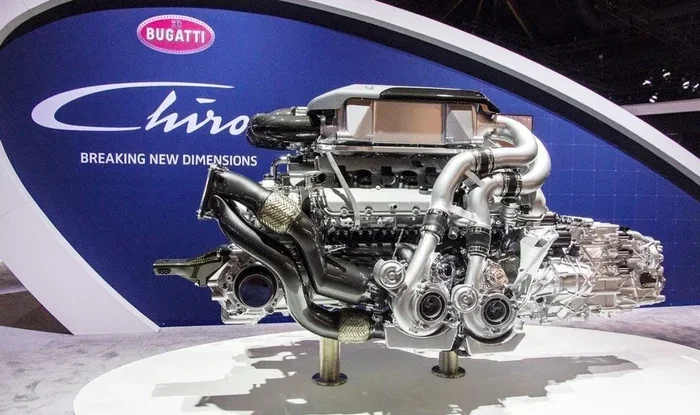
The Bugatti 8.0-liter quad-turbo engine is a W16 engine. That means it has 16 cylinders arranged in a unique W shape. Most cars you see on the road have four, six, or eight cylinders. Bugatti went a completely different route. They stacked two narrow-angle V8 engines on top of each other. The result is a W-shaped configuration that fits 16 cylinders into a single block.
This design is incredibly compact for what it delivers. The engine sits in the engine bay of a Bugatti Chiron or Veyron with room to spare for other components. The W16 layout allows for shorter crankshafts and reduced engine length. This helps with weight distribution. Better weight distribution means better handling at extreme speeds.
Only a handful of manufacturers have ever used a W16 configuration. Volkswagen Group owns the patent. Bugatti is the main brand that uses it in production cars. This exclusivity makes the engine even more special. When you see a Bugatti on the road, you are looking at one of the rarest engine layouts in the world.
How the Four Turbochargers Work Together
The “quad” in quad-turbo means four turbochargers. Each one feeds a specific bank of cylinders. This setup eliminates turbo lag. Turbo lag is that annoying delay when you press the gas pedal and the engine takes a moment to respond. With four turbochargers working together, the response is nearly instant.
Each turbocharger is smaller than what you would find on a single-turbo setup. Smaller turbos spin up faster. They reach full boost quicker. This means the engine delivers power smoothly across the entire rev range. You get strong acceleration from low RPMs all the way to the redline.
The four turbochargers also help manage heat. Each turbo handles a portion of the exhaust gases. This spreads the thermal load across multiple units. It is a smart engineering solution that keeps the engine running reliably even under extreme stress.
Raw Power Numbers: What the Engine Delivers
Horsepower and Torque Output
Let us talk numbers. The Bugatti 8.0-liter quad-turbo engine produces approximately 1,000 to 1,500 horsepower depending on the specific model and tune. The Bugatti Chiron Super Sport 300+ pushed beyond 1,500 horsepower. That is an insane amount of power for a road-legal car.
Torque is where this engine truly shines. It produces over 1,000 lb-ft of torque from the factory. Torque is the twisting force that pushes you back in your seat. With that much torque, the car launches like a rocket. Acceleration feels almost violent in the best possible way.
To put these numbers in perspective. A typical family sedan produces around 200 to 300 horsepower. The Bugatti engine produces three to five times that amount. The difference is not just a number on paper. You feel it in every single push of the accelerator pedal.
Acceleration and Top Speed Achievements
Bugatti has set numerous speed records with vehicles powered by this engine. The Chiron Super Sport 300+ became the first production car to break 300 mph. It reached 304.77 mph in 2019. That is faster than most aircraft take off at.
Acceleration is equally impressive. The Bugatti Chiron can go from 0 to 60 mph in about 2.4 seconds. It reaches 100 mph in roughly 6.5 seconds. These numbers place the car in a class of its own. Very few production cars can even come close.
These achievements are not just about raw power. They also depend on aerodynamics, tire technology, and transmission engineering. But the engine is the foundation. Without the incredible output of the 8.0-liter quad-turbo setup, none of these records would be possible.
Engineering Innovations Behind the Engine
Advanced Cooling Systems
Generating over 1,000 horsepower creates an enormous amount of heat. The Bugatti 8.0-liter quad-turbo engine uses advanced cooling systems to keep temperatures in check. There are multiple radiators, intercoolers, and oil coolers working together.
The intercoolers cool the compressed air coming from the turbochargers. Cooler air is denser air. Denser air means more oxygen enters the combustion chamber. More oxygen allows for more fuel to be burned. More fuel burned means more power. It is a continuous cycle that the cooling system supports.
Bugatti also uses a unique dry sump lubrication system. This keeps the engine oil stable during high-g force maneuvers and extreme speeds. Regular oil maintenance is still essential for owners. Checking your oil life percentage and changing oil at the right intervals keeps this precision machine running smoothly.
Fuel Injection and Combustion Technology
The engine uses direct fuel injection. Fuel is sprayed directly into each cylinder at extremely high pressure. This allows for precise fuel delivery and efficient combustion. Every drop of fuel is used effectively. This contributes to the engine’s remarkable power output.
The combustion chambers are designed for maximum efficiency. The shape and size of each chamber promote complete fuel burn. Less wasted fuel means more power and better fuel economy compared to older engine designs. Of course, “better fuel economy” is relative when you are talking about a 1,000+ horsepower hypercar.
The engine also features variable valve timing. This technology adjusts when the intake and exhaust valves open and close. It optimizes performance across different driving conditions. At low speeds, it prioritizes smooth delivery. At high speeds, it maximizes airflow and power.
Maintenance and Care for a Quad-Turbo Powerhouse
Oil Changes and Lubrication
Owning a Bugatti with this engine comes with serious maintenance responsibilities. The 8.0-liter quad-turbo engine requires high-quality synthetic oil. Standard oils simply cannot handle the extreme temperatures and pressures this engine operates under.
Oil changes should be performed at regular intervals. Many experts recommend changing the oil every 10,000 miles or less for track use. Monitoring your oil life percentage is critical. Do not wait for the dashboard warning to remind you. Stay ahead of maintenance schedules.
Using the wrong oil can cause serious damage. Always check your owner’s manual for the recommended oil specification. The right oil keeps all the internal components properly lubricated. It also helps manage the extreme heat that the four turbochargers generate.
Spark Plugs and Ignition System
With 16 cylinders, the engine uses 16 spark plugs. These spark plugs fire at incredibly precise intervals to ignite the fuel-air mixture. Over time, spark plugs wear out and lose their efficiency.
Most experts recommend replacing spark plugs at specific mileage intervals. Spark plugs going bad can cause rough idling, reduced power, and poor fuel economy. For a Bugatti engine that costs a small fortune to replace, staying on top of spark plug maintenance saves money in the long run.
The ignition coils that fire the spark plugs also need attention. A failing coil can cause misfires. Misfires put extra stress on the catalytic converter. And replacing a catalytic converter on a Bugatti can cost thousands of dollars. Prevention through regular inspection is always the better approach.
Air Filter Maintenance
The engine breathes in massive amounts of air. The air filter keeps dirt and debris from entering the combustion chambers. A clogged air filter restricts airflow. Reduced airflow means reduced performance.
Some owners wonder if they can clean their engine air filter instead of replacing it. For paper filters, replacement is usually the better option. Cleaning can damage the filter material and reduce its effectiveness. However, high-performance aftermarket filters can often be cleaned and re-oiled. Check what type of filter your specific model uses.
Keeping the air filter clean also protects the turbochargers. Dirty air entering the turbochargers can cause premature wear. The turbocharger blades spin at incredibly high speeds. Even small particles of dust can damage them over time.
Common Issues and What Owners Should Watch For
Engine Warning Lights and Diagnostics
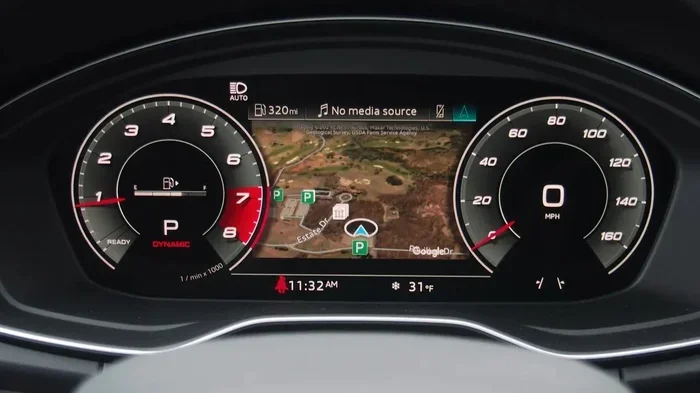
Even the most advanced engines can develop issues. When something goes wrong with the Bugatti 8.0-liter quad-turbo engine, warning lights appear on the dashboard. The check engine light is the most common indicator that something needs attention.
Many owners wonder if they can still drive their car when the check engine light is on. The answer depends on the severity of the issue. Minor problems like a loose gas cap might not be urgent. But more serious issues could indicate engine damage. If your car says engine malfunction, it is best to get it inspected immediately.
You can run basic diagnostics to understand what the warning light means. Services like Autozone check engine light reading can give you a starting point. However, for a Bugatti, always consult a certified technician. The complexity of the quad-turbo system requires specialized diagnostic equipment and expertise.
Engine Oil Monitoring
Low engine oil is a serious concern for any vehicle. But for a 1,000-horsepower quad-turbo engine, it can be catastrophic. Insufficient oil means increased friction. Increased friction means heat. Heat means potential engine damage.
Does low engine oil show on the dashboard? In most modern vehicles, yes. The oil pressure warning light illuminates when levels drop too low. However, do not wait for the warning light. Check your oil level regularly, especially before long trips. The Bugatti 8.0-liter quad-turbo engine consumes oil at a higher rate than standard engines. Keeping an eye on levels is part of responsible ownership.
How This Engine Compares to Other High-Performance Engines
The automotive world is full of impressive engines. But the Bugatti 8.0-liter quad-turbo engine stands in a class of its own. Let us compare it briefly to other legendary powerplants.
- Ferrari V12 (6.5L): Produces around 789 horsepower. Naturally aspirated and smooth. But it cannot match the quad-turbo’s raw output.
- Mercedes-AMG V8 (4.0L Twin-Turbo): Delivers up to 720 horsepower. A strong performer but significantly less displacement and fewer cylinders.
- Porsche 911 Flat-Six (4.0L): Produces around 502 horsepower. A naturally aspirated masterpiece. But the power gap compared to Bugatti is enormous.
- McLaren Speedtail V8 (4.0L Twin-Turbo): Makes about 1,035 horsepower. Close in output but uses a smaller engine with fewer cylinders.
The Bugatti engine wins on sheer displacement and cylinder count. The combination of 8.0 liters and four turbochargers creates a power delivery that is uniquely smooth and relentless. Other engines may match or exceed peak horsepower in specific tunes. But the Bugatti’s overall package of power, torque, and refinement is unmatched.
That said, each of these engines has its own charm. The Ferrari V12 sings with natural aspiration. The Porsche flat-six is a driver’s delight. But when it comes to absolute power and speed records, the Bugatti 8.0-liter quad-turbo engine remains the king.
The Legacy of the Quad-Turbo W16
The 8.0-liter quad-turbo engine represents more than just numbers. It represents a vision of what a car can be. Bugatti set out to build the fastest, most powerful production car in the world. The W16 engine made that vision a reality.
As the automotive industry moves toward electrification, naturally aspirated and turbocharged engines like this one will become rarer. Each Bugatti with the W16 engine is a piece of automotive history. These machines will be studied and admired for generations to come.
Proper maintenance ensures these engines continue to perform at their best for decades. From oil changes to spark plug replacements to air filter care, every step matters. The engine is a masterpiece. But even masterpieces need care and attention.
Conclusion
The Bugatti 8.0-liter quad-turbo engine achieves what most people thought was impossible. It delivers over 1,000 horsepower from a single production engine. It breaks speed records that seemed untouchable. It represents the absolute pinnacle of automotive engineering.
From the W16 configuration to the four turbochargers working in perfect harmony, every element of this engine is designed for one purpose. Maximum performance. And it delivers, every single time. Whether you are a car enthusiast or someone who simply appreciates incredible engineering, the story of this engine is worth knowing.
Owning a Bugatti is about more than just speed. It is about being part of a legacy. A legacy of innovation, precision, and uncompromising excellence. The 8.0-liter quad-turbo engine is at the core of that legacy. And it will continue to inspire car lovers around the world for many years to come.
Frequently Asked Questions
How much horsepower does the Bugatti 8.0-liter quad-turbo engine produce?
The engine produces between 1,000 and 1,500 horsepower depending on the specific model and tune. The most powerful versions, like the Chiron Super Sport 300+, exceed 1,500 horsepower. This makes it one of the most powerful production engines ever built.
Why does Bugatti use four turbochargers instead of two or one?
Four turbochargers reduce turbo lag and provide smoother power delivery. Each turbo handles a smaller portion of the exhaust gases, so they spin up faster. This setup allows the engine to maintain strong performance across the entire RPM range without any delay in power response.
How often should I change the oil in a Bugatti with this engine?
Most experts recommend oil changes every 10,000 miles for normal driving. For track use or extreme driving conditions, intervals should be shorter. Always monitor your oil life percentage and never wait for the warning light. Using the correct high-quality synthetic oil is essential for this engine.
Can I still drive my Bugatti if the check engine light is on?
It depends on the severity of the issue. Minor problems may not be urgent, but serious engine issues should be addressed immediately. Running diagnostics at a service center or through a trusted provider can help identify the problem. For a vehicle this complex, always consult a certified Bugatti technician.
What makes the W16 engine configuration different from a V12?
The W16 is essentially two narrow-angle V8 engines stacked on top of each other, forming a W shape. This allows 16 cylinders to fit in a shorter and more compact space than a traditional V12. The design also enables better weight distribution and a lower engine height, which benefits the car’s aerodynamics and handling.
Do Bugatti engines require special spark plugs, and how often should they be replaced?
Yes, Bugatti engines use specialized spark plugs designed for high-performance operation. Replacement intervals vary by model but typically fall between 30,000 and 60,000 miles. Regular inspection helps prevent issues like rough idling or power loss. Keeping spark plugs in good condition protects the entire engine system.