Is a Maserati a Good Investment for Car Enthusiasts
Is a Maserati a good investment? The short answer is: it depends on your goals and how you plan to own it. Maseratis offer stunning Italian design, powerful engines, and a luxury driving experience that few cars can match. However, they also come with steep depreciation, high maintenance costs, and expensive insurance. If you buy smart, maintain properly, and choose the right model, a Maserati can be a rewarding purchase for true car enthusiasts. This guide breaks down everything you need to know before taking the plunge.
There is something magnetic about a Maserati. The sleek Italian lines, the throaty exhaust note, the feeling that everyone on the road is looking at you. For car enthusiasts, the dream of owning one is powerful. But when the romance fades and you start looking at the numbers, a tough question emerges. Is a Maserati a good investment? The honest answer is more complicated than you might think.
A Maserati is not like buying a Toyota or even a standard luxury sedan. It is a statement. It is a piece of automotive art. But it is also a depreciating asset for most buyers. Understanding the full picture before you sign on the dotted line is essential. In this guide, we will walk through every angle of Maserati ownership, from depreciation to maintenance, from insurance to resale value. By the end, you will know exactly what you are getting into.
Key Takeaways
- Maseratis depreciate fast: Most models lose 40-60% of their value within five years, making them poor financial investments.
- Maintenance costs are high: Expect significantly more in upkeep compared to mainstream luxury brands like BMW or Mercedes.
- Some models hold value better: Limited editions and rare trims can appreciate or hold steady on the used market.
- Insurance and fuel add up: Maserati ownership involves higher-than-average insurance premiums and fuel costs.
- Enthusiast value matters: If driving pleasure and prestige outweigh financial return, a Maserati delivers in spades.
- Buy smart, maintain well: Purchasing a well-maintained used model and staying on top of service can reduce total cost of ownership.
📑 Table of Contents
What Makes a Maserati Special
Before diving into the investment side, it helps to understand why people fall in love with Maseratis in the first place. These cars are built with passion and heritage. The Italian brand has been crafting luxury sports cars since 1914. That history carries weight in the automotive world.
Maseratis stand out for several reasons. The design is unmistakable. The driving experience is visceral and engaging. And the brand prestige adds a layer of appeal that numbers alone cannot capture. Here are some key highlights:
- Italian craftsmanship: Interior materials are top-tier, with leather, carbon fiber, and aluminum throughout.
- Powerful engines: Maserati models come with robust powertrains that deliver thrilling acceleration and top-tier performance.
- Exclusive branding:Not many people on the road drive a Maserati. That exclusivity is part of the appeal.
- Heritage and racing pedigree: Maserati has a long history in motorsport, which adds to the brand mystique.
These qualities make Maseratis incredibly fun to own and drive. But fun does not always equal smart from a financial standpoint. Let us look at the numbers.
Maserati Depreciation: What to Expect
Depreciation is the biggest factor when evaluating any car as an investment. And for Maseratis, the depreciation curve is steep. Most luxury sports cars lose value rapidly in the first few years of ownership. Maseratis are no exception.
How Fast Do Maseratis Depreciate?
On average, a new Maserati loses about 40% of its value in the first year. By year five, total depreciation can reach 55-65%. Compare that to a Porsche, which tends to hold value better due to stronger brand demand and reliability reputation. Maseratis simply do not have the same resale demand in the broader market.
Several factors drive this rapid depreciation:
- High initial purchase price: Maseratis are expensive to begin with, which means the absolute dollar loss is large.
- Limited buyer pool: Fewer people are looking for used Maseratis compared to BMW or Mercedes models.
- Maintenance concerns: Buyers of used luxury cars worry about upcoming repair costs, which drives prices down.
- Model cycle updates: New models and refreshes make older ones feel outdated quickly.
The good news is that not all Maseratis depreciate at the same rate. Certain models and trims hold value better than others. We will cover that in detail later in this article.
The True Cost of Owning a Maserati
Buying a Maserati is one thing. Keeping one is another story entirely. The total cost of ownership goes far beyond the sticker price. If you are serious about whether this car is a good investment for you, you need to understand what ownership really costs.
Maintenance and Repairs
Maserati maintenance costs are among the highest in the luxury car segment. Parts are expensive, and not every shop can work on these Italian machines. Specialized dealers and certified technicians charge premium rates for service. When something breaks, the repair bill can be shocking.
For example, if you need a routine oil change or a more complex repair, costs can add up quickly. If you are wondering about servicing options, you might ask, can you get a Lexus oil change anywhere? The same question applies to Maseratis, but the answer is even more limited due to fewer certified service centers.
Here is a rough breakdown of annual maintenance costs:
- Oil changes: $300-$600 per service
- Brake pads and rotors: $800-$1,500 per set
- Tire replacements: $1,200-$2,500 for a full set
- Major services: $1,500-$3,000+ depending on the work needed
Over five years, maintenance alone can easily add $15,000-$25,000 to your total ownership cost. That is a serious consideration before buying.
Insurance Costs
Insurance for a Maserati is significantly higher than for most cars. Insurers view luxury sports cars as higher risk. The vehicles are expensive to repair, and the driver profile often includes younger or more aggressive drivers. Expect to pay $2,000-$5,000 or more per year in insurance premiums, depending on your location, driving record, and coverage level.
Fuel and Daily Driving
Maseratis are not known for fuel efficiency. Most models get between 12 and 18 miles per gallon in combined driving. If you commute daily or use the car regularly, fuel costs will add up. The performance-oriented engines burn premium fuel, which costs more at the pump. Over a year of regular driving, fuel expenses can easily exceed $3,000.
Diagnostic and Dealer Fees
When something goes wrong with your Maserati, taking it to the dealer for diagnostics can be costly. Many luxury dealerships charge a diagnostic fee just to look at the car, even if no repair is performed. Before visiting a dealer, it is worth understanding these potential costs. You can read more about how diagnostic fees work across the industry here to help you budget accordingly.
Maserati Models That Hold Value Best
Not all Maseratis are created equal when it comes to value retention. Some models depreciate faster than others, and certain trims or limited editions can actually hold their value surprisingly well. If you are considering a Maserati as a potential investment, choosing the right model matters a great deal.
Models With Better Resale Value
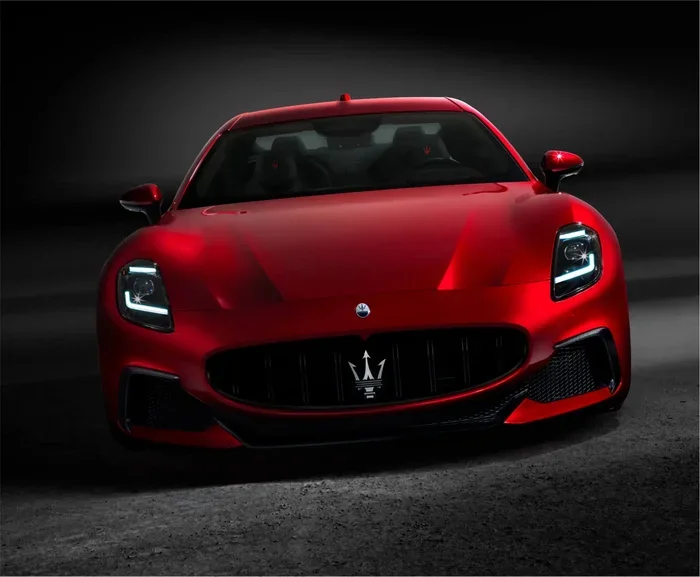
The Maserati GranTurismo has historically held value better than other models in the lineup. Its timeless design and GT-oriented driving experience appeal to a dedicated fan base. The Maserati MC20, as the brand’s flagship supercar, also benefits from exclusivity and strong brand excitement.
Limited edition models and special trims tend to perform better on the resale market. When supply is low and demand is steady, prices stabilize or even rise over time.
Models That Depreciate Quickly
On the other hand, some Maserati models lose value rapidly. The Maserati Ghibli and Quattroporte, while beautiful cars, face tough competition from German rivals like the BMW 5 Series and Mercedes-Benz E-Class. These competitors have stronger brand loyalty and better resale demand, which pushes Maserati models down in comparison.
Comparison Table: Maserati Models and Value Retention
| Model | 5-Year Depreciation | Resale Demand | Maintenance Cost |
|---|---|---|---|
| GranTurismo | 40-50% | Moderate-High | High |
| MC20 | 35-45% | Moderate | Very High |
| Ghibli | 50-60% | Low-Moderate | High |
| Quattroporte | 50-65% | Low | High |
| Levante | 45-55% | Low-Moderate | High |
As you can see, the GranTurismo and MC20 are your best bets if value retention matters. The Ghibli and Quattroporte, while excellent cars, are not going to hold their value as well.
Protecting Your Maserati Investment
If you do decide to buy a Maserati, you want to protect that investment as much as possible. Proper care and smart ownership habits can slow depreciation and keep the car in excellent condition for years to come.
Storage and Weather Protection
One of the simplest ways to protect your Maserati is proper storage. Extreme heat can damage the interior, dashboard, and paint over time. If you live in a hot climate, parking in a garage or using a sunshade is essential. The intense heat a car can reach sitting in direct sunlight is remarkable and can cause long-term damage to interior materials and electronics. You can learn more about how hot a car can get here and understand why protection matters so much for luxury vehicles.
Regular Maintenance Schedule
Staying on top of the maintenance schedule is critical. Maseratis require regular oil changes, brake inspections, tire rotations, and fluid flushes. Skipping services may save money short-term but can lead to much larger repair bills down the road. Always use genuine Maserati parts and certified technicians whenever possible.
Keep Records and Documentation
When it comes time to sell, buyers want proof of regular maintenance. A complete service history adds significant value to a used Maserati. Keep all receipts, invoices, and records organized. A well-documented maintenance history can be the difference between a quick sale and a car sitting on the lot for months.
Drive It, But Drive Smart
Maseratis are built to be driven. Sitting a car in a garage for years is actually worse for it than regular use. However, aggressive driving accelerates wear on components. Find a balance between enjoying the car and treating it with care. Smooth acceleration, gentle braking, and regular driving keep mechanical parts lubricated and in good working order.
- Always park in a garage or covered area when possible.
- Wash and wax the exterior regularly to protect the paint.
- Use a sunshade on the windshield when parked outdoors.
- Follow the maintenance schedule exactly as outlined in the owner’s manual.
- Drive the car at least once a week to keep fluids circulating and seals from drying out.
- Keep a detailed log of all services and repairs.
Common Mistakes Maserati Buyers Make
Many first-time Maserati buyers make mistakes that cost them thousands of dollars. Being aware of these pitfalls can save you a lot of headaches and money.
Buying New Without Negotiating
Maserati dealerships sometimes have room to negotiate, especially at the end of a model year or quarter. Walking in without attempting to negotiate is a missed opportunity. Even a small discount on a $100,000 car can save you thousands.
Ignoring the Total Cost of Ownership
Too many buyers focus only on the purchase price. They forget about insurance, maintenance, fuel, and repairs. Before buying, calculate the full five-year cost of ownership and make sure you are comfortable with that number.
Buying the Most Popular Model Without Research
Just because a model is popular does not mean it holds value well. Research depreciation rates for specific models before making a decision. The Ghibli might look stunning, but it depreciates faster than the GranTurismo.
Skipping Pre-Purchase Inspection
If you are buying a used Maserati, always get a pre-purchase inspection from a qualified technician. These cars have complex systems, and hidden issues can be expensive to fix. A thorough inspection can reveal problems before you commit to the purchase.
Expert Insights: What the Numbers Say
Industry analysts and automotive experts generally agree that Maseratis are not strong financial investments. The depreciation rate, high ownership costs, and limited resale market all work against them. However, experts also note that the driving experience and emotional value of a Maserati are real and meaningful for enthusiasts.
From a pure investment standpoint, experts suggest looking at collectible or limited-edition models. These have a better chance of appreciating or holding steady in value. Standard production models, on the other hand, are more likely to continue depreciating as they age.
If you are considering a Maserati as part of a broader collection of luxury or exotic vehicles, the calculus changes slightly. A well-maintained Maserati in a collection can retain its value better than one that sits alone as a daily driver.
Final Verdict: Is a Maserati a Good Investment?
So, is a Maserati a good investment? The answer depends entirely on what you mean by investment. If you are looking for a financial return, the answer is mostly no. Maseratis depreciate significantly, and the total cost of ownership is high. Very few Maserati models appreciate in value over time.
If, however, you define investment differently, the answer shifts. A Maserati is an investment in experience, in style, and in the pure joy of driving. It is an investment in a piece of automotive history that few people will ever own. For car enthusiasts who understand and accept the financial realities, a Maserati can be one of the most rewarding purchases of their lives.
The key is to buy smart. Choose a model with better value retention, maintain it meticulously, and drive it with passion. If you do those things, you will get the most out of your Maserati, both on the road and when it comes time to sell.
Before making your final decision, consider all the factors we have covered. Weigh the depreciation against the driving pleasure. Factor in maintenance, insurance, and fuel costs. And be honest with yourself about what you want from this car. A Maserati is not for everyone, but for the right buyer, it is absolutely worth every penny.
Do your research, take test drives, and talk to current Maserati owners. The more informed you are, the better your decision will be. And whether you ultimately buy one or not, understanding the true cost and value of a Maserati makes you a smarter car buyer overall.
Frequently Asked Questions
Can a Maserati be a good investment if I buy it used?
Buying a used Maserati can reduce the initial depreciation hit you would face as a new car owner. A three-to-five-year-old Maserati has already gone through the steepest part of its depreciation curve. However, you still face high maintenance and repair costs, so factor those into your decision carefully.
Which Maserati model has the best resale value?
The Maserati GranTurismo and the MC20 tend to hold their value better than other models in the lineup. Limited edition trims and special variants also perform better on the resale market due to their exclusivity and collector appeal.
How much does it cost to maintain a Maserati per year?
Annual maintenance costs for a Maserati typically range from $3,000 to $5,000 or more, depending on the model, age, and driving conditions. Major repairs can push costs significantly higher, so budgeting for unexpected expenses is important.
Is Maserati reliability improving in newer models?
Maserati has made strides in reliability with newer models, particularly with the introduction of more modern technology and improved manufacturing processes. However, they still lag behind German luxury competitors in long-term reliability ratings.
Should I buy a Maserati if I want a practical daily driver?
Maseratis are not ideal as practical daily drivers. They have limited cargo space, below-average fuel efficiency, and high running costs. If you need a practical vehicle for everyday use, a different type of car would serve you much better.
Can Maseratis appreciate in value over time?
Most Maserati models do not appreciate significantly. However, rare limited-edition models, special trims, and historically significant variants can appreciate over time, especially if they are well-maintained and have low mileage. These are the exceptions rather than the rule.
=== CONCLUSION ===
So, is a Maserati a good investment? The final answer comes down to how you define the word investment. Financially, Maseratis depreciate and cost a lot to own. But as an experience, a style statement, and a driver’s car, they are hard to beat. If you go in with open eyes, choose the right model, and commit to proper care, a Maserati can bring you years of driving joy. Just remember to budget for the full cost of ownership and enjoy every moment behind the wheel.