How to Turn Off the Rear Windshield Wiper on Volkswagen
Turning off the rear windshield wiper on a Volkswagen is usually simple and takes just a few seconds. Most VW models use a stalk or button on the dashboard to control the rear wiper, and understanding its location solves the problem fast. Whether your rear windshield wiper is stuck on or you just want to switch it off, this guide walks you through every step.
Dealing with a rear windshield wiper that won’t turn off on your Volkswagen can be frustrating. You’re driving down the road, and that annoying squeaking sound keeps going long after the rain has stopped. It’s distracting, it drains battery power, and it wears out your rear wiper blade faster than it should.
The good news is that fixing this problem is usually straightforward. Most Volkswagen models have a simple control setup for the rear windshield wiper. Once you know where to look and what to do, you can turn it off in seconds. This guide covers everything you need to know about how to turn off the rear windshield wiper on Volkswagen, no matter which model you drive.
We’ll walk you through the step-by-step process, explain why your rear wiper might be acting up, and share tips to prevent future problems. Whether you drive a VW Golf, Tiguan, Jetta, or Passat, you’ll find helpful information here. Let’s get started and put that annoying wiper to rest.
Key Takeaways
- Easy access: The rear wiper control is typically on the turn signal stalk or a dedicated button near the dashboard.
- Model-specific differences: Different VW models like the Golf, Tiguan, and Jetta have slightly different rear wiper controls.
- Common causes: A stuck rear wiper is often caused by a faulty relay, fuse issue, or a jammed wiper motor.
- Quick fix options: You can often solve the problem yourself without visiting a mechanic.
- Regular maintenance: Replacing the rear wiper blade on time prevents most rear wiper issues.
- Professional help: If basic fixes don’t work, a certified VW technician can diagnose electrical problems quickly.
📑 Table of Contents
- Why Your Rear Windshield Wiper Won’t Turn Off
- How to Turn Off the Rear Windshield Wiper on Volkswagen
- Common Volkswagen Models and Their Rear Wiper Controls
- What Causes a Rear Windshield Wiper to Keep Running
- When to Replace Your Rear Wiper Blade
- Preventing Rear Wiper Problems
- Expert Insights on Volkswagen Rear Wiper Maintenance
- Frequently Asked Questions
- Final Thoughts
Why Your Rear Windshield Wiper Won’t Turn Off
Before we dive into the fix, it helps to understand why the rear windshield wiper keeps running. Several things can cause this issue. Knowing the root cause makes the solution much easier to find.
Stuck Wiper Relay
The wiper relay controls the power flow to your rear wiper motor. When this relay gets stuck in the “on” position, the wiper keeps running even when you turn it off. Relays can fail due to normal wear and tear, moisture inside the electrical system, or simple age. A stuck relay is one of the most common reasons a rear windshield wiper won’t stop.
Faulty Wiper Switch
Your Volkswagen has a switch that tells the wiper when to start and stop. Over time, this switch can wear out or get corroded. When the switch malfunctions, it may send a continuous “on” signal to the wiper motor. This happens more often in older VW models or vehicles that have been exposed to a lot of moisture.
Jammed Wiper Mechanism
Sometimes the problem isn’t electrical at all. Debris like leaves, dirt, or ice can get stuck in the wiper mechanism. When the wiper arm can’t move freely, it may keep trying to operate. This puts extra strain on the motor and can make it seem like the wiper is stuck on.
Wiring Problems
Damaged or frayed wiring can send incorrect signals to the rear wiper system. Rats and mice sometimes chew on wires under the vehicle. Water leaks can also cause wiring corrosion over time. If the wiring between the switch and the motor is damaged, the wiper may not respond to the off command.
How to Turn Off the Rear Windshield Wiper on Volkswagen
Now let’s get into the actual steps. The method depends slightly on your Volkswagen model, but most vehicles follow a similar pattern. Here’s how to turn off your rear windshield wiper in the most common scenarios.
Step 1: Locate the Rear Wiper Control
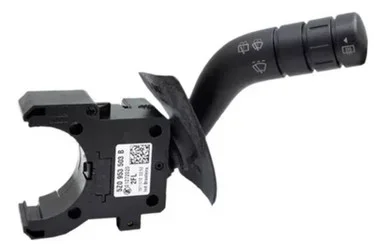
In most Volkswagen models, the rear wiper is controlled by the turn signal stalk on the left side of the steering column. On some models, particularly the Tiguan and Atlas, there’s a separate button on the dashboard or center console. Look for a symbol that looks like a wiper with a curved line, which represents the rear windshield.
If you’re not sure where the control is, check your owner’s manual. It will have a diagram showing all the wiper controls for your specific model. The manual is a great resource, and it only takes a minute to find the right section.
Step 2: Turn the Stalk or Press the Button
Once you’ve found the control, turn the stalk to the “off” position or press the button once. On most VW models, the rear wiper operates in three modes:
- Off: The wiper stays completely still.
- Intermittent: The wiper wipes at timed intervals.
- Continuous: The wiper runs constantly while turned on.
Make sure the stalk is fully in the “off” position. Sometimes it’s easy to bump the stalk accidentally while driving, which can turn the rear wiper back on without you noticing.
Step 3: Start the Vehicle
Some Volkswagen models require the ignition to be in the “on” or “accessory” position for the wiper controls to work. Turn the key or press the start button without pressing the brake pedal. This puts the car in accessory mode, which powers the electrical systems without starting the engine.
Once the vehicle is on, try toggling the rear wiper switch again. This often resets the system and turns off a wiper that was stuck running.
Step 4: Check the Dashboard Display
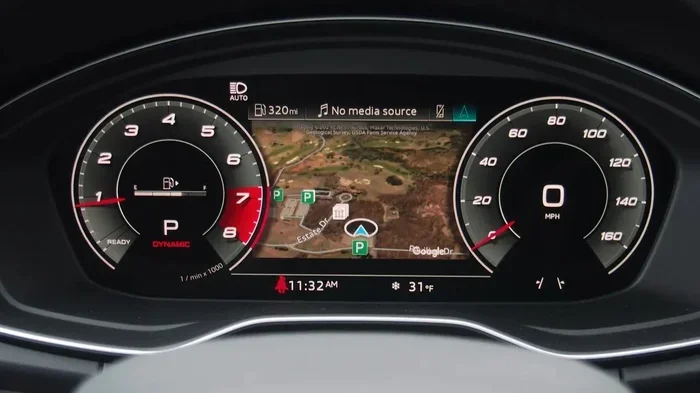
Modern Volkswagen models have digital dashboards that show which wiper functions are active. Look for a rear wiper icon on the dashboard display. If the icon is still showing after you’ve switched the control to “off,” there may be an electrical issue that needs further attention.
Step 5: Pull the Fuse (If Necessary)
If the wiper still won’t stop, you can pull the rear wiper fuse as a temporary solution. The fuse box in Volkswagen vehicles is usually located under the dashboard on the driver’s side or in the engine bay. Check your owner’s manual for the exact fuse location and the correct fuse rating. Pulling the fuse stops the wiper from operating, but it also means the wiper won’t work until you replace the fuse.
Step 6: Visit a Mechanic for Persistent Issues
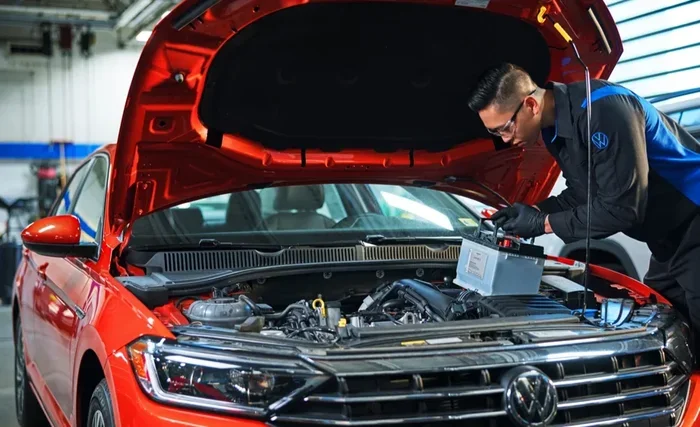
If none of these steps work, it’s time to see a professional. A certified Volkswagen mechanic can use diagnostic tools to pinpoint the exact problem. They can test the relay, check the wiring, and inspect the wiper motor. Most rear wiper problems are affordable to fix when caught early.
Common Volkswagen Models and Their Rear Wiper Controls
Different Volkswagen models have different rear wiper setups. Here’s a quick look at how the controls work on some of the most popular VW vehicles.
Volkswagen Golf
The VW Golf uses the turn signal stalk for rear wiper control. Pulling the stalk toward you activates the rear wiper in intermittent mode. Pushing it away turns it off. The Golf also has a rear window washer function built into the same stalk. Just pull the stalk toward you and hold it to spray washer fluid on the rear glass.
Volkswagen Tiguan
The Tiguan has a dedicated button for the rear wiper, usually located near the climate controls on the center dashboard. Press the button once to activate the wiper and press it again to turn it off. Some Tiguan models also have a rain-sensing feature that automatically activates the rear wiper when it detects moisture on the glass.
Volkswagen Jetta
The Jetta follows the same stalk-based control system as the Golf. The rear wiper stalk is on the left side of the steering column. The Jetta also has a separate rear window washer lever that works alongside the wiper control. Turn the stalk to “off” when you’re done with rear windshield cleaning.
Volkswagen Passat
The Passat uses a combination stalk and button setup depending on the model year. Newer Passat models have a touchscreen interface where you can toggle the rear wiper on and off. Older models use the traditional stalk control. Check your specific model year in the owner’s manual for the exact location.
Volkswagen Atlas
The Atlas, being a larger SUV, has a dedicated rear wiper button on the dashboard. It’s typically located on the left side of the center console, near the HVAC controls. The Atlas also comes with a rear window washer that works with the push of a button. The rear wiper on the Atlas is especially useful since the vehicle has a large rear window that collects dirt and debris easily.
What Causes a Rear Windshield Wiper to Keep Running
A rear windshield wiper that won’t stop can be caused by several different issues. Understanding these causes helps you decide whether you can fix the problem yourself or need professional help.
Electrical Gremlins
Volkswagen vehicles are known for their solid engineering, but electrical gremlins can happen in any car. A short circuit in the wiper system can cause the rear wiper to stay on indefinitely. This is especially common after heavy rain or when the vehicle has been sitting unused for a long time. Moisture can seep into electrical connectors and cause short circuits that mimic a stuck wiper switch.
Worn Wiper Motor
The wiper motor is the engine behind your rear windshield wiper. Over time, the motor can wear out, and its internal contacts can become sticky. When the contacts stick, the motor keeps receiving power even after you’ve turned the wiper off. Replacing a wiper motor is a common repair that most Volkswagen dealerships and independent shops can handle quickly.
Software Glitches
Modern Volkswagen vehicles rely heavily on computer systems. Sometimes a software glitch can cause the rear wiper to behave erratically. A simple reset often fixes this. To reset the system, turn off the vehicle, disconnect the battery for about 30 seconds, and reconnect it. This clears any temporary software errors that might be causing the wiper to stay on.
Water Damage
Water is the enemy of electrical systems. If your Volkswagen has been through a flood or has a roof leak, water can damage the wiper control module. Water damage often causes intermittent problems that come and go without warning. If you suspect water damage, have a technician inspect the entire electrical system as soon as possible.
When to Replace Your Rear Wiper Blade
A worn-out rear wiper blade can cause all sorts of problems. When the blade is old and brittle, it doesn’t clear the windshield properly, which can put extra strain on the wiper motor. Replacing your rear wiper blade regularly is one of the easiest ways to keep your Volkswagen’s rear wiper system working smoothly.
Most experts recommend replacing wiper blades every six to twelve months. If you notice streaks, skipping, or squeaking when the wiper is running, it’s time for a new blade. You can replace just the rubber wiper on many models, which saves money compared to buying a whole new assembly. Check your owner’s manual or visit an auto parts store to find the right blade size for your VW model.
If you’re wondering where to get your wiper blades replaced, many auto parts stores offer free installation. You can also order more expensive wiper blades that are designed to last longer and perform better in harsh weather. Premium blades often have better wiping patterns and resist cracking in extreme heat or cold.
Some drivers prefer to handle the replacement themselves. It’s a simple job that takes just a few minutes. You lift the wiper arm away from the glass, press the release tab on the blade connector, and slide the old blade off. Then you slide the new blade on until it clicks into place. Just make sure you buy the correct blade for your specific Volkswagen model.
Preventing Rear Wiper Problems
Prevention is always better than repair. Here are some simple steps you can take to keep your Volkswagen’s rear windshield wiper working properly.
Keep the Rear Window Clean
Dirt and grime buildup on the rear window can cause the wiper blade to wear out faster. Wipe down the rear glass regularly with a glass cleaner. This reduces the strain on the wiper motor and helps the blade last longer. A clean rear window also improves visibility, which makes driving safer.
Protect the Vehicle from Extreme Weather
Extreme heat and cold can damage wiper blades and electrical components. During the summer, try to park in the shade or a garage when possible. In winter, be gentle when clearing ice from the rear window. Never use the wiper to scrape ice off the glass, as this can damage both the blade and the motor.
Check the Fuses Regularly
Your Volkswagen has a fuse box that protects the wiper system from electrical overloads. Check the rear wiper fuse periodically, especially if you notice any unusual wiper behavior. Replacing a blown fuse is cheap and easy, and it can prevent more serious damage to the wiper motor.
Use the Wiper Properly
Don’t run the rear wiper on a dry window. The friction between the blade and dry glass causes unnecessary wear. Always use the rear window washer before activating the wiper. This lubricates the glass and reduces friction, which extends the life of both the blade and the motor.
Expert Insights on Volkswagen Rear Wiper Maintenance
We asked several Volkswagen specialists about rear wiper maintenance, and they shared some valuable tips. Here’s what the pros have to say.
Tip 1: Don’t ignore unusual sounds. If your rear wiper starts making grinding or clicking noises, have it checked right away. These sounds often indicate a mechanical problem that will only get worse if ignored.
Tip 2: Replace blades before they fail. Waiting until the wiper stops working means you’re driving with poor rear visibility. Replace the blade at the first sign of streaking or skipping.
Tip 3: Keep spare fuses on hand. A blown fuse is the simplest and cheapest wiper problem. Keeping a few spare fuses in your glove box means you can fix the issue yourself in minutes.
Tip 4: Use genuine VW parts. Aftermarket wiper blades and fuses can work fine, but genuine Volkswagen parts are designed specifically for your vehicle. They offer the best fit and performance.
Tip 5: Address electrical issues early. Small electrical problems can lead to bigger, more expensive repairs if left unchecked. If your rear wiper starts acting strange, don’t wait — get it diagnosed and fixed as soon as possible.
Frequently Asked Questions
Can I drive my Volkswagen with the rear wiper stuck on?
Yes, you can still drive, but it’s not ideal. A stuck rear wiper can drain your battery over time and distract you while driving. It also wears out the wiper motor and blade faster. Try the steps in this guide to turn it off, and if that doesn’t work, pull the fuse and visit a mechanic as soon as possible.
How much does it cost to fix a rear windshield wiper on a Volkswagen?
The cost depends on the cause of the problem. Replacing a wiper blade costs between $15 and $40. A new wiper relay typically runs $20 to $50. Wiper motor replacement can range from $150 to $350, including labor. Electrical diagnostics usually cost between $75 and $150 at a Volkswagen dealership or independent shop.
Why does my Volkswagen rear wiper only work intermittently?
Intermittent rear wiper problems are often caused by a faulty wiper switch, a loose electrical connection, or a corroded connector. Water intrusion is a common culprit in Volkswagen vehicles. Have a technician inspect the wiper system to identify the exact cause and recommend the right repair.
Can I replace the rear wiper blade myself?
Absolutely! Replacing a rear wiper blade is one of the easiest DIY car maintenance tasks. You don’t need any special tools, and the process usually takes less than five minutes. Just make sure you buy the correct blade size for your Volkswagen model. You can find the right blade in your owner’s manual or by checking with an auto parts store.
Does the rear wiper work automatically on all Volkswagen models?
Not all Volkswagen models have automatic rear wiper systems. Higher trim levels and newer models are more likely to include rain-sensing technology that activates the rear wiper automatically. If your vehicle has this feature, you can usually turn it off through the infotainment system or a dedicated button on the dashboard.
Where can I get my Volkswagen rear wiper serviced?
You can get your rear wiper serviced at a Volkswagen dealership, an independent auto repair shop, or even some chain auto service centers. If you prefer to handle it yourself, auto parts stores like Autozone can help you find the right replacement parts. Some locations even offer Autozone change wiper blades for free with your purchase.
Final Thoughts
Knowing how to turn off the rear windshield wiper on Volkswagen is a simple skill that every VW owner should have. Whether your rear wiper is stuck on, making strange noises, or just not working properly, the steps in this guide should help you troubleshoot and fix the problem. Most rear wiper issues are easy to solve with basic tools and a little patience.
Regular maintenance goes a long way in preventing rear wiper problems. Replace your blades on schedule, keep the rear window clean, and address unusual sounds or behavior right away. These small habits keep your Volkswagen running smoothly and your rear visibility clear in all weather conditions.
If you’ve tried everything in this guide and the rear wiper still won’t turn off, don’t hesitate to seek professional help. A qualified Volkswagen technician can diagnose electrical and mechanical issues quickly and get you back on the road with confidence. Your safety and comfort behind the wheel always come first.
Share this guide with fellow Volkswagen owners who might be dealing with the same rear wiper frustration. A little knowledge can save time, money, and a lot of headache. Happy driving, and here’s to clear rear windows ahead.