How to Turn Off Traction Control on Volkswagen Passat
Turning off traction control on a Volkswagen Passat is a simple process that involves locating the traction control button on the dashboard or center console, pressing and holding it until the warning light appears, and confirming the system is disabled. This guide covers everything you need to know about when and why you might want to disable this safety feature, how to do it correctly, and what the dashboard indicators mean.
Driving a Volkswagen Passat comes with a range of advanced safety features designed to keep you in control. One of these features is the traction control system, which helps prevent your wheels from slipping on wet or icy surfaces. But there are times when you might need to turn this system off. Whether you are stuck in snow, navigating muddy terrain, or just trying to understand your vehicle better, knowing how to manage your traction control settings is an essential skill for every Passat owner.
This guide walks you through everything you need to know about disabling traction control on your Volkswagen Passat. We will cover where to find the button, what the dashboard lights mean, when it is safe to turn the system off, and common mistakes to avoid. By the end, you will feel confident handling your Passat’s traction control like a pro.
The traction control system in the Volkswagen Passat works alongside other safety features like the anti-lock braking system and electronic stability control. Together, these systems help keep your vehicle stable and your tires gripping the road. But sometimes, having traction control active can actually work against you, especially in certain driving conditions. Understanding how and when to turn it off gives you more control over your driving experience.
Key Takeaways
- Easy Button Location: The traction control button on the Volkswagen Passat is typically found on the dashboard or center console, near the climate controls or steering column.
- Simple Process: Press and hold the button for a few seconds until the traction control warning light appears on your dashboard.
- Know When to Disable: Turning off traction control can be helpful when driving in deep snow, mud, or sand where wheel spin helps you gain traction.
- Dashboard Indicators Matter: Understanding what each warning light means helps you drive safely and avoid costly repairs.
- Safety First: Always re-enable traction control when driving on normal roads to maintain optimal vehicle stability and control.
📑 Table of Contents
- Understanding Traction Control on the Volkswagen Passat
- When You Might Want to Turn Off Traction Control
- Step-by-Step Guide to Turning Off Traction Control
- Understanding Dashboard Indicators
- Common Mistakes When Disabling Traction Control
- Expert Tips for Safe Driving Without Traction Control
- When to Seek Professional Help
- Conclusion
Understanding Traction Control on the Volkswagen Passat
What Is Traction Control?
Traction control is a safety feature that prevents your wheels from spinning too fast when you accelerate. When one or more wheels lose grip on the road surface, the system automatically reduces engine power or applies the brakes to that wheel. This helps you maintain control, especially on slippery surfaces like ice, rain-soaked roads, or loose gravel.
On the Volkswagen Passat, the traction control system is part of a larger network of electronic stability features. It works closely with the ABS system and the electronic stability control module to keep your car tracking straight and stable. Most modern Passat models come with this system enabled by default, and it stays active until you manually turn it off or until the system detects a fault.
How the Traction Control System Works
The system relies on sensors at each wheel to monitor their speed. If the computer detects that one wheel is spinning faster than the others, it takes action. It may reduce fuel delivery to the engine, apply the brakes to the spinning wheel, or both. This happens in a fraction of a second, often before you even notice the slip.
Here is a simple breakdown of how the system operates:
- Wheel Speed Sensors: These monitor how fast each wheel is spinning.
- Control Module: The computer processes data from the sensors and decides when to intervene.
- Engine Response: The system reduces power or applies brakes to the slipping wheel.
- Dashboard Indicator: A warning light lets you know the system is active or has been turned off.
Understanding how this system works helps you appreciate why it is so useful on normal roads. But it also helps you understand why you might want to turn it off in certain situations. For example, if your car is stuck in deep snow, the traction control might keep cutting engine power, preventing you from rocking the car free. In that case, turning off the system allows the wheels to spin freely and helps you get unstuck.
When You Might Want to Turn Off Traction Control
While traction control is a valuable safety feature, there are specific situations where disabling it makes sense. Knowing when to turn it off can help you avoid getting stuck and give you better control in challenging driving conditions.
Driving in Deep Snow or Ice
If your Volkswagen Passat is stuck in deep snow, traction control can actually make things worse. The system will detect wheel spin and cut power, which prevents the wheels from digging through the snow. By turning off traction control, you allow the wheels to spin freely, which can help you build momentum and push through the snow.
Similarly, when driving on icy roads, some drivers prefer to have more manual control over wheel spin. This is especially true when navigating steep hills or tight corners where a little controlled wheel slip can actually help you maintain direction.
Getting Unstuck in Mud or Sand
Mud and sand present unique challenges. These surfaces require continuous wheel movement to stay afloat and keep moving. Traction control can work against you here by constantly braking spinning wheels, which slows your momentum and can leave you stuck.
Turning off traction control in these situations lets the wheels keep spinning, which helps the tires float on top of the surface rather than digging in. This is a common technique used by off-road drivers and anyone who regularly navigates unpaved or loose terrain.
Performance Driving and Track Use
If you enjoy spirited driving or occasional track days, you might want to turn off traction control to allow for more aggressive acceleration. On a track with good grip, you can control wheel spin manually through throttle modulation. This gives you a more engaging driving experience and allows you to carry more speed through corners.
However, always remember that track driving should only happen in safe, controlled environments away from public roads.
Step-by-Step Guide to Turning Off Traction Control
Now that you understand when and why to disable traction control, let us walk through the exact steps. The process is straightforward on most Volkswagen Passat models, but the exact location of the button can vary slightly depending on your model year and trim level.
Locate the Traction Control Button
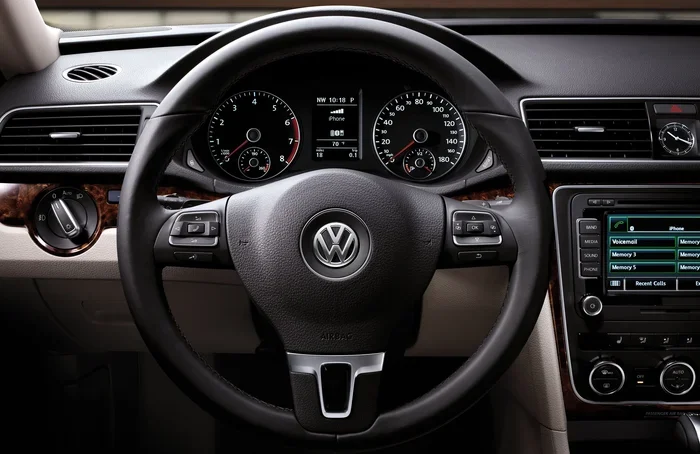
On most Volkswagen Passat models, the traction control button is located on the left side of the dashboard, near the steering column. It may also be found on the center console, depending on your specific model year. The button typically has an icon that looks like a car with wavy lines behind it, representing the traction control system.
Some Passat models may have this button integrated into the drive mode selector if your vehicle comes with multiple driving modes. In that case, you may need to switch to a specific driving mode that disables traction control rather than pressing a dedicated button.
Press and Hold the Button
Once you find the button, press and hold it for about two to three seconds. You should see the traction control warning light illuminate on your dashboard. This light confirms that the system has been deactivated.
Here is what to do step by step:
- Sit in the driver’s seat and start the engine.
- Locate the traction control button on the dashboard or center console.
- Press and hold the button for two to three seconds.
- Look at the dashboard for the traction control warning light.
- Confirm the light is on, indicating the system is off.
Confirm the System Is Off
After pressing the button, the traction control warning light should appear on your instrument cluster. This light usually looks like a car with squiggly lines beneath it or a similar icon specific to your Passat model. If the light does not appear, try pressing and holding the button again for a longer duration.
When the system is off, you will notice that the car feels different during acceleration. The wheels are free to spin without intervention, which gives you more control in the specific situations we discussed earlier. Always remember to turn the system back on when you return to normal driving conditions.
Understanding Dashboard Indicators
The dashboard lights on your Volkswagen Passat communicate important information about your vehicle’s systems. Understanding what each light means helps you drive safely and respond appropriately to any issues.
What the Traction Control Warning Light Looks Like
The traction control warning light typically appears as a car icon with wavy or squiggly lines beneath the tires. When this light is illuminated, it means the traction control system is either turned off or has detected a fault. The light may be yellow or amber when the system is manually disabled, and it may flash or change color if a malfunction is detected.
If the light stays on even after you have turned the system back on, it could indicate a problem with the traction control module or one of the wheel speed sensors. In that case, it is a good idea to have the system checked by a professional. Sometimes issues with the traction control system can be related to other problems, such as low engine oil or electrical faults, so it is worth investigating further.
Other Dashboard Lights to Watch For
Your Passat dashboard has many lights, and it is important to know the difference between routine indicators and warning signs. For example, if you notice a low oil pressure light, that is a completely different issue from traction control. Understanding your dashboard helps you respond quickly and appropriately to any situation you encounter on the road.
Similarly, if you ever notice your car not starting but the battery is fine, the issue could be related to a different electrical system altogether. The traction control system relies on sensors and modules that are independent of the starting system, so a traction control light should not be confused with starting problems.
Common Mistakes When Disabling Traction Control
While turning off traction control is a simple process, there are some common mistakes that Passat owners make. Avoiding these errors keeps you safe and prevents unnecessary wear on your vehicle.
Forgetting to Turn It Back On
The most common mistake is forgetting to re-enable traction control after you have driven through the challenging conditions that required disabling it. Driving on wet highways or rainy roads without traction control increases your risk of losing control. Make it a habit to check your dashboard lights and turn the system back on as soon as road conditions improve.
Confusing Traction Control with Other Systems
Some drivers confuse the traction control button with the stability control button or the hill descent assist button. While these systems are related, they serve different purposes. The traction control button specifically manages wheel spin during acceleration, while stability control helps keep the car on its intended path during turns and evasive maneuvers.
Always refer to your Passat’s owner manual to confirm which button does what. The manual also provides model-specific instructions that can save you time and confusion.
Disabling Traction Control on High-Speed Highways
Another mistake is turning off traction control while driving at highway speeds or in poor weather conditions. Traction control is designed to help you maintain control in exactly these situations. Disabling it on a wet interstate or during heavy rain significantly increases your risk of accidents.
Only turn off traction control when you are in a safe, low-speed environment where you need wheel spin to get unstuck or navigate a specific terrain.
Expert Tips for Safe Driving Without Traction Control
If you do turn off traction control, there are several tips that can help you drive safely and effectively until you turn the system back on.
Drive at Lower Speeds: Without traction control, your wheels can spin more easily, especially on slippery surfaces. Reduce your speed to maintain better control and give yourself more time to react to changing road conditions.
Use Gentle Throttle Inputs: Abrupt acceleration causes wheel spin. Apply the gas pedal smoothly and gradually to maintain grip and avoid fishtailing.
Increase Following Distance: Without traction control, your stopping distance may increase on slippery roads. Leave more space between you and the vehicle ahead to account for this.
Be Aware of Road Surfaces: Different surfaces react differently without traction control. Ice, wet leaves, and gravel all become more challenging to navigate. Adjust your driving style to match the surface conditions.
Check Your Tires: Proper tire tread and pressure make a big difference when traction control is off. Worn tires lose grip faster, so make sure your tires are in good condition before driving in challenging conditions.
Re-enable the System When Done: Once you have navigated the difficult section of road, turn traction control back on immediately. The system is there to protect you, and it works best when it is active.
When to Seek Professional Help
There are times when traction control issues go beyond simply pressing a button. If your traction control light stays on even after you have tried to turn the system on and off, it could signal a deeper problem. Common causes include faulty wheel speed sensors, a malfunctioning control module, or wiring issues.
Here are some signs that you should see a professional:
- The traction control light stays on constantly.
- The ABS light also comes on at the same time.
- You notice unusual behavior during braking or acceleration.
- The system turns off and on randomly while driving.
- You hear clicking or grinding noises from the wheel area.
Ignoring these warning signs can lead to more serious problems over time. A qualified mechanic can diagnose the issue using specialized tools and get your traction control system working properly again. Sometimes the problem is as simple as a dirty sensor or a loose connection, but only a professional can confirm this with certainty.
It is also worth noting that some electrical issues in your Passat can affect multiple systems at once. If you are experiencing problems with your car not starting or other electrical gremlins, the root cause might be related to the same electrical system that controls your traction control features.
Conclusion
Knowing how to turn off traction control on your Volkswagen Passat is a valuable skill that gives you more flexibility behind the wheel. Whether you are navigating deep snow, trying to get unstuck in mud, or simply exploring your vehicle’s features, understanding this process helps you drive with confidence. The key is to use this knowledge responsibly and always re-enable the system when normal driving conditions return.
Remember that traction control exists to keep you safe. It is a sophisticated system that works hard to maintain your vehicle’s stability in real time. Turning it off is not about disabling safety permanently; it is about adapting to specific situations where a little wheel spin works in your favor.
Take the time to familiarize yourself with your Passat’s dashboard indicators and button locations. Practice the steps in a safe environment so you feel comfortable when you actually need to use them. With the knowledge from this guide, you are well equipped to handle your Volkswagen Passat’s traction control system with confidence and ease.
Frequently Asked Questions
Can I drive with traction control off on the highway?
It is not recommended to drive with traction control off on the highway. The system helps maintain stability on wet and slippery surfaces, and disabling it increases your risk of losing control. Always re-enable traction control before driving on highways or in adverse weather conditions.
What does the traction control warning light mean on a Volkswagen Passat?
The traction control warning light on a Volkswagen Passat indicates that the system is either turned off manually or has detected a fault. If the light stays on after you turn the system back on, it could signal a problem with the sensors or control module that needs professional diagnosis.
Will turning off traction control damage my Volkswagen Passat?
No, turning off traction control will not damage your vehicle. It simply disables the system that intervenes during wheel slip. However, driving without traction control on slippery surfaces requires more careful driving to avoid accidents or tire wear.
Where is the traction control button located on a 2015 Volkswagen Passat?
On a 2015 Volkswagen Passat, the traction control button is typically located on the left side of the dashboard, near the steering column controls. It may also be found on the center console depending on the trim level. Look for the icon showing a car with wavy lines beneath the tires.
Can a faulty wheel speed sensor cause the traction control light to stay on?
Yes, a faulty wheel speed sensor is one of the most common reasons the traction control light stays illuminated. The sensor provides data to the control module, and if it fails, the system cannot function properly. A mechanic can test and replace the sensor to resolve the issue.
Is it safe to drive my Volkswagen Passat in snow with traction control off?
It can be safe to drive in snow with traction control off if you do so carefully and at low speeds. Turning off the system allows the wheels to spin, which can help you gain traction in deep snow. However, you should always drive cautiously, reduce your speed, and turn traction control back on once road conditions improve.
=== CONCLUSION ===
Turning off traction control on your Volkswagen Passat is a simple but important skill that every Passat owner should know. Whether you are dealing with deep snow, muddy trails, or just exploring your vehicle’s capabilities, understanding how to manage this system gives you greater control over your driving experience. Always remember to turn the system back on when conditions normalize, and never hesitate to consult your owner manual or a professional if you notice persistent warning lights or unusual behavior from your vehicle.