How Bugatti Balances Speed and Control Like No Other
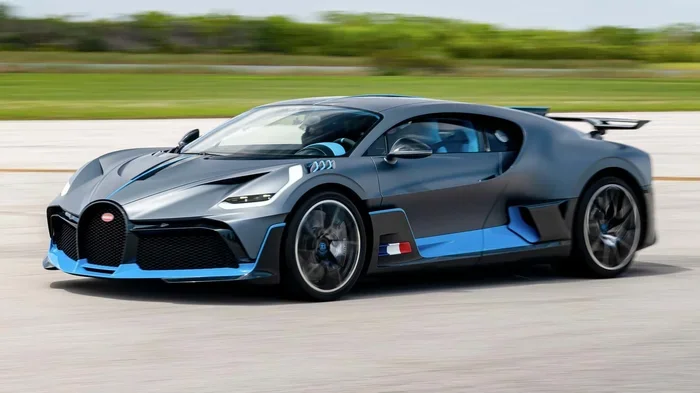
Bugatti has mastered the art of combining extreme speed with total control like no other automaker. The company uses advanced aerodynamics, quad-turbo engines, and smart technology to keep its cars stable at mind-blowing velocities. Whether it is the Chiron or the Bolide, every Bugatti is built to go fast while staying safe and predictable. In this guide, we break down exactly how Bugatti balances speed and control through world-class engineering.
When you think about the fastest cars on Earth, Bugatti almost always comes to mind. The French luxury automaker has built a reputation for creating machines that can go absurdly fast without losing stability or driver confidence. But how does Bugatti balance speed and control so effectively? The answer lies in decades of relentless engineering, cutting-edge materials, and smart electronic systems that work together in perfect harmony.
Understanding how Bugatti achieves this balance gives us a window into the future of automotive performance. Every system in a Bugatti car, from the engine to the tires, is designed with one goal in mind: go as fast as possible while keeping the driver completely in command. This philosophy has made Bugatti the gold standard in the supercar world.
In this article, we will explore every major system and technology that allows Bugatti to deliver unmatched speed with total control. Whether you are a car enthusiast or just curious about what makes these machines tick, you will find plenty of fascinating insights here.
Key Takeaways
- Active aerodynamics keep Bugatti cars glued to the road at high speeds by adjusting downforce automatically.
- Quad-turbo W16 engines deliver massive horsepower while advanced electronics manage power delivery for smooth control.
- Carbon ceramic brakes and innovative tire technology give Bugatti drivers confidence when stopping from extreme velocities.
- Torque vectoring and all-wheel drive systems distribute power intelligently to maintain stability during acceleration and cornering.
- Thermal management plays a huge role in keeping engines and brakes cool during intense driving sessions.
- Every Bugatti model represents years of research in vehicle dynamics and performance engineering.
- Bugatti’s approach to balancing speed and control sets the standard that all supercar manufacturers try to match.
📑 Table of Contents
- What Makes Bugatti Speed So Special
- The Engineering Behind Bugatti Speed and Control
- Aerodynamics: Shaping the Air Around Bugatti
- The Powertrain: Where Power Meets Precision
- Braking and Tire Technology
- How Bugatti Stays in Control at Extreme Speeds
- The Science Behind Bugatti’s Balance
- Key Takeaways
- Conclusion
What Makes Bugatti Speed So Special
Bugatti has always pushed the boundaries of what a production car can do. The company’s commitment to speed is not just about raw power. It is about creating a complete driving experience where velocity and precision coexist beautifully. Let us look at what sets Bugatti apart from other hypercar manufacturers.
The Legacy of Speed
Bugatti has a long history of building some of the fastest cars ever made. From the legendary Veyron to the modern Chiron, each generation has broken records and redefined what is possible. The company understands that speed means nothing if you cannot control it. This simple truth drives every decision Bugatti makes during the design and engineering process.
When people ask how fast can a car go, Bugatti always has an answer that surprises even seasoned enthusiasts. But the real magic happens when that incredible speed is paired with the kind of control that makes drivers feel safe and confident behind the wheel.
Speed Without Sacrifice
Many car makers focus on top speed numbers alone. Bugatti takes a different approach. The company believes that true performance comes from the balance between acceleration, handling, braking, and stability. This holistic view means that every Bugatti car feels composed whether you are cruising at 60 miles per hour or pushing past 200 miles per hour.
This philosophy is what separates Bugatti from brands that simply install a big engine in a lightweight chassis and hope for the best. Bugatti engineers every single component to work as part of a unified system. The result is a car that feels natural and predictable even under extreme conditions.
The Engineering Behind Bugatti Speed and Control
At the heart of every Bugatti is a philosophy of precision engineering. The company does not just throw parts together and hope they work. Every component is designed, tested, and refined until it contributes perfectly to the overall balance of the vehicle. Let us break down the key engineering principles that make this possible.
Power Delivery Systems
Bugatti uses advanced power delivery systems that manage how engine power reaches the wheels. This is critical for maintaining control. A car with 1,000 horsepower can easily spin its wheels and lose traction if the power is not delivered carefully. Bugatti solves this problem through sophisticated transmission technology and electronic control units that monitor grip levels in real time.
The all-wheel-drive system in Bugatti cars plays a starring role here. By distributing power between the front and rear wheels, the car maintains traction even when accelerating hard out of corners. This system works so seamlessly that drivers often do not even notice it engaging. It just keeps the car planted and stable.
Vehicle Dynamics Management
Bugatti uses a vehicle dynamics management system that acts like an invisible co-pilot. This computer system constantly monitors dozens of sensors to understand what the car is doing at any given moment. It adjusts things like throttle response, braking force, and power distribution to keep the car stable and predictable.
Think of it this way. When you push a Bugatti hard through a tight turn, the system is working behind the scenes to ensure that the car stays exactly where you want it to go. It adjusts the power to each wheel individually, helps the brakes work more effectively, and keeps the car balanced. This level of control is what makes Bugatti cars feel so special at high speeds.
Aerodynamics: Shaping the Air Around Bugatti
Air is a powerful force. At high speeds, the air pushing against a car can create lift, drag, and instability. Bugatti has invested heavily in aerodynamics to turn these challenges into advantages. The way Bugatti shapes its cars allows them to slice through the air while staying firmly pressed to the road.
Active Aerodynamic Systems
Bugatti uses active aerodynamics, which means the car can change its shape while driving to adapt to different speeds and conditions. For example, spoilers and air vents can adjust automatically to increase downforce when the car is going fast. Downforce is the force that pushes the car down toward the road, keeping the tires grip firmly on the surface.
At lower speeds, the aerodynamic elements might retract to reduce drag and improve efficiency. This dynamic approach means that the car is always optimized for the current driving conditions. It is one of the most impressive examples of how Bugatti balances speed and control through intelligent design.
The Role of Downforce
Downforce is essential for any car that wants to go very fast. Without it, the air flowing over the car at high speeds can actually lift the vehicle off the ground. This is extremely dangerous and makes the car nearly impossible to control. Bugatti solves this problem with carefully designed body shapes, underbody channels, and rear spoilers that generate significant downforce.
The result is that Bugatti cars feel incredibly stable even at speeds that would make most other cars feel nervous. The aerodynamic engineering ensures that the tires maintain constant contact with the road surface, giving the driver full control over the vehicle. This is why Bugatti can claim top speeds that rival many dedicated race cars while still being a road-legal production vehicle.
The Powertrain: Where Power Meets Precision
The engine is the heart of any Bugatti, and the company has always been known for its powerful and refined powerplants. The current flagship engine is the quad-turbo W16, a massive 8.0-liter engine that produces over 1,000 horsepower. But raw power alone does not make a great car. Bugatti pairs this enormous engine with systems that ensure every bit of power is used effectively and safely.
The Quad-Turbo W16 Engine
The quad-turbo W16 engine is an engineering marvel. It uses four turbochargers to force massive amounts of air into the engine, allowing it to produce incredible power across a wide range of speeds. The W16 configuration, which essentially combines two V8 engines into one, provides smooth power delivery and excellent balance.
Bugatti engineers have tuned this engine to deliver power progressively rather than all at once. This means that as you press the accelerator, the power builds smoothly and predictably. You never get sudden surges that could throw the car off balance. This careful management of power delivery is a key part of how Bugatti balances speed and control.
Transmission and Drivetrain
The transmission in a Bugatti plays a crucial role in managing the incredible power from the engine. Bugatti uses a dual-clutch automatic transmission that shifts gears in fractions of a second. This rapid shifting ensures that power is always being delivered efficiently without any interruption in acceleration.
The all-wheel-drive system works hand in hand with the transmission to ensure that power reaches the road effectively. By constantly monitoring traction and adjusting the distribution of power between the front and rear axles, the drivetrain keeps the car stable under all driving conditions. This is especially important during hard acceleration, where the rear wheels can easily lose grip.
For those interested in learning more about how different vehicles manage speed transitions, you might find it interesting to explore when the Prius switches to gas to understand how different powertrains handle speed changes.
Braking and Tire Technology
Going fast is only half the equation. Being able to stop safely and maintain grip through corners is equally important. Bugatti has developed some of the most advanced braking and tire systems in the automotive world. These systems are essential for maintaining control at extreme speeds.
Carbon Ceramic Brakes
Bugatti uses carbon ceramic brakes on all of its models. These brakes are incredibly strong and can handle extreme temperatures without fading. When you brake hard from high speeds, conventional brakes can overheat and lose effectiveness. Carbon ceramic brakes maintain their stopping power even under the most demanding conditions.
The braking system is designed to bring a Bugatti from top speed to a complete stop in a remarkably short distance. This capability gives drivers confidence because they know the car can stop quickly and safely whenever needed. The brakes also feature advanced electronic systems that distribute braking force between the wheels to maintain stability during emergency stops.
Custom Tire Technology
Bugatti works closely with tire manufacturers to develop custom tires that are specifically designed for its cars. These tires are built to handle the incredible speeds and forces that a Bugatti generates. They feature special rubber compounds and tread patterns that maximize grip on both dry and wet surfaces.
The tires also play a role in the car’s overall aerodynamics. Bugatti designs the wheel arches and suspension geometry to work in harmony with the tires, ensuring that the car maintains maximum contact with the road at all times. This attention to detail is what allows Bugatti drivers to push the car hard without worrying about losing traction.
Heat Management and Cooling
When a car goes very fast, it generates a tremendous amount of heat. The engine, brakes, and transmission all produce heat that needs to be managed effectively. Bugatti has developed sophisticated cooling systems that keep temperatures under control even during the most intense driving.
Large air intakes, dedicated cooling channels, and intelligent airflow management all work together to keep the car operating at optimal temperatures. This thermal management system is crucial for maintaining performance and reliability. Without proper cooling, engines would lose power and brakes would fade, both of which would compromise the car’s ability to balance speed and control.
Heat management is not just about the engine. The cooling systems also manage the temperature of the transmission, differential, and even the cabin. This comprehensive approach to thermal regulation ensures that every system in the car operates within its ideal temperature range at all times.
How Bugatti Stays in Control at Extreme Speeds
Driving at extreme speeds requires a level of control that most cars simply cannot provide. Bugatti has developed a range of systems and technologies that work together to keep the car stable, predictable, and safe even when pushing the limits of velocity.
Electronic Stability Control
Bugatti’s electronic stability control system is one of the most advanced in the automotive industry. It constantly monitors the car’s direction, speed, and driver inputs to detect any signs of instability. If the system detects that the car is starting to slide or lose traction, it can individually adjust the power to each wheel and apply braking to specific corners to bring the car back under control.
This system works so quickly and smoothly that drivers often do not even realize it has intervened. The car simply stays on course, and the driver can focus on enjoying the experience. This level of electronic assistance is what makes Bugatti cars feel so natural and easy to drive at high speeds, despite their incredible power.
The Chiron and Its Siblings
The Bugatti Chiron is perhaps the most famous example of how the company balances speed and control. With over 1,400 horsepower and a top speed that exceeds 260 miles per hour, the Chiron is an absolute powerhouse. Yet it is also remarkably easy to drive, thanks to the sophisticated systems that keep it stable and predictable.
Bugatti has applied the lessons learned from the Chiron to its other models as well. Each new car benefits from the engineering knowledge gained through years of developing and refining the Chiron platform. This continuous improvement process ensures that every Bugatti model represents the cutting edge of speed and control technology.
If you are curious about how Bugatti maintenance keeps these incredible machines running at their best, you might want to read about doing your own oil and filter change for general car care tips, though Bugatti service requires specialized expertise.
Comparing Bugatti to Other Speed Machines
To truly appreciate how Bugatti balances speed and control, it helps to compare it to other high-performance cars. Many vehicles can go very fast, but they often sacrifice stability and driver confidence in the process. Bugatti takes a different approach by ensuring that its cars are just as composed and predictable at high speeds as they are at lower velocities.
For perspective, when looking at how fast a NASCAR race car goes, these machines are purpose-built for oval racing with specialized aerodynamics and safety features. Bugatti cars, on the other hand, must be capable of handling a wide variety of road conditions while still delivering race-car performance. This versatility is what makes Bugatti’s engineering achievements so impressive.
The thermal management in Bugatti cars also deserves special attention. When a car generates enormous amounts of heat at extreme speeds, the cooling systems must work overtime. Understanding how hot a car can get in the sun gives us a baseline for appreciating the thermal challenges that Bugatti engineers must overcome when designing a car that can sustain top speeds for extended periods.
The Science Behind Bugatti’s Balance
Bugatti does not rely on a single technology or system to achieve its remarkable balance of speed and control. Instead, the company uses a holistic approach where every component works in harmony with every other component. This systems-level thinking is what sets Bugatti apart from competitors who might excel in one area but fall short in others.
Weight Distribution and Chassis Design
The Bugatti chassis is designed to achieve near-perfect weight distribution, which is essential for balanced handling. The placement of the engine, transmission, fuel tank, and other heavy components is carefully calculated to ensure that the car’s center of gravity remains low and centered. This design philosophy means that the car responds predictably to driver inputs at any speed.
The use of carbon fiber and other lightweight materials in the chassis and body panels helps keep the overall weight down while maintaining incredible structural rigidity. A stiff chassis provides a solid foundation for the suspension and steering systems, allowing them to work more effectively and deliver precise handling.
Suspension and Steering Precision
Bugatti’s suspension system is a marvel of modern engineering. It uses adaptive dampers that can adjust their stiffness in real time based on road conditions and driving style. This means that the car can be soft and comfortable during normal driving while becoming firm and responsive when pushed hard through corners.
The steering system is equally sophisticated. Bugatti uses speed-sensitive steering that becomes more responsive at higher speeds, giving the driver precise control over the car’s direction. At low speeds, the steering feels light and easy to maneuver, while at high speeds, it becomes firmer and more communicative. This adaptive approach ensures that the driver always feels connected to the road.
Active Differentials and Torque Vectoring
Bugatti employs active differentials and torque vectoring technology to optimize traction and stability. These systems can send more power to the outer wheel during cornering, which helps the car rotate more quickly and maintain better grip through turns. The result is a car that feels agile and responsive even at the极限 of its performance capabilities.
Torque vectoring works by independently controlling the amount of power sent to each wheel. During a hard corner, the system sends more power to the outside rear wheel, which helps push the car through the turn. This level of precision control is what makes Bugatti cars feel so special and gives drivers the confidence to push harder than they ever thought possible.
For those interested in the durability of automotive components, you might want to check out how durable vinyl wrap is on a truck to understand how different materials hold up under various conditions, which is relevant to the protective measures Bugatti uses on its body panels.
Key Takeaways
- Active aerodynamics keep Bugatti cars glued to the road at high speeds by adjusting downforce automatically.
- Quad-turbo W16 engines deliver massive horsepower while advanced electronics manage power delivery for smooth control.
- Carbon ceramic brakes and innovative tire technology give Bugatti drivers confidence when stopping from extreme velocities.
- Torque vectoring and all-wheel drive systems distribute power intelligently to maintain stability during acceleration and cornering.
- Thermal management plays a huge role in keeping engines and brakes cool during intense driving sessions.
- Every Bugatti model represents years of research in vehicle dynamics and performance engineering.
- Bugatti’s approach to balancing speed and control sets the standard that all supercar manufacturers try to match.
Conclusion
Bugatti has achieved something truly remarkable. The company has created cars that can go faster than almost anything on the road while remaining perfectly controllable and safe to drive. This balance of speed and control is the result of decades of experience, thousands of engineers, and billions of dollars in research and development.
From the quad-turbo W16 engine to the active aerodynamics, from the carbon ceramic brakes to the sophisticated electronic stability systems, every component in a Bugatti is designed with one purpose in mind: to deliver incredible performance while keeping the driver completely in command. This holistic approach to engineering is what makes Bugatti the undisputed king of the supercar world.
If you have ever dreamed of driving a car that can go beyond 250 miles per hour while feeling as stable and predictable as a family sedan, Bugatti is the answer. The company has proven that speed and control do not have to be opposites. With the right engineering, they can work together to create something truly extraordinary.
The next time you see a Bugatti speeding by, remember that what you are witnessing is not just raw power. It is the culmination of decades of innovation in balancing speed and control like no other automaker on the planet. Bugatti has set a standard that will be difficult to surpass for many years to come, and their commitment to engineering excellence continues to push the boundaries of what is possible on four wheels.
Frequently Asked Questions
How does Bugatti keep its cars stable at extreme speeds?
Bugatti uses a combination of active aerodynamics, advanced electronic stability control, and intelligent torque vectoring to keep its cars stable. These systems work together to adjust downforce, distribute power to each wheel, and apply braking force precisely when needed. The result is a car that feels composed and predictable even at speeds exceeding 250 miles per hour.
What makes Bugatti’s balancing technology different from other supercars?
Bugatti takes a holistic approach where every system works in harmony. Unlike some manufacturers who focus on just power or just handling, Bugatti engineers every component from the engine to the tires to work together seamlessly. This systems-level integration is what gives Bugatti its unique ability to deliver both insane speed and total control.
Can regular drivers handle a Bugatti at high speeds?
Yes, Bugatti designs its cars to be drivable by regular enthusiasts, not just professional race car drivers. The electronic stability control systems, adaptive suspension, and progressive power delivery make the cars approachable and safe. However, driving a Bugatti at its full potential still requires skill and caution, just like any high-performance vehicle.
Why is aerodynamics so important for Bugatti’s speed and control balance?
Aerodynamics directly affects a car’s stability at high speeds. Without proper aerodynamic design, a car can become unstable or even lift off the ground. Bugatti’s active aerodynamic systems adjust automatically to generate the right amount of downforce at any speed, keeping the car firmly planted and the driver in full control.
How does Bugatti manage heat during high-speed driving?
Bugatti uses sophisticated cooling systems with large air intakes, dedicated channels, and intelligent airflow management. These systems keep the engine, brakes, transmission, and differential at optimal temperatures even during sustained high-speed driving. Proper thermal management is essential for maintaining both performance and control over long periods.
What role do tires play in Bugatti’s speed and control balance?
Tires are the only connection between the car and the road, so they are critical for control. Bugatti develops custom tires with specific compounds and tread patterns designed for its cars. These tires provide maximum grip in all conditions, ensuring that the incredible power from the engine is transferred to the road efficiently and safely.