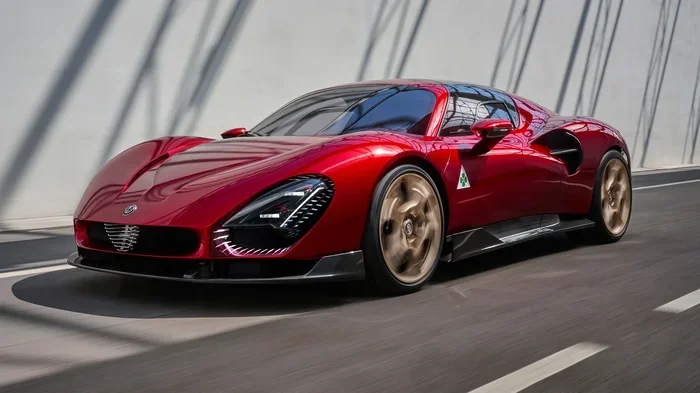
How Alfa Romeo Accelerates to Pure Driving Perfection
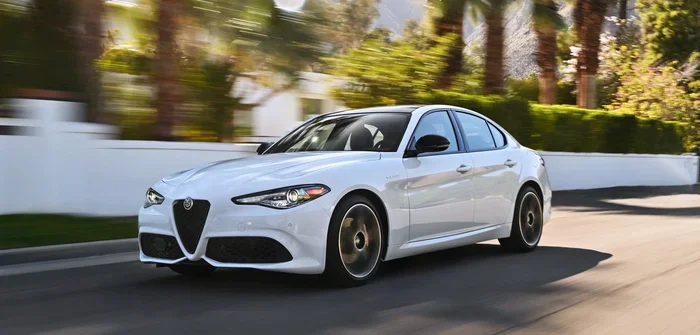
How Alfa Romeo accelerates combines raw Italian power, advanced engineering, and driver-focused design to deliver an unmatched driving experience. From turbocharged engines to lightning-fast throttle response, Alfa Romeo has mastered the art of rapid acceleration. Whether you drive a Giulia or a Stelvio, understanding what makes these cars perform so well helps you appreciate every millisecond behind the wheel.
When you press the gas pedal in an Alfa Romeo, something magical happens. The car surges forward with a kind of raw, emotional energy that few other brands can match. How Alfa Romeo accelerates is a story of passion, precision, and decades of Italian engineering mastery. It is not just about going fast. It is about the feeling of acceleration itself.
From the moment the engine roars to life, every Alfa Romeo tells a story. The way these cars launch off the line, climb through gears, and hug the road speaks to a philosophy that values driving pleasure above all else. Whether you are behind the wheel of a sleek Giulia sedan or a rugged Stelvio SUV, the acceleration experience feels personal, immediate, and thrilling.
In this article, we will dive deep into what makes Alfa Romeo acceleration so special. We will explore the engineering behind the power, the technology that controls it, and the driving experience that keeps fans coming back for more. If you have ever wondered what gives these Italian machines their signature punch, you are in the right place.
Key Takeaways
- Italian Engineering Excellence: Alfa Romeo’s acceleration comes from decades of motorsport-inspired engineering that prioritizes power and precision.
- Turbocharged Power: Modern Alfa Romeo engines use advanced turbocharging technology to deliver impressive horsepower and torque.
- Throttle Response Matters: The instant feedback between your foot and the engine is what sets Alfa Romeo apart from competitors.
- Lightweight Design: Alfa Romeo builds cars with materials that reduce weight, making acceleration faster and more efficient.
- Driver-Focused Technology: Every system in an Alfa Romeo is designed to put you in complete control of the acceleration experience.
- Regular Maintenance Is Key: Keeping your Alfa Romeo in top shape ensures its acceleration performance stays brilliant over time.
📑 Table of Contents
- The Heart of Alfa Romeo Acceleration: The Engine
- Throttle Response: The Instant Connection
- Transmission and Drivetrain: Getting Power to the Road
- Lightweight Construction: Less Weight, More Speed
- Maintenance Tips to Keep Your Alfa Romeo Accelerating Strong
- The Driving Experience: What Acceleration Feels Like in an Alfa Romeo
- The History Behind Alfa Romeo Performance
- Common Mistakes That Hurt Alfa Romeo Acceleration
- The Future of Alfa Romeo Acceleration
- Conclusion
The Heart of Alfa Romeo Acceleration: The Engine
Engine Design Philosophy
At the core of every Alfa Romeo is an engine built with a singular purpose. How Alfa Romeo accelerates starts here, with the heartbeat of the machine. Alfa Romeo has always believed that the engine is not just a component. It is the soul of the car.
The company’s engineers focus on creating power plants that deliver torque and horsepower in perfect harmony. This balance is what gives Alfa Romeo its distinctive acceleration feel. Unlike some brands that chase raw numbers alone, Alfa Romeo tunes every engine for a responsive, engaging drive.
Alfa Romeo uses a range of engine configurations, from turbocharged four-cylinders to powerful V6 engines. Each one is designed with a specific goal in mind. The turbocharged engines in models like the Giulia Quadrifoglio deliver explosive acceleration while maintaining everyday drivability. This is a hallmark of Italian engineering thinking.
Turbocharging and Power Delivery
Turbocharging plays a huge role in modern Alfa Romeo performance. By forcing more air into the combustion chamber, turbochargers help engines produce more power without increasing displacement. The result is rapid acceleration that feels both strong and refined.
Here is how Alfa Romeo turbocharging works in simple terms:
- Exhaust gases spin the turbine, which compresses incoming air.
- Compressed air enters the engine, allowing more fuel to burn per cycle.
- More fuel and air equals more power, delivered quickly and efficiently.
- Advanced wastegate systems manage boost pressure for smooth, linear acceleration.
The Giulia Quadrifoglio, for example, uses a 2.9-liter twin-turbo V6 that produces over 500 horsepower. This engine can push the car from zero to sixty in just a few seconds. But what really matters is how the power arrives. Alfa Romeo engines deliver torque from low in the rev range, which means you get that thrilling shove the moment you touch the pedal.
For those who want to understand more about how engine performance works in general, check out our guide on how hot a car can get in the sun, which covers the thermal side of engine performance and why heat management matters for sustained acceleration.
Throttle Response: The Instant Connection
Why Throttle Response Matters
If engine power is the heart of Alfa Romeo acceleration, throttle response is the nervous system. It is the almost instant connection between your foot and the road. When you stomp the pedal, you want the car to respond immediately. Alfa Romeo engineers obsess over this detail because it defines the driving character.
Throttle response refers to how quickly an engine reacts when you press the accelerator. A car with sharp throttle response feels alive and eager. A car with sluggish response feels disconnected and dull. Alfa Romeo has always leaned toward the former.
Several factors contribute to the exceptional throttle response in Alfa Romeo vehicles:
- Electronic throttle mapping that prioritizes immediate response over fuel savings.
- Direct fuel injection systems that deliver fuel precisely when needed.
- Lightweight intake components that reduce lag and improve airflow.
- Sport-tuned exhaust systems that minimize back pressure at low RPMs.
The Alfa DNA Drive Mode System
One of the most impressive features in modern Alfa Romeo cars is the Alfa DNA Pro drive mode system. This technology lets you choose how the car responds to your inputs. You can switch between different modes to change throttle behavior, steering feel, and suspension settings.
In Natural mode, the car behaves politely and efficiently. In Dynamic mode, the throttle becomes razor-sharp, and acceleration feels aggressive and immediate. In Race mode, every system is tuned for maximum performance. The difference between these modes is dramatic, and it shows how much thought Alfa Romeo puts into the acceleration experience.
When you switch to Dynamic mode and floor it, the car launches forward with a sense of urgency that is hard to match. This is what separates Alfa Romeo from mass-market brands. The car feels like an extension of your body, not just a machine.
Transmission and Drivetrain: Getting Power to the Road
The Role of the Transmission
Having a powerful engine means little if the transmission cannot deliver that power effectively. How Alfa Romeo accelerates also depends heavily on the gearbox that sits between the engine and the wheels. Alfa Romeo has partnered with some of the best transmission manufacturers in the world to ensure seamless power delivery.
Most modern Alfa Romeo models use ZF eight-speed automatic transmissions. These gearboxes are known for their speed and precision. They shift gears in milliseconds, keeping the engine in its power band and ensuring that acceleration feels uninterrupted and smooth.
For drivers who prefer a more hands-on experience, some Alfa Romeo models offer manual transmissions or paddle shifters. These options give you direct control over gear selection, allowing you to hold lower gears longer and extract maximum acceleration from corners and highway on-ramps.
All-Wheel Drive Systems
Alfa Romeo’s Q4 all-wheel-drive system is another critical piece of the acceleration puzzle. By distributing power to all four wheels, the Q4 system maximizes traction, especially during hard launches and aggressive cornering.
The Q4 system works by constantly monitoring road conditions and adjusting power distribution between the front and rear axles. Under normal driving, it sends most power to the rear wheels for a more engaging, rear-wheel-drive feel. When traction is lost, it instantly redirects power to the front wheels to maintain grip and acceleration.
This intelligent system means that even in wet or slippery conditions, your Alfa Romeo can accelerate confidently without spinning the wheels. It is a perfect blend of performance and practicality.
Speaking of performance, if you are curious about how fast cars can really go, our article on how fast a NASCAR race car can go explores extreme speed in a different context and might give you a new appreciation for automotive engineering.
Lightweight Construction: Less Weight, More Speed
Why Weight Matters for Acceleration
Physics is simple. The lighter a car is, the faster it can accelerate. Alfa Romeo understands this principle deeply. That is why the company invests heavily in lightweight materials and construction techniques across its lineup.
The Alfa Romeo Giulia, for instance, uses an aluminum-intensive architecture that keeps curb weight remarkably low for a luxury sports sedan. This lightweight design means the engine does not have to work as hard to move the car. The result is quicker acceleration, better fuel efficiency, and more agile handling.
Here are the key lightweight materials and techniques Alfa Romeo uses:
- Aluminum body panels that reduce overall vehicle mass.
- Carbon fiber driveshaft that lowers rotational weight.
- High-strength steel in critical structural areas for safety without adding bulk.
- Lightweight alloy wheels that reduce unsprung mass for better acceleration and braking.
The Alfa Romeo Philosophy: Driver Engagement
Alfa Romeo’s approach to lightweight design is not just about numbers on a spec sheet. It is about creating a car that feels connected and responsive. A lighter car changes direction more quickly, stops faster, and accelerates with more immediacy. Every pound saved translates into a more engaging driving experience.
This philosophy is deeply rooted in Alfa Romeo’s racing heritage. The company has spent decades perfecting the balance between power and weight on the track, and that knowledge flows directly into their road cars. When you drive an Alfa Romeo, you can feel the attention to weight savings in every aspect of the car’s behavior.
Maintenance Tips to Keep Your Alfa Romeo Accelerating Strong
Regular Engine Care
Even the best engines lose performance if they are not properly maintained. To keep your Alfa Romeo accelerating at its best, follow these essential maintenance tips:
- Change your oil regularly using the manufacturer-recommended grade. Fresh oil keeps engine internals lubricated and reduces friction.
- Replace air filters on schedule to ensure maximum airflow to the engine. A clogged filter chokes performance.
- Use quality fuel from reputable stations. High-octane fuel helps turbocharged engines perform at their peak.
- Check your spark plugs and replace them when needed. Worn spark plugs cause misfires and reduce power output.
Fuel System and Gas Cap Basics
One small but often overlooked part of maintaining your Alfa Romeo’s performance is the fuel system. A loose or damaged gas cap can cause fuel vapor leaks, which trigger check engine lights and reduce fuel efficiency. If you are ever unsure about how to properly secure your fuel cap, our guide on how to uncap gas provides helpful tips for everyday fueling.
Also, be mindful of fuel quality. Alfa Romeo turbocharged engines are designed to run on premium fuel. Using lower-grade fuel can lead to knocking, reduced power, and slower acceleration over time. It is a small cost for maintaining the performance your car was engineered to deliver.
Tire and Brake Maintenance
Acceleration is only as good as your ability to put the power down. Proper tire maintenance is essential for maintaining grip and ensuring that your Alfa Romeo can accelerate effectively.
Check your tire pressure regularly and keep it at the manufacturer’s recommended levels. Rotate your tires on schedule to ensure even wear. Replace tires when the tread depth becomes too low. These simple steps go a long way in preserving your car’s acceleration and overall safety.
Brakes also play a role in how you experience acceleration. High-performance brakes give you the confidence to accelerate hard, knowing you can stop when needed. Keep your brake pads and rotors in good condition, and flush the brake fluid according to the maintenance schedule.
Another important aspect of car care is understanding how environmental factors affect your vehicle. For instance, extreme heat can impact engine performance and tire pressure. Our article on how hot a car can get in the sun explains the thermal challenges your car faces and how to protect it.
The Driving Experience: What Acceleration Feels Like in an Alfa Romeo
Behind the Wheel of a Giulia
Driving an Alfa Romeo Giulia is an experience that stays with you. When you press the accelerator, there is a brief pause, almost like the car is taking a breath. Then, the power arrives with a surge that is both thrilling and controlled. The engine note deepens, the chassis stiffens, and you are launched forward with authority.
The Giulia’s acceleration is not just about straight-line speed. It is about how the car carries momentum through corners and how it responds to every input with precision. The steering feels alive, the pedals have a satisfying weight, and the overall driving experience is immersive from start to finish.
The Stelvio SUV Experience
You might not expect an SUV to deliver the kind of acceleration thrills that a sports sedan does. But the Alfa Romeo Stelvio proves that assumption wrong. Built on the same platform as the Giulia, the Stelvio brings the same powertrain and driving dynamics to a taller, more versatile package.
When you accelerate in a Stelvio, the body may lean slightly more than in the Giulia due to its higher center of gravity. But the engine response is equally sharp, and the Q4 all-wheel-drive system provides excellent traction. It is a reminder that Alfa Romeo does not compromise on performance, even in its SUV lineup.
Comparing Acceleration Across the Range
Different Alfa Romeo models offer different acceleration characteristics. Here is a quick comparison of key models and their performance highlights:
- Giulia (Base): 2.0L turbocharged engine, around 280 horsepower, smooth and responsive daily acceleration.
- Giulia Quadrifoglio: 2.9L twin-turbo V6, over 500 horsepower, track-level acceleration performance.
- Stelvio (Base): Same 2.0L turbo as the Giulia, slightly slower due to higher curb weight but still exciting.
- Stelvio Quadrifoglio: Same 2.9L V6 as the Giulia Quadrifoglio, SUV acceleration that rivals many sports cars.
Each model has its own character, but they all share that unmistakable Alfa Romeo acceleration DNA. The power arrives quickly, the delivery is smooth, and the overall experience is always engaging.
The History Behind Alfa Romeo Performance
Racing Heritage
Alfa Romeo’s acceleration prowess did not come from nowhere. The company has a rich racing history that stretches back over a century. From early Grand Prix victories to modern-day endurance racing, Alfa Romeo has always been at the forefront of automotive performance.
This racing heritage directly influences how the company engineers its road cars. The lessons learned on the track, from aerodynamics to engine tuning, are applied to every Alfa Romeo model. When you feel that instant throttle response or that surge of power, you are experiencing the result of decades of motorsport development.
From the 1920s to Today
In the 1920s and 1930s, Alfa Romeo dominated European racing circuits. The brand’s cars were known for their speed, elegance, and mechanical sophistication. This era established the core values that still define the brand today: performance, beauty, and engineering excellence.
Through the decades, Alfa Romeo continued to innovate. The company introduced technologies like twin-spark ignition and variable valve timing long before they became industry standards. These innovations contributed to the kind of responsive, powerful acceleration that Alfa Romeo is famous for.
Today, the brand carries that legacy forward with modern engineering and cutting-edge technology. The result is a lineup of cars that accelerates with a blend of old-world soul and new-world precision.
Common Mistakes That Hurt Alfa Romeo Acceleration
Even the best cars can lose their edge if they are not cared for properly. Here are common mistakes Alfa Romeo owners make that can hurt acceleration performance:
- Neglecting oil changes. Dirty oil increases friction and reduces engine efficiency. Stick to the recommended oil change interval.
- Using low-quality fuel. Premium fuel is not a suggestion for turbocharged Alfa Romeo engines. It is a requirement.
- Ignoring warning lights. Check engine lights and performance warnings should never be ignored. They often indicate issues that directly affect acceleration.
- Driving on worn tires. Bald tires cannot grip the road properly, which means your acceleration is wasted.
- Skipping scheduled maintenance. Regular service keeps all systems functioning at their best. Skipping appointments leads to gradual performance loss.
Avoiding these mistakes will help ensure your Alfa Romeo continues to accelerate with the same thrilling performance you fell in love with.
The Future of Alfa Romeo Acceleration
Alfa Romeo is entering an exciting new era. The brand is embracing electrification while staying true to its performance DNA. Future models will likely combine electric motors with traditional engines to deliver even more impressive acceleration.
Electric motors offer instant torque, which means zero delay between pressing the pedal and feeling the push. When combined with Alfa Romeo’s existing engineering expertise, this technology could redefine what the brand is capable of. The company has already hinted at hybrid and fully electric models that will carry the Alfa Romeo name into the future.
One thing will never change, though. Alfa Romeo will always prioritize the driving experience. Whether powered by gasoline, electricity, or a combination of both, the goal remains the same: to deliver acceleration that excites, engages, and inspires.
Understanding how your car works, including basic maintenance and performance care, is part of being a responsible owner. Whether you are curious about fuel systems, engine health, or general car care, there is always more to learn. If you want to explore more about vehicle maintenance and performance, check out our detailed guide on how many miles a Buick Enclave can last for insights on long-term vehicle durability.
Conclusion
How Alfa Romeo accelerates is a story of passion, engineering, and an unwavering commitment to driving pleasure. From the turbocharged engines that produce thrilling power to the lightweight construction that makes every pound count, every element of an Alfa Romeo is designed to deliver an acceleration experience like no other.
The throttle response is instant. The power delivery is smooth and linear. The driving experience is immersive and emotional. Alfa Romeo does not just build cars that go fast. It builds cars that make you feel alive every time you press the pedal.
Whether you are a long-time Alfa Romeo fan or someone considering your first Italian sports car, understanding what makes these machines accelerate so well deepens your appreciation for the brand. The next time you get behind the wheel, take a moment to savor every shift, every surge, and every moment of pure driving perfection.
Keep your car well-maintained, use quality fuel, and drive with intention. That is the best way to honor the Alfa Romeo legacy and ensure that your car continues to accelerate with the same brilliance it did on day one.
Frequently Asked Questions
What makes Alfa Romeo acceleration so different from other brands?
Alfa Romeo focuses on driver engagement and emotional connection, not just raw horsepower. The combination of turbocharged engines, sharp throttle response, lightweight construction, and Italian engineering philosophy creates an acceleration feel that is immediate, responsive, and thrilling in a way that feels personal and alive.
How fast can a base Alfa Romeo Giulia accelerate?
The base Alfa Romeo Giulia with the 2.0-liter turbocharged engine can accelerate from zero to sixty in approximately 5.1 seconds. This is impressive for a luxury sports sedan and is made possible by the engine’s strong low-end torque and the car’s lightweight aluminum architecture.
Does the Stelvio SUV accelerate as well as the Giulia sedan?
The Stelvio shares the same powertrains as the Giulia, so the engine performance is nearly identical. However, the SUV’s higher weight and center of gravity mean acceleration is slightly slower than the sedan. The Stelvio Quadrifoglio with its V6 engine still delivers very competitive acceleration for an SUV.
Is premium fuel really necessary for Alfa Romeo models?
Yes, premium fuel is essential for Alfa Romeo turbocharged engines. Using lower-octane fuel can cause engine knocking, reduce power output, and negatively affect acceleration performance. Always follow the manufacturer’s fuel recommendations to keep your car running at its best.
How can I improve my Alfa Romeo’s acceleration at home?
You can improve acceleration by keeping up with oil changes, using quality fuel, maintaining proper tire pressure, and replacing air filters regularly. These simple maintenance steps ensure your engine breathes well, burns fuel efficiently, and delivers power without interruption.
Will Alfa Romeo make fully electric cars with even faster acceleration?
Alfa Romeo has signaled its move toward electrification, with hybrid and electric models in development. Electric motors deliver instant torque, which means even faster off-the-line acceleration. The brand’s future electric vehicles will likely combine this instant torque with Alfa Romeo’s signature driving dynamics.