How Do You Get the Key Out of a Car That Wont Turn Off
Getting a key out of a car that wont turn off is a frustrating but common problem many drivers face. Whether your ignition switch is jammed or the steering wheel lock is engaged, there are several tried-and-true methods to free your key. This guide walks you through every possible solution, from simple tricks to professional fixes. You will learn what causes this issue, how to prevent it, and when to call for help. By the end, you will feel confident handling a stuck car key like a pro.
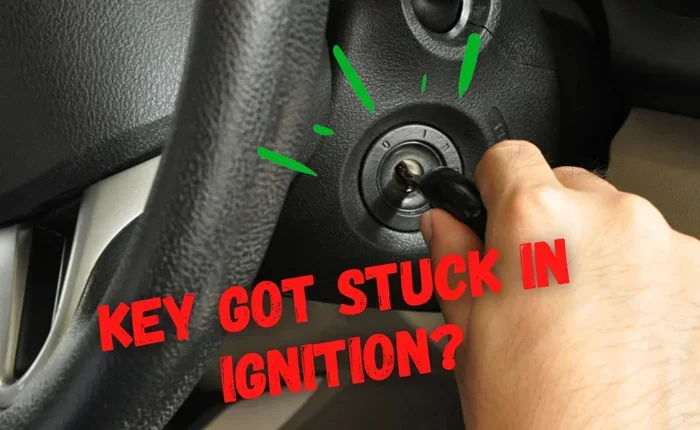
There is nothing more embarrassing than standing in a parking lot with your key stuck in the ignition. You turn the car off, but the key will not budge. Every attempt to pull it out feels like it is fighting back. If you have ever asked yourself, how do you get the key out of a car that wont turn off, you are not alone. This is one of those car problems that can happen to anyone, at any time, in any place.
The good news is that most of the time, this is a simple fix. You do not need to be a mechanic. You do not need expensive tools. With the right knowledge, you can get that key free in just a few minutes. This article breaks down every possible reason your key is stuck and gives you clear, step-by-step solutions. We also cover prevention tips so this never happens again.
Key Takeaways
- Try the ignition release trick first: Wiggle the key gently while shifting the gear lever. This solves the problem in most cases.
- Check the steering wheel lock: A locked steering column is the #1 reason keys get stuck. Jiggle the wheel left and right while turning the key.
- Use the emergency key: Many modern cars come with a hidden mechanical key inside the key fob. This can bypass electronic issues.
- Avoid forcing the key: Yanking or twisting too hard can break the key inside the cylinder, making the problem much worse.
- Know when to call a pro: If basic methods fail, a locksmith or mechanic can extract the key safely without damaging your ignition.
- Prevent future issues: Regular maintenance, using the right key, and avoiding heavy keychains keeps your ignition working smoothly.
📑 Table of Contents
Why Does the Key Get Stuck in the Ignition?
Before you try pulling the key out, it helps to understand why it is stuck in the first place. The ignition system is made up of a few simple parts. When one of them fails, the key removal process becomes difficult or impossible. Let us look at the most common reasons.
The Steering Wheel Lock Engages
This is the number one reason keys get stuck. When you turn off the car and the steering wheel is turned even slightly, the steering lock mechanism kicks in. It locks the wheel in place, and the ignition cylinder gets jammed at the same time. The key cannot move because the lock is holding everything tight.
You might notice the steering wheel is hard to move. That is your clue. The lock is engaged, and it is preventing the key from coming out. This happens especially when you park and turn the wheel to park before shutting off the engine.
The Gear Shift Is Not in Park
Most automatic cars will not let you remove the key unless the gear shift is fully in Park. If the shifter is even slightly out of position, the ignition switch stays locked. You might think it is in Park, but it could be resting between Park and Neutral. This is a sneaky problem that catches many drivers off guard.
In some vehicles, the brake pedal must also be pressed while shifting into Park. If you did not press the brake hard enough, the shifter might not fully engage. Always double-check this before trying to remove your key.
A Broken or Worn Key
Keys wear out over time. The ridges on the key blade get worn from repeated use. A worn key does not align properly with the pins inside the ignition cylinder. This can cause the key to jam or break off inside the lock. Old keys, especially those that have been duplicated multiple times, are more prone to this problem.
Metal fatigue is real. Keys made of cheaper metals bend or snap more easily. If your key is old, bent, or has visible damage, it might be time for a replacement. A fresh key can solve the problem instantly.
The Ignition Switch Is Faulty
The ignition switch controls the electrical connection when you turn the key. Over time, the internal contacts wear out. A faulty switch can cause the engine to keep running even when the key is in the off position. It can also make the key hard to remove because the mechanism does not fully release.
Older vehicles are more susceptible to ignition switch problems. If you notice your car stalling randomly or the dashboard lights flickering, the ignition switch might be failing. This is a repair that needs professional attention in most cases.
The Key Fob Battery Is Dead
Modern cars with push-button start use smart key fobs. These fobs communicate with the car electronically. If the fob battery dies, the car might not recognize the key properly. In some models, this causes the ignition to stay in an odd state where the key cannot be removed or the engine will not turn off.
This is more common than people think. A dead fob battery can cause all sorts of strange behavior. Always keep a spare battery in your glove box. It takes two seconds to swap it out and can save you from a big headache.
How Do You Get the Key Out of a Car That Wont Turn Off
Now that you know the common causes, let us get into the solutions. Here are the most effective methods to remove a stuck key from your ignition. Try them in order, starting with the simplest fixes first.
Method 1: Wiggle the Steering Wheel
This is the first thing you should try. While holding the key in the ignition, gently wiggle the steering wheel left and right. At the same time, try to pull the key out slowly. The steering lock is likely engaged, and wiggling the wheel releases the tension on the ignition cylinder.
Do not use force. Just apply steady, gentle pressure. You should feel the wheel loosen up after a few seconds. Once the lock releases, the key should slide out easily. This method works in the majority of cases where the steering lock is the culprit.
Method 2: Check and Adjust the Gear Shift
Make sure your gear shifter is fully in Park. Push it firmly into position. Then try removing the key again. If your car has a brake interlock, press the brake pedal firmly while moving the shifter.
Some cars have a small release button on the shifter itself. Look for a button or lever near the gear selector. Pressing it can free the shifter from a false position. Once the gear is properly in Park, the ignition should unlock and the key should come out.
Method 3: Use the Emergency Mechanical Key
Most modern key fobs contain a hidden mechanical key inside. Look for a small button or switch on the fob. Press it, and a thin metal key blade will pop out. This is your backup key for emergencies.
Insert this mechanical key into the ignition lock cylinder. It bypasses the electronic smart key system entirely. Turn it to the off position and then pull it out. This method is especially useful when the fob battery is dead and the car will not recognize the electronic key.
Method 4: Jiggle the Key While Turning
Sometimes the key just needs a little coaxing. Insert the key fully into the ignition. Then, while gently turning it back and forth, try to pull it out. The idea is to move the pins inside the cylinder just enough to release the key.
Use a light touch. Do not force the key. If it feels like it is hitting a wall, stop and try a different method. Forcing a stuck key can snap it off inside the lock, which turns a simple problem into a much bigger one.
Method 5: Spray Lubricant into the Ignition Cylinder
If the key feels stiff or gritty, dry lubricant can help. Use a product like WD-40 or a dedicated graphite lubricant. Spray a small amount into the keyhole. Then work the key in and out a few times to spread the lubricant inside the cylinder.
Do not use oil-based lubricants that are too thick. They can attract dirt and make the problem worse over time. A light, dry lubricant is best for ignition locks. After applying it, try removing the key again. You might be surprised how well this works.
Method 6: Try a Different Key
If you have a spare key, try it. A spare key might be in better condition than the one stuck in the ignition. The spare might have sharper ridges that align better with the cylinder pins.
Keep a spare key in a safe place at home. This is one of the simplest ways to avoid being stranded. If the spare key works, your original key is likely worn out or damaged. Get a new key cut as soon as possible.
Common Causes Behind a Key That Wont Turn Off
Sometimes the problem is not just about removing the key. Sometimes the car itself will not turn off. This is a different but related issue. Here are the most common reasons your engine keeps running even when you turn the key.
The Ignition Switch Stays in the On Position
A worn ignition switch can stick in the run or accessory position. The engine keeps running because the electrical connection never breaks. You might hear the engine idling normally, but the key seems frozen in place.
This is a serious issue that should not be ignored. A stuck ignition switch can drain your battery or, in rare cases, cause electrical fires. If your car will not turn off and the key is stuck, do not keep trying to turn the key. Shut off the engine using the emergency fuel shutoff or disconnect the battery if needed.
The Push-Button Start System Malfunctions
Cars with push-button start rely on sensors and the key fob to work properly. If the system malfunctions, pressing the start/stop button might not shut off the engine. The dashboard might show warning lights, or the engine might keep idling.
In these situations, try pressing and holding the start/stop button for several seconds. Most systems are designed to shut off when the button is held down long enough. Also, check that the key fob is inside the car. Some systems will not turn off if they do not detect the fob nearby.
The Transmission Is Not Fully in Park
Just like with key removal, the car might not turn off if the transmission is not fully engaged in Park. The safety interlock system prevents the engine from shutting off unless the shifter is in the correct position.
Shift the gear lever firmly into Park. Press the brake pedal and try shutting off the engine again. If the shifter is stuck between positions, you might need to use the manual shift release, which is usually a small button or slot near the gear selector.
Prevention Tips to Avoid Ignition Problems
The best way to deal with a stuck key is to never have the problem in the first place. Here are simple habits that keep your ignition system working smoothly for years.
Use the Right Key
Always use the key that came with your vehicle. Aftermarket keys might not be cut precisely. Even a slight difference in the key blade can cause jamming over time. If you need a replacement, get it cut by a certified locksmith or dealership.
Avoid Heavy Keychains
Hanging heavy keychains on your car key puts extra pressure on the ignition cylinder. Over time, this pressure wears out the internal components. Keep your car key on a simple, lightweight keychain or use a key pouch.
Many car keys are small and lightweight on purpose. Adding heavy accessories defeats that design. A heavy keychain also makes it harder to insert and remove the key smoothly, which adds unnecessary wear.
Turn Off Accessories Before Shutting Down
Before turning off the engine, switch off all accessories. This includes the radio, air conditioning, lights, and any other electrical add-ons. Letting these run puts extra load on the ignition system when you start the car next time.
Some cars have a warning light on the dashboard if accessories are left on. Pay attention to these warnings. They are there to protect your electrical system and your ignition switch from premature wear.
Replace the Key Fob Battery Regularly
Change your key fob battery every one to two years, even if it still seems to work. A weakening battery can cause intermittent problems with the push-button start system. Most fobs use a common CR2032 battery, which is cheap and easy to replace.
Keep a spare battery in your glove box. If you notice the fob range getting shorter or the car not recognizing the key, swap the battery immediately. This small habit can save you from a lot of trouble.
Do Not Force the Key
If the key feels stiff or hard to turn, stop and investigate. Forcing a resistant key can bend it, break it, or damage the ignition cylinder. Instead, use lubricant, try a spare key, or wiggle the steering wheel to release the lock.
Gentle handling goes a long way. Treat your ignition with care, and it will serve you reliably for the life of the vehicle. If you notice any grinding or resistance when inserting or turning the key, have it checked by a mechanic before it becomes a bigger problem.
When to Call a Professional Mechanic
Most stuck key situations can be resolved at home with the methods described above. However, there are times when professional help is the right call. Knowing when to make that call can save you money and prevent further damage.
If you have tried all the basic methods and the key still will not come out, it is time to call a locksmith. A professional locksmith has specialized tools for key extraction that can remove a broken or jammed key without damaging the ignition cylinder. They can also cut a new key on the spot if needed.
You should also call a professional if the key breaks off inside the lock. A broken key fragment stuck inside the cylinder cannot be fixed with home remedies. A locksmith or mechanic can use a key extractor tool to remove the broken piece safely. Attempting to dig it out with tweezers or other tools can push the fragment deeper and cause more damage.
If your car will not turn off and the engine keeps running, do not ignore it. A car that will not shut off is a safety hazard. Pull over safely, shift into neutral, and use the emergency brake to stop the vehicle if needed. Then call a tow truck or mechanic. Continuing to drive with a malfunctioning ignition system is risky.
Regular ignition maintenance is also worth considering. If your car is older and you have had recurring key problems, a mechanic can inspect the ignition cylinder and recommend repairs or replacements. Sometimes a simple ignition switch replacement solves everything.
Final Thoughts
A stuck key in the ignition is annoying, but it is almost always fixable. The next time you find yourself asking, how do you get the key out of a car that wont turn off, stay calm and work through the methods in this guide. Start with the simplest fixes like wiggling the steering wheel or checking the gear shift. Move on to lubricant and spare keys if those do not work. And do not hesitate to call a professional if the situation is beyond your control.
Prevention is your best long-term strategy. Use the right key, keep your keychain light, replace fob batteries on schedule, and never force a stuck key. These small habits add up to a reliable ignition system that works every single time. Your car is a big investment, and taking care of the small things like the ignition system keeps it running smoothly for years to come.
Now you have the knowledge and tools to handle a stuck key confidently. Share this guide with a friend who might need it. And remember, the next time your key gets stuck, you have got this.
Frequently Asked Questions
Why wont my key come out of the ignition?
The most common reason is the steering wheel lock engaging at the same time. When the steering wheel locks, it jams the ignition cylinder and prevents the key from moving. Try wiggling the steering wheel left and right while gently pulling the key out. This releases the lock and frees the key in most cases.
Can a dead key fob battery cause the car not to turn off?
Yes, it can. Modern cars with push-button start rely on the key fob to communicate with the vehicle. A dead fob battery can confuse the system, causing the engine to keep running or the key to remain stuck. Replace the fob battery and try again. This simple fix resolves the problem more often than people expect.
Is it safe to drive with a key that is stuck in the ignition?
No, it is not safe. A stuck key can interfere with your ability to turn off the engine quickly in an emergency. If the key is partially stuck or the ignition is malfunctioning, have the issue resolved before driving the car. Pull over safely and contact a mechanic if needed while on the road.
What should I do if the key breaks off inside the ignition cylinder?
Do not try to pull the broken piece out with tweezers or other tools. You might push it deeper into the cylinder. Instead, call a locksmith or mechanic who has a key extractor tool. They can safely remove the broken fragment and either repair or replace the ignition cylinder.
How much does it cost to fix a stuck ignition key?
The cost depends on the cause. A simple steering wheel lock issue costs nothing to fix. Lubricant is usually under five dollars. Key replacement ranges from twenty to one hundred dollars depending on the vehicle. Ignition switch or cylinder replacement can cost between one hundred and four hundred dollars, including labor.
How can I prevent my car key from getting stuck in the future?
Use the original key or a properly cut replacement. Avoid heavy keychains that put pressure on the ignition. Replace your key fob battery every one to two years. Turn off all accessories before shutting down the engine. And never force a key that feels stiff or resistant. These simple habits keep your ignition system healthy and reliable.
=== CONCLUSION ===
A stuck key in the ignition is one of those car troubles that can happen when you least expect it. But as this guide has shown, getting the key out of a car that wont turn off is manageable with the right approach. Whether it is a simple steering wheel lock or a more complex ignition switch issue, you now have the tools and knowledge to handle it. Start with the gentle fixes, work your way through the methods, and know when to bring in a professional. Take care of your ignition system, and it will take care of you for many miles to come.