Does Sport Mode Save Gas Or Is It Just A Waste Of Fuel
So, does sport mode save gas? The short answer is no. Sport mode actually increases fuel consumption by raising RPM, sharpening throttle response, and changing how your transmission shifts. While it feels thrilling, it works against your gas mileage. Understanding how driving modes affect your car can help you save money at the pump and make smarter choices behind the wheel.
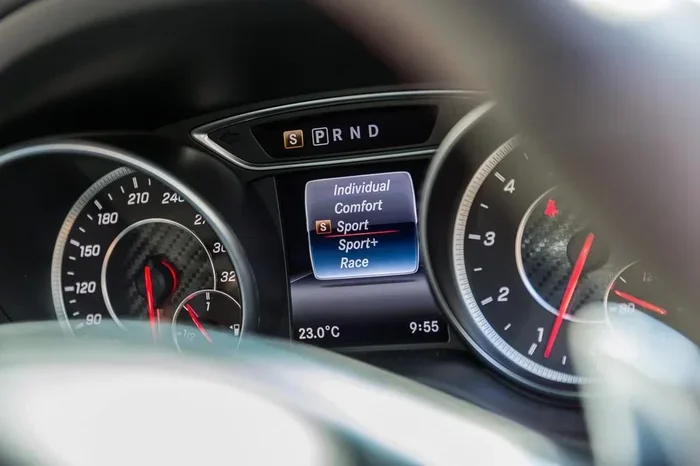
You have probably noticed the “Sport” button on your dashboard or gear shifter. Maybe you have pressed it just to hear the engine roar a little louder. But here is the real question: does sport mode save gas? The answer might surprise you. Sport mode does not save fuel. In fact, it usually burns more gas.
Many drivers assume that sport mode makes their car run more efficiently. They think the word “sport” implies peak performance and smart engineering. But the reality is quite different. Sport mode changes how your car responds to the accelerator, the way the transmission shifts, and how hard the engine works. All of these changes lead to higher fuel consumption, not lower.
In this article, we will dive deep into how sport mode works, why it affects your gas mileage, and when it actually makes sense to use it. Whether you drive a sedan, SUV, or truck, this guide will help you understand your car better. You will learn the truth about fuel economy, engine performance, and driving modes so you can make smarter choices every time you get behind the wheel.
Key Takeaways
- Sport mode uses more fuel: It keeps the engine at higher RPMs and delays upshifts, burning more gas.
- Throttle response becomes sharper: The car accelerates faster, which demands more fuel from the engine.
- Transmission shifts differently: Sport mode holds gears longer, which increases engine load and fuel use.
- Normal mode is better for fuel economy: For daily commuting and highway driving, normal mode saves gas.
- Sport mode has its place: It’s great for spirited driving, overtaking, or winding roads where responsiveness matters.
- Driving habits matter most: Aggressive driving in any mode wastes fuel, while smooth driving improves gas mileage.
- Hybrid and electric cars handle sport mode differently: Some EVs use sport mode to optimize performance without the same fuel penalty.
📑 Table of Contents
- What Does Sport Mode Actually Do?
- How Sport Mode Affects Fuel Consumption
- Sport Mode vs Normal Mode: The Real Difference
- When Should You Use Sport Mode?
- Can Sport Mode Damage Your Engine?
- Expert Tips for Better Fuel Economy
- How Different Vehicles Handle Sport Mode
- Common Mistakes Drivers Make with Sport Mode
- Key Takeaways
- Conclusion
What Does Sport Mode Actually Do?
Sport mode changes several key systems in your vehicle. It is not just a fancy label or a sound effect. When you press that button, your car starts behaving differently. Let us break down exactly what happens under the hood.
Throttle Response Becomes More Sensitive
In normal mode, your car is tuned for comfort and efficiency. The throttle opens slowly, and the engine responds gently. Sport mode flips that completely. The throttle becomes much more sensitive. Even a light press on the pedal sends more fuel and air into the engine.
This means your car accelerates faster. It feels more responsive and alive. But that responsiveness comes at a cost. Higher throttle input means more fuel burned with every press of the pedal.
Transmission Shifts Differently
Your car’s transmission plays a huge role in fuel economy. In normal mode, the transmission shifts up early. This keeps the engine RPM low, which saves gas. Sport mode delays those upshifts. It holds lower gears longer, which keeps the engine spinning faster.
Higher RPM means the engine works harder. And when the engine works harder, it drinks more fuel. This is one of the biggest reasons gas mileage drops when sport mode is activated.
Engine Power Output Increases
Some vehicles actually remap the engine control unit (ECU) when sport mode is engaged. This changes the fuel-to-air ratio and ignition timing. The result is more power available at any given moment. More power means more fuel is injected into the cylinders.
You might notice the engine sounds different too. It may rev higher and louder. That growling sound feels exciting, but it is a sign that your car is consuming more fuel than it would in normal mode.
How Sport Mode Affects Fuel Consumption
Now that we know what sport mode does, let us talk numbers. How much fuel are we really talking about? The answer depends on several factors, but one thing is clear: sport mode always increases fuel use compared to normal mode.
City Driving and Sport Mode
City driving already uses more fuel than highway driving. Stop-and-go traffic forces the engine to work hard with constant acceleration and braking. When you add sport mode to city driving, the effect is amplified.
The engine stays at higher RPMs between stops. The throttle is more sensitive, so you use more gas every time you tap the brake pedal. Fuel consumption in city driving can increase by 10 to 20 percent when sport mode is on. That adds up fast at the gas station.
Highway Driving and Sport Mode
Highway driving is generally more fuel-efficient than city driving. But sport mode still takes a toll. On the highway, the transmission holds lower gears longer, which keeps the engine running at higher RPMs even when you do not need the extra power.
At highway speeds, the fuel economy penalty is usually smaller than in the city. You might see a 5 to 10 percent drop in fuel efficiency with sport mode enabled. Still, that is wasted gas and money.
Does Sport Mode Ever Help Save Gas?
Here is a tricky question. Could sport mode ever actually help you save fuel? In very specific situations, maybe. For example, if you are driving on a long, steep downhill, sport mode might help you maintain speed without hitting the brakes as hard. The engine braking effect can reduce brake wear.
But this is a very niche scenario. For the vast majority of drivers, sport mode will always use more gas than normal mode. The idea that it saves fuel is a common misconception.
Sport Mode vs Normal Mode: The Real Difference
Let us put sport mode and normal mode head to head. This comparison will help you see exactly what changes and why it matters for your fuel economy.
| Feature | Normal Mode | Sport Mode |
|---|---|---|
| Throttle Sensitivity | Moderate and smooth | Very responsive and sharp |
| Transmission Shifting | Early upshifts for efficiency | Delayed upshifts, holds lower gears |
| Engine RPM | Lower RPM for better economy | Higher RPM for more power |
| Fuel Consumption | Lower fuel use | Higher fuel use |
| Engine Sound | Quiet and refined | Louder and more aggressive |
| Best For | Daily commuting and highway | Spirited driving and overtaking |
| Fuel Economy Impact | Optimized for savings | Reduces gas mileage by 5-20% |
As you can see from the table, every aspect of sport mode pushes the car toward higher performance and away from fuel savings. Normal mode is clearly the winner when it comes to saving gas.
That said, sport mode is not useless. It just serves a different purpose. If you are merging onto a highway and need quick acceleration, sport mode gives you the power you need in a hurry. It also makes passing slower vehicles much easier and safer.
When Should You Use Sport Mode?
Sport mode is not all bad. There are times when it actually makes sense to use it. The key is knowing when and how to use it wisely.
Overtaking on Highways
If you need to pass a slow-moving truck on a two-lane road, sport mode gives you instant power. You do not have to wait for the transmission to downshift. The engine responds immediately, and you complete the pass quickly and safely.
Once you are done overtaking, switch back to normal mode. This simple habit can help you maintain better fuel economy throughout your trip.
Driving on Winding Roads
If you enjoy spirited driving on mountain roads or curvy back roads, sport mode enhances the experience. The sharper throttle response and quicker shifting make the car feel more connected to the road.
In these situations, fuel economy is probably not your top priority. You are there for the driving experience, and sport mode delivers that in spades.
Driving in the Rain or Snow
This one surprises people. Some drivers use sport mode in slippery conditions because it allows them to control the car more precisely. In sport mode, you can lift off the accelerator and let the engine slow the car down without the transmission upshifting aggressively.
However, most cars have a dedicated snow or ice mode that is better suited for low-traction conditions. Check your owner’s manual to see what your car recommends.
Short Bursts Are Fine
Using sport mode for short bursts is not going to destroy your fuel economy. If you activate it for a few minutes while overtaking or navigating a busy intersection, the impact on your gas mileage is minimal.
The real problem is leaving sport mode on for your entire drive. If you commute 30 minutes each way in sport mode every day, you will notice a significant difference in how often you need to visit the gas station.
Can Sport Mode Damage Your Engine?
This is a common concern among car owners. The short answer is no. Modern engines are built to handle sport mode without damage. Car manufacturers design these driving modes with the engine’s limits in mind.
However, there are some things to keep in mind. When sport mode keeps the engine at high RPMs for extended periods, it increases wear on certain components. The transmission fluid may heat up faster. The brakes may wear out a bit quicker because you are using engine braking less.
These effects are normal and expected. They are part of what gives sport mode its responsive feel. As long as you follow your manufacturer’s recommended maintenance schedule, sport mode will not harm your engine in any serious way.
The real risk to your car comes from aggressive driving habits, not from sport mode itself. Hard acceleration, redlining the engine, and late braking will wear out your car faster regardless of which driving mode you are using.
Expert Tips for Better Fuel Economy
If saving gas is your goal, there are many things you can do beyond just turning off sport mode. These tips will help you get the most out of every gallon.
Drive Smoothly and Predictably
The single biggest factor in fuel economy is how you drive. Aggressive acceleration and hard braking waste a tremendous amount of fuel. Instead, accelerate gently and coast to stops when possible. Smooth driving can improve your gas mileage by up to 30 percent according to the Department of Energy.
Keep Your Tires Properly Inflated
Underinflated tires create more rolling resistance, which forces the engine to work harder. Check your tire pressure at least once a month. Keeping tires at the recommended PSI can improve fuel economy by up to 3 percent.
Remove Excess Weight from Your Car
Every extra pound your car carries requires more fuel to move. Clean out your trunk and back seat. Remove roof racks and cargo carriers when you are not using them. These small changes add up over time.
Use Cruise Control on Highways
Maintaining a steady speed on the highway is one of the best ways to save fuel. Cruise control helps you do this consistently. Just avoid using cruise control on hilly terrain, where it may cause the engine to work harder going uphill.
Keep Up with Regular Maintenance
A well-maintained engine runs more efficiently. Change your oil on schedule, replace air filters when they get dirty, and keep your spark plugs in good condition. These simple steps help your car run at peak fuel efficiency regardless of which driving mode you prefer.
Use the Right Driving Mode for the Situation
Many modern cars offer multiple driving modes, including Eco, Normal, Sport, and sometimes even Snow or Off-Road. Learn what each mode does and use the one that fits your current situation. For your daily commute, Eco or Normal mode is almost always the best choice.
How Different Vehicles Handle Sport Mode
Not all cars respond to sport mode the same way. The impact on fuel economy depends on the type of vehicle, the engine, and the transmission.
Sport Sedans and Sports Cars
Sports cars are already designed for performance. When you activate sport mode on a sports car, the changes are more subtle because the car is already tuned for responsiveness. The fuel economy penalty may be smaller compared to a family sedan.
Still, sport mode on a sports car will always use more fuel than the same car in normal or eco mode. The difference may be less noticeable, but it is there.
SUVs and Trucks
SUVs and trucks are already less fuel-efficient than smaller cars. Adding sport mode to a heavy vehicle makes the fuel economy penalty even more significant. A large SUV in sport mode can see a 15 to 20 percent drop in gas mileage compared to normal mode.
If you drive an SUV or truck, switching to normal mode for daily driving can save you a meaningful amount of fuel over time.
Hybrid and Electric Vehicles
Hybrid and electric vehicles handle sport mode differently. In an EV, sport mode simply delivers more instant torque from the electric motor. Since there is no combustion engine, the fuel economy impact is zero. The range may decrease slightly because more power draws more from the battery.
In hybrids, sport mode may cause the gas engine to kick in more often and run at higher RPMs. This reduces the fuel savings that make hybrids so attractive in the first place.
Common Mistakes Drivers Make with Sport Mode
Many drivers make avoidable mistakes when using sport mode. Being aware of these can help you save fuel and get more out of your car.
- Leaving sport mode on all the time: This is the most common mistake. Sport mode is meant for short bursts, not for your entire commute.
- Confusing sport mode with better performance: Sport mode makes the car feel faster, but it does not make the engine more powerful. It just changes how the power is delivered.
- Ignoring the fuel cost: That extra fun you get from sport mode comes at a real price. Over a year of daily driving, the extra fuel cost can add up to hundreds of dollars.
- Using sport mode in traffic: Stop-and-go traffic in sport mode is a recipe for poor fuel economy and extra wear on your brakes.
- Assuming all cars are the same: The fuel penalty varies by vehicle. A lightweight hatchback will see a smaller penalty than a heavy V8 truck.
Avoiding these mistakes can help you enjoy sport mode when you want it while keeping your fuel costs under control.
Key Takeaways
- Sport mode does not save gas: It increases fuel consumption by raising RPM and sharpening throttle response.
- Normal mode is better for daily driving: It optimizes your car for fuel economy and smooth operation.
- Sport mode is great for specific situations: Overtaking, spirited driving, and low-traction conditions are all valid uses.
- The fuel penalty ranges from 5 to 20 percent: Depending on your vehicle and driving conditions, sport mode can reduce gas mileage significantly.
- Short bursts of sport mode are fine: Using it briefly has minimal impact on overall fuel economy.
- Driving habits matter more than driving mode: Smooth, predictable driving saves more fuel than any single setting.
- Hybrid and electric vehicles are different: Sport mode affects them differently than traditional gas-powered cars.
Conclusion
So, does sport mode save gas? The answer is a clear and definitive no. Sport mode is designed for performance, not efficiency. It makes your car accelerate faster, shift differently, and run at higher RPMs. All of these changes lead to more fuel being burned.
That does not mean sport mode is bad. It has its place and its purpose. When you need quick power for overtaking, when you are driving on a scenic mountain road, or when you just want to enjoy the way your car feels, sport mode delivers. The key is using it wisely and not leaving it on for your entire drive.
If saving fuel is important to you, stick with normal or eco mode for your daily routine. Combine that with smooth driving habits, regular maintenance, and smart vehicle choices, and you will see real savings at the pump. The best driving mode is the one that matches your current needs and conditions.
Next time you get in your car, pay attention to how sport mode changes the feel of the drive. Notice the sharper throttle, the louder engine, and the quicker shifts. And then remember that all of that comes at a fuel cost. Make informed choices, drive smart, and enjoy every mile.
FAQs
Does sport mode use more gas than normal mode?
Yes, sport mode uses more gas than normal mode in almost all situations. It increases throttle sensitivity, holds lower gears longer, and keeps the engine at higher RPMs. All of these factors lead to increased fuel consumption. The difference can range from 5 to 20 percent depending on your vehicle and driving conditions.
Can I leave sport mode on all the time?
You can, but it is not recommended if you care about fuel economy. Leaving sport mode on all the time will significantly increase your fuel costs over time. It also causes extra wear on your brakes and transmission fluid. Use sport mode for short bursts when you need extra power, then switch back to normal mode.
Does sport mode make your car faster?
Sport mode does not actually increase the horsepower of your engine. What it does is change how the power is delivered. The throttle becomes more responsive, the transmission shifts later, and the engine stays at higher RPMs. This makes the car feel faster and more agile, but the peak power output remains the same.
Is sport mode bad for your car?
No, sport mode is not bad for your car. Modern vehicles are engineered to handle sport mode without any damage. However, extended use of sport mode can increase wear on brakes, transmission fluid, and engine components simply because the car is working harder. Regular maintenance helps offset any extra wear.
Should I use sport mode in the city?
It is best to avoid sport mode in city driving. Stop-and-go traffic already uses more fuel, and sport mode makes it worse. The sensitive throttle and high RPMs in city conditions lead to poor fuel economy. Save sport mode for highway overtaking or open roads where it can do the most good.
Does sport mode affect hybrid or electric cars differently?
Yes, sport mode affects hybrids and EVs differently than gas-powered cars. In electric vehicles, sport mode delivers more instant torque but does not use any gas. In hybrids, sport mode may cause the gas engine to run more often, reducing the fuel efficiency benefits of the hybrid system. The battery may also drain faster in sport mode on EVs.