Do All Door Handles Fit All Doors And What You Need To Know
Not every door handle fits every door. The answer to “do all door handles fit all doors” depends on the door type, handle style, and mounting method. Whether you are working on a car door or a home interior door, understanding handle compatibility saves time, money, and frustration. This guide covers handle types, sizes, and installation tips so you can make the right choice every time.
Have you ever stood in front of a shelf full of door handles and wondered, “Do all door handles fit all doors?” It is a question that comes up more often than you might think. Whether you are replacing a broken handle on your car or upgrading the look of your home doors, the answer is not as simple as picking the prettiest option off the rack.
The truth is that door handles come in many shapes, sizes, and designs. A handle that works perfectly on one door may not fit another at all. This is true for both automotive doors and household doors. Understanding the basics of handle fitment can save you a lot of time, money, and headaches down the road.
In this guide, we will walk you through everything you need to know about door handle compatibility. We will cover the different types of handles, how they mount to doors, and what to look for when shopping for a replacement. By the end, you will feel confident choosing the right handle for any door in your life.
Key Takeaways
- Different doors need different handles: Car doors, interior doors, and exterior doors all use specific handle types that are not interchangeable.
- Mounting style matters: Handles use various mounting methods, including screw-on, snap-in, and bolt-on styles that affect fitment.
- Size and shape vary widely: Door handle dimensions differ by vehicle make, model, and door type, so always measure before buying.
- Universal handles exist but have limits: Some universal door handles work across multiple doors, but compatibility is not guaranteed.
- Installation is manageable: Most door handle replacements can be done at home with basic tools and a little patience.
- Always check compatibility first: Verify the handle matches your door’s latch mechanism, mounting points, and style before purchasing.
📑 Table of Contents
- Understanding Door Handle Types and Why Fitment Matters
- Do All Door Handles Fit All Doors? The Short Answer
- Automotive Door Handles: What You Need to Know
- Common Door Handle Sizes and Mounting Styles
- How to Find the Right Door Handle for Your Door
- Installing a New Door Handle: Tips and Common Mistakes
- Key Takeaways
- Conclusion
Understanding Door Handle Types and Why Fitment Matters
Before you can answer the question “do all door handles fit all doors,” you need to understand the different types of handles available. Not all handles are created equal, and each type is designed for a specific purpose and door style.
Interior Door Handles
Interior door handles are the handles you find on doors inside your home or vehicle. These include passage handles, privacy handles, and dummy handles. Passage handles do not have a locking mechanism. Privacy handles have a push-button or turn-button lock. Dummy handles have no locking function and are used for decorative purposes.
In a car, interior door handles are the ones passengers use to open the door from inside. They come in different designs depending on the vehicle. Some cars use a lever-style interior handle, while others use a pull-style knob. The handle mounting points and attachment methods also vary by car brand and model.
Exterior Door Handles
Exterior door handles are the handles used to open a door from the outside. On a car, this is the handle on the outer door panel. On a home, this is the handle on the outside of the front or back door. Exterior handles are often more durable because they face weather and frequent use.
For vehicles, exterior handles come in many styles. Some are flush-mounted, meaning they sit flat against the door. Others protrude outward. The shape, size, and color of the exterior handle are often specific to the vehicle model. This is why finding a compatible replacement can be tricky.
Specialty Handles
Some doors use specialty handles that are not standard. Sliding glass doors, for example, use a different type of handle than a standard hinged door. Garage doors use yet another mechanism entirely. Even within the automotive world, some vehicles use unique handle designs that are exclusive to certain trim levels or special editions.
Understanding these handle types is the first step in determining handle compatibility. If you do not know what type of handle you have, take a close look at the existing one and note its style, size, and how it attaches to the door.
Do All Door Handles Fit All Doors? The Short Answer
The short answer is no. Not all door handles fit all doors. Handles are designed for specific door types, and using the wrong handle can lead to poor fit, difficulty operating the door, or even safety issues.
Think of it like shoes. A size 10 shoe does not fit every foot. Similarly, a door handle designed for a sedan door will not necessarily fit a truck door. The mounting points, the door thickness, the latch mechanism, and the overall design all play a role in whether a handle will work.
However, there are some cases where a handle might fit multiple doors. Universal handles are designed to work with a range of door types. But even universal handles have limitations. They may require adapters or modifications to fit properly. So while the answer to “do all door handles fit all doors” is no, there are workarounds in certain situations.
Why Compatibility Is Not Guaranteed
Even when two handles look identical, they may not be compatible. The mounting bolt pattern, the distance between screws, and the shape of the handle base can all differ. A handle that looks the same from the outside may have a completely different attachment system on the back.
This is especially common in the automotive world. Two cars from different manufacturers might have similar-looking door handles, but the internal mounting points are different. Always check the specifications before purchasing a replacement handle.
The Role of the Door Latch
The door latch is the mechanism that the handle connects to. When you pull or push the handle, it engages the latch, which releases the door. If the handle does not connect properly to the latch, the door will not open or close correctly.
Different doors use different latch styles. Some use a standard latch with a lever connection. Others use a cable-operated system. The type of latch on your door determines which handle will work with it. This is a key factor in handle compatibility that many people overlook.
Automotive Door Handles: What You Need to Know
Car door handles are a great example of why the question “do all door handles fit all doors” is so important. Vehicle door handles are not one-size-fits-all. They vary widely by make, model, year, and even trim level.
Front vs. Rear Door Handles
On most vehicles, the front door handles differ from the rear door handles. Front handles often have a different shape to accommodate the front fender and the overall design of the car’s front end. Rear handles may be smaller or shaped differently to match the rear door design.
Some vehicles use the same handle for all doors, but this is not the norm. Always check whether the handle you are buying is designed for the front or rear of your specific vehicle.
Manual vs. Power Door Handles
Modern vehicles often come with power door handles. These handles use an electric motor to open and close. They look similar to manual handles but have internal components that are completely different.
If you try to replace a power handle with a manual handle, it will not work. The electrical connections, the linkage, and the mounting points are all different. Similarly, you cannot swap a manual handle for a power handle without significant modification. Always confirm whether your vehicle uses manual or power handles before shopping for a replacement.
Handle Materials and Finishes
Car door handles come in various materials and finishes. Chrome, black, silver, and body-colored handles are all common. The material affects both the look and the durability of the handle. Chrome handles are shiny and attractive but can scratch over time. Black handles may show wear more easily but offer a sleek, modern look.
When choosing a replacement handle, consider both the aesthetic and the practical aspects. A handle that looks great but chips easily is not a good long-term choice.
Common Door Handle Sizes and Mounting Styles
Door handle size and mounting style are two of the most important factors in determining compatibility. If you get either of these wrong, the handle will not fit properly.
Standard Handle Sizes
Door handles come in standard sizes, but these sizes vary between industries. Automotive handles are typically smaller than household handles. Within the automotive world, handle sizes can vary by several millimeters between different vehicle models.
Common handle sizes include:
- Compact handles: Used on smaller cars and rear doors.
- Standard handles: The most common size for mid-size vehicles.
- Oversized handles: Found on trucks, SUVs, and luxury vehicles.
Always measure your existing handle before purchasing a replacement. Measure the length, the width, and the distance between the mounting points.
Mounting Styles Explained
Handles attach to doors in different ways. The most common mounting styles include:
- Screw mounting: The handle is attached using screws that go through the door panel. This is the most common method for household doors.
- Snap-in mounting: The handle clicks into place using clips. This is common for some interior car handles.
- Bolt-on mounting: The handle is secured with bolts, often used for heavier-duty exterior handles.
- Adhesive mounting: Some handles use strong adhesive to attach to the door. This is less common but found on some modern vehicles.
Each mounting style requires different tools and techniques for removal and installation. Knowing your mounting style before you buy a handle is essential for a smooth installation process.
The Importance of the Handle Base Plate
The base plate is the part of the handle that attaches directly to the door. It is often overlooked, but it plays a crucial role in handle fitment. The base plate must match the door’s surface and the latch mechanism. If the base plate is the wrong size or shape, the handle will not sit properly on the door.
Some base plates are adjustable, which gives you a little more flexibility. But in most cases, the base plate must match the original exactly for the handle to work correctly.
How to Find the Right Door Handle for Your Door
Finding the right door handle does not have to be difficult. With a little research and the right approach, you can find a handle that fits perfectly and looks great.
Step 1: Identify Your Door Type
Start by identifying the type of door you are working with. Is it a car door? A front entry door? A interior bedroom door? Each door type uses a different handle style, so this is the most important first step.
For automotive doors, note the make, model, year, and trim level of the vehicle. This information will help you narrow down the right handle. For home doors, note whether the door is an interior or exterior door and what style of handle you currently have.
Step 2: Measure the Existing Handle
Take precise measurements of your current handle. Measure the overall length, the width, and the distance between the mounting screws or bolts. Also measure the distance from the edge of the door to the center of the handle.
These measurements will help you find a replacement handle that matches. Keep a note of these measurements whenever you shop for a new handle.
Step 3: Check the Latch Mechanism
Inspect the door latch to understand how it connects to the handle. Is it a lever-style connection? A cable pull? A rod linkage? The way the handle connects to the latch determines which handle will work with your door.
If you are replacing a handle on a car door, look at how the interior handle connects to the latch rod. If the rod is a different length or shape than what the new handle requires, you may need an adapter or a different handle altogether.
Step 4: Look for Compatible Models
Once you have your measurements and latch information, search for handles that match. Many manufacturers provide compatibility charts on their websites. Use these charts to confirm that the handle you are considering will work with your specific door.
Do not rely on looks alone. Two handles can look identical but have different mounting systems. Always verify compatibility before making a purchase.
Quick Tips for Handle Shopping
- Keep the old handle until the new one is installed. You may need to return the new handle if it does not fit.
- Buy from reputable sellers who offer return policies in case of fitment issues.
- Check online forums for your specific vehicle or door type. Other owners may have already solved the same compatibility question.
- Consider buying a handle that comes with all necessary hardware. This saves you the hassle of finding separate mounting brackets or adapters.
Installing a New Door Handle: Tips and Common Mistakes
Once you have the right handle, the next step is installation. Handle installation is a task most people can do at home with basic tools. But there are some common mistakes that can cause problems.
Tools You Will Need
Before you start, gather the tools you will need. Most handle installations require:
- A screwdriver (Phillips or flathead, depending on the screws)
- A socket wrench set
- A trim removal tool (for car doors)
- A measuring tape
- The new handle and any included hardware
Having the right tools ready before you start will make the process much smoother.
Step-by-Step Installation
Here is a general overview of the handle installation process. The exact steps will vary depending on the door type and handle style.
- Remove the old handle: Use the appropriate tools to unscrew or unclip the existing handle. Be careful not to damage the door panel or the surrounding trim.
- Disconnect the linkage: For car doors, disconnect the rod or cable that connects the handle to the latch. Take note of how it was connected so you can reconnect the new handle correctly.
- Remove the old base plate: If the base plate is being replaced, remove it carefully. Inspect the door surface for any damage or corrosion.
- Install the new base plate: Attach the new base plate to the door using the provided screws or bolts. Make sure it sits flush against the door surface.
- Connect the new handle: Attach the new handle to the base plate and reconnect any linkage to the latch. Double-check that all connections are secure.
- Test the handle: Before reassembling the door panel, test the handle to make sure it operates smoothly. Open and close the door several times to confirm proper function.
- Reassemble the door panel: Once you are satisfied with the handle operation, reattach the door panel or trim pieces.
Common Mistakes to Avoid
- Forcing the handle into place: If a handle does not fit easily, do not force it. Something is likely wrong, and forcing it can damage the door or the handle.
- Skipping the measurement step: Even if a handle looks like it should fit, always measure first. A few millimeters can make the difference between a perfect fit and a poor one.
- Ignoring the latch type: If the new handle is not compatible with your door’s latch, it will not work properly no matter how well it looks.
- Over-tightening screws: Tightening screws too much can strip the threads or crack the door panel. Hand-tighten first, then give a quarter turn more if needed.
- Not testing before final assembly: Always test the handle before putting the door panel back on. It is much easier to fix a problem before the panel is reinstalled.
When to Call a Professional
Most handle installations are straightforward, but some situations call for professional help. If your door has a complex power handle system, if the latch mechanism is damaged, or if the door panel is difficult to remove, it may be worth paying a professional. A quick visit to a mechanic or handyman can save you from costly mistakes.
Key Takeaways
- Different doors need different handles: Car doors, interior doors, and exterior doors all use specific handle types that are not interchangeable.
- Mounting style matters: Handles use various mounting methods, including screw-on, snap-in, and bolt-on styles that affect fitment.
- Size and shape vary widely: Door handle dimensions differ by vehicle make, model, and door type, so always measure before buying.
- Universal handles exist but have limits: Some universal door handles work across multiple doors, but compatibility is not guaranteed.
- Installation is manageable: Most door handle replacements can be done at home with basic tools and a little patience.
- Always check compatibility first: Verify the handle matches your door’s latch mechanism, mounting points, and style before purchasing.
Conclusion
The answer to “do all door handles fit all doors” is a clear no. Door handles are designed for specific doors, and using the wrong handle can lead to fitment problems, operational issues, and even safety concerns. Whether you are replacing a car door handle or upgrading the handles on your home doors, understanding compatibility is essential.
By learning about the different handle types, mounting styles, and compatibility factors, you can make informed decisions when shopping for a new handle. Always measure your existing handle, check the latch mechanism, and verify compatibility before making a purchase. These simple steps will save you time, money, and frustration.
Remember that handle fitment is not just about looks. It is about function, safety, and durability. A handle that fits properly will operate smoothly, last longer, and look better than one that is forced into place. Take the time to get it right, and your doors will thank you for it.
Whether you are a DIY enthusiast or a first-time installer, the knowledge in this guide will help you navigate the world of door handles with confidence. The next time you need a new handle, you will know exactly what to look for and how to make sure it fits perfectly.
Frequently Asked Questions
Can I use a universal door handle on any door?
Universal door handles are designed to fit a range of door types, but they are not guaranteed to work on every door. Universal handles often require adapters or modifications to achieve a proper fit. Always check the compatibility chart before purchasing a universal handle to ensure it will work with your specific door.
How do I know if a car door handle is compatible with my vehicle?
Check the vehicle make, model, year, and trim level against the handle specifications provided by the manufacturer. You can also compare the mounting points, latch connection type, and overall dimensions of the new handle with your existing handle. Online compatibility tools and vehicle-specific forums can also help confirm fitment.
What is the difference between a lever handle and a knob handle?
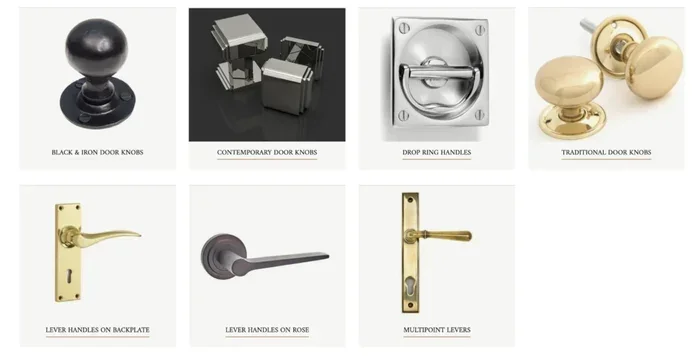
A lever handle is a vertical or horizontal bar that you push down or pull up to operate the door. A knob handle is a rounded grip that you turn to open or close the door. Lever handles are generally easier to operate, especially for people with limited hand strength. The type of handle your door uses depends on the door design and the latch mechanism.
Do exterior door handles and interior door handles use the same mechanism?
In most cases, no. Exterior and interior handles connect to the same latch mechanism but may use different linkages. On a car, the exterior handle often uses a cable or rod that connects to the interior handle and latch. The specific connection method varies by vehicle design, so always check how the handles link to the latch before purchasing replacements.
How long does it take to replace a door handle?
Most door handle replacements take between 15 and 45 minutes, depending on the door type and handle style. Household interior handles are usually the quickest to replace. Automotive handles may take longer because of the door panel and linkage connections. If you have basic tool experience, the process should be straightforward.
What should I do if the new handle does not fit after installation?
If the new handle does not fit, stop and do not force it into place. Check that you have the correct handle model for your door type. Verify the mounting style, base plate dimensions, and latch connection type. If the handle is defective or incompatible, return it to the seller and look for a replacement that matches your door specifications exactly.