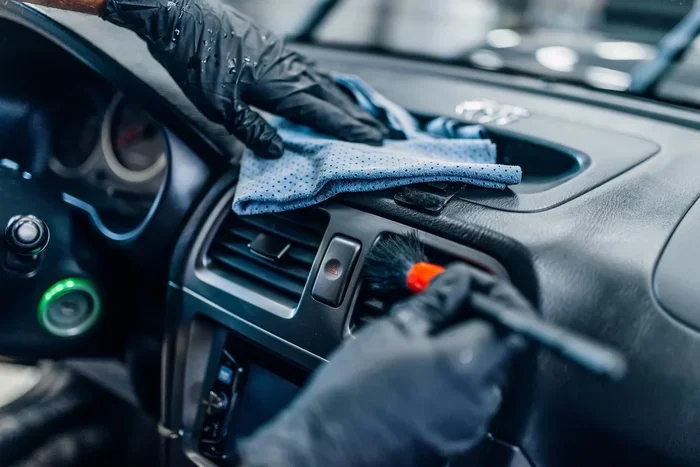
Car Interior Dry Cleaning Tips for a Fresh and Clean Cabin
Car interior dry cleaning is one of the fastest and easiest ways to keep your vehicle’s cabin looking brand new. This guide covers everything from upholstery cleaning and dashboard detailing to stain removal and car odor removal, so you can enjoy a fresh and clean cabin every time you sit down.
Key Takeaways
- Dry cleaning is gentle and fast: You don’t need water or heavy equipment to get a deep-clean result inside your car.
- Regular maintenance prevents buildup: A quick weekly clean keeps dirt, dust, and stains from settling into your seats and carpets.
- The right products make a big difference: Using quality cleaning products for car interior protects surfaces and extends their lifespan.
- Steam cleaning is a powerful option: Steam cleaning car interior kills bacteria and removes stubborn odors without soaking your upholstery.
- Avoid common mistakes: Skipping ventilation, using harsh chemicals, or neglecting crevices can ruin your results and damage materials.
- Know how often to clean: Most experts recommend a full car interior detailing session every 3 to 6 months for best results.
📑 Table of Contents
- Why Car Interior Dry Cleaning Matters More Than You Think
- Best Car Interior Dry Cleaning Techniques
- Step-by-Step Guide to Dry Cleaning Your Car Interior
- Top Cleaning Products for Car Interior Dry Cleaning
- Common Mistakes to Avoid When Dry Cleaning Your Car Interior
- How Often Should You Dry Clean Your Car Interior?
- Expert Insights on Car Interior Dry Cleaning
- Conclusion
Why Car Interior Dry Cleaning Matters More Than You Think
Most people focus on the outside of their car. They wash the paint. They wax the hood. But the inside? That often gets ignored. This is a big mistake. Your car’s interior takes a beating every single day. Coffee spills. Crumbs pile up. Dust settles on every surface. Over time, all that grime builds up and makes your cabin look and smell terrible.
That’s where car interior dry cleaning comes in. It’s a simple process that uses minimal moisture. This means you can clean deep into your seats, carpets, and crevices without worrying about water damage. It’s perfect for fabric seats, leather surfaces, and even your dashboard. Best of all, it takes less time than you probably think.
Car interior dry cleaning also helps maintain the value of your vehicle. A well-kept interior signals that the car has been cared for. If you ever decide to sell, a fresh and clean cabin can boost resale price significantly. So whether you’re a daily commuter or a weekend driver, keeping your interior spotless should be a top priority.
The Hidden Problem Inside Your Car
Here’s something most drivers don’t realize. Your car interior collects far more dirt than what meets the eye. Dust mites, allergens, and bacteria hide deep inside fabric fibers and carpet padding. These invisible invaders affect your health and comfort. They can trigger allergies, headaches, and that stale car smell you just can’t shake.
Regular upholstery cleaning and interior maintenance help you fight back. By removing contaminants before they settle in, you protect both your health and your car’s surfaces. Think of it like brushing your teeth. Skip it for a while, and things get worse fast.
Best Car Interior Dry Cleaning Techniques
Now let’s get into the good stuff. There are several tried-and-true techniques for car interior dry cleaning. Each one works best on different surfaces and types of dirt. Let’s walk through them so you know exactly what to use and when.
1. Vacuum Cleaning for Loose Debris
This is always the first step. Before you apply any cleaning product, you need to remove loose dirt, crumbs, and dust. Use a strong handheld vacuum or a full-size shop vac. Pay close attention to seams, crevices, and corners where debris loves to hide.
Don’t just vacuum the seats and floor. Get the dashboard edges, center console, and door pockets too. A thorough vacuum cleaning session sets the stage for everything that follows. It lifts the bulk of visible grime and makes your other efforts much more effective.
2. Steam Cleaning Car Interior
Steam cleaning car interior is one of the most powerful methods available. It uses high-temperature steam to loosen dirt, kill bacteria, and remove odors. The best part? It uses very little water, so your surfaces dry quickly. There’s no risk of mold or water stains.
You can use a steam cleaner on fabric seats, carpet, leather trim, and even air vents. The steam dissolves grease and grime on contact. It also sanitizes surfaces, which is great during cold and flu season. Many car owners consider steam cleaning the gold standard for deep car detailing tips.
3. Dry Powder Cleaning
This technique involves sprinkling a dry cleaning powder onto fabric or carpet surfaces. The powder absorbs dirt, oils, and stains. After a few minutes, you vacuum it all up along with the grime it captured. It’s simple, affordable, and very effective for fabric cleaning.
Dry powder cleaners work especially well on light-colored carpets and cloth seats. They lift stains without saturating the material. This makes them a favorite for quick touch-ups between full cleaning sessions.
4. Foam Cleaning for Leather and Vinyl
For leather seats and vinyl trim, foam cleaners are your best friend. You spray the foam onto the surface, let it sit briefly, and then wipe it away with a microfiber cloth. The foam lifts dirt and oils without stripping the material’s natural finish.
This method is gentle yet effective. It works great for leather seat cleaning and keeps your surfaces soft and supple. Always choose a pH-balanced foam cleaner to avoid drying out or cracking your leather.
Step-by-Step Guide to Dry Cleaning Your Car Interior
Ready to get started? Here’s a complete step-by-step walkthrough for a full car interior dry cleaning session. Follow these steps and your cabin will look and smell amazing.
Step 1: Gather Your Supplies
Before you begin, make sure you have everything you need. Here’s a quick checklist:
- Handheld vacuum or shop vac
- Microfiber cloths (at least 3-4)
- Dry cleaning powder or foam cleaner
- Steam cleaner (optional but highly recommended)
- Soft-bristle brush for crevices
- Dashboard wipes or all-purpose cleaner
- Air freshener or odor eliminator
- Cotton swabs for tight spots
Step 2: Remove Trash and Personal Items
Take out all trash, cups, and loose items from your car. Check under seats, in door pockets, and in the glove compartment. A clean workspace makes the cleaning process smoother and faster.
Step 3: Vacuum Every Surface
Go over every seat, carpet area, and crevice with your vacuum. Use the crevice tool for tight spaces between seats and the center console. Don’t rush this step. Thorough vacuum cleaning now saves you effort later.
Step 4: Apply Your Chosen Dry Cleaner
Based on your surface type, apply dry cleaning powder, foam, or steam. Work one section at a time. Use gentle, circular motions to lift dirt. For stubborn stains, let the cleaner sit a little longer before wiping or vacuuming it up.
Step 5: Wipe Down Hard Surfaces
Use a damp microfiber cloth or dashboard wipes to clean your dashboard, center stack, and door panels. Don’t forget your air vents. Use cotton swabs to get dust out of vent slats. These small details make a huge visual impact.
Step 6: Freshen Up and Protect
Once everything is clean and dry, add a pleasant scent. Choose an odor eliminator rather than a mask fragrance. Odor eliminators neutralize smells instead of just covering them. Then step back and admire your fresh and clean cabin.
Quick Tips for Best Results
- Always test cleaners on a small, hidden area first.
- Work in sections to avoid cleaners drying on surfaces.
- Keep windows slightly open for ventilation during cleaning.
- Use separate cloths for different areas to avoid cross-contamination.
- Clean spills immediately to prevent deep staining.
Top Cleaning Products for Car Interior Dry Cleaning
Not all cleaning products are created equal. The ones you choose directly affect your results and the health of your car’s surfaces. Let’s look at the best categories of cleaning products for car interior use.
Best Vacuum Cleaners
A good vacuum is the backbone of any car interior dry cleaning routine. Handheld vacuums like the Black+Decker Dustbuster or the Bissell Pet Hair Eraser are compact and powerful. For bigger jobs, a shop vac with a car adapter works great.
Best Dry Cleaning Powders
Products like Carbona Stain Devils or OxiClean powder work wonderfully on fabric seats and carpet. Sprinkle, wait, vacuum. It’s that simple. These powders absorb oils and lift stains without any moisture. They’re perfect for deep cleaning car seats between washes.
Best Steam Cleaners
If you want professional-level results at home, invest in a handheld steam cleaner. Models like the Bissell SteamShot or the McCulloch MC1385 produce powerful, sanitizing steam. They’re excellent for car odor removal and killing germs without chemicals.
Best Leather and Vinyl Cleaners
For leather interiors, look for pH-balanced cleaners like Leather Honey or Chemical Guys Leather Cleaner. These products nourish and protect while they clean. Pair them with a quality leather conditioner for the best long-term results.
Best Dashboard and Trim Wipes
303 Aerospace Protectant wipes are a fan favorite. They clean and protect against UV damage in one step. For a budget option, any quality microfiber cloth with diluted all-purpose cleaner works well for dashboard detailing.
| Product Type | Best For | Ease of Use | Price Range |
|---|---|---|---|
| Handheld Vacuum | Loose debris, crumbs, dust | Very Easy | $20-$80 |
| Dry Cleaning Powder | Fabric seats, carpet stains | Easy | $5-$15 |
| Steam Cleaner | Deep sanitizing, odor removal | Moderate | $50-$200 |
| Leather Cleaner | Leather seats, vinyl trim | Easy | $10-$25 |
| Dashboard Wipes | Hard surfaces, vents | Very Easy | $5-$12 |
Common Mistakes to Avoid When Dry Cleaning Your Car Interior
Even with the right tools and products, mistakes can ruin your results. Here are some common mistakes to watch out for during your car interior dry cleaning sessions.
Skipping the Vacuum Step
Some people jump straight to applying cleaners without vacuuming first. This pushes dirt deeper into surfaces instead of removing it. Always vacuum before you clean. It makes every other step more effective.
Using Too Much Product
More product doesn’t mean cleaner. Using excessive foam or powder leaves residue behind. This residue attracts more dust and dirt over time. Use a light hand and wipe away any excess promptly.
Ignoring Ventilation
Keep your car windows slightly open while cleaning. This allows fumes to escape and helps surfaces dry faster. Closed windows trap moisture inside, which can lead to mold growth and musty smells.
Using Harsh Household Cleaners
Don’t use regular household cleaners on your car interior. Products containing bleach, ammonia, or alcohol can damage leather, crack plastic, and discolor fabric. Stick to products specifically designed for automotive interior detailing.
Neglecting Hidden Areas
Under seats, behind consoles, and inside door pockets collect a surprising amount of dirt. If you ignore these areas, they become breeding grounds for bacteria and odors. Take the extra time to reach them during every cleaning session.
Not Drying Surfaces After Cleaning
Even with dry cleaning methods, some moisture may remain. Wipe all surfaces dry with a clean microfiber cloth. Lingering moisture leads to mildew and that unpleasant stale smell you want to avoid.
How Often Should You Dry Clean Your Car Interior?
Frequency depends on how much you use your car and what kind of driving you do. Here’s a general guide:
Weekly Quick Clean
Take 10-15 minutes each week to vacuum seats, floors, and dashboard. Wipe down surfaces with a damp cloth. This prevents buildup and keeps your cabin consistently fresh and clean. It’s the easiest habit to form and the most impactful over time.
Monthly Deep Clean
Once a month, do a more thorough session. Use dry cleaning powder on fabric, foam cleaner on leather, and a steam cleaner if you have one. This monthly interior maintenance keeps your car looking nearly new.
Quarterly Full Detailing
Every 3 to 6 months, consider a full car interior detailing session. This includes everything from deep upholstery cleaning to car odor removal and conditioning of leather surfaces. Think of it as a spa day for your car.
Adjust Based on Your Lifestyle
If you have kids, pets, or eat in your car often, you may need to clean more frequently. Heavy use means more dirt, crumbs, and spills. Don’t be afraid to increase your cleaning frequency to match your lifestyle. A little extra effort goes a long way toward preserving your interior.
Expert Insights on Car Interior Dry Cleaning
Professional detailers have a few insights worth knowing. First, they always start with the darkest, dirtiest area first. This way, any residue from cleaning doesn’t show on already-clean surfaces. Second, they recommend using separate cloths for different products. This prevents chemical reactions on sensitive surfaces.
Many pros also emphasize prevention. Seat covers, floor mats, and sunshades protect your interior from daily wear and UV damage. Pairing these protective measures with regular car interior dry cleaning gives you the best of both worlds. Your surfaces stay cleaner longer, and your detailing sessions become faster and easier.
Another pro tip: address stains immediately. The longer a stain sits, the harder it becomes to remove. Blot (don’t rub) spills right away. Then apply your chosen stain removal method as soon as possible. Quick action saves you from permanent damage and costly repairs.
Conclusion
Car interior dry cleaning is a simple yet powerful way to keep your vehicle’s cabin looking, feeling, and smelling fantastic. Whether you use a vacuum, a steam cleaner, or dry cleaning powder, the key is consistency. Regular maintenance protects your surfaces, improves your health, and preserves your car’s value.
Follow the steps in this guide and you’ll have a fresh and clean cabin every time you drive. Start with the basics. Stay consistent. And don’t skip those hidden spots. Your car interior deserves the same care and attention as the rest of your vehicle. Take action today and enjoy the difference a truly clean car makes.
Frequently Asked Questions
What is car interior dry cleaning?
Car interior dry cleaning is a cleaning method that uses minimal or no water to remove dirt, stains, and odors from your vehicle’s interior. It includes techniques like vacuuming, dry powder cleaning, steam cleaning, and foam cleaning for surfaces like seats, carpets, and dashboards.
Is steam cleaning considered a dry cleaning method?
Yes, steam cleaning is considered a dry cleaning method because it uses very little water. The high-temperature steam evaporates quickly, leaving surfaces clean and dry within minutes. It’s one of the most effective steam cleaning car interior techniques available.
Can I use regular household cleaners for my car interior?
No, you should avoid regular household cleaners. Many contain harsh chemicals like bleach or ammonia that can damage leather, crack plastic, and discolor fabric. Always use products specifically designed for automotive interior detailing and surface safety.
How long does a full dry cleaning session take?
A basic car interior dry cleaning session takes about 30 to 45 minutes for most vehicles. A deeper session with steam cleaning and upholstery cleaning may take up to 2 hours depending on the condition of your interior and the level of detail you want.
How can I remove stubborn car odors during dry cleaning?
Use an odor eliminator rather than a air freshener that just masks smells. Steam cleaning is highly effective for car odor removal because it kills odor-causing bacteria. You can also sprinkle baking soda on carpet seats, let it sit for 15 minutes, then vacuum it up for additional freshness.
What’s the difference between dry cleaning and traditional wet cleaning for car interiors?
Car interior dry cleaning uses little to no moisture, making it safer for fabric and leather and faster to complete. Traditional wet cleaning involves water and shampoo, which can take longer to dry and carries a risk of mold or water damage if not properly ventilated. Dry cleaning is ideal for quick, safe maintenance.