Car Gear Speed Limit Guide Every Driver Should Know
Understanding your car gear speed limit is essential for safe and efficient driving. This guide covers everything from gear ratio basics to practical tips for managing speed in both manual and automatic vehicles. Mastering this knowledge helps you drive smoother, save fuel, and stay safe on every trip.
Key Takeaways
- Know your gear speed limits: Each gear in your car has a specific speed range. Staying within these ranges keeps your engine healthy and your drive smooth.
- Match your RPM to speed: Proper speed matching between gears prevents unnecessary wear and improves fuel efficiency.
- Avoid over-revving: Driving in too low a gear at high speed can damage your engine and reduce vehicle control.
- Use engine braking wisely: Downshifting on steep descents helps control speed without overusing brakes.
- Automatic cars still need attention: Even with automatic transmissions, understanding gear speed limits improves your driving significantly.
- Adapt to road conditions: Weather, terrain, and traffic all affect the ideal gear speed limit for safe driving.
📑 Table of Contents
- What Is Car Gear Speed Limit?
- How Gear Speed Limits Work in Manual Cars
- Automatic Transmission Gear Speed Limits
- Common Car Gear Speed Limit Mistakes
- Tips for Managing Gear Speed Limits Safely
- Gear Speed Limits for Different Driving Conditions
- The Connection Between Gear Speed and Engine Health
- How to Check Your Vehicle’s Specific Gear Speed Limits
- Key Takeaways
- Conclusion
What Is Car Gear Speed Limit?
Every car has a car gear speed limit. This is the safe and efficient speed range for each gear in your transmission. Driving outside these ranges can cause damage, waste fuel, or reduce control.
Think of it this way. Each gear is like a running lane on a highway. Low gears handle slow speeds and heavy loads. High gears work best at faster speeds. Staying in the right gear at the right speed keeps everything running smoothly.
Most drivers learn to shift gears but never think about speed limits for each one. That gap in knowledge leads to bad habits. It leads to premature wear on engine parts. Sometimes it creates dangerous situations on the road.
Why Gear Speed Limits Matter
Your engine has a power band. This is the RPM range where it performs best. When you drive within the right gear speed range, your engine hits that sweet spot.
Here is what happens when you ignore gear speed limits:
- Engine strain increases. Internal parts take extra stress.
- Fuel economy drops. You burn more gas than necessary.
- Transmission wear accelerates. Clutch and gear components degrade faster.
- Vehicle control decreases. Especially on hills or wet roads.
Understanding car gear speed limit basics protects your investment. It also makes you a safer, more confident driver.
How Gear Speed Limits Work in Manual Cars
Manual transmissions give you full control over gear selection. That is both a blessing and a challenge. You must learn when to shift up and when to shift down.
Typical Gear Speed Ranges
Most manual cars follow general speed ranges for each gear. These are approximate. Always check your vehicle manual for exact figures.
| Gear | Speed Range | Common Use |
|---|---|---|
| 1st Gear | 0-20 mph | Starting from stop |
| 2nd Gear | 10-30 mph | Low-speed turns, parking |
| 3rd Gear | 20-45 mph | City driving |
| 4th Gear | 35-60 mph | Open roads, suburbs |
| 5th Gear | 50-75 mph | Highway cruising |
| 6th Gear | 65-90+ mph | High-speed cruising |
These ranges vary by vehicle. A small hatchback differs from a heavy truck. Always refer to your gear ratio specifications for accuracy.
Speed Matching When Shifting Gears
Speed matching means bringing your wheel speed in line with the next gear before you shift. It prevents gear grinding and extends clutch life.
Here is a simple process for gear shifting technique:
- Accelerate to the upper end of your current gear range.
- Blip the throttle to match engine speed with the next gear.
- Release the clutch smoothly.
- Accelerate gently in the new gear.
This takes practice. But once you master speed matching, every shift feels seamless.
Revving Too High in Low Gears
One common mistake is staying in a low gear at high speed. This is called over-revving. The engine screams. Internal components face extreme stress.
Your car gear speed limit for low gears is low for a reason. The gear ratios are designed for torque, not speed. Pushing them beyond their limits causes damage quickly.
Quick Tip: If your engine sounds strained, shift up immediately. Do not wait for the tachometer needle to redline.
Automatic Transmission Gear Speed Limits
Automatic cars shift gears for you. That does not mean you are off the hook. Understanding automatic transmission speeds helps you drive more efficiently.
How Automatic Transmissions Choose Gears
Your transmission uses sensors and a control module. It monitors speed, throttle position, and engine load. Then it picks the best gear for the situation.
Most modern automatics have 6 to 10 gears. Each gear has a speed window. The system shifts up when speed increases and down when load demands it.
Even so, aggressive driving can confuse the system. Flooring the accelerator may hold a lower gear longer. That affects your car gear speed limit and fuel economy.
Overdrive Gear and Highway Driving
Overdrive is the highest gear. It reduces engine RPM at high speeds. This improves fuel efficiency and reduces noise.
However, overdrive is not for every situation. Using it during heavy acceleration or towing can overwork the engine. Know when to use overdrive and when to stay in a lower gear.
Expert Insight: Many drivers leave overdrive on constantly. On steep highways or during towing, switch it off. Your transmission will thank you.
Manual Mode in Automatic Cars
Many automatics offer a manual mode. It lets you override automatic shifts. This is useful on hilly roads or during downshifting while driving.
Using manual mode gives you more control. You can hold a lower gear for engine braking. You can also prevent unnecessary upshifts on highways.
Common Car Gear Speed Limit Mistakes
Even experienced drivers make gear-related mistakes. These errors affect performance, safety, and costs. Let us look at the most common ones.
Driving in Too High a Gear at Low Speed
This happens when drivers skip gears. For example, starting in 3rd gear instead of 1st. The engine lugges. It struggles to produce power.
Doing this repeatedly damages engine mounts and clutch components. Always start in the correct low gear. Respect proper gear selection principles.
Skipping Gears During Upshifts
Some drivers jump from 2nd to 4th gear. While possible in some vehicles, it is risky. The engine may not have enough torque. The car lurches forward unevenly.
Sequential gear shifting is safer. Work through each gear step by step. This protects your vehicle transmission and improves smoothness.
Ignoring Downshift Signals
When approaching a red light or a downhill slope, you should downshift. Many drivers just brake hard instead. This wears brake pads faster and reduces control.
Engine braking is a powerful tool. Let the engine do the slowing work. Shift to a lower gear and let RPM rise gradually.
Neglecting Gear Synchronization
Gear synchronization means matching engine speed to wheel speed before shifting. Skipping this step causes grinding. It damages synchronizer rings inside the gearbox.
Take time to match speeds. A quick throttle blip before shifting up helps a lot. For downshifts, rev-matching is equally important.
Tips for Managing Gear Speed Limits Safely
Now that you understand the basics, let us look at practical tips. These will help you manage car gear speed limit situations with confidence.
Tip 1: Learn Your Vehicle’s Power Band
Every engine has a power band. This is the RPM range where it makes the most torque and horsepower. For most cars, this is between 2,500 and 4,500 RPM.
Try to keep your RPM in this range during normal driving. It gives you the best balance of power and fuel efficiency gears.
Tip 2: Use the Tachometer
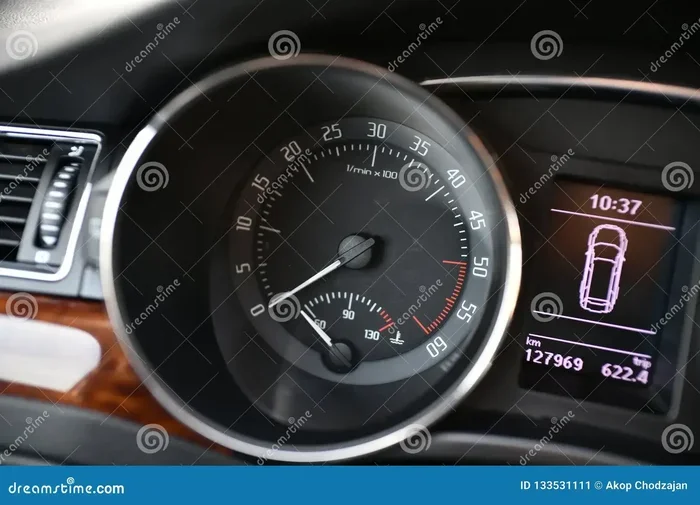
Your tachometer shows engine RPM in real time. Watch it while driving. It tells you when to shift up or down.
Shifting too early causes lugging. Shifting too late causes over-revving. The tachometer removes the guesswork from acceleration gear timing.
Tip 3: Anticipate Road Conditions
Good drivers look ahead. If you see a red light ahead, start easing off early. Begin downshifting before you reach the stop.
If you see a steep hill coming, prepare by selecting a lower gear. Anticipation prevents last-minute panic shifts. It keeps your drive smooth and safe.
Tip 4: Avoid Cruise Control on Steep Hills
Cruise control works great on flat highways. On steep mountain roads, it can cause problems. The system may hold a high gear during descents. That removes engine braking from the equation.
Disable cruise control on hilly terrain. Use lower gears manually to maintain safe speed.
Quick Tips for Better Gear Management
- Shift up at 2,500-3,500 RPM for most driving situations.
- Downshift before curves, not during them.
- Use lower gears when towing heavy loads.
- Warm up the engine before driving aggressively.
- Check transmission fluid regularly for smooth shifts.
Gear Speed Limits for Different Driving Conditions
Road conditions change everything. Your gear speed limit is not always the same. You must adapt based on the environment.
City Driving
City roads are full of stops and starts. Use low gears for frequent acceleration. 1st and 2nd gears handle parking and tight turns. 3rd gear is your workhorse for urban speeds.
Keep speeds under 30 mph in 1st and 2nd gears. Use 3rd gear up to 45 mph. Only use 4th gear on open city roads with light traffic.
Highway Driving
Highways demand higher gears. 4th or 5th gear handles 40-65 mph comfortably. 6th gear (if available) is ideal for 65-80 mph cruising.
Stay in high-speed gear selection for fuel economy. Lower gears at highway speed cause drag. The engine works harder and uses more fuel.
Mountain and Hill Driving
Hills change your speed gear correlation entirely. Uphill, use lower gears even if speed drops. Let the engine work at higher RPM to maintain power.
Downhill, shift to a lower gear for engine braking. Never ride the brakes on long descents. Overheated brakes fail. This is extremely dangerous.
Wet and Icy Roads
Slippery surfaces require gentler gear handling. Accelerate in low gears to reduce wheel spin. Keep speeds low and shift smoothly.
Abrupt gear changes on ice cause loss of traction. Smooth inputs are your best friend. Respect the driving gear safety rules and you will stay in control.
Towing and Heavy Loads
Towing changes everything. Your low gear for towing should be lower than normal. The extra weight demands more torque at lower speeds.
Use 2nd or 3rd gear when pulling away with a trailer. On highways, stay in a gear that keeps RPM between 2,500 and 3,500. Do not let the engine strain at high RPM for long periods.
Expert Insight: Heavy towing requires a transmission cooler. Standard transmissions overheat under sustained load. An aftermarket cooler extends life and prevents failure.
The Connection Between Gear Speed and Engine Health
Your car gear speed limit directly affects engine longevity. Driving correctly in the right gears reduces wear on every component. Let us explore this connection.
Clutch Wear and Gear Selection
In manual cars, the clutch takes the most abuse. Riding the clutch while driving in too high a gear causes extra slipping. This wears the friction disc prematurely.
Proper gear selection reduces clutch engagement time. You shift less often and more accurately. The clutch lasts longer and performs better.
Brake System Stress
Drivers who ignore downshifting rely entirely on wheel brakes. Over time, brake pads and rotors wear out. Brake fluid also degrades faster from heat buildup.
Engine braking shares the workload. Your transmission helps slow the car. This reduces brake system stress significantly.
Engine Oil Quality
Over-revving in high gears produces excess heat. This breaks down engine oil faster. You need more frequent oil changes. The engine internals also suffer.
Staying within optimal RPM range keeps oil temperature normal. It lasts longer and protects engine parts better.
How to Check Your Vehicle’s Specific Gear Speed Limits
Every car is different. You should know your specific vehicle transmission types and speed ranges. Here is how.
Check the Owner’s Manual
The owner’s manual is your best resource. It lists every gear’s purpose and recommended speed range. Look for the transmission section specifically.
Use a Gear Ratio Calculator
Online gear ratio calculators help you understand speed-to-RPM relationships. Enter your tire size, gear ratios, and final drive ratio. The calculator shows your speed at any given RPM.
This is especially useful for modified vehicles. If you changed tires or gears, your speed limits shift accordingly.
Monitor Your Driving Data
Modern cars track driving data. Use the onboard computer to watch RPM and speed. Over time, you will learn your car’s sweet spots naturally.
Aftermarket OBD-II devices provide even more detail. They show real-time transmission data and shift points. This helps you optimize shift points for performance and efficiency.
Key Takeaways
Understanding car gear speed limit principles transforms how you drive. You become more efficient, safer, and more confident behind the wheel. Always respect your gears and they will serve you well for years.
Conclusion
Mastering your car gear speed limit is not just for car enthusiasts. Every driver benefits from this knowledge. You save fuel, reduce maintenance costs, and drive more safely.
Start by learning your vehicle’s specific gear ranges. Practice smooth shifting and speed matching. Use engine braking on hills. Adapt your gear selection to road conditions.
The road is always changing. Your driving approach should change with it. Respect your gears, manage your speed, and every journey becomes smoother and safer. Put these tips into practice today, and notice the difference immediately.
Frequently Asked Questions
What is the car gear speed limit for 1st gear?
Most cars have a 1st gear speed limit of 0 to 20 mph. This gear is designed for starting from a standstill and slow maneuvering. Driving faster than 20 mph in 1st gear over-revs the engine and causes damage. Always shift up as speed increases.
Can I skip gears when upshifting?
You can skip gears in some situations, but it is not recommended for most drivers. Skipping gears causes uneven power delivery and strains the transmission. Sequential shifting through each gear is safer and smoother. It also extends transmission life.
How does downshifting help with speed control?
Downshifting uses engine braking to slow the car. When you shift to a lower gear, engine RPM rises and creates resistance. This reduces reliance on wheel brakes. It gives you better control, especially on steep downhill roads.
What is the best gear for highway driving?
For most cars, 5th or 6th gear is ideal for highway driving. These gears keep engine RPM low at high speeds. This improves fuel efficiency and reduces engine noise. Use overdrive if available for steady cruising.
Does gear speed limit apply to automatic cars?
Yes, it absolutely does. Even though automatic cars shift gears on their own, each gear still has a speed range. Understanding these ranges helps you drive more efficiently. You can also use manual mode to override shifts when needed.
What happens if you drive in the wrong gear at high speed?
Driving in too low a gear at high speed over-revs the engine. This causes excessive heat and internal stress. It can break engine mounts, damage piston rings, and ruin synchronizers. In worst cases, it causes catastrophic engine failure. Always match your gear to your speed.