Why a Car Door Rubber Protector Is Worth Every Penny
A car door rubber protector is a simple yet powerful accessory that shields your car doors from dings, scratches, and weather damage. Installing one can extend the life of your door seals and paint job by several years. This guide covers everything you need to know about choosing, installing, and maintaining a car door rubber protector to keep your vehicle looking great.
A car door rubber protector is one of the simplest and most effective ways to shield your vehicle from everyday damage. If you have ever walked past your car and noticed a nasty scratch along the door edge, you know how frustrating small dings and chips can be. These tiny imperfections add up fast, and they can cost you serious money in repairs. A car door rubber protector is a small investment that prevents all of that.
This guide covers everything you need to know about car door rubber protectors. We will explain what they are, why they matter, the different types available, and how to choose and install the right one for your vehicle. By the end, you will understand exactly why this little accessory is worth every single penny.
Key Takeaways
- Saves Money on Repairs: A car door rubber protector prevents scratches and chips that would otherwise require costly paint touch-ups and panel repaints.
- Extends Door Seal Life: By absorbing impact, a door edge protector reduces wear on your door seals, helping them last longer and function properly.
- Easy to Install: Most rubber door guards are DIY-friendly and can be installed in under 30 minutes with no special tools.
- Multiple Types Available: From adhesive strips to magnetic guards, there is a car door rubber protector style to suit every vehicle and preference.
- Boosts Resale Value: A well-protected car door signals care and maintenance, which can help you get a better price when selling or trading in.
- All-Weather Protection: Quality protectors shield your doors from UV rays, rain, snow, and temperature extremes year-round.
- Quick Return on Investment: The cost of a protector is recovered after preventing just one minor repair, making it one of the best value accessories you can buy.
📑 Table of Contents
- What Is a Car Door Rubber Protector and Why Do You Need One?
- How a Car Door Rubber Protector Saves You Money
- Types of Car Door Rubber Protectors Available
- How to Choose the Right Car Door Rubber Protector
- Installation Tips for Your Car Door Rubber Protector
- Common Mistakes People Make with Door Protectors
- Final Thoughts: Is a Car Door Rubber Protector Worth It?
What Is a Car Door Rubber Protector and Why Do You Need One?
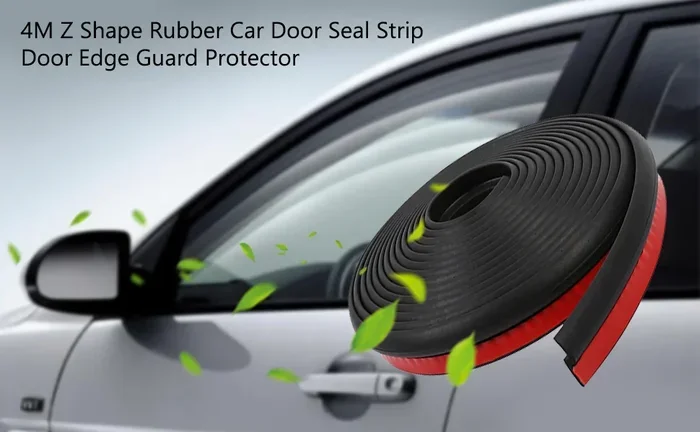
A car door rubber protector is a flexible rubber strip designed to fit along the edge of your car door. It covers the area where the door meets the frame and where most contact damage happens. These protectors are also known as door seal protectors, rubber door guards, or door edge protectors in the automotive world.
Your car doors take a beating every single day. You open them in tight parking spaces. You brush them against walls, poles, and other vehicles. Over time, this repeated contact chips away at your paint and damages the vehicle door seal. A car door rubber protector absorbs that impact so your actual car door does not have to.
How Door Damage Happens
Most people do not realize how often their doors get bumped or scraped. Here are the most common causes of door damage:
- Parking in tight spaces where doors touch other cars or walls
- Opening doors near curbs or concrete pillars
- Wind blowing debris against the door edge
- Children or pets accidentally bumping the door
- Car washes and automatic door systems
Each of these small incidents causes micro-damage. Over months and years, this adds up to visible scratches, paint chips, and even rust spots. A rubber door guard prevents this damage from ever reaching your car’s surface. Think of it as paint protection for doors that works silently every day.
Why Door Seals Matter
Your car door weatherstripping does more than just keep water out. It also blocks dust, noise, and wind from entering your vehicle. When the seal gets damaged, you may notice water leaking into your cabin or unusual wind noise while driving. Protecting the seal with a door seal protector helps maintain your vehicle’s overall comfort and structural integrity.
How a Car Door Rubber Protector Saves You Money
One of the biggest reasons people invest in a car door rubber protector is the cost savings. Let us break down exactly how this small accessory can save you real money over time.
Avoiding Expensive Paint Repairs
A single paint touch-up can cost anywhere from $50 to $300 depending on the damage and your vehicle. A full panel repaint can run $500 or more. Now imagine you need several of those repairs over the life of your car. A door edge protector costs between $10 and $40 per piece. That is a massive return on investment for something you install once and forget about.
Extending the Life of Your Door Seals
Replacing a car door seal can cost between $50 and $200 for parts alone, plus labor charges. By using a car door rubber protector, you reduce the wear and tear on your existing seals. This means fewer trips to the mechanic and fewer expenses over the years. Your rubber trim seal stays flexible and functional much longer with the extra layer of protection.
Preserving Your Vehicle’s Resale Value
Buyers notice door damage. Even small scratches along the door edge can lower a buyer’s perception of your car’s overall condition. A well-maintained exterior with door seal protectors in place signals that the vehicle has been cared for. This can help you get a better price when it is time to sell or trade in. Car door scratch prevention is one of the easiest ways to protect your investment.
| Repair Type | Average Cost | How a Protector Helps |
|---|---|---|
| Paint Touch-Up | $50 – $300 | Prevents scratches and chips along the door edge |
| Panel Repaint | $500+ | Absorbs impact before paint is damaged |
| Door Seal Replacement | $50 – $200 | Reduces seal wear and tear significantly |
| Rust Repair | $100 – $1,000+ | Prevents exposure that leads to rust formation |
When you look at the numbers, the math is clear. A car door rubber protector pays for itself after preventing just one minor repair. Over the lifetime of your vehicle, the savings can add up to hundreds of dollars.
Types of Car Door Rubber Protectors Available
Not all door rubber guards are created equal. The market offers several types, and each has its own strengths. Let us look at the most popular options so you can find the right fit for your needs.
Adhesive Rubber Strips
These are the most common type of car door rubber protector. They come with a self-adhesive backing that sticks directly to the door edge. Installation is quick and straightforward. Most adhesive strips are made from PVC or silicone rubber, which offers good durability and weather resistance. These automotive door accessories are the go-to choice for most car owners because of their simplicity and affordability.
Best for: People who want a simple, no-fuss solution. These strips work well on most vehicle models and can be installed in under 15 minutes.
Clip-On Door Protectors
Clip-on protectors attach to the door edge using small clips or pins. They do not require any adhesive, which makes them easy to remove and reposition. This type of rubber door guard is ideal for people who want flexibility or who rent their vehicles. A clip-on door protector also works well on doors with textured or curved edges where adhesive might not stick well.
Best for: Renters or anyone who prefers a non-permanent solution. These are also great for car door dings prevention in shared parking garages.
Magnetic Door Guards
Magnetic protectors use strong magnets to hold the rubber strip in place along the door edge. They offer a clean look without any visible adhesive. These door seal protectors are slightly more expensive but very easy to install and remove. If you have a premium paint finish, magnetic guards are an excellent choice because they leave no residue behind.
Best for: Car enthusiasts who want a sleek, invisible look. Magnetic guards also work great on vehicles where you want to avoid any door seal adhesive residue on the paint.
Full Door Edge Kits
Some brands offer complete kits that cover the entire door edge, including the top, bottom, and sides. These vehicle protection accessories provide comprehensive protection and are ideal for vehicles that see heavy daily use or are parked in tight spaces regularly. A full door seal kit ensures that every inch of your door edge is guarded against damage.
Best for: Daily commuters and fleet vehicles that need maximum coverage and long-lasting protection. These kits often include rubber bumper strip sections for added durability.
How to Choose the Right Car Door Rubber Protector
With so many options available, choosing the right car door rubber protector can feel overwhelming. Here are the key factors to consider before you buy.
Material Quality
The material of your door rubber guard matters a lot. Look for protectors made from high-quality PVC, silicone, or thermoplastic rubber. These materials offer excellent UV resistance, flexibility in cold weather, and durability against daily wear. Cheap rubber materials may crack or peel after just a few months of use. Rubber trim seal quality varies widely between brands, so always check the product specifications before purchasing.
Compatibility with Your Vehicle Model
Not every protector fits every car. Door edges vary in thickness, curvature, and shape across different vehicle models. Before purchasing a car door rubber protector, check the product specifications against your specific make and model. Many brands list compatible vehicles on their packaging or product page. Using the wrong size can lead to gaps in protection or an ugly overlap on your door panel protector area.
Weather Resistance
Your car door protector faces sun, rain, snow, and extreme temperatures every day. Choose a rubber door guard that is rated for all-weather use. Look for products that mention UV protection and temperature resistance in their specifications. A protector that degrades quickly in the sun defeats the purpose entirely. Car door weather damage is one of the leading causes of seal deterioration, so weather-resistant materials are essential.
Ease of Installation
Most door edge protectors are designed for DIY installation. You should be able to apply or attach one without any special tools. If a product requires professional installation, factor that cost into your decision. The best car door rubber protector is one you can install yourself in minutes without any hassle.
Price vs. Value
You do not need to spend a fortune on a door protector. However, the cheapest options are often made from low-quality materials that will not last. Aim for a mid-range product from a reputable brand. Read customer reviews to see how well the protector holds up over time. A car door rubber protector that costs $20 and lasts five years is a far better value than one that costs $10 and peels off in three months.
Quick Tips for Choosing the Right Protector
- Check if the protector is flexible enough to conform to curved door edges
- Look for products with a warranty or satisfaction guarantee
- Choose a color that matches your vehicle or goes with a neutral black finish
- Read reviews from owners of the same vehicle model for real-world feedback
- Buy from a reputable auto parts retailer or the manufacturer directly
- Consider the door jamb seal compatibility if you are replacing multiple seals at once
- Check whether the protector is compatible with your existing car door gasket system
Installation Tips for Your Car Door Rubber Protector
Installing a car door rubber protector is one of the easiest automotive DIY tasks you can do. Most people complete the job in under 30 minutes. Here is how to do it right.
Step-by-Step Installation Guide
- Clean the door edge thoroughly. Use rubbing alcohol or a mild cleaner to remove dirt, grease, and wax from the area where the protector will be applied. This ensures proper adhesion and a long-lasting bond.
- Dry the surface completely. Any moisture left on the door edge will prevent the adhesive from bonding properly. Use a clean, dry cloth and let it air dry for a few minutes.
- Measure and trim if needed. Hold the protector against the door edge to check the fit. Some protectors need to be trimmed to match the exact length of your door. Use sharp scissors for a clean cut.
- Peel the backing and apply. Start at the top of the door and slowly press the protector down along the edge. Use your fingers or a soft cloth to smooth out any air bubbles as you go.
- Press firmly for 30 seconds. After the protector is in place, run your hand along the entire length to ensure strong adhesion. Some brands recommend waiting 24 hours before opening and closing the door frequently.
Expert Insights on Proper Installation
According to automotive detailing experts, the most common mistake people make is rushing the cleaning step. A car door rubber protector will only last as long as its bond to the door surface. Take your time with preparation, and the protector will stay put for years. Also, avoid installing protectors in direct sunlight or on hot surfaces, as heat can weaken the bond before it sets properly. If you are replacing an old rubber door guard, make sure to remove any leftover adhesive residue with a mild solvent before applying the new protector.
When to Replace Your Protector
Even the best door seal protector will eventually wear out. Signs that it is time for a replacement include peeling edges, cracking rubber, or loss of flexibility. Most protectors last between two and five years depending on the material quality and exposure to harsh weather conditions. Replacing a worn protector is quick and inexpensive, and it keeps your doors fully protected against car door weather damage and everyday wear.
Common Mistakes People Make with Door Protectors
Even though installing a car door rubber protector is simple, there are a few common mistakes that can reduce its effectiveness. Here is what to watch out for.
Skipping the Cleaning Step
This is the number one mistake. If you apply a protector to a dirty or greasy door edge, it will not stick properly. Dirt and oils create a barrier between the adhesive and the surface, leading to peeling and early failure. Always clean and dry the area thoroughly before application. This single step makes the biggest difference in how long your protector lasts.
Choosing the Wrong Size
A protector that is too short leaves gaps where damage can still occur. One that is too long may overlap onto the door panel and look unsightly. Measure your door edge carefully before purchasing a rubber door guard, and buy the correct size the first time. Most brands list exact dimensions, so double-check before ordering.
Ignoring Weather Conditions During Installation
Installing a protector in freezing temperatures or on a hot, sunny day can affect the adhesive performance. The ideal conditions are a mild, dry day with temperatures between 60 and 80 degrees Fahrenheit. This allows the adhesive to bond properly and set correctly. If you must install in extreme temperatures, consider doing it in a garage or shaded area.
Using Low-Quality Products
It is tempting to buy the cheapest option available, but a poor-quality car door rubber protector may crack, peel, or degrade within weeks. Investing in a well-made product from a trusted brand saves you time and frustration in the long run. Look for protectors with UV inhibitors and flexibility ratings for cold weather performance.
Forgetting to Check the Protector Regularly
A door edge protector needs occasional inspection just like any other car accessory. Check it once a month for signs of wear, peeling, or damage. Catching a problem early means you can replace the protector before your door edge is exposed to damage. Regular inspection is one of the simplest forms of car door scratch prevention you can practice.
Final Thoughts: Is a Car Door Rubber Protector Worth It?
The short answer is absolutely yes. A car door rubber protector is one of those small investments that pays big dividends. It protects your paint, preserves your door seals, prevents costly repairs, and keeps your car looking great for years to come.
Whether you park in tight city spaces, deal with rough weather, or simply want to keep your vehicle in top shape, a door rubber guard is a practical and affordable solution. The installation takes minutes, the cost is minimal, and the benefits last for years. You can choose from adhesive strips, clip-on guards, magnetic protectors, or full kits depending on your needs and budget.
If you have not yet considered adding a car door rubber protector to your vehicle, now is the perfect time. Your future self will thank you every time you walk past a car with scratched door edges and know yours looks perfect. Take a few minutes today to protect your doors, and your car will thank you for it every single day.
FAQs
How long does a car door rubber protector last?
Most car door rubber protectors last between two and five years, depending on the material quality and weather exposure. High-quality silicone and thermoplastic rubber protectors tend to last longer than basic PVC options. Regular inspection helps you catch wear early and replace the protector before it fails completely.
Can I install a car door rubber protector myself?
Yes, almost all door edge protectors are designed for DIY installation. The process typically involves cleaning the door edge, peeling off the adhesive backing, and pressing the protector into place. Most people complete the job in under 30 minutes with no special tools required. It is one of the easiest automotive upgrades you can do at home.
Will a car door rubber protector affect the way my door opens and closes?
No, a properly installed car door rubber protector should not affect door operation. The protector sits along the outer edge of the door and does not interfere with the hinge, latch, or seal mechanism. If you notice any rubbing or resistance, check that the protector is aligned correctly and not overlapping onto the door panel.
Are car door rubber protectors waterproof?
Most rubber door guards are designed to be water-resistant and weatherproof. They help protect the door edge from moisture, which can lead to rust and seal degradation. However, the protector is not a substitute for your car’s existing door rubber strip seal. It works alongside the seal to provide an extra layer of defense against water intrusion.
Can I remove a car door rubber protector without damaging my paint?
Adhesive-backed protectors can usually be removed without damaging the paint, especially if you peel them off slowly and gently. If any adhesive residue remains, a mild adhesive remover or rubbing alcohol will clean it off safely. Clip-on and magnetic protectors are even easier to remove since they do not use adhesive at all, making them ideal for vehicle door guard applications where you want flexibility.
What is the best material for a car door rubber protector?
Silicone and thermoplastic rubber are considered the best materials for a car door rubber protector. They offer superior flexibility, UV resistance, and durability compared to basic PVC. Silicone protectors also handle extreme temperatures better, making them ideal for vehicles exposed to harsh weather conditions year-round. If you live in an area with hot summers and cold winters, silicone is the way to go.