Car and Bike Polish The Complete Guide for Beginners
Car and bike polish is your secret weapon for achieving a head-turning, glossy finish on any vehicle. This beginner-friendly guide walks you through everything from choosing the right products to mastering professional-level techniques. Whether you are a first-timer or a car enthusiast, you will learn how to make your ride look brand new with car and bike polish.
Key Takeaways
- Car and bike polish removes swirl marks and restores paint clarity using gentle abrasion.
- Choosing the right polish type (compound, finishing, or cleaner wax) depends on your vehicle’s condition.
- Proper surface preparation and cleaning before polishing are critical for best results.
- Always use a microfiber cloth or polish pads and work in shaded areas.
- Applying car and bike polish by hand is great for beginners, while a car polishing machine speeds up the process.
- After polishing, seal your finish with a ceramic coating or wax for long-lasting protection.
- Regular automotive detailing and maintenance keep your gloss finish looking fresh for years.
📑 Table of Contents
What Is Car and Bike Polish?
Car and bike polish is a specially formulated product designed to clean, correct, and enhance the surface of your vehicle. It works by using very fine abrasives to remove minor scratches, swirl marks, and oxidation from the paint. The result is a smoother, glossier surface that looks like it just rolled off the factory floor.
Think of polish like a really gentle sandpaper for your car or bike. It does not change the paint color. Instead, it levels out tiny imperfections that dull the surface. When light hits the corrected surface, it bounces off evenly. That is what creates that deep, mirror-like gloss finish people love.
There are different types of polish for every situation. Some are strong and cut through heavy defects. Others are gentle and just add shine. Understanding these differences is the first step to getting great results with car and bike polish.
How Polish Differs from Wax
Many beginners confuse polish with wax. They are not the same thing. Polish corrects the paint by removing a thin layer of the clear coat. Wax seals and protects the surface after correction. You often use polish first and then wax on top. Some products combine both, called cleaner wax, but they are not as strong as dedicated polish.
Why It Matters for Vehicles
Your car or bike is constantly exposed to environmental damage. UV rays, bird droppings, tree sap, dust, and even rain can eat away at the clear coat over time. Without regular automotive detailing, these elements cause permanent dullness and discoloration. Using car and bike polish reverses this damage and keeps your vehicle looking its best.
Why You Need Car and Bike Polish for Your Vehicles
Regular car and bike polish does more than just make your ride look pretty. It plays a real role in protecting your investment. Here is why you should make polishing a regular part of your vehicle care routine.
Restores Paint Clarity
Over time, your vehicle’s paint loses its sharpness. Fine scratches and swirl marks scatter light instead of reflecting it cleanly. This makes the paint look foggy or hazy. Paint correction through polishing removes these defects. The paint becomes clear again, and colors look deeper and more vibrant.
Boosts Resale Value
A well-maintained vehicle stands out in the used market. Buyers notice paint condition immediately. If your car or bike has a polished, protected finish, it signals that the owner cared for it. That can add real money to your resale value. Car and bike polish is one of the cheapest ways to protect your asset.
Provides Surface Protection
Polished surfaces repel water, dirt, and dust better than untreated paint. When you follow up polishing with a good wax or ceramic coating, the protection multiplies. Your vehicle stays cleaner for longer between washes. This makes automotive detailing less frequent and less stressful.
Perfect for Two-Wheelers Too
Bikes are just as vulnerable to paint damage as cars. Road dust, insects, and weather take a toll on two-wheeler paint. Two-wheeler polish addresses these issues specifically. Bike frames, fairings, and fuel tanks all benefit from regular polishing. A well-polished bike not only looks better but also resists rust and corrosion.
Types of Car and Bike Polish Products
Not all polishes are created equal. Choosing the right one depends on your vehicle’s condition and your skill level. Let us break down the most common types of car and bike polish products available today.
Compound Polish
Compound polish is the heavy-hitter. It contains larger abrasive particles designed to cut through moderate to heavy defects. Use it for deep scratches, heavy oxidation, or water spots that have etched into the paint. Compound polish removes more material, so use it carefully. It is best for paint correction by experienced users or with a car polishing machine.
Finishing Polish
Finishing polish uses very fine abrasives. Its job is to remove the haze left behind by compound polish and add a smooth, reflective finish. This is the polish you use last in a multi-step process. It delivers that final gloss finish that makes paint pop. Finishing polish is safe for beginners and can be applied by hand.
Cleaner Wax
Cleaner wax sits somewhere between polish and wax. It contains mild abrasives for light correction and wax ingredients for protection. It is a great all-in-one option for vehicles with minor imperfections. If your car or bike only needs a quick refresh, cleaner wax is your best friend. It simplifies the process of car and bike polish for everyday maintenance.
Ceramic-Infused Polish
Newer products on the market combine polish with ceramic technology. These polishes add a layer of paint protection while correcting the surface. They offer longer-lasting results compared to traditional wax. Ceramic-infused polish is excellent for anyone wanting durable gloss without frequent reapplication.
Comparison Table: Polish Types at a Glance
- Compound Polish: Heavy cutting, best for deep defects, use with machine.
- Finishing Polish: Light correction, adds mirror gloss, safe for hand application.
- Cleaner Wax: All-in-one, mild correction plus protection, great for maintenance.
- Ceramic-Infused Polish: Correction plus long-lasting protection, modern formula.
Choosing the Right Polish Pad
Your choice of polish pads matters as much as the polish itself. Foam pads come in different grades. Cutting pads are aggressive and remove material fast. Polishing pads are medium-cut and versatile. Finishing pads are soft and create the final smooth surface. Match your pad to your polish type for the best outcome.
Step-by-Step Guide to Polishing Your Car and Bike
Now let us get into the actual process. Follow these steps carefully for professional-quality results with your car and bike polish.
Step 1: Wash and Dry Your Vehicle
Never polish a dirty vehicle. Dirt and dust particles will scratch the paint during polishing. Start with a thorough wash using a pH-neutral car shampoo. Rinse well and dry with a clean microfiber cloth. Make sure every panel is completely dry before moving forward.
Step 2: Inspect the Paint
Use a bright flashlight or sun lamp to examine the paint closely. Look for swirl marks, scratches, water spots, and oxidation. This inspection tells you which type of polish and how much effort your vehicle needs. Heavy damage calls for compound polish. Light defects need only a finishing polish or cleaner wax.
Step 3: Mask Off Trim and Sensitive Areas
Use painter’s tape to protect plastic trim, rubber seals, and any areas you do not want polished. This prevents accidental damage to non-paint surfaces. Take your time here. Masking off these areas properly ensures a clean, professional result.
Step 4: Apply the Polish
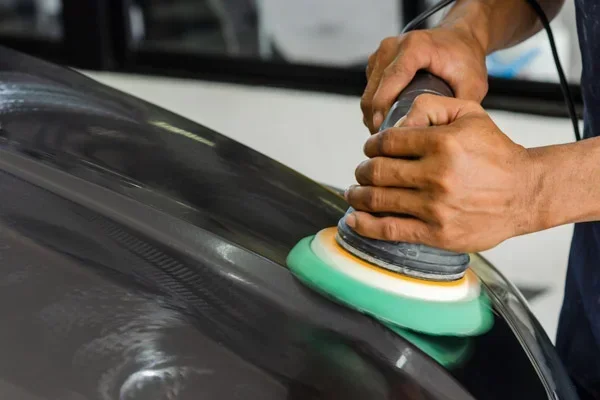
Put a small amount of car and bike polish on your applicator pad or polish pads. For hand application, spread it in small circular motions across the panel. Let it dry to a haze before buffing off. If using a car polishing machine, work in small sections at a time. Keep the machine moving to avoid heat buildup.
Step 5: Work One Panel at a Time
Do not try to polish the entire car at once. Focus on one panel, complete the process, then move to the next. This keeps your work organized and ensures consistent results. Pay extra attention to areas with the most defects. Use more polish on heavy spots and less on clean panels.
Step 6: Buff Off Residue
Once the polish has dried to a light haze, use a fresh microfiber cloth to buff it off. Fold the cloth into quarters for maximum surface area. Wipe in smooth, overlapping strokes. Check your progress under good lighting. Repeat the application and buffing process if needed for stubborn defects.
Step 7: Seal and Protect
After polishing, your paint is clean and bare. Apply a layer of wax, ceramic coating, or sealant to lock in the results. This paint protection shields the surface from future damage and makes the gloss last longer. Without this step, your freshly polished paint will start to dull again quickly.
Quick Tips for Best Results
- Always polish in a shaded area. Direct sunlight dries polish too fast and causes streaks.
- Use plenty of polish on the pad. Running dry creates excess friction and heat.
- Replace your microfiber cloth frequently. Dirty cloths scratch the paint.
- Test a small area first when using compound polish. Not all paints react the same way.
- Keep your car polishing machine at a comfortable speed. Start slow and increase gradually.
- For bike detailing, use smaller pads and applicators to fit curved fairings and tanks.
Common Mistakes to Avoid When Polishing
Even with the best car and bike polish, mistakes can ruin your hard work. Here are the most common errors beginners make and how to avoid them.
Skipping the Wash
This is the number one mistake. Polishing over dirt grinds particles into the paint. You create more scratches than you remove. Always wash thoroughly before you begin any automotive detailing session. No exceptions.
Using Too Much Pressure
Polishing requires gentle, consistent pressure. Pressing too hard with a hand tool or machine burns through the clear coat. Let the abrasive particles do the work. If your paint starts to feel hot, you are pressing too hard. Back off and slow down.
Working in Direct Sunlight
Hot panels cause polish to dry before you can buff it off. This leaves residue and haze that is hard to remove. Park in the shade or work during cooler parts of the day. A cool surface gives you more working time and better results with car and bike polish.
Ignoring Surface Preparation
Polish works best on a clean, decontaminated surface. Before polishing, consider using a clay bar to remove embedded contaminants. Tar remover handles stuck-on bits. Proper surface preparation makes your polish work faster and more effectively. Skipping this step limits your results significantly.
Wrong Polish for the Job
Using a heavy compound on a thin or freshly repainted panel can cause damage. Always match the polish strength to the defect severity. When in doubt, start with a milder product. You can always escalate. Removing paint is permanent and costly. This is especially important for two-wheeler polish where panels are smaller and thinner.
Not Removing Polish Fully
Leftover polish residue creates a cloudy, uneven surface. Always inspect your work under bright light. If you see haze or streaks, buff again with a clean dry cloth. Complete removal of all residue is essential before applying any wax or sealant.
Expert Insight
Professional detailers recommend limiting yourself to one polishing session per panel at a time. Each pass removes a tiny layer of clear coat. Over-polishing thins the paint dangerously. If a defect does not come out after one pass, stop and reassess. Sometimes a heavy defect needs professional equipment rather than aggressive DIY effort. This mindset keeps your vehicle’s paint healthy for years.
How to Maintain Your Polish After Application
Getting a beautiful finish with car and bike polish takes effort. Maintaining that finish should be easier. Here is how to keep your vehicle looking great long after your polishing session.
Wash Gently and Regularly
Use the two-bucket method when washing. One bucket for soapy water and one for rinsing your cloth. This prevents dirt from going back onto the paint. Choose a car shampoo designed for paint protection. Avoid harsh dish soaps that strip wax and sealant. Wash your vehicle every two weeks or sooner if it gets dirty.
Use a Quick Detailer Spray
Between full washes, a quick detailer spray adds a temporary gloss boost and removes light dust. Spray it on a microfiber cloth and wipe the surface. This is a simple habit that keeps your gloss finish looking fresh. It also adds a layer of lubrication that prevents micro-scratches during light cleaning.
Reapply Protection Periodically
Wax wears off over time. Ceramic coatings last longer but still degrade. Plan to reapply your chosen protection every three to six months. Mark your calendar or set a reminder. Consistent reapplication is the key to long-term paint protection. Your car and bike polish investment deserves ongoing care.
Cover or Garage Your Vehicle
When possible, keep your vehicle in a garage or under a car cover. This shields the paint from UV rays, bird droppings, and environmental fallout. Sun exposure is the biggest enemy of polished paint. UV rays break down clear coat and cause oxidation. A simple cover extends the life of your finish dramatically.
Address Contamination Immediately
Bird droppings, tree sap, and bug splatter damage paint fast. Do not let them sit. Clean these spots as soon as you notice them. Use a dedicated remover product for stubborn stains. Quick action prevents permanent etching and keeps your automotive detailing efforts from going to waste.
Keep Your Bike Polished Too
Bikes face unique challenges. Road grit, rain, and frequent exposure make two-wheeler polish essential. After washing your bike, dry it completely and apply a light coat of polish or protectant. Pay attention to the fuel tank, side panels, and frame. Regular bike detailing keeps corrosion at bay and maintains that showroom shine.
Key Takeaways on Maintenance
- Wash gently with proper tools and shampoos designed for protected paint.
- Use quick detailer sprays between washes for easy upkeep.
- Reapply wax or ceramic coating every three to six months.
- Store vehicles in shade or under covers when possible.
- Remove contaminants immediately to prevent permanent damage.
Conclusion
Car and bike polish is one of the most rewarding skills you can learn as a vehicle owner. It transforms dull, damaged paint into a brilliant, reflective surface. The process is straightforward once you understand the basics. Choose the right product, prepare the surface, apply with care, and protect your results. Avoid common mistakes, and your gloss finish will last for months.
Remember that polishing is not a one-time event. It is part of an ongoing automotive detailing routine that keeps your vehicle looking its absolute best. Whether you are polishing a car or handling bike detailing, the principles remain the same. Clean first, correct gently, and protect always.
Start simple. A finishing polish and a microfiber cloth are all you need for your first session. As your confidence grows, you can explore compound polishes and car polishing machine techniques. The journey from beginner to pro is enjoyable, and the results speak for themselves. Grab your car and bike polish and give your vehicle the shine it deserves today.
Frequently Asked Questions
How often should I polish my car or bike?
For most vehicles, polishing once or twice a year is sufficient. If your car or bike is exposed to harsh conditions like coastal salt, heavy sun, or road grime, consider polishing every three to four months. Always inspect the paint first and polish only when you notice dullness or defects.
Can I use car polish on my bike?
Yes, most car polishes work well on bikes too. However, bikes often have smaller, curved surfaces. Use smaller applicator pads for better control. Look for a two-wheeler polish specifically designed for motorcycle fairings and tanks if you want a product tailored to bike paint.
Is a car polishing machine necessary for beginners?
No, you can absolutely achieve great results by hand. A car polishing machine speeds up the process and provides more consistent results, but it is not required. Start with hand application using a finishing polish and polish pads. Move to a machine only when you feel comfortable and confident.
What is the difference between polish and compound?
Compound is a heavier abrasive product designed for deep scratch removal and heavy correction. Polish is generally gentler and focuses on refining the surface and adding gloss. Many detailers use compound first, then follow with polish for a smooth, mirror-like gloss finish.
Will polishing remove deep scratches?
Polishing can remove light to moderate surface scratches that sit in the clear coat. Deep scratches that have reached the base paint layer cannot be removed by polish alone. These need touch-up paint or professional repair. Always assess scratch depth before starting your car and bike polish session.
Do I need to wax after polishing?
Yes, waxing after polishing is highly recommended. Polishing strips away a thin layer of clear coat and leaves the paint exposed. Wax or ceramic coating seals and protects that freshly corrected surface. Without a topcoat, your new gloss will start to fade faster from environmental exposure.