Why Is My Rear Cross Traffic Alert Currently Unavailable
Your rear cross traffic alert may be unavailable due to sensor issues, wiring problems, or system errors. This guide covers the most common reasons and easy fixes to get your safety feature working again. Understanding the cause helps you stay safe and avoid costly repairs.
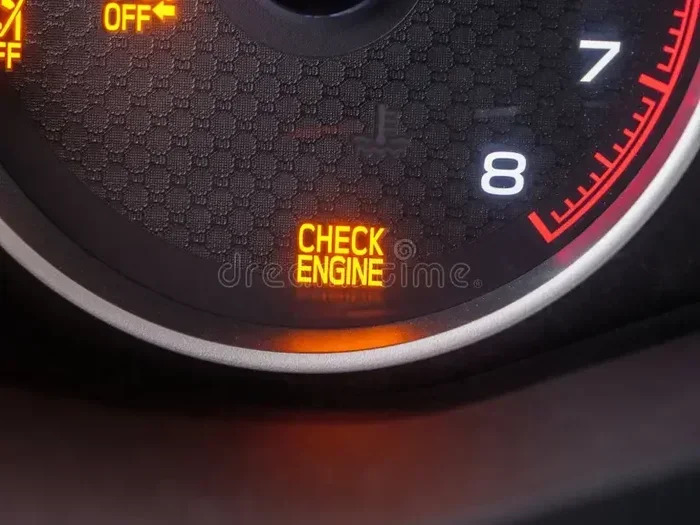
Have you ever started your car and noticed a warning light saying your rear cross traffic alert is currently unavailable? It can feel confusing and a little scary, especially if you rely on this safety feature every day. The good news is that this problem is more common than you think, and it is usually easy to fix.
Your rear cross traffic alert system is designed to help you when backing up. It uses sensors to detect vehicles or objects coming from the sides. When this system goes offline, it leaves a gap in your car’s safety net. This article will walk you through the reasons why this happens and how you can get it working again.
We will cover everything from simple sensor cleaning to more complex electrical repairs. By the end, you will know exactly what to do and how to prevent this issue in the future. Let us dive into the most common causes and solutions.
Key Takeaways
- Sensor Obstruction: Dirt, snow, or debris on the rear sensors often causes the system to go offline.
- Electrical and Wiring Issues: Damaged wiring or a weak battery can disable the rear cross traffic alert system.
- Software and Calibration Problems: Outdated software or a misaligned system can trigger the unavailable message.
- DIY Fixes Work: Many issues can be resolved with simple cleaning, resetting, or battery replacement.
- Professional Help May Be Needed: Persistent problems often require a certified technician to diagnose and repair.
- Prevention Is Easy: Regular maintenance keeps your safety features working reliably.
📑 Table of Contents
- What Is a Rear Cross Traffic Alert System?
- Common Reasons Why Your Rear Cross Traffic Alert Is Unavailable
- How to Fix the Rear Cross Traffic Alert Unavailable Message
- Quick Tips to Keep Your System Working
- Comparison: Common Causes and Their Fixes
- When to See a Professional Mechanic
- Preventing Future Rear Cross Traffic Alert Issues
- The Safety Benefits of a Working Rear Cross Traffic Alert
- Conclusion
What Is a Rear Cross Traffic Alert System?
Before we explore why your system is unavailable, it helps to understand how it works. The rear cross traffic alert is a driver assistance feature found in many modern vehicles. It uses radar sensors mounted in the rear bumper to monitor the area behind your car.
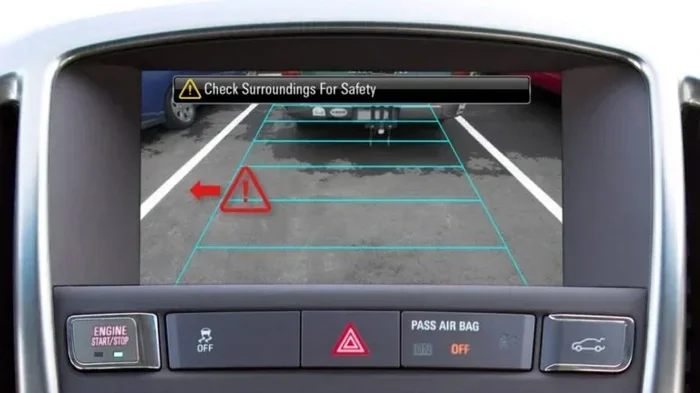
When you shift into reverse, the system activates. It scans for approaching vehicles, pedestrians, or other obstacles. If something is detected, the system gives you an audio or visual warning. This is especially helpful in parking lots where visibility is limited.
The system works closely with your backup camera and blind spot monitoring features. Together, these tools create a safer driving experience. When one of these systems goes offline, it can affect the others too.
How the Sensors Work
The rear sensors send out radio waves that bounce off nearby objects. The system then calculates the speed and distance of approaching vehicles. If a car is coming from the left or right while you are backing up, the alert will sound.
These sensors are usually located near the rear corners of the vehicle. Because they sit low on the bumper, they are exposed to road debris, dirt, and weather. This exposure is one of the main reasons the system can become unavailable.
Common Reasons Why Your Rear Cross Traffic Alert Is Unavailable
Several factors can cause your rear cross traffic alert to stop working. Some are simple and easy to fix. Others may need professional attention. Let us look at the most common reasons.
Dirty or Obstructed Sensors
This is the number one cause of the unavailable message. The sensors on your rear bumper can get covered in dirt, mud, snow, or ice. When the sensors cannot send or receive signals properly, the system shuts itself down as a safety precaution.
Even a thin layer of grime can interfere with the radar waves. Parking under trees or driving through muddy areas can quickly dirty the sensors. If you notice the warning light after a rainstorm or a dirty drive, cleaning the sensors is your first step.
Sensor Damage or Misalignment
Sometimes the sensors themselves get damaged. A minor accident, a hard bump, or even a rock hitting the bumper can knock a sensor out of alignment. When the sensor is misaligned, the system cannot calibrate properly and will show as unavailable.
In some cases, the sensor may need to be replaced entirely. This is more common in older vehicles or cars that have been in collisions. A professional mechanic can check the sensor alignment and recommend the right fix.
Electrical and Wiring Problems
Your car’s safety systems depend on a network of wires and connectors. If a wire is damaged, corroded, or loose, the rear cross traffic alert will lose power or communication. This can happen over time due to age, moisture, or vibration from driving.
Rodents can also chew through wiring under your car, which is an often overlooked cause. If you have recently had work done on your vehicle, a technician may have accidentally disconnected a sensor wire. Checking the wiring is an important step when troubleshooting this issue.
Battery Voltage Issues
Your car’s electrical system needs a stable power supply. If your battery is weak or dying, the vehicle may disable non-essential systems to conserve power. The rear cross traffic alert is one of the features that can be temporarily turned off when voltage drops.
This is especially common in cold weather when batteries struggle to hold a charge. If you also notice dimming headlights or slow engine cranking, your battery may be the culprit. A simple battery test at an auto parts store can confirm this quickly.
Software Glitches and Calibration Errors
Modern vehicles rely heavily on software. Sometimes a software update, a power surge, or a glitch can cause the system to malfunction. The rear cross traffic alert may show as unavailable even when the hardware is perfectly fine.
Calibration is another factor. After a battery disconnect or a sensor replacement, the system may need recalibration. This process ensures the sensors are properly aligned and reading correctly. Without recalibration, the system may refuse to activate.
Aftermarket Accessories and Modifications
Have you recently installed a trailer hitch, aftermarket sensors, or a new stereo system? These modifications can sometimes interfere with your car’s original safety systems. The rear cross traffic alert relies on specific wiring paths, and aftermarket additions can disrupt those paths.
If the unavailable message appeared after you installed something new, that is likely the cause. Removing the accessory or having a professional reconfigure the system can often solve the problem.
How to Fix the Rear Cross Traffic Alert Unavailable Message
Now that you know the common causes, let us look at how to fix them. Many of these solutions are simple enough to do at home. Others may require a trip to the mechanic.
Step 1: Clean the Rear Sensors
Start with the simplest fix. Grab a soft cloth and warm soapy water. Gently clean the rear bumper sensors on both sides of the vehicle. Make sure to remove any dirt, mud, snow, or ice buildup.
After cleaning, start your car and shift into reverse. Check if the warning message has disappeared. This fix works more often than you might expect, especially after winter or off-road driving.
Step 2: Reset the System
Sometimes the system just needs a reset. Turn off your car and remove the key from the ignition. Wait for at least five minutes. This allows the car’s computer to fully power down and restart.
After waiting, restart your vehicle and check the warning light. A system reset can clear temporary software glitches and recalibrate the sensors. This is similar to how you might restart a phone to fix a frozen app.
Step 3: Check the Battery
If resetting does not work, check your car battery. A weak battery is a frequent cause of safety system warnings. Look for corrosion on the battery terminals and clean them with a wire brush if needed.
If your battery is more than three to five years old, consider replacing it. A new battery costs between $50 and $200, depending on your vehicle model. This is a small investment that can restore many of your car’s electronic features.
Step 4: Inspect the Wiring
Look under your rear bumper for any visible damage to the wiring. Check for loose connectors, frayed wires, or signs of moisture damage. If you find any issues, it is best to take your car to a professional for repair.
Working with your car’s electrical system requires care. Incorrect repairs can cause more problems than they solve. A qualified technician has the tools and knowledge to properly diagnose wiring issues.
Step 5: Visit a Professional Mechanic
If none of the above steps work, it is time to see a professional. A certified mechanic can run a diagnostic scan on your vehicle’s computer system. This scan will identify error codes that point to the exact problem.
Mechanics have access to specialized tools for sensor calibration and replacement. They can also check for software updates from the manufacturer. In many cases, a simple recalibration or sensor replacement will resolve the issue completely.
Quick Tips to Keep Your System Working
- Clean your rear sensors monthly to prevent dirt buildup.
- Avoid high-pressure car washes directly hitting the rear bumper sensors.
- Check your battery health at least twice a year.
- Do not ignore warning lights — address them early before they become bigger problems.
- Keep your vehicle software updated during routine service visits.
Comparison: Common Causes and Their Fixes
| Cause | Severity | DIY Fix? | Cost to Repair |
|---|---|---|---|
| Dirty Sensors | Low | Yes | Free |
| Sensor Misalignment | Medium | No | $100 – $300 |
| Wiring Damage | Medium to High | No | $150 – $500 |
| Weak Battery | Low to Medium | Yes | $50 – $200 |
| Software Glitch | Low | Yes (Reset) | Free – $100 |
| Sensor Replacement | High | No | $300 – $800 |
When to See a Professional Mechanic
While many issues can be resolved at home, some situations require professional help. If you have cleaned the sensors, reset the system, and checked the battery but the warning persists, it is time to see an expert.
Also, if you recently had a collision or a significant impact, the sensors may be physically damaged. Driving without a working rear cross traffic alert system reduces your safety, especially in tight parking spaces. A professional inspection ensures your vehicle is roadworthy and safe.
Mechanics can also check for any manufacturer recalls or service bulletins related to your vehicle. Some car brands have issued recalls for specific sensor or software issues. Getting your car checked may qualify you for a free repair under warranty.
Warning Signs You Should Not Ignore
- The warning light stays on even after cleaning and resetting.
- You hear a clicking or buzzing sound near the rear bumper.
- Your backup camera or blind spot monitoring also stops working.
- You notice fluid leaks near the rear sensors.
- The car’s battery dies frequently or needs jump-starts.
Any of these signs point to a deeper issue that needs professional diagnosis. Ignoring them can lead to more expensive repairs down the road.
Preventing Future Rear Cross Traffic Alert Issues
Prevention is always better than repair. A few simple habits can keep your rear cross traffic alert system working reliably for years to come.
Regular Sensor Cleaning
Make it a habit to clean your rear bumper sensors whenever you wash your car. Use a gentle cloth and avoid abrasive cleaners that could scratch the sensor surface. Keeping the sensors free of debris ensures consistent signal performance.
Protect the Rear Bumper
Avoid parking too close to walls, poles, or other vehicles. Low-speed impacts may seem minor but can knock sensors out of alignment over time. Using parking sensors or a backup camera as your primary guide can reduce the strain on the rear cross traffic alert system.
Stay Current with Maintenance
Follow your vehicle’s recommended maintenance schedule. During oil changes and service visits, ask the technician to check the safety systems. Many dealerships and shops will run a quick diagnostic check at no extra cost.
Address Issues Early
If you notice any warning lights or unusual behavior, address them right away. Small problems tend to grow into bigger, more expensive repairs when left unchecked. Early action saves money and keeps you safe on the road.
The Safety Benefits of a Working Rear Cross Traffic Alert
It is easy to take your car’s safety features for granted until they stop working. The rear cross traffic alert is one of the most valuable safety systems in modern vehicles. It significantly reduces the risk of backing collisions.
Studies show that vehicles equipped with rear cross traffic alert systems have fewer backup accidents. The system is especially helpful for drivers with limited visibility, shorter stature, or those towing trailers. It adds an extra layer of awareness that human mirrors alone cannot provide.
When your system is unavailable, you lose this safety net. You may not see a car, cyclist, or pedestrian approaching from the side while reversing. Keeping your system in good working order protects not just you but everyone around your vehicle.
Conclusion
A rear cross traffic alert that shows as unavailable is frustrating but usually fixable. The most common causes include dirty sensors, wiring issues, battery problems, and software glitches. By following the steps in this guide, you can often resolve the issue yourself and get your safety features back online.
Remember to clean your sensors regularly, maintain your battery, and address warning lights promptly. When in doubt, a professional mechanic can provide expert diagnosis and repair. Your safety on the road depends on all your vehicle’s systems working together, and the rear cross traffic alert is no exception.
Take action today if you are seeing the unavailable message. A few minutes of attention now can save you from a costly repair later and keep you and your loved ones safe while driving.
Frequently Asked Questions
Can I drive safely if my rear cross traffic alert is unavailable?
You can still drive, but you lose an important safety feature. Be extra cautious when backing up and use your mirrors and backup camera carefully. It is best to get the system repaired as soon as possible to restore full safety protection.
How much does it cost to fix a rear cross traffic alert system?
The cost depends on the cause. Simple fixes like cleaning or a system reset are free. Sensor replacement can range from $300 to $800, and wiring repairs may cost between $150 and $500. Always get a quote from a trusted mechanic before proceeding with repairs.
Does bad weather cause the rear cross traffic alert to become unavailable?
Yes, heavy snow, ice, or thick mud can cover the rear sensors and trigger the unavailable message. Once the sensors are cleaned and the weather improves, the system usually returns to normal operation.
How often should I clean my rear cross traffic alert sensors?
Cleaning the sensors once a month is a good practice. If you frequently drive in dirty or snowy conditions, clean them more often. Regular cleaning prevents most sensor-related unavailability issues.
Can a software update fix the rear cross traffic alert unavailable message?
Yes, sometimes a software update from the manufacturer can resolve the issue. Check with your dealership or authorized service center to see if any updates are available for your vehicle model.
Is the rear cross traffic alert the same as blind spot monitoring?
No, they are different systems. The rear cross traffic alert activates when you are reversing and detects cross traffic from the sides. Blind spot monitoring works when you are driving forward and alerts you to vehicles in your blind spots during lane changes.