Why Is My Digital Odometer Not Working Anymore Now
A broken digital odometer can leave you stuck without a mileage reading and worried about costly repairs. Common causes include a faulty vehicle speed sensor, blown fuse, bad wiring harness, or a failing instrument cluster. This guide walks you through every reason your digital odometer might stop working and gives you simple steps to fix it yourself or know when to call a pro.
There is nothing more frustrating than glancing at your dashboard and seeing a blank odometer. You know you drive, your car is moving, but the numbers just will not show up. A digital odometer not working is a problem that catches almost every driver off guard at some point. Whether you drive a new car or an older model, this issue can mean different things.
The good news is that most causes are simple and fixable. You do not need to be a master mechanic to understand what is going on behind your dashboard. This guide breaks down every possible reason your digital odometer not working issue happens. We also walk you through easy fixes and let you know when it is time to see a professional. By the end, you will feel confident tackling this problem head-on.
Your car’s instrument cluster does more than just show your speed. It tracks your total mileage, your trip distances, fuel range, and more. When the odometer display goes dark, it can throw off your whole sense of how your vehicle is doing. Let us dive into the most common reasons this happens and how you can get those numbers back on screen.
Key Takeaways
- Faulty Vehicle Speed Sensor: This is the #1 reason a digital odometer stops working. The sensor sends speed data to your car’s computer, and when it fails, your mileage display goes blank.
- Blown Fuse or Bad Wiring: A simple fuse issue or corroded wire can kill your entire instrument cluster display, including the odometer.
- Failing Instrument Cluster: The gauge cluster itself can wear out over time, especially in older vehicles with digital screens.
- ECU or Computer Glitch: Sometimes a software error or a dead battery resets your system and causes the odometer to go dark.
- DIY Fixes Are Often Possible: You can check fuses, reset the system, and inspect wiring yourself before spending big on repairs.
- Cost Varies Widely: A fuse costs a few dollars, while a full instrument cluster replacement can run $200 to $600 or more.
- Safety Matters: A working odometer is not just a convenience, it is required for inspections, resale value, and tracking maintenance intervals.
📑 Table of Contents
- What Is a Digital Odometer and How Does It Work?
- Why Is My Digital Odometer Not Working Anymore Now?
- How to Diagnose Your Digital Odometer Problem
- Can You Fix a Digital Odometer Yourself?
- How Much Does It Cost to Fix a Digital Odometer?
- How to Prevent Future Digital Odometer Problems
- Why a Working Odometer Matters
- When to Call a Professional Mechanic
- Final Thoughts
What Is a Digital Odometer and How Does It Work?
Before we fix the problem, let us quickly understand how your digital odometer actually works. Unlike old-school mechanical odometers that use a physical cable, digital systems rely on electronics. Your car has a vehicle speed sensor (VSS) that measures how fast your wheels are turning. That sensor sends a signal to your car’s engine control unit (ECU). The ECU then processes that data and sends it to the instrument cluster, which shows your mileage on a small screen.
Think of it like a chain. If one link breaks, the whole thing stops. The sensor, the wiring, the ECU, and the cluster all need to work together. When even one part fails, your mileage display can go blank or start acting weird. This is why diagnosing the exact cause matters so much. You want to fix the right link in that chain.
Most modern vehicles from brands like Toyota, Honda, Ford, and Chevrolet use this digital setup. It is more accurate and easier to read than the old spinning-number style. But it also means that digital odometer problems are often electrical in nature, not mechanical. That changes how we approach the fix.
Why Is My Digital Odometer Not Working Anymore Now?
So, what exactly causes your digital odometer not working? There are several culprits, and they range from very simple to more complex. Let us go through each one so you know what to look for.
1. Faulty Vehicle Speed Sensor
The vehicle speed sensor is the most common reason a digital odometer stops working. This small device sits near your transmission and measures wheel rotation. When it wears out or gets dirty, it stops sending data. Your odometer and speedometer both rely on this signal, so they go dark together.
Signs of a bad speed sensor include:
- Your odometer and speedometer both read zero or erratic numbers.
- Your cruise control stops working even though the system is engaged.
- Your dashboard warning lights pop up, especially the check engine light.
- Your transmission shifts roughly or at the wrong times.
Fixing a vehicle speed sensor is usually straightforward. It is a small part that bolts onto the transmission. A mechanic can swap it out in under an hour. The part itself costs between $20 and $80 in most cases. If you are handy, you can even do it yourself with basic tools.
2. Blown Fuse or Bad Wiring
Do not overlook the simplest explanation first. A blown fuse can kill your entire instrument cluster display. Every car has a fuse box, usually under the dashboard on the driver’s side or under the hood. The fuse that powers your gauge cluster can blow from a power surge or just old age.
Here is what you should do:
- Find your fuse box. Check your owner’s manual for the exact location.
- Look for the fuse labeled “instrument cluster” or “gauge cluster.”
- Pull it out and inspect the metal strip inside. If it is broken or melted, that is your problem.
- Replace it with a new fuse of the exact same amperage rating.
Sometimes the fuse looks fine but is still bad on the inside. Use a multimeter to test for continuity if you have one. A wiring harness issue is another possibility. Wires can corrode, especially in older cars or vehicles that drive through snow and salt. Corroded wires mean bad connections, and bad connections mean a blank odometer display.
3. Failing Instrument Cluster
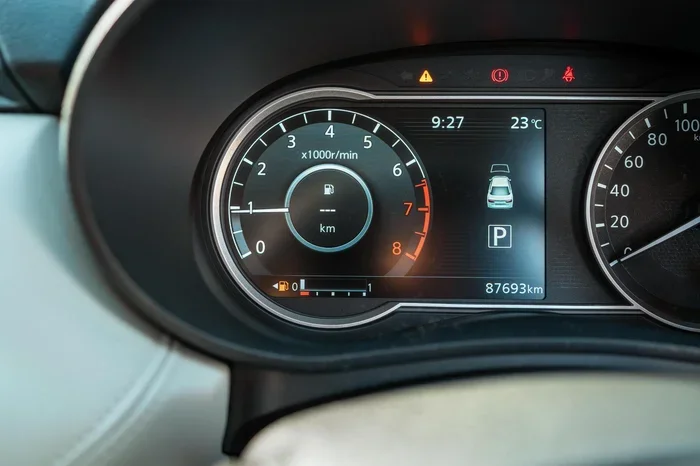
The instrument cluster is the whole panel behind your steering wheel that holds your gauges and digital screen. Over time, the internal electronics can wear out. This is especially common in vehicles that are 8 to 12 years old or have high mileage. The digital display screen inside the cluster can fail, causing the odometer to go dark while other gauges still work.
Signs of a failing instrument cluster include:
- The odometer flickers on and off before going completely dark.
- Other gauges act erratically while the mileage display stays blank.
- The cluster dims or brightens on its own.
- You notice cracked or discolored areas on the cluster face.
Replacing an instrument cluster can be pricey. The part alone might cost $150 to $400, and labor adds another $100 to $200. Some shops can rebuild your existing cluster for less money. They replace the internal screens and circuit boards, which is a great budget option.
4. ECU or Computer Glitch
Your car’s engine control unit is basically its brain. It processes all the sensor data and sends it to the right places. Sometimes a software glitch or a dead car battery can cause the ECU to reset. When this happens, your digital odometer might not come back on right away.
This is actually one of the easiest problems to fix. Try these steps:
- Disconnect your car battery for 15 minutes.
- Reconnect it and start the engine.
- Drive for a few miles and see if the mileage display comes back.
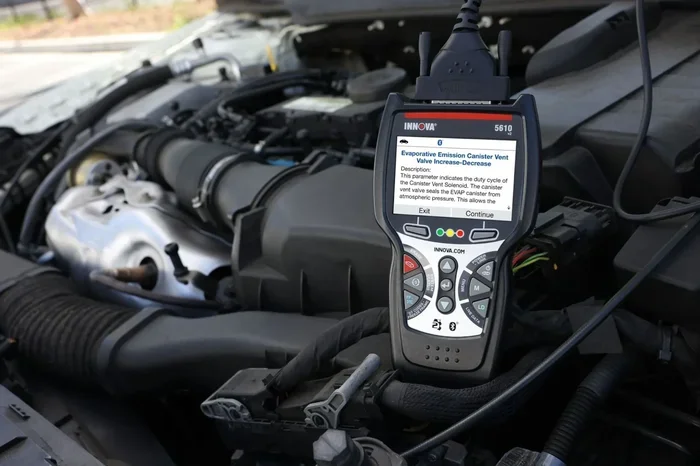
If the odometer still does not work after a battery reset, the issue is probably not just a glitch. You may need to have the ECU scanned with an OBD scanner to check for error codes. A code reader tool can tell you exactly what your car’s computer is complaining about.
5. Bad Ground Connection
This one surprises a lot of people. Your car’s electrical system needs a solid ground connection to work properly. The ground wire carries electrical current back to the battery. If that wire is loose, corroded, or broken, your instrument cluster can lose power and the odometer will go blank.
Check the ground wires near your dashboard and under the hood. Look for green or white corrosion on the terminals. Clean them with a wire brush or sandpaper and tighten the connections. This simple fix solves a surprising number of digital odometer problems.
6. Water Damage or Moisture Inside the Cluster
Moisture can get into your instrument cluster through cracks in the dashboard or a leaky window seal. Once inside, water causes corrosion on the circuit board and the digital display screen. This corrosion slowly eats away at the connections until the odometer stops working entirely.
If you suspect water damage, you will likely need a professional to open up the cluster and clean or replace the affected parts. Prevention is the best approach here. Fix any leaks in your car as soon as you notice them, and avoid driving through deep water whenever possible.
How to Diagnose Your Digital Odometer Problem
Now that you know the common causes, let us talk about how to figure out which one is affecting your car. Vehicle diagnostics is the process of finding the exact problem, and you can do a lot of it yourself.
Start with the basics. Check your fuse box first. A blown fuse is the cheapest and easiest fix, so always rule that out. Next, use an OBD scanner or code reader to pull any error codes from your car’s computer. These tools plug into a port under your dashboard and read messages from the ECU. Many auto parts stores will do this for free.
If the codes point to a speed sensor issue, you can inspect the sensor yourself. It is usually located on or near the transmission. Look for any damage, dirt, or loose connections. Cleaning the sensor or tightening its wiring harness might solve the problem right away.
For more complex issues like a failing instrument cluster or ECU problem, it is smart to visit a trusted mechanic. They have professional tools and experience that can pinpoint the issue quickly. Trying to repair an ECU yourself without the right knowledge can cause more harm than good.
Can You Fix a Digital Odometer Yourself?
Yes, you can fix many digital odometer not working issues on your own. The key is knowing your limits and starting with the simple stuff first. Here are some DIY fixes you can try right now:
- Replace a blown fuse. This takes five minutes and costs under $5. Check your owner’s manual for the fuse box layout.
- Reset the car battery. Disconnect the terminals for 15 minutes, then reconnect. This clears minor software glitches.
- Clean ground connections. Use a wire brush to remove corrosion and tighten the ground wire.
- Inspect the speed sensor. Look for damage or loose wiring near the transmission.
- Scan for error codes. Buy or borrow an OBD scanner to check for stored codes in the ECU.
If these steps do not bring your odometer display back, it is time to call in the pros. There is no shame in that. Some repairs need specialized tools and training. Trying to fix an ECU or circuit board issue yourself could end up costing more than just paying for the repair in the first place.
How Much Does It Cost to Fix a Digital Odometer?
The cost depends entirely on what is causing the problem. Here is a quick breakdown:
| Repair | Part Cost | Labor Cost | Total Estimate |
|---|---|---|---|
| Fuse Replacement | $2 – $10 | $0 (DIY) | $2 – $10 |
| Battery Reset | $0 | $0 (DIY) | $0 |
| Ground Wire Repair | $5 – $15 | $0 (DIY) | $5 – $15 |
| Vehicle Speed Sensor | $20 – $80 | $50 – $100 | $70 – $180 |
| Instrument Cluster Replacement | $150 – $400 | $100 – $200 | $250 – $600 |
| ECU Repair or Replacement | $200 – $800 | $100 – $300 | $300 – $1100 |
As you can see, the price range is huge. A simple fuse replacement costs almost nothing. But a full instrument cluster or ECU replacement can set you back several hundred dollars. Always get a detailed estimate before approving any repair work.
How to Prevent Future Digital Odometer Problems
Prevention is always better than cure. Here are some easy steps to keep your digital odometer working reliably for years to come:
- Check your fuses regularly. A quick look every few months can catch problems early.
- Keep your battery healthy. A weak battery can cause electrical gremlins throughout your car, including your gauge cluster.
- Fix leaks promptly. Water damage is one of the sneakiest causes of digital display screen failure.
- Avoid deep water crossings. Flooding can damage wiring and sensors throughout your vehicle.
- Use an OBD scanner periodically. Catching error codes early can prevent small issues from becoming big repairs.
- Keep your wiring clean and secure. Inspect under the hood for any signs of wear, corrosion, or loose connections.
Taking care of your car’s electrical system pays off in the long run. A well-maintained vehicle not only has a working odometer but also runs better, lasts longer, and holds its value when it is time to sell.
Why a Working Odometer Matters
You might be thinking, “It is just a number on a screen. Why does it matter so much?” But your odometer reading is actually very important for several reasons. First, it helps you track your maintenance schedule. Your oil change, tire rotation, and other service intervals are based on mileage. Without an accurate reading, you might miss important maintenance windows.
Second, your odometer affects your car’s resale value. Buyers want to see a clear, honest mileage number. A blank or broken mileage display can make potential buyers suspicious, even if your car is in great shape. In many states, it is actually illegal to drive with a non-functioning odometer.
Third, some insurance claims and warranty work require a verified mileage reading. If your odometer is not working, you could face delays or complications when filing a claim. So fixing this issue is not just about convenience, it is about protecting yourself legally and financially.
When to Call a Professional Mechanic
There are times when a digital odometer problem is simply beyond DIY repair. If you have checked your fuses, reset your battery, and scanned for error codes but the odometer still does not work, it is time to see a pro. Also, if you notice other gauges acting strangely along with the odometer, that points to a deeper electrical issue that needs professional tools to diagnose.
Look for a mechanic who specializes in automotive electrical systems. They will have the right equipment, including advanced diagnostic scanners, to find the root cause quickly. Ask for a written estimate before any work begins, and do not be afraid to get a second opinion if the repair quote seems high.
Final Thoughts
A digital odometer not working is a frustrating problem, but it is almost always fixable. The cause is usually something simple like a blown fuse, a bad speed sensor, or a loose ground wire. Start with the easy checks and work your way up to more complex repairs as needed. Your mileage display is too important to ignore, so take action as soon as you notice the problem.
Remember, staying on top of small issues keeps your car running smoothly and saves you money in the long run. Whether you fix it yourself or pay a mechanic, getting your digital odometer back up and running is well worth the effort. Drive safe, stay informed, and keep those mileage numbers rolling.
Frequently Asked Questions
Can I still drive my car if the digital odometer is not working?
Yes, you can usually still drive your car safely if only the odometer is blank. Your speedometer and other gauges may still work fine. However, you should get it fixed soon because a working odometer is required for inspections, resale, and tracking maintenance. Driving without a mileage reading for too long can also cause issues with your vehicle history records.
How much does it cost to fix a digital odometer?
The cost depends on the cause. A fuse replacement costs just a few dollars, while a vehicle speed sensor repair might run $70 to $180. A full instrument cluster replacement can cost $250 to $600 or more. Always get a detailed estimate before starting any repair to avoid surprises.
What is the most common reason a digital odometer stops working?
The most common reason is a faulty vehicle speed sensor. This sensor sends speed and mileage data to your car’s computer, and when it fails, the odometer goes blank. Other frequent causes include blown fuses, bad wiring, and a failing instrument cluster. A simple OBD scanner can often confirm which part is the culprit.
Can a dead car battery cause the digital odometer to stop working?
Yes, a dead or weak battery can cause your digital odometer to reset or go blank temporarily. When the battery loses power, the ECU can lose stored data and settings. In most cases, disconnecting and reconnecting the battery resolves this. If the odometer still does not come back after a battery reset, the issue is likely something else.
Is it legal to drive with a broken odometer?
In most states, it is not legal to drive with a non-functioning odometer. The odometer is a required part of your vehicle’s emissions and safety inspection equipment. It also plays a role in tracking your car’s maintenance history. If your odometer display is broken, you should fix it as soon as possible to stay compliant with local laws.
Can water damage cause a digital odometer to stop working?
Yes, water or moisture inside the instrument cluster can cause corrosion on the circuit board and digital display. This corrosion can slowly kill the odometer and other gauges. If you have had a leak or driven through deep water, inspect your dashboard for signs of moisture. Fixing leaks early can prevent costly gauge cluster repairs down the road.