Why Does My Car Overheat When the AC Is On and Idle
Your car overheats when the AC is on and idle because the air conditioning system puts extra strain on the engine. A weak radiator fan, low coolant, or a worn serpentine belt can make this problem worse. Understanding the root cause helps you fix it fast and avoid costly repairs. This guide covers every common reason and gives you practical steps to keep your car running cool.
There is nothing more frustrating than sitting at a red light or in a parking lot with your car idling, blasting the AC to stay cool, and suddenly watching your temperature gauge climb into the red zone. Why does my car overheat when the AC is on and idle? This is a question car owners ask every summer, and the answer is usually simpler than you think.
When you turn on the air conditioning, your engine has to work harder. The AC compressor draws power directly from the engine, and at idle, the engine is already running at its lowest speed. That combination creates the perfect storm for overheating. But the good news is that most causes are easy to identify and fix. In this article, we will walk you through every reason your car might overheat when the AC is on and idle, and give you clear steps to solve the problem.
Whether you are dealing with a slow climb in temperature or a full-blown overheating emergency, this guide will help you understand what is going on under the hood. Let us dive in.
Key Takeaways
- Extra Load on the Engine: The AC compressor adds significant load, especially at idle, which can cause overheating if any cooling component is weak.
- Low Coolant Is a Top Culprit: Insufficient coolant reduces the system’s ability to absorb and dissipate heat from both the engine and the AC condenser.
- Radiator Fan Failure Is Common: A faulty fan motor or relay means your car cannot pull enough air through the radiator when you are stopped.
- Worn Serpentine Belt Matters: A slipping or cracked belt reduces AC compressor efficiency and can lead to overheating at idle.
- Simple Maintenance Prevents Most Issues: Regular coolant flushes, belt inspections, and fan checks keep your car from overheating in traffic.
- Know When to Visit a Mechanic: Persistent overheating, steam from the hood, or a rising temperature gauge signals a serious problem that needs professional attention.
📑 Table of Contents
How Your Car Cooling System Works with the AC
Before we look at the specific reasons for overheating, it helps to understand how your car handles heat when the AC is running. Your engine and your AC system share several components, and they rely on each other to work properly. When something goes wrong in this shared system, overheating at idle becomes a real risk.
The Role of the AC Compressor
The AC compressor is the heart of your air conditioning system. It pumps refrigerant through the system to cool your cabin. But here is the catch: the compressor is driven by the engine through a belt. When you turn on the AC, the compressor engages and adds load to the engine. At highway speeds, the engine has plenty of power to handle this extra demand. But at idle, the engine is barely running, and that extra load can push it past its thermal limits.
The compressor also generates heat as it works. This heat gets transferred to the AC condenser, which sits right in front of the radiator. If the condenser cannot dissipate that heat properly, the whole cooling system suffers.
How Idle Affects Engine Temperature
At idle, your engine is not moving fast, which means there is less airflow through the radiator. Your car depends on the radiator fan to pull air through and keep things cool. When the AC is on, the engine produces even more heat, and the reduced airflow at idle makes it much harder to manage that heat. This is why you often notice the temperature climbing when you are stuck in traffic or sitting at a drive-through.
Your car also relies on the water pump to circulate coolant through the engine and the radiator. At idle, the water pump spins slower, which means coolant moves through the system less efficiently. Add the AC load on top of that, and you have a recipe for overheating if any part of the system is not working at its best.
Common Reasons Your Car Overheats When the AC Is On
Now let us get into the specific causes. Each of these problems can make your car overheat when you are idling with the AC running. Some are easy to fix yourself, and others need a mechanic.
Low Coolant Levels
This is the most common reason any car overheats, and it becomes even worse when the AC is on. Coolant, also called antifreeze, absorbs heat from the engine and carries it to the radiator where it gets cooled down. If your coolant level is low, there is not enough fluid to do this job properly.
When the AC compressor kicks in, it adds heat to the system. With low coolant, the engine cannot absorb that extra heat, and the temperature starts to rise. You can check your coolant level by looking at the reservoir tank under the hood. If it is below the minimum line, top it off with the right type of coolant for your car.
Low coolant is often a sign of a leak somewhere in the system. Check the radiator hoses, the water pump, and the heater core for any signs of dripping or puddling under your car. Fixing a small leak early can save you from a much bigger problem later.
Faulty Thermostat
The thermostat controls the flow of coolant through your engine. It opens when the engine gets hot to let coolant flow to the radiator, and it closes when the engine is warm to help it heat up faster. When the thermostat gets stuck closed, coolant cannot reach the radiator, and the engine overheats quickly.
This problem is especially noticeable when the AC is on because the engine is already producing more heat. If your thermostat is stuck, you might notice the temperature gauge shooting up within minutes of turning on the AC at idle. Replacing a thermostat is usually an inexpensive and straightforward repair.
Failing Radiator Fan
The radiator fan, also called the cooling fan, pulls air through the radiator when your car is not moving fast enough to do it naturally. When you are idling with the AC on, this fan is your engine’s best friend. If the fan motor is weak, the fan relay is bad, or the fan blades are damaged, your car will struggle to stay cool at idle.
One easy test is to watch your temperature gauge when you are stopped with the AC on. If the fan kicks on and the temperature stabilizes, your fan is working. If the temperature keeps climbing and the fan does not turn on, you likely have a fan problem. The issue could be a blown fuse, a bad relay, or a worn-out motor motor. A mechanic can test each part and replace the faulty component.
Worn or Slipping Serpentine Belt
The serpentine belt drives the AC compressor, the water pump, and several other accessories. When this belt is worn, cracked, or loose, it cannot turn the compressor and water pump efficiently. At idle, when the engine is already spinning slowly, a weak belt makes everything worse.
A slipping belt might also squeal when you turn on the AC. If you hear that sound and notice your temperature rising, the belt is probably the culprit. Replacing a serpentine belt is a quick and affordable fix that can solve your overheating problem and improve your AC performance at the same time.
Clogged or Dirty AC Condenser
The AC condenser sits right in front of the radiator and looks very similar to a small radiator. Its job is to release heat from the refrigerant so your AC can cool your cabin. Over time, dirt, bugs, and debris can build up on the condenser and block airflow.
When the condenser is clogged, it cannot release heat properly. This causes the refrigerant to stay hot, which puts extra strain on the AC compressor and the engine. The result is more heat inside the engine bay, which leads to overheating at idle. A simple rinse with water from a hose can often fix this problem. Just make sure you spray from the back of the condenser forward to avoid pushing debris further in.
Water Pump Failure
The water pump is responsible for circulating coolant through the engine block and the radiator. When it fails, coolant stops moving, and the engine heats up fast. A failing water pump might leak coolant from the weep hole, make a grinding noise, or cause the temperature gauge to behave erratically.
At idle with the AC on, the water pump needs to work harder to keep up with the extra heat. If it is already weak, it simply cannot keep up. Water pump replacement is a more involved repair, but it is essential for keeping your engine running at a safe temperature.
Head Gasket Issues
A blown head gasket is a serious problem that can cause your car to overheat when the AC is on. The head gasket seals the gap between the engine block and the cylinder head. When it fails, combustion gases can leak into the cooling system, creating air pockets that block coolant flow.
Signs of a head gasket issue include white smoke from the exhaust, a milky substance on the oil dipstick, and coolant loss with no visible leak. If you suspect a head gasket problem, get to a mechanic right away. Driving with a blown head gasket can cause catastrophic engine damage.
How to Diagnose the Overheating Problem
Figuring out exactly why your car overheats when the AC is on and idle takes a bit of detective work. Start by paying attention to when and where the problem happens. Does it only happen in traffic? Does it happen after driving for a while? Does the AC performance drop before the temperature rises?
Here is a simple checklist you can follow:
- Check the coolant level. Open the reservoir and look at the minimum and maximum lines. Top it off if needed.
- Look for leaks. Inspect the ground under your car for any puddles of coolant. Check the hoses and connections for wet spots.
- Watch the radiator fan. Turn on the AC and wait at a stop. The fan should kick on within a few minutes. If it does not, check the fuse and relay first.
- Inspect the serpentine belt. Look for cracks, glazing, or looseness. A belt in good condition should feel firm and have no visible damage.
- Check the condenser. Look for dirt and debris buildup on the front of the condenser. Clean it if it is dirty.
- Monitor the temperature gauge. Note how fast the temperature climbs and at what point it starts to rise. This helps narrow down the cause.
Taking a few minutes to go through this list can save you a lot of guesswork and help you or your mechanic pinpoint the issue faster.
Quick Fixes and Prevention Tips
Preventing your car from overheating when the AC is on is much easier than fixing a major breakdown. Here are some simple habits that keep your cooling system running strong.
- Check your coolant level monthly. Especially before summer, make sure your coolant is at the right level and looks clean. Dark or rusty coolant should be flushed and replaced.
- Replace the serpentine belt on schedule. Most manufacturers recommend replacing the belt every 60,000 to 100,000 miles. Do not wait for it to crack or break.
- Clean the condenser regularly. A quick spray with a hose during your car wash can prevent debris buildup and keep airflow unobstructed.
- Do not ignore small leaks. Even a tiny coolant leak can lead to low levels and overheating over time. Fix small leaks before they become big problems.
- Use the correct coolant. Different cars require different types of coolant. Check your owner manual and use the recommended type to avoid corrosion and compatibility issues.
- Give your car a break in traffic. If you are stuck in stop-and-go traffic on a hot day, turn off the AC periodically to give the engine a rest. Rolling down the windows can help you stay cool without adding engine load.
Quick Tips to Remember
- Never open the radiator cap when the engine is hot. Wait for it to cool down to avoid burns.
- Keep a bottle of coolant and a quart of water in your trunk for emergencies.
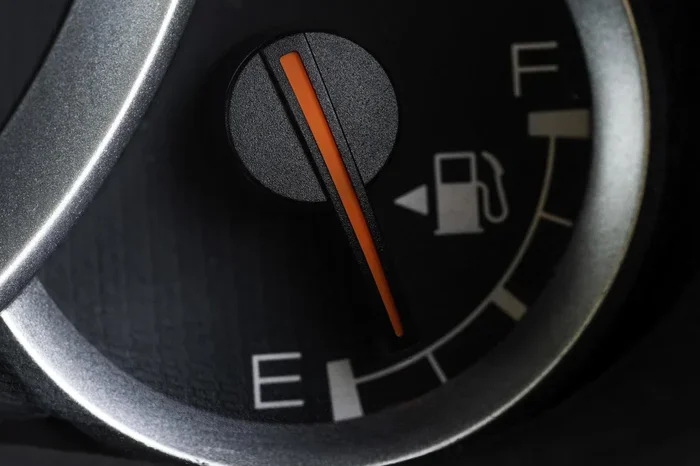
- If the temperature gauge goes into the red, pull over safely and turn off the engine immediately.
When to See a Mechanic
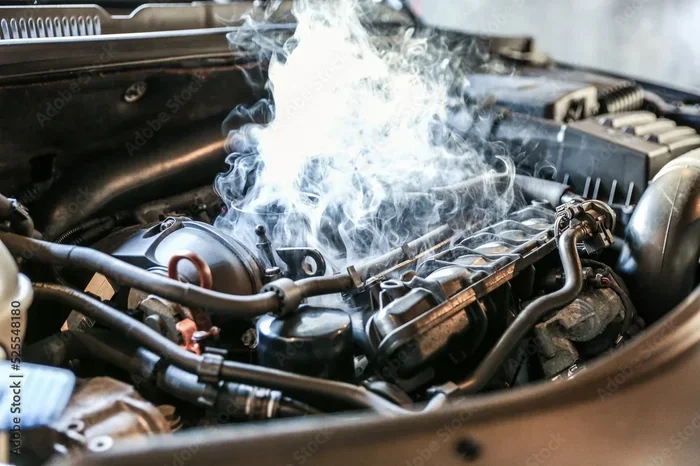
Some overheating problems are easy to fix at home, but others require professional help. You should see a mechanic if your car overheats frequently even after you have checked the coolant and belts. If you notice steam coming from under the hood, a strong sweet smell, or coolant leaking onto the ground, get your car inspected right away.
A mechanic can perform a pressure test on the cooling system to find hidden leaks, check the thermostat operation, test the radiator fan motor and relay, and inspect the water pump for proper function. These are all jobs that need specialized tools and expertise.
Ignoring an overheating problem can lead to a cracked engine block, warped cylinder head, or a blown head gasket. These repairs are expensive and time-consuming. Getting professional help early can save you thousands of dollars and a lot of headaches.
Expert Insights on Car Overheating
Automotive experts agree that overheating at idle with the AC on is one of the most common summer car problems. The key is to address it early before it causes serious engine damage. Most mechanics recommend a cooling system inspection at least once a year, ideally before the hot season begins.
Regular maintenance is your best defense against overheating. A cooling system flush, a new thermostat, and a fresh serpentine belt can keep your car running cool for years. And if you ever notice the temperature gauge climbing, do not ignore it. Pull over safely, turn off the AC, and turn the heater to full blast. This helps pull heat away from the engine and gives you time to find a safe place to stop.
Remember, your car tells you when something is wrong. Pay attention to the warning signs, and you will avoid most overheating problems before they become serious.
Key Takeaways
- Extra Load on the Engine: The AC compressor adds significant load, especially at idle, which can cause overheating if any cooling component is weak.
- Low Coolant Is a Top Culprit: Insufficient coolant reduces the system’s ability to absorb and dissipate heat from both the engine and the AC condenser.
- Radiator Fan Failure Is Common: A faulty fan motor or relay means your car cannot pull enough air through the radiator when you are stopped.
- Worn Serpentine Belt Matters: A slipping or cracked belt reduces AC compressor efficiency and can lead to overheating at idle.
- Simple Maintenance Prevents Most Issues: Regular coolant flushes, belt inspections, and fan checks keep your car from overheating in traffic.
- Know When to Visit a Mechanic: Persistent overheating, steam from the hood, or a rising temperature gauge signals a serious problem that needs professional attention.
Frequently Asked Questions
Can low coolant cause my car to overheat when the AC is on?
Yes, absolutely. Low coolant means there is not enough fluid to absorb and carry away heat from the engine. When the AC compressor adds extra load at idle, the engine heats up faster than the low coolant level can handle, leading to overheating.
How do I know if my radiator fan is working?
Watch your temperature gauge when you are stopped with the AC turned on. The fan should activate within a few minutes and help bring the temperature down. If the temperature keeps rising and the fan does not come on, the fan motor, relay, or fuse may need to be replaced.
Is it safe to keep driving if my car overheats with the AC on?
No, it is not safe. Continued driving while the engine is overheating can cause serious damage, including a cracked engine head or a blown head gasket. Pull over safely, turn off the engine, and let the car cool down before checking the coolant level or calling for help.
How often should I flush my car’s cooling system?
Most manufacturers recommend flushing the cooling system every 30,000 to 50,000 miles, or every two to three years. Check your owner manual for the specific interval for your vehicle. Fresh coolant helps prevent corrosion and keeps the system running efficiently.
Can a dirty AC condenser cause overheating?
Yes, a clogged condenser restricts airflow and causes the AC system to work harder, which puts extra strain on the engine. Cleaning the condenser regularly is a simple step that helps prevent both AC problems and engine overheating at idle.
What should I do if my car starts overheating in traffic?
Turn off the AC immediately and turn the heater to full blast. This redirects heat away from the engine and into the cabin. Pull over safely, turn off the engine, and wait for the temperature to drop before checking the coolant level or calling for assistance.
=== CONCLUSION ===
Dealing with a car that overheats when the AC is on and idle is frustrating, but it is almost always fixable. The most common causes are low coolant, a faulty radiator fan, a worn serpentine belt, or a clogged condenser. Each of these problems has a clear solution, and most are affordable to repair. The key is to pay attention to the warning signs early and take action before the problem gets worse.
Regular maintenance goes a long way toward preventing overheating. Check your coolant level often, inspect your belts and hoses, and keep the condenser clean. These simple habits can save you from a breakdown on a hot day and keep your car running smoothly all summer long.
If you ever find yourself asking why does my car overheat when the AC is on and idle, start with the basics. Check the coolant, watch the fan, and inspect the belt. And if the problem persists, do not hesitate to visit a trusted mechanic. Your engine is worth the investment, and a little preventive care can keep you cool and confident on the road.