When Can Babies Face Forward in a Car Seat for Sure
When Can Babies Face Forward in a Car Seat? The answer is not as simple as hitting a birthday milestone. The American Academy of Pediatrics now recommends keeping your child in a rear-facing car seat for as long as possible, until they reach the maximum height or weight limit set by the seat manufacturer. This updated guidance has changed what many parents thought they knew about child passenger safety. In this guide, we break down the real rules, the science behind them, and the signs that show your little one is truly ready to make the switch.
When Can Babies Face Forward in a Car Seat for Sure? If you are a new parent, this question probably keeps you up at night. You want to do everything right to keep your little one safe. The truth is, the answer has changed a lot over the years. Old advice used to say you could turn your baby around at one year old or 20 pounds. But today, experts have much better information. This guide will walk you through everything you need to know about car seat orientation, the latest safety rules, and how to make the best decision for your child. Let us dive in and make sure you have the full picture.
Your baby’s neck and spine development is the big reason these guidelines exist. A newborn’s neck muscles and bones are still very delicate. In a crash, a forward-facing position puts enormous stress on the head, neck, and spine. Rear-facing seats spread the crash force across the entire back, which is much safer for tiny bodies. Understanding this science helps you see why waiting longer is always better.
Key Takeaways
- Rear-Facing Is Safest: Keep your baby in a rear-facing car seat until they reach the seat’s maximum height or weight limit.
- Age Is Not the Only Factor: The AAP guidelines focus on weight, height, and physical development, not just age.
- Convertible Seats Help: A quality convertible car seat lets you stay rear-facing much longer than an infant-only seat.
- Watch for Readiness Signs: Look for proper harness fit, head support, and neck strength before making the switch.
- Avoid Common Mistakes: Don’t turn your baby forward-facing based on old advice or convenience alone.
- Consult Your Pediatrician: Always check with your child’s doctor before transitioning to a forward-facing car seat.
📑 Table of Contents
Understanding Car Seat Guidelines for Infants
What the AAP Recommends for Rear-Facing Seats
The American Academy of Pediatrics updated its car seat recommendations in 2018. The new guidance says children should ride rear-facing until they reach the highest weight or height allowed by their car seat. This is a big shift from the old rule of turning the seat around at age one. Many parents still follow the outdated advice. But the data shows that rear-facing seats protect children far better in both frontal and side-impact crashes. The AAP guidelines are based on years of crash testing and pediatric research.
Most convertible seats allow children to ride rear-facing up to 40 to 50 pounds. Some premium models even go higher. This means many toddlers can stay rear-facing well past their second birthday. The key is to check your specific seat’s manual. Every seat has different limits. Do not guess. Read the label and the manual carefully.
Why Rear-Facing Is Safer for Young Babies
Let us talk about the physics of a car crash. When a collision happens, your child’s body moves forward with the force of the impact. In a rear-facing car seat, the seat itself absorbs most of that force. The shell of the seat cradles the head, neck, and spine. This is critical for babies and toddlers because their heads are heavy compared to the rest of their body. A baby’s head can make up about 25 percent of their total body weight. An adult’s head is only about 6 percent.
In a forward-facing position, the head and neck snap forward during a crash. This can cause severe injuries, especially to the cervical spine. Studies from crash test ratings organizations show that rear-facing seats reduce the risk of serious injury by up to 75 percent for children under two. The five-point harness in a rear-facing seat also keeps your child snug and secure. The straps go over both shoulders, across the chest, and between the legs. This design gives your baby the maximum protection possible.
- Rear-facing seats distribute crash forces across the entire back and head.
- Forward-facing seats concentrate force on the shoulders and neck.
- Babies and toddlers have proportionally larger heads and weaker necks.
- The child passenger safety community strongly supports extended rear-facing.
When Can Babies Face Forward in a Car Seat?
The Minimum Age, Weight, and Height Requirements
So, when can babies face forward in a car seat for sure? There is no single magic number. The safest answer is: as late as possible. The car seat weight limit and car seat height limit on your specific seat are what matter most. Most states have minimum laws that require children to be at least two years old before facing forward. But these are legal minimums, not safety recommendations. Many safety experts say you should ignore the law and follow the AAP guidelines instead.
Here is what to look for on your seat’s label. Most convertible seats have a rear-facing weight limit between 40 and 50 pounds. The height limit is usually measured by the child’s eye level. When the top of your child’s head is within one inch of the top of the seat shell, it is time to move on. Do not rush this transition. Every extra month in a rear-facing seat adds another layer of protection.
- Check your seat’s manual for the rear-facing weight limit.
- Check the height limit based on head position.
- Wait until your child reaches the maximum limit before turning around.
- Never turn the seat forward based on age alone.
How Convertible Car Seats Help You Wait Longer
If you are using an infant car seat, you may be wondering how to extend the rear-facing time. Infant-only seats typically have lower weight limits, often around 30 to 35 pounds. Once your baby outgrows that seat, you will need a convertible car seat. These seats are designed to be used rear-facing for a longer period and then converted to forward-facing. A good convertible seat is one of the best investments you can make in your child’s safety.
Some parents worry about space. Rear-facing seats can take up more room in the back seat, especially in smaller vehicles. But safety should always come first. If you have room concerns, look for seats with a slimmer profile. Many modern convertible car seats are designed to fit tight spaces without sacrificing safety features. The LATCH system makes installation easier and more secure in most vehicles manufactured after 2002.
How to Know Your Baby Is Ready for the Switch
Physical Development Milestones to Watch For
Turning your baby around is a big step. You want to make sure they are truly ready. The first thing to consider is their neck and spine development. Can your child hold their head up steadily for long periods? Do they have good head control? These are basic signs that their neck muscles are strong enough to handle the forward-facing position in a crash scenario.
Another factor is your child’s overall size. A tall toddler with a big head may need to stay rear-facing longer, even if they are within the weight limit. The goal is for the seat to fully protect the head and neck in a collision. If the top of the head is close to the top of the seat shell, the protection is reduced. Always prioritize the height and weight limits over age milestones.
Checking the Harness Fit and Strap Position
Before you make the switch, check the harness straps on your current seat. In a rear-facing position, the straps should come through at or below your child’s shoulders. The chest clip should be at armpit level, not too low on the belly. You should not be able to pinch any slack in the straps at your child’s shoulders. This is called the pinch test, and it is a simple way to check the fit.
When your child outgrows the rear-facing harness, you have two options. You can move to a forward-facing car seat with a five-point harness, or you can switch to a belt-positioning booster seat if your child is old enough and big enough. The booster seat option is usually for children who are at least four years old and 40 pounds. But again, the harness forward-facing seat is the safer choice for most toddlers.
Quick Tip: Use the pinch test every time you adjust the harness. If you can pinch the straps at the shoulders, they are too loose. Tighten them until the straps lie flat against your child’s body with no slack.
Common Mistakes Parents Make with Car Seat Direction
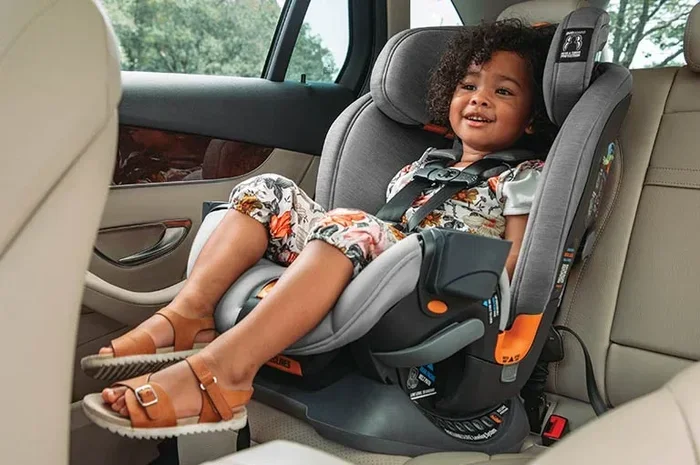
One of the biggest mistakes is turning the seat forward-facing too early. Many parents do this because the child seems big or because the child complains about having their legs bent. This is understandable but dangerous. A child’s comfort should never override their safety. Legs bent in a rear-facing seat are normal and harmless. Broken legs from a crash are not.
Another common error is not reading the car seat manual. Every seat is different. The limits, installation instructions, and harness adjustments vary by model. Skipping the manual can lead to incorrect use, which reduces protection in a crash. Also, many parents do not realize that car seats expire. Most seats have a lifespan of six to ten years from the date of manufacture. An expired seat may have weakened plastic or outdated safety standards. Always check the expiration date before using any seat.
Some parents also skip the car seat installation check. A loosely installed seat can move more than one inch side to side or front to back in a crash. Use the LATCH system or the seat belt method, and always tighten it firmly. If you are unsure, visit a local child passenger safety technician. They can inspect your installation for free at many fire stations and police departments.
- Mistake 1: Turning forward-facing based on age instead of weight and height limits.
- Mistake 2: Not reading the car seat manual thoroughly.
- Mistake 3: Using an expired or previously damaged seat.
- Mistake 4: Installing the seat too loosely.
- Mistake 5: Ignoring the harness fit and chest clip position.
Expert Insight: The extended rear-facing movement has gained strong support from pediatricians and safety advocates. Scandinavian countries like Sweden keep children rear-facing until age four or older. Their crash test ratings and child injury statistics are among the lowest in the world. The data speaks clearly: longer is safer.
Expert Tips for a Safe Forward-Facing Transition
Step-by-Step Guide to Switching Directions
When the time finally comes to turn the seat around, do it right. Follow these steps for a smooth and safe transition. First, remove the car seat from the vehicle and re-read the manual for forward-facing instructions. You may need to reposition the tether strap. The tether is a strap that connects the top of the seat to the vehicle’s anchor point. It dramatically reduces forward movement in a crash.
Second, adjust the harness straps. In a forward-facing position, the straps should come through at or above your child’s shoulders. Third, tighten the seat in the vehicle. Use either the LATCH system or the seat belt, and make sure the seat does not move more than one inch in any direction. Fourth, adjust the chest clip to armpit level. Fifth, have your child sit in the seat and check the harness fit with the pinch test.
- Re-read the manual for forward-facing installation instructions.
- Reposition the tether strap to the correct anchor point.
- Adjust the harness straps to come from at or above the shoulders.
- Install the seat tightly using LATCH or seat belt.
- Set the chest clip at armpit level.
- Perform the pinch test to confirm a snug harness fit.
Keeping Your Child Safe Beyond the Forward-Facing Stage
The journey does not end when your child faces forward. After the forward-facing car seat stage, your child will eventually need a booster seat. A booster seat positions the vehicle’s seat belt correctly across the shoulder and lap. Children should use a booster seat until the seat belt fits properly without it. This usually happens when the child is about 4 feet 9 inches tall, which is typically between ages eight and twelve.
Remember that every stage of child passenger safety matters. The rear-facing phase is the most protective, but the forward-facing and booster stages are still critical. Never rush through any stage. Each one serves a specific purpose in protecting your growing child. And always remember that the back seat is the safest place for children under 13.
Final Thoughts on When to Turn Your Baby Around
The question of when can babies face forward in a car seat comes down to one simple principle: wait as long as safely possible. The AAP guidelines are clear and backed by solid science. Keep your child rear-facing until they reach the maximum limit of their seat. Use a quality convertible car seat that allows for extended rear-facing. Watch for the physical signs of readiness, and never skip the harness fit check. Your child’s safety depends on the decisions you make today. Trust the experts, read the manual, and when in doubt, wait longer.
Every ride is an opportunity to protect your child. Take that responsibility seriously. Share this information with other parents who might still be relying on old advice. The more people know about car seat safety, the safer our roads become for the youngest passengers. Stay informed, stay vigilant, and keep your little one riding safely in the right direction.
Frequently Asked Questions
What is the safest age to turn a baby forward-facing in a car seat?
The American Academy of Pediatrics recommends keeping your child in a rear-facing car seat until they reach the maximum height or weight limit of the seat. This often means staying rear-facing past age two. Age alone should not determine when to make the switch. Always check your specific seat’s limits first.
Can my baby face forward if their legs touch the back of the seat?
Yes, bent legs are safe and normal. Many parents worry that their child’s legs will be uncomfortable or injured in a crash. The truth is, leg injuries from rear-facing seats are extremely rare. Spinal and head injuries from forward-facing too early are far more common and serious. Comfort should never override safety.
What happens if my child outgrows the rear-facing weight limit but is still small in height?
Check both the weight limit and the height limit. When either limit is reached, it is time to transition. If your child is within the height limit but exceeds the weight limit, you should move to a forward-facing car seat. Always follow the most restrictive limit of the two.
Is it legal to have a baby face forward before age two?
Some states have laws that set the minimum age for forward-facing at one or two years old. However, these are legal minimums, not safety recommendations. The AAP guidelines and most safety experts strongly advise keeping children rear-facing as long as possible, regardless of what the law requires.
How do I know if my convertible car seat is installed correctly?
The seat should not move more than one inch side to side or front to back when you try to shift it at the base. Use the LATCH system or seat belt method as directed in the manual. You can also visit a certified child passenger safety technician for a free inspection at many local fire stations or police departments.
Do I need to replace my car seat after a minor accident?
The National Highway Traffic Safety Administration recommends replacing a car seat after any moderate or severe crash. Minor fender-benders may not require replacement, but check with the seat manufacturer for their specific policy. Also remember that car seats expire after six to ten years, so always check the expiration date.
=== CONCLUSION ===
When Can Babies Face Forward in a Car Seat for Sure? The answer is clear: wait until your child reaches the maximum height or weight limit of their rear-facing car seat. Do not rely on age, weight alone, or outdated advice. The science is strong, the guidelines are clear, and the safest choice is always the longest rear-facing ride you can provide. Use a quality convertible car seat, follow the installation instructions carefully, and check the harness fit regularly. Your child depends on you to make the right call. Stay informed, stay patient, and keep your little one facing the right way for as long as possible.