What to Do If You Dont Have a Car Jack Right Here
Don’t panic if you don’t have a car jack in your trunk. There are plenty of safe and practical alternatives that can help you handle a flat tire or roadside repair without one. This guide walks you through every option, from using car ramps to calling for roadside assistance, so you are always prepared.
So you need to lift your car, but there is no car jack in sight. Maybe you bought a used vehicle that came without one. Maybe your old jack broke and you have not replaced it yet. Or perhaps you borrowed a friend’s car and forgot to check the trunk. Whatever the reason, the feeling of panic sets in fast when you have a flat tire and no way to get the job done.
Here is the good news. You do not need a traditional car jack to handle most roadside emergencies. There are several proven methods, smart workarounds, and simple tools that can get you back on the road safely. This guide covers every option you need to know.
Whether you are dealing with a flat tire right now or you want to be better prepared for next time, this article has you covered. Let us walk through your options step by step.
Key Takeaways
- You don’t need a car jack to change a tire. Car ramps, sturdy boards, and even a sloped driveway can work in a pinch.
- An emergency roadside kit is a must-have. Items like a lug wrench, spare tire, and wheel chock keep you safe on the road.
- Know when to call for help. Some situations are better left to professionals, especially on busy highways.
- Prevention is the best strategy. Regular car maintenance and tire checks can prevent most flat tire emergencies.
- DIY car repair is possible without specialty tools. With the right knowledge, you can handle many common roadside issues yourself.
- Hydraulic jacks and scissor jacks serve different purposes. Understanding your vehicle’s equipment helps you plan ahead.
📑 Table of Contents
- Why You Might Not Have a Car Jack and Why It Happens
- Safe Alternatives to Using a Car Jack
- How to Change a Tire Without a Car Jack
- Essential Tools to Keep in Your Car Instead
- When You Absolutely Need a Car Jack
- Preventing Flat Tires and Jack-Related Emergencies
- Final Thoughts: Being Prepared Without a Car Jack
Why You Might Not Have a Car Jack and Why It Happens
It is more common than you think. Many drivers find themselves without a car jack for perfectly normal reasons. Understanding why this happens can help you prepare better.
Some vehicles come without a spare jack from the factory. Compact cars and certain sedans often skip the jack to save space and weight. Others may have had their original equipment removed by a previous owner. And sometimes, the jack that came with the car got lost, damaged, or rusted beyond use over the years.
No matter the reason, being without a car jack does not mean you are stuck. It just means you need a different approach. The key is knowing what alternatives exist and how to use them safely.
Common Reasons Drivers Lack a Car Jack
- Vehicle did not include one. Many new cars ship without a jack or spare tire to reduce weight and improve fuel economy.
- Previous owner removed it. Used car buyers sometimes find the trunk empty of tools.
- The jack broke or wore out. A hydraulic jack or scissor jack can fail over time, and not everyone replaces it right away.
- You borrowed or rented a car. Rental vehicles and borrowed rides often have different equipment than what you are used to.
- You recently had repairs done. Some mechanics remove the jack and do not return it to the trunk.
Knowing these common scenarios helps you stop blaming yourself. The real solution is preparation and knowing your options.
Safe Alternatives to Using a Car Jack
When you do not have a car jack available, you need to think creatively. Several alternatives can lift your vehicle high enough to change a tire or perform basic maintenance. Let us look at the most reliable options.
Use Car Ramps Instead
Car ramps are one of the best alternatives to a traditional jack. These simple sloped platforms slide under your wheels and lift the vehicle as you drive up them. They work great for front-wheel-drive cars and are very easy to use.
To use car ramps, place them on a flat, hard surface. Drive the front wheels onto the ramps slowly. The car lifts itself. This method is much safer than jacking up a vehicle because the car rests securely on the ramps the entire time.
Quick Tip: Keep a set of car ramps in your trunk if you frequently work on your vehicle. They are lightweight, compact, and much safer than relying on a jack alone.
Use a Sloped Surface or Driveway
If you have a steep driveway or a grassy hill, you can sometimes use gravity to your advantage. Pulling onto a slope can lift one side of the vehicle enough to loosen a lug nut or swap a tire. This is not a perfect solution, but it works in emergencies.
Just make sure the surface is stable. Never attempt this on a slippery or uneven road. Safety always comes first when you are working under or around a vehicle.
Use a Bottle Jack or Floor Jack You Already Own
Not everyone keeps the same type of jack that came with their car. Some drivers prefer a bottle jack or a floor jack for garage work. If you have either of these in your garage or shed, they can do the job just as well as a standard scissor jack.
A bottle jack uses hydraulic pressure to lift heavy loads. A floor jack has a low profile and a wide base, making it very stable. Both are excellent substitutes when you do not have the original car jack.
Use a Hydraulic Lift or Professional Equipment
If you are near a mechanic or a service center, some shops will let you use their lift for a small fee or even for free if you are a paying customer. This is a great option if you need to change a tire but do not have access to any personal lifting equipment.
Always ask permission before using any professional equipment. Most shops are happy to help a stranded driver, especially if you are polite and respectful about it.
How to Change a Tire Without a Car Jack
Changing a tire is one of the most common roadside emergencies. Doing it without a car jack requires a bit more creativity, but it is absolutely doable. Here is a step-by-step approach that works for most vehicles.
Step 1: Pull Over Safely
Signal and pull onto a flat, stable surface away from traffic. Turn on your hazard lights. Set the parking brake. This keeps the car from rolling while you work.
Step 2: Gather Your Tools
You will need a lug wrench, your spare tire, and one of the lifting alternatives mentioned above. If you have wheel wedges or bricks, place them behind the tires that are still on the ground. This adds an extra layer of safety.
Step 3: Loosen the Lug Nuts
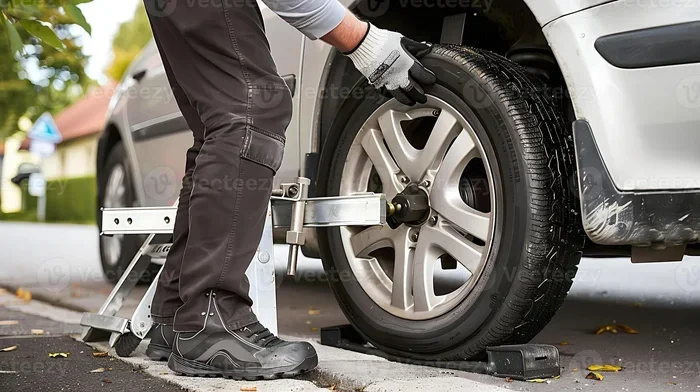
Before you lift the car, use the lug wrench to loosen each lug nut by turning them counterclockwise. Do not remove them completely yet. Just break the resistance. This is much easier to do while the tire is still on the ground.
Step 4: Lift the Vehicle Using Your Alternative Method
Now use your chosen alternative to lift the car. Drive onto car ramps, position a bottle jack on a sturdy part of the frame, or use a sloped surface. Make sure the vehicle is stable before you go any further.
Step 5: Remove the Flat Tire and Mount the Spare
Now you can fully remove the lug nuts, pull off the flat tire, and mount the spare. Hand-tighten the lug nuts first, then lower the vehicle, and finally tighten them in a star pattern with the lug wrench.
Key Takeaway: The process is the same whether you have a car jack or not. The only difference is how you lift the vehicle.
Essential Tools to Keep in Your Car Instead
If you decide a car jack is not something you need in your vehicle, there are other tools that are just as important for roadside emergencies. Building a solid emergency kit can save you time, money, and stress.
The Must-Have Roadside Kit
- Spare tire: A fully inflated spare is your best friend on the road. Check its pressure every few months.
- Lug wrench: A good-quality wrench that fits your vehicle’s lug nuts perfectly.
- Wheel wedges or chocks: These prevent the car from rolling while you work.
- Reflective triangles or flares: Make yourself visible to other drivers, especially at night.
- Flashlight: A sturdy flashlight helps you see in low-light conditions.
- Gloves and a rain poncho: Simple items that keep you comfortable and safe while working outdoors.
Consider Adding These Items
- Portable tire inflator: This can reinflate a slightly flat tire without needing to swap tires at all.
- Tire sealant: A quick fix for small punctures that lets you drive to a repair shop safely.
- Jumper cables or a portable jump starter: Dead batteries are another common roadside issue.
- Basic first aid kit: Always good to have on hand for minor injuries.
Having these tools means you are prepared for more than just a flat tire. You build real roadside emergency preparedness that gives you confidence every time you drive.
Quick Tips for Car Maintenance Without a Jack
Some vehicle maintenance tasks require lifting the car, even for routine checks. Here is how to handle them without a traditional jack.
- Check tire tread: You can inspect your tires while they are on the ground. Use the penny test by inserting a penny into the tread with Lincoln’s head facing down.
- Rotate tires: This is harder without a jack, but some drivers use car ramps to lift the front or rear wheels for rotation.
- Inspect undercarriage: Drive over a car wash’s inspection ramp to look at the underside of your vehicle.
- Oil changes: Some quick-lube shops will lift your car for free if you purchase oil from them.
These small workarounds keep your vehicle in good shape even when you do not own a car jack.
When You Absolutely Need a Car Jack
Not every situation can be handled without proper lifting equipment. There are times when using a car jack is not just convenient but essential for safety.
Situations That Require a Jack
- Replacing a suspension component. You need the vehicle lifted high and securely to access underneath.
- Brake repairs. Working on brake calipers or rotors requires the wheel to be off and the car stable on a jack stand.
- Exhaust system repairs. Rusty bolts and tight spaces often need the vehicle elevated.
- Transmission work. This is one of the most complex jobs and requires full access underneath.
In these cases, a hydraulic floor jack paired with jack stands is the safest approach. Never work under a vehicle supported only by a jack. Jack stands provide the stability you need to prevent serious injury.
The Role of Jack Stands in Vehicle Safety
Jack stands are not the same as a car jack, but they work together. A jack lifts the vehicle, and jack holds it in place while you work underneath. This two-step process is the standard in professional auto shops and should be your approach at home too.
If you plan to do any DIY car repair that involves going under the vehicle, invest in a quality set of jack stands. They are affordable, easy to store, and they could save your life.
Preventing Flat Tires and Jack-Related Emergencies
The best way to deal with not having a car jack is to prevent the situations where you would need one. Regular maintenance and smart driving habits go a long way toward keeping you safe on the road.
Tips to Avoid Flat Tires
- Check your tire pressure monthly. Underinflated tires are more prone to blowouts and punctures.
- Inspect your tires for wear. Bald tires lose grip and are more vulnerable to road hazards.
- Avoid potholes and debris. Sharp objects on the road are a leading cause of tire damage.
- Rotate your tires regularly. Even wear extends the life of each tire and improves safety.
- Replace old tires. Tires older than six years should be inspected closely and replaced as needed.
Keep Your Roadside Emergency Plan Ready
Even with the best maintenance, flat tires happen. The difference between a minor inconvenience and a major ordeal is how prepared you are. Keep your roadside kit stocked and accessible. Know where your nearest tire shop or service station is located. And save a reliable roadside assistance number in your phone.
Being proactive about vehicle safety and emergency preparedness means you rarely have to worry about what happens when something goes wrong. You already have a plan.
When to Call a Professional Instead of DIY
There is no shame in calling for help. If you do not feel comfortable changing a tire on the side of a busy highway, do not do it. Call a friend, a family member, or a roadside assistance service like AAA or your insurance provider’s roadside program.
Professionals have the right equipment, the training, and the experience to handle your situation safely. Sometimes the smartest DIY decision is knowing when to call in the experts.
Final Thoughts: Being Prepared Without a Car Jack
Not having a car jack does not leave you helpless. As you have seen, there are many safe and practical alternatives that work just as well in most situations. Car ramps, hydraulic jacks, sloped driveways, and professional lifts all offer viable paths to getting your tire changed or your vehicle maintained.
The real key is preparation. Keep a solid emergency kit in your trunk. Know your vehicle’s basic needs. Understand your options when the standard tools are not available. With this knowledge, you handle any roadside situation with confidence instead of fear.
Next time you open your trunk and realize there is no car jack staring back at you, take a deep breath. You know exactly what to do. And that peace of mind is worth more than any single tool ever could be.
Frequently Asked Questions
Can I use a car ramp instead of a car jack to change a tire?
Yes, car ramps are a safe and effective alternative to a car jack for changing tires. They work by letting you drive the vehicle up onto sloped platforms, lifting the wheels off the ground. Car ramps are especially useful for front-wheel-drive vehicles and are much more stable than a traditional jack.
What should I do if I have a flat tire but no car jack and no spare?
In this situation, your best option is to call roadside assistance or a tow truck. You can also use a portable tire inflator or tire sealant for minor punctures that do not require a full tire swap. Having these items in your emergency kit can help you avoid being stranded.
Is it safe to change a tire without a car jack?
It can be safe if you use proper alternatives like car ramps, a bottle jack, or a stable sloped surface. Always set the parking brake, use wheel wedges, and make sure the vehicle is on a flat, solid surface. Never work under a vehicle that is only supported by an unstable or improvised lifting method.
What type of car jack is best for DIY car repair at home?
A hydraulic floor jack is the most popular choice for home garages. It offers a low profile, high lifting capacity, and excellent stability. Pair it with jack stands for safety. Scissor jacks are fine for emergency roadside use but are not ideal for extended work underneath the vehicle.
How often should I check my tire pressure to prevent flat tires?
You should check your tire pressure at least once a month and before any long road trips. Properly inflated tires last longer, handle better, and are far less likely to suffer a blowout. Keep a tire pressure gauge in your glove box so you always have it handy.
Can I borrow a car jack from a neighbor or auto parts store?
Yes, many auto parts stores lend or sell basic car jacks and tools. You can also ask a neighbor or friend if they have a spare jack you can borrow. Some communities even have tool-lending libraries where you can access equipment for free or a small fee.
=== CONCLUSION ===
Not having a car jack is a common situation, and it does not have to leave you stranded or helpless. With the right knowledge, tools, and preparation, you can handle flat tires, roadside repairs, and basic vehicle maintenance without ever needing the original jack that came with your car.
From car ramps to bottle jacks to simple prevention strategies, you now have a full toolkit of alternatives and solutions. The most important takeaway is this: preparation is your best defense against any roadside emergency.
Keep your emergency kit stocked, know your options, and drive with confidence. You are more prepared than you think, and that makes all the difference when the unexpected happens on the road.