What Is the Tow Haul Mode in Snow and Why It Matters
Tow haul mode in snow is a drivetrain setting that changes how your truck shifts gears and manages engine power when hauling in winter conditions. It holds lower gears longer, boosts engine braking, and gives you better control on icy roads. Whether you are pulling a trailer or just driving a heavy truck through snow, this mode makes a big difference in safety and performance. In this guide, we break down exactly what it does, when to use it, and how to avoid common mistakes.
Winter towing can be stressful. Snow, ice, and cold temperatures make every drive more unpredictable. If you pull a trailer or haul heavy loads, you already know that your truck works harder in these conditions. That is where tow haul mode in snow comes in. This feature is built into many modern trucks and SUVs to help you maintain control when the roads get tough.
But what exactly does tow haul mode do? And why does it matter so much when snow is on the ground? In this article, we will walk you through everything you need to know about using tow haul mode in snow. We will cover how it works, when to activate it, the benefits you get, and the mistakes to avoid. By the end, you will feel confident using this setting every time winter weather hits.
Whether you drive a tow haul mode Chevy, a tow haul mode Ford, or a tow haul mode Dodge, the basics are the same. This guide will help you understand your truck better and keep you safe on the road.
Key Takeaways
- Tow haul mode in snow adjusts transmission shift points to keep your engine in the right RPM range for better traction and control.
- Using tow haul mode while hauling in winter reduces strain on your transmission and improves braking on slippery surfaces.
- You should activate tow haul mode in snow whenever you are towing a trailer, carrying heavy loads, or driving through icy or steep conditions.
- Common mistakes include leaving tow haul mode off and overloading your truck beyond its towing capacity in winter weather.
- Different truck brands like Chevy, Ford, and Dodge offer slightly different tow haul mode implementations, but the core benefits are the same.
- Prepare your truck before winter towing trips by checking brakes, tires, and fluid levels alongside activating tow haul mode.
📑 Table of Contents
- What Is Tow Haul Mode in Snow?
- How Tow Haul Mode Works on Snowy Roads
- When Should You Use Tow Haul Mode in Snow?
- Benefits of Using Tow Haul Mode in Winter Conditions
- Common Mistakes to Avoid When Towing in Snow
- Tips for Safe Towing in Snow with Tow Haul Mode
- Comparison: Tow Haul Mode ON vs OFF in Snow
- How Different Truck Brands Implement Tow Haul Mode
- Expert Insights on Tow Haul Mode in Snow
- Key Takeaways
- Conclusion
What Is Tow Haul Mode in Snow?
The Basic Definition
Tow haul mode in snow is a special drivetrain setting found in many pickup trucks and SUVs. When you turn it on, your truck changes how the transmission operates. Instead of shifting gears quickly to save fuel, the truck holds lower gears longer. This gives you more power and control, especially when road conditions are poor.
Think of it like this. Normal driving mode is like walking on a smooth sidewalk. Tow haul mode is like switching to boots with better grip on an icy path. The truck adjusts its transmission settings to match the demands of heavy hauling and slippery surfaces.
The system is not just for towing. Even if you are not pulling a trailer, tow haul mode can help when your truck is loaded with heavy cargo. In snow, having that extra control can make all the difference between a smooth drive and a dangerous slide.
How the System Activates
Activating tow haul mode is usually simple. Most trucks have a button on the dashboard or steering column. Some models use a shift lever or a dial on the center console. When you press the button, a light comes on on your instrument cluster to confirm the mode is active.
Here is what happens when you hit that button:
- The transmission holds gears longer before shifting up.
- Engine RPM stays higher, giving you quicker response.
- Downshifts happen more aggressively when you slow down.
- Engine braking increases, which helps on downhill slopes.
These changes happen automatically. You do not need to manually shift gears. The truck handles everything for you. That is what makes tow haul mode so convenient for drivers who regularly haul in winter conditions.
How Tow Haul Mode Works on Snowy Roads
Transmission Shift Points
In normal driving mode, your truck shifts up to higher gears quickly. This saves fuel but reduces engine power. When you are driving through snow, that quick upshift can actually hurt you. The engine loses torque, and your wheels may slip.
Tow haul mode in snow changes the shift points dramatically. Instead of shifting up at 2,000 RPM, the truck might hold gear until 3,500 RPM or higher. This keeps the engine in its power band, where it can deliver maximum torque to the wheels. More torque means better grip on slippery surfaces.
When you need to slow down, the transmission downshifts more aggressively. This is called engine braking, and it is one of the biggest advantages of using tow haul mode in winter. Instead of riding your brakes, which can cause overheating and sliding, the engine slows the truck down naturally.
Engine Braking and RPM Control
Engine braking is the silent hero of winter towing. When you take your foot off the gas pedal, the engine creates resistance that slows the truck down. In normal mode, this effect is minimal. In tow haul mode, it becomes much stronger.
Why does this matter in snow? When you are driving downhill on an icy road, you do not want to ride your brakes constantly. That can cause brake fade, which means your brakes stop working effectively. Tow haul mode in snow uses engine braking to do the work for you. Your brakes stay cool, and you maintain steady control.
The higher RPM control also means your truck responds faster to throttle inputs. If you need to accelerate quickly to get out of a slippery spot, tow haul mode gives you the power right away. There is no lag waiting for the transmission to downshift.
Impact on Traction Control Systems
Many modern trucks pair tow haul mode with their traction control and stability systems. When you activate tow haul mode in snow, these systems may adjust their sensitivity. They allow slightly more wheel slip before intervening, which actually helps you maintain momentum in deep snow.
This is different from normal mode, where traction control might cut power too aggressively and leave you stuck. With tow haul mode active, your truck works with you instead of against you. The 4WD tow haul mode setting is especially effective because it sends power to all four wheels while also adjusting transmission behavior.
When Should You Use Tow Haul Mode in Snow?
Light Snow and Icy Conditions
You should consider turning on tow haul mode in snow anytime the roads are not completely clear. Even light snow can be dangerous, especially if you are hauling a trailer or carrying a heavy load. The extra control from tow haul mode gives you a safety margin that normal driving mode does not provide.
If the temperature is near freezing and there is any moisture on the road, assume conditions are slippery. Activate tow haul mode before you start driving. It is much easier to prevent a skid than to recover from one.
Heavy Snow and Steep Hills
Heavy snow and steep hills are where tow haul mode in snow really shines. When you are climbing a snowy hill with a heavy trailer, you need every bit of engine power you can get. Normal mode might cause the transmission to hunt between gears, which wastes power and can cause wheel spin.
Tow haul mode holds lower gears steady, so your truck climbs with consistent power. On the descent, engine braking keeps your speed in check without overheating your brakes. This is critical for downhill towing in winter conditions.
Towing a Trailer in Winter
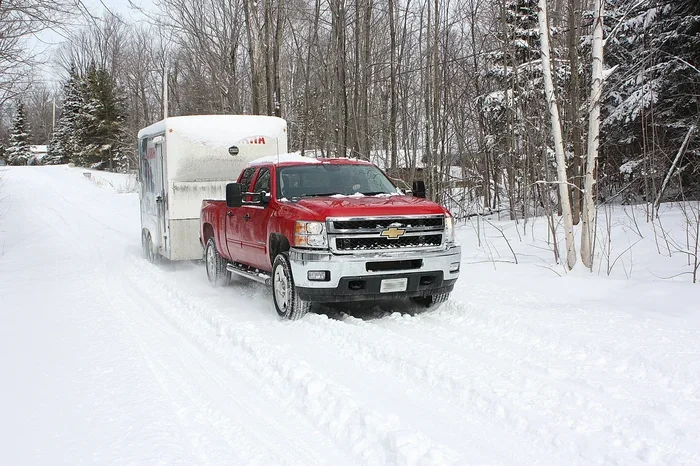
If you are trailer towing in snow, you should always use tow haul mode. A trailer adds significant weight and changes how your truck handles. The extra mass means longer stopping distances and more momentum on downhill slopes.
Tow haul mode in snow compensates for these challenges by keeping your transmission in the right gear range. It also helps your truck brake more smoothly when you are pulling a heavy load. Without it, you are essentially driving your truck blind to the extra demands that winter towing places on your vehicle.
When NOT to Use Tow Haul Mode
There are times when you should turn tow haul mode off. On dry, clear roads at highway speeds, normal mode is more fuel efficient. Tow haul mode fuel economy suffers because the engine runs at higher RPMs. If you are not hauling or towing and the roads are clear, switch back to normal mode.
Also, if you are driving at very low speeds on dry pavement, tow haul mode can cause the engine to rev too high. Use it only when conditions warrant the extra power and control.
Benefits of Using Tow Haul Mode in Winter Conditions
Improved Traction and Stability
The biggest benefit of tow haul mode in snow is improved traction. By keeping the engine in its power band, the truck delivers torque more effectively to the wheels. This reduces wheel spin and helps you maintain stable, predictable handling.
When you are hauling a heavy load through a snowy intersection, you need that extra traction. Tow haul mode gives it to you by keeping the transmission in lower gears where the engine can push hard without slipping.
Better Braking Performance
Tow haul mode in snow improves your braking in two ways. First, engine braking does a lot of the slowing work for you, so your wheel brakes do not have to work as hard. Second, the transmission downshifts more aggressively when you lift off the gas, which creates natural deceleration.
This means shorter stopping distances on slippery roads and less chance of brake fade on long downhill stretches. For winter towing, better braking is not just a convenience. It is a safety feature that can prevent accidents.
Reduced Transmission Wear
Here is a benefit many drivers overlook. Tow haul mode actually reduces wear on your transmission. In normal mode, the transmission shifts frequently, especially when loaded and climbing hills. Each shift creates friction and heat inside the transmission.
With tow haul mode active, the transmission holds gears longer and shifts less often. This reduces the thermal stress on internal components. Over time, this can extend the life of your transmission, especially when you are regularly hauling in winter conditions.
Better Control on Variable Terrain
Winter roads are rarely uniform. You might start on a clear highway, then hit a snowy bridge, then navigate a steep icy hill. Tow haul mode in snow gives you a consistent level of control across all these changing conditions. You do not have to constantly adjust your driving style because the truck is already set up for demanding conditions.
Common Mistakes to Avoid When Towing in Snow
Leaving Tow Haul Mode Off
The most common mistake is simply forgetting to turn on tow haul mode. Many drivers leave their trucks in normal mode all winter and wonder why they struggle on hills or need to ride their brakes on descents. Make it a habit to check your mode setting before every winter trip.
If you have a tow haul mode Chevy Silverado or a similar truck, the button is easy to find. Get to know where it is on your specific model so you can activate it quickly and without thinking.
Overloading the Truck Beyond Towing Capacity
Tow haul mode in snow helps, but it cannot fix an overloaded truck. Every vehicle has a towing capacity limit, and exceeding it in winter conditions is extremely dangerous. Snow and ice reduce traction, which means your truck needs even more margin to stop and steer safely.
Check your owner manual for the exact towing capacity of your truck. Then reduce that number by at least 10 to 15 percent when driving in snow. This gives you a safety buffer that tow haul mode alone cannot provide.
Ignoring Tire Condition
Even with tow haul mode active, bad tires will get you into trouble in snow. Make sure your tires have adequate tread depth and are properly inflated. Consider using winter tires or tire chains for severe snow conditions. Tow haul mode works best when your tires can actually grip the road.
Relying Solely on Tow Haul Mode Without Adjusting Driving Habits
Tow haul mode in snow is a tool, not a magic fix. It makes your truck more capable, but it does not make you invincible. You still need to drive slower, leave more following distance, and avoid sudden inputs. No setting can replace safe, attentive winter driving.
Tips for Safe Towing in Snow with Tow Haul Mode
Pre-Trip Preparation
Before you head out in winter with a loaded truck, take a few minutes to prepare. Check the weather forecast and road conditions along your route. Make sure your truck is warmed up before pulling heavy loads in cold weather. Verify that your tow haul mode button or switch is working properly.
Also check your fluid levels, especially engine oil and transmission fluid. Cold temperatures can thicken fluids and reduce their effectiveness. Fresh fluids help your truck perform at its best when you need tow haul mode in snow the most.
Driving Techniques
Once you are on the road with tow haul mode active, use these techniques to stay safe:
- Accelerate gently to avoid wheel spin.
- Maintain a steady speed on hills instead of surging.
- Use engine braking on descents rather than riding your brakes.
- Keep a following distance of at least six seconds on snowy roads.
- Avoid sudden steering inputs that can cause skids.
- Monitor your truck temperature gauge to prevent overheating.
Maintenance Checks
Regular maintenance is essential for winter towing. Have your brakes inspected before the snow season. Check your towing capacity ratings and make sure your hitch and wiring are in good condition. A well-maintained truck responds much better when tow haul mode in snow is doing its job.
Pay special attention to your transmission. Tow haul mode puts extra demand on the transmission in cold weather. If you notice any slipping or hesitation, have it checked immediately. Catching a small problem early can prevent a costly breakdown on a winter road.
Comparison: Tow Haul Mode ON vs OFF in Snow
| Feature | Tow Haul Mode OFF | Tow Haul Mode ON |
|---|---|---|
| Shift Points | Shifts up early for fuel savings | Holds lower gears for more power |
| Engine Braking | Minimal | Strong, helps on descents |
| Transmission Wear | More frequent shifting | Less shifting, reduced wear |
| Traction in Snow | Weaker, wheels may spin | Stronger, better grip |
| Fuel Economy | Better | Lower |
| Brake Load | Higher, more wear | Lower, engine shares braking |
| Best For | Light loads, dry roads | Heavy loads, snow, hills |
As you can see from the table, tow haul mode in snow is clearly the better choice for winter driving conditions. The trade off in fuel economy is well worth the gains in safety, control, and transmission protection.
How Different Truck Brands Implement Tow Haul Mode
While the core concept of tow haul mode is the same across brands, each manufacturer adds its own twist. Understanding these differences can help you get the most out of your specific truck.
A tow haul mode Chevy truck typically uses a button on the dashboard that activates the feature. Chevrolet systems are known for their smooth transitions between modes and their integration with the truck’s stability control systems.
Ford trucks use a similar button-based approach, and their tow haul mode Ford systems often include additional features like Pro Trailer Backup Assist that complement the tow haul setting. Ford has also integrated tow haul mode with their trailering apps for better trip planning.
Dodge trucks, particularly the Ram lineup, offer a tow haul mode Dodge setting that works in conjunction with their available air suspension systems. This combination can automatically adjust ride height for towing in snow, adding another layer of safety.
No matter which brand you drive, the core benefits of tow haul mode in snow remain the same. More power, better braking, and improved control on slippery roads.
Expert Insights on Tow Haul Mode in Snow
Experienced truck owners and towing professionals agree on one thing: tow haul mode in snow is not optional. It is essential. According to towing safety experts, activating tow haul mode should be as routine as buckling your seatbelt when you start a winter haul.
One common tip from seasoned haulers is to practice using tow haul mode in safe conditions before you need it in an emergency. Find a snowy parking lot or a quiet winter road and get a feel for how your truck responds with the mode activated. This preparation can make a huge difference when you are facing real winter towing challenges.
Another expert insight is to combine tow haul mode with proper gear selection. If your truck has a manual mode or can manually hold gears, use it in conjunction with tow haul mode for maximum control. This is especially useful on steep mountain passes covered in snow.
Key Takeaways
- Tow haul mode in snow adjusts transmission shift points to keep your engine in the right RPM range for better traction and control.
- Using tow haul mode while hauling in winter reduces strain on your transmission and improves braking on slippery surfaces.
- You should activate tow haul mode in snow whenever you are towing a trailer, carrying heavy loads, or driving through icy or steep conditions.
- Common mistakes include leaving tow haul mode off and overloading your truck beyond its towing capacity in winter weather.
- Different truck brands like Chevy, Ford, and Dodge offer slightly different tow haul mode implementations, but the core benefits are the same.
- Prepare your truck before winter towing trips by checking brakes, tires, and fluid levels alongside activating tow haul mode.
Conclusion
Tow haul mode in snow is one of the most important features your truck has for winter driving. It changes how your transmission works, gives you better traction, improves braking, and reduces wear on your drivetrain. Whether you are hauling a trailer, carrying heavy cargo, or just driving a loaded truck through winter weather, this mode makes a real difference.
The key is knowing when to use it and how it works. Now that you understand tow haul mode in snow, you can make smarter decisions every time you hit the road in winter. Activate it early, drive with care, and enjoy the confidence that comes with knowing your truck is set up for the conditions.
Do not wait for your first skid of the season to figure out your settings. Take a few minutes today to find the tow haul mode button on your truck and practice using it. Your future self, driving through a snowy mountain pass with a heavy trailer in tow, will thank you.
Stay safe, stay prepared, and let tow haul mode in snow do the hard work for you this winter.
Frequently Asked Questions
Can I use tow haul mode in snow without towing a trailer?
Yes, absolutely. Tow haul mode in snow is not just for towing. You can use it anytime your truck is carrying a heavy load or when road conditions demand more control. It adjusts your transmission and engine behavior to give you better traction and stability, whether or not you are pulling a trailer.
Does tow haul mode in snow reduce fuel economy?
It can. Because tow haul mode holds lower gears longer and keeps the engine at higher RPMs, it uses more fuel than normal driving mode. However, when you are hauling in snow, safety and control matter more than fuel savings. The slight decrease in tow haul mode fuel economy is a worthwhile trade off for the extra protection and stability.
Is tow haul mode the same as 4WD or AWD?
No, they are different systems. Tow haul mode in snow changes how your transmission shifts gears and manages engine power. 4WD and AWD control which wheels receive power. Many trucks benefit from using both tow haul mode and 4WD together in snow, but they serve different purposes and work independently of each other.
Can using tow haul mode in snow damage my transmission?
No, it actually protects your transmission. Tow haul mode reduces the number of gear shifts under heavy load, which decreases heat buildup and wear. The design of tow haul mode is specifically intended to handle the demands of towing and hauling, including in cold and snowy conditions.
What is the difference between tow mode and haul mode?
Some trucks offer separate tow and haul settings. Tow mode typically focuses on managing transmission behavior when pulling a trailer. Haul mode is more about handling heavy cargo loads. Many trucks combine these into a single tow haul mode setting that addresses both needs. Check your owner manual to see how your specific truck handles these modes.
Should I use tow haul mode on icy roads even without a load?
Yes, if conditions are bad enough. Tow haul mode in snow improves traction and braking even without a trailer. If roads are icy and you want maximum control, activating tow haul mode gives your truck a stability boost. Just remember to switch back to normal mode when conditions improve to save fuel.