What Is the Symbol for Cruise Control on Your Dashboard
The cruise control symbol on your dashboard is a small icon that tells you your car’s speed control system is active. It usually looks like a speedometer with an arrow or a small car silhouette. Knowing this symbol helps you drive smarter, stay safe, and avoid confusion on long highway trips. This article breaks down every cruise control icon you might see and what each one means for your vehicle.
You are driving down a long stretch of highway. Your foot doesn’t need to press the gas pedal anymore. You glance at your dashboard and notice a small light glowing on the instrument cluster. What exactly does that light mean? That little symbol is the cruise control symbol, and it tells you your car’s speed control system is active.
Understanding dashboard symbols is one of the most important skills every driver should have. Yet many people ignore them or guess what they mean. The cruise control icon is one of the most commonly misunderstood symbols on modern dashboards. Whether you drive a new car or an older model, knowing what these lights mean keeps you safe and confident behind the wheel.
This guide walks you through everything you need to know about the cruise control symbol. You will learn what it looks like, what each variation means, how the system works, and what to do when something goes wrong. By the end, you will be an expert at reading your vehicle dashboard lights and using cruise control like a pro.
Key Takeaways
- Recognizing the cruise control symbol helps you understand when your speed control system is on or off.
- Different dashboard icons represent cruise control, adaptive cruise control, and cruise control warnings.
- Knowing how to use cruise control properly improves fuel efficiency and reduces driver fatigue on long trips.
- Common mistakes with cruise control can lead to accidents if drivers don’t understand what each symbol means.
- Modern cars have advanced cruise control systems with unique symbols that differ from older vehicles.
- Regular maintenance keeps your cruise control system working correctly and your dashboard lights accurate.
📑 Table of Contents
- What Is the Cruise Control Symbol?
- How Cruise Control Works
- Different Types of Cruise Control Symbols
- Where to Find the Cruise Control Button
- Common Mistakes Drivers Make with Cruise Control
- Cruise Control Symbol in Different Car Brands
- When to Turn Off Cruise Control
- Maintenance Tips for Cruise Control Systems
- Final Thoughts on the Cruise Control Symbol
What Is the Cruise Control Symbol?
The cruise control symbol is a small icon on your dashboard that shows your speed control system is turned on. It looks different depending on your car’s make and model, but most versions share similar design elements. The symbol often features a speedometer dial with an arrow or a small car silhouette inside it.
When you press the cruise control button on your steering wheel or console, this light appears on your dashboard. It means the system is ready to maintain your chosen speed without you needing to keep your foot on the gas pedal. This feature is especially helpful during highway driving and long road trips.
What Does the Cruise Control Icon Look Like?
Most cruise control icons share a few common design traits. Here is what you typically see:
- A speedometer shape with a small arrow pointing to a speed number
- A car silhouette inside a speedometer or gauge
- An arrow or lever pointing upward, showing acceleration
- A small dashboard gauge with a line or needle in the middle
The exact design varies by manufacturer. Toyota, Honda, Ford, and BMW all use slightly different versions of the cruise control symbol. However, they all serve the same purpose. They tell you the system is on and waiting for you to set a speed.
How Cruise Control Works
Understanding how cruise control systems work helps you appreciate the symbol more. When you activate cruise control, your car uses sensors and electronic controls to maintain a steady speed. The system communicates with your vehicle’s throttle to keep the car moving at the pace you set.
Here is a simple breakdown of how it works:
- You press the cruise control button to turn the system on.
- The cruise control symbol lights up on your dashboard.
- You accelerate to your desired speed.
- You press the “set” button to lock in that speed.
- The car maintains the speed automatically until you brake or press cancel.
The system uses your speedometer readings and input from wheel speed sensors to keep everything consistent. This means your car handles the throttle adjustments for you, which reduces foot fatigue and makes long drives much more comfortable.
The Role of the Throttle in Cruise Control
Your car’s throttle control is the engine part that manages how much air and fuel go into the engine. When cruise control is active, it controls the throttle electronically or through a cable system. This is why you might notice the cruise control symbol flicker briefly when the system adjusts your speed going up or down a hill.
The automatic speed adjustment is one of the best features of cruise control. It takes the pressure off your right foot and lets you focus more on steering and watching the road. But it is not a self-driving system. You still need to stay alert and ready to take control at any time.
Different Types of Cruise Control Symbols
Not all cruise control symbols look the same. Different cars and different systems use unique icons. Let us break down the most common types you might see on your dashboard.
Standard Cruise Control Symbol
The standard cruise control icon is the basic version found in most older and mid-range vehicles. It typically looks like a speedometer with a small arrow or line inside. This symbol simply means the cruise control system is turned on and ready to set a speed.
If you see this symbol, you know your car has the basic speed control system active. You can set a speed, and the car will hold it until you press the brake or cancel button. This type of system does not adjust for traffic or road conditions automatically.
Adaptive Cruise Control Symbol
Adaptive cruise control (ACC) is a more advanced system. It uses radar, cameras, or sensors to detect the car ahead of you and adjusts your speed accordingly. The adaptive cruise control symbol often looks similar to the standard icon but may include additional lines or waves to show distance sensing.
Some cars display a small car icon with radar waves next to the speedometer shape. This tells you the system can automatically slow down and speed up to keep a safe distance from the vehicle in front of you. It is a great feature for heavy traffic and stop-and-go highway driving.
Cruise Control Warning Symbols
Sometimes you see a cruise control warning light instead of the normal icon. This usually means something is wrong with the system. Warning lights might flash or appear in a different color, often red or amber.
Common reasons for a cruise control malfunction warning include:
- Low brake fluid triggering a safety shutoff
- Faulty speed sensor that cannot read your current speed
- Electrical issues in the cruise control module
- Brake light switch failure that prevents the system from engaging
- Low battery voltage affecting the system’s electronics
If you see a warning symbol, do not ignore it. Pull over safely and check your owner’s manual. Some issues are simple to fix, while others need a professional mechanic.
Where to Find the Cruise Control Button
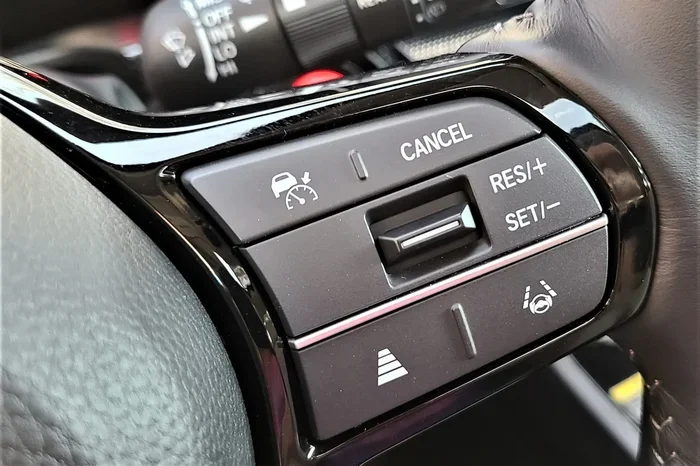
The cruise control button is usually located on your steering wheel or the steering column. Most modern cars place these controls right where your fingers naturally rest. This makes it easy to turn the system on and off without taking your hands off the wheel.
Here are the most common places you will find cruise control controls:
- Steering wheel spokes – buttons on the left or right side
- Steering column – controls near the turn signal lever
- Center console – a small control pad near the gear shift
- Dashboard lever – a stalk on the side of the steering column
Each steering wheel control setup works a little differently, but the basic functions are the same. You will typically find buttons for on, off, set, resume, cancel, and increase or decrease speed. Spend a few minutes learning where each button is in your car. It makes a big difference when you are driving on a long trip.
Quick Tips for Using Cruise Control Buttons
Here are some simple tips to help you get the most out of your cruise control system:
- Practice in safe conditions – try cruise control on empty highways before using it in heavy traffic
- Set speeds that are legal – always follow posted speed limits
- Use the resume button after slowing down for a curve or slowdown
- Tap the cancel button instead of braking hard if you just need to temporarily disable the system
- Adjust your following distance when using adaptive cruise control
Common Mistakes Drivers Make with Cruise Control
Even experienced drivers sometimes make mistakes with cruise control systems. Understanding these common errors helps you avoid them and stay safe on the road.
Leaving Cruise Control on in Traffic
One of the biggest mistakes is forgetting to turn off cruise control when traffic slows down. If the car ahead of you stops and you are still in cruise control mode, your car will keep moving forward. This can lead to a serious rear-end collision. Always pay attention to traffic conditions and be ready to take manual control.
Using Cruise Control in Bad Weather
Wet roads, ice, and heavy rain are not safe conditions for cruise control. When your car is on cruise control, it maintains a constant speed. If you hit a slippery patch, the system may not react fast enough to prevent a skid. Turn off cruise control when road conditions are less than ideal.
Ignoring the Dashboard Symbol
Many drivers glance at their dashboard lights without really understanding what they mean. If the cruise control symbol is on but you did not intentionally turn it on, check your controls. Sometimes a button gets accidentally pressed, leaving the system active when you do not want it.
Not Knowing How to Cancel
Every driver should know how to quickly cancel cruise control. The most common ways are pressing the brake pedal, hitting the cancel button, or pressing the off button. If you are unsure where these controls are in your car, find out before you need them in an emergency.
Cruise Control Symbol in Different Car Brands
Car manufacturers put their own spin on the cruise control symbol. Here is a quick look at how some popular brands display it on the dashboard.
| Brand | Symbol Description | Key Feature |
|---|---|---|
| Toyota | Speedometer with arrow | Standard cruise control with set/resume buttons |
| Honda | Speedometer with car silhouette | Simple and clean dashboard icon design |
| Ford | Speedometer with steering wheel | Integrated with Ford Sync display |
| BMW | Speedometer with arrow and distance lines | Adaptive cruise control with distance display |
| Chevrolet | Speedometer with directional arrow | Works with Super Cruise hands-free system |
As you can see, the cruise control symbol varies quite a bit across brands. The good news is that the basic concept stays the same. A speedometer shape means speed control is active. Always refer to your car’s owner manual for the exact meaning of symbols specific to your vehicle.
When to Turn Off Cruise Control
Knowing when to disengage cruise control is just as important as knowing how to turn it on. Here are situations where you should switch off the speed control system:
- Heavy traffic – constant stopping and starting makes cruise control impractical
- Winding roads – the system cannot handle sharp turns safely
- Wet or icy roads – traction can be lost if the system maintains speed
- City driving – frequent speed changes are needed in urban areas
- Construction zones – speed limits change quickly and workers may be nearby
- Fatigue or distraction – cruise control should never replace active driving attention
The cruise control symbol should only be on when conditions are safe and appropriate for using the system. When in doubt, turn it off and take manual control of your vehicle.
Maintenance Tips for Cruise Control Systems
Like any other car system, your cruise control needs regular attention to work properly. Here are some maintenance tips to keep your system running smoothly.
Check Your Speed Sensors Regularly
The speedometer sensor plays a key role in cruise control operation. If the sensor is dirty or malfunctioning, the cruise control symbol may not light up correctly or the system may not engage. Have your mechanic check these sensors during routine oil changes and service visits.
Keep Your Brake System in Good Shape
Your brake system is directly connected to cruise control. The system automatically disengages when you press the brake pedal. If your brake light switch is faulty, the cruise control system may not work at all. Regular brake inspections help prevent this issue.
Update Your Car’s Software
Modern vehicles rely heavily on software for features like adaptive cruise control and driver assistance systems. Manufacturers sometimes release updates that improve how these systems work. Ask your dealer about software updates during your regular service appointments.
Clean Your Sensors
If your car has adaptive cruise control, it relies on radar sensors and cameras mounted on the front of the vehicle. Snow, dirt, and debris can block these sensors and cause the cruise control symbol to flash or disappear. Keep the front of your car clean, especially after driving in bad weather.
Final Thoughts on the Cruise Control Symbol
The cruise control symbol on your dashboard is a small but powerful indicator. It tells you your car’s speed control system is active and ready to help you on long drives. Understanding what each dashboard symbol means gives you more confidence, better safety, and a smoother driving experience.
Take a moment the next time you get behind the wheel to locate the cruise control button and learn what each light on your instrument cluster represents. A few minutes of learning can make a huge difference every time you drive. Whether you are heading out on a road trip or just commuting to work, knowing your cruise control system is working correctly gives you peace of mind.
Remember, cruise control is a helpful tool, not a replacement for attentive driving. Always stay focused on the road, keep your hands on the wheel, and use the speed control system wisely. Drive safe and enjoy the journey.
Frequently Asked Questions
What does the cruise control symbol look like on most cars?
The cruise control symbol usually looks like a small speedometer with an arrow or a car silhouette inside it. It is typically a green or white icon on your dashboard. Different car brands may use slightly different designs, but they all represent the same speed control feature.
Can I use cruise control in the rain?
It is best to turn off cruise control in rainy or wet conditions. When roads are slippery, maintaining a constant speed can cause your tires to lose traction. The cruise control system does not adjust for low grip the way a human driver would. Always switch to manual control in bad weather.
Why is my cruise control symbol flashing on the dashboard?
A flashing cruise control symbol usually means there is a problem with the system. Common causes include low brake fluid, a faulty speed sensor, or a brake light switch issue. Check your owner’s manual for specific guidance, and consider visiting a mechanic if the light stays on.
What is the difference between cruise control and adaptive cruise control?
Standard cruise control maintains a set speed you choose. Adaptive cruise control uses sensors and radar to adjust your speed based on the car ahead of you. The adaptive cruise control symbol often looks different from the standard icon and may include radar wave lines or a distance indicator.
How do I turn off cruise control if the button is not working?
If the cruise control button is not responding, press the brake pedal firmly. This will immediately disengage the system on most vehicles. You can also look for a cancel button on the steering wheel controls. If neither works, turn off the engine and restart the car.
Does cruise control save gas on long trips?
Yes, cruise control can improve fuel efficiency on long highway trips. By maintaining a steady speed, the system reduces unnecessary acceleration and braking. However, it works best on flat, open roads. On hilly terrain, the system may use more fuel trying to maintain speed on inclines.
=== CONCLUSION ===
The cruise control symbol is one of the most useful icons on your dashboard. It tells you your car’s speed control system is active and ready to help you on long drives. Understanding what each dashboard symbol means gives you more confidence, better safety, and a smoother driving experience.
Take a few minutes to learn the cruise control icon in your specific vehicle. Practice using the system in safe conditions. And always remember that cruise control is a tool to assist you, not replace your attention. Stay alert, drive safely, and enjoy the benefits of a well-functioning cruise control system on every journey.