Find Out the Difference Between Curb Weight and Gross Weight
Understanding curb weight and gross weight helps you make smarter vehicle decisions. Curb weight is how much your car weighs empty, while gross weight includes passengers, cargo, and fuel. Knowing these numbers protects your vehicle, improves safety, and helps you stay within legal limits.
Have you ever stood in a dealership, staring at a spec sheet, and felt completely lost? You see numbers everywhere, but one phrase keeps popping up that confuses you: curb weight and gross weight. These two terms sound similar, but they mean very different things. And understanding the distinction can save you money, keep you safe, and help you get the most out of your vehicle.
Whether you are buying a new truck, hauling a trailer, or just curious about what your car can handle, knowing the difference matters. This guide breaks it all down in plain, simple language. By the end, you will never mix up these two terms again.
Key Takeaways
- Curb weight is the weight of your vehicle with no passengers or cargo, just standard fluids.
- Gross weight is the total weight of your vehicle when fully loaded with people, cargo, and fuel.
- The difference between the two is your vehicle’s payload capacity.
- Exceeding gross weight limits can damage your vehicle and create safety risks.
- GVWR (Gross Vehicle Weight Rating) sets the maximum safe gross weight for your vehicle.
- Knowing your vehicle weight helps with towing, fuel efficiency, and registration compliance.
- Always check your owner’s manual or door jamb sticker for accurate weight specs.
📑 Table of Contents
What Is Curb Weight?
Let us start with the basics. Curb weight is the weight of your vehicle when it is completely empty. No passengers. No cargo. Just the car itself with all its standard fluids filled up.
Think of it this way. Imagine you park your car on a scale. The fuel tank is full, the oil is topped off, the coolant is at the right level, and there is not a single person or bag inside. That number is your curb weight. It is also sometimes called the unladen weight of a vehicle.
What Counts Toward Curb Weight?
Not everything on your vehicle counts toward curb weight. Here is what is typically included:
- The body and frame of the vehicle
- The engine and transmission
- The fuel tank filled to capacity
- All standard fluids like oil, coolant, and brake fluid
- The battery
- Standard equipment like the spare tire and jack
Now, what does not count? Anything removable that is not permanently installed. So if you have a roof rack that came with the car, it counts. But if you added a cargo carrier after purchase, that might not be included in the official curb weight figure.
Why Curb Weight Matters
Your curb weight is the baseline. It gives manufacturers and buyers a standard reference point. When comparing two vehicles, curb weight tells you which one is inherently heavier. A lighter curb weight often means better fuel efficiency and quicker acceleration. A heavier curb weight might mean a more sturdy build or a larger engine.
For example, a compact sedan might have a curb weight around 2,800 pounds. A full-size truck could weigh 5,500 pounds or more at curb weight. That huge difference affects everything from how the car drives to how much fuel it uses.
What Is Gross Weight?
If curb weight is the empty weight, then gross weight is the total weight when everything is on board. That includes passengers, cargo, fuel, and anything else you have loaded into or onto the vehicle.
Imagine the same car parked on a scale, but this time it is packed with four people, suitcases in the trunk, a dog in the back seat, and a full tank of gas. The number you see now is the gross weight. It represents the actual weight the vehicle is carrying at any given moment.
Types of Gross Weight You Should Know
There are a few different gross weight terms that can feel confusing at first. Let us untangle them:
- Gross Vehicle Weight (GVW): The total weight of the vehicle plus everything inside it at a specific moment.
- Gross Vehicle Weight Rating (GVWR): The maximum safe gross weight set by the manufacturer. This is a hard limit you should never exceed.
- Gross Axle Weight Rating (GAWR): The maximum weight each axle can safely carry.
These terms all relate to gross weight but serve different purposes. GVWR is the one you will see most often on the driver’s side door jamb or in your owner’s manual. It is the number that tells you the absolute maximum your vehicle can safely weigh when fully loaded.
Why Gross Weight Is So Important
Exceeding your vehicle’s gross weight limit is dangerous. It puts extra strain on the brakes, suspension, and tires. It can make steering sluggish and increase stopping distances. In extreme cases, overloaded vehicles can lose control or suffer mechanical failure.
Beyond safety, exceeding GVWR can also get you in legal trouble. Many states have strict weight limits for vehicles on public roads. If you are pulled over and your vehicle exceeds the legal limit, you could face fines or even be forced to offload cargo before you can continue driving.
The Key Differences Explained
Now that we have covered both terms, let us look at the core differences side by side. Understanding these distinctions makes everything clearer.
Curb Weight vs. Gross Weight at a Glance
The main difference comes down to what is on board. Curb weight is the vehicle alone. Gross weight is the vehicle plus everything it carries. The gap between these two numbers is your payload capacity.
Here is a simple way to think about it:
- Curb weight = vehicle by itself, fully fueled, no people or cargo
- Gross weight = vehicle fully loaded with passengers, cargo, and fuel
The payload capacity is simply the gross weight minus the curb weight. So if your truck has a curb weight of 5,000 pounds and a GVWR of 7,500 pounds, your payload capacity is 2,500 pounds. That is the maximum weight you can safely add with people and stuff.
How They Affect Vehicle Performance
Both numbers have a direct impact on how your vehicle performs. A heavier curb weight means the engine has to work harder just to move the car. This can reduce fuel economy and slow down acceleration.
When you add cargo and passengers, the gross weight increases. This affects handling, braking, and even ride comfort. A vehicle that is near its GVWR will feel sluggish and may handle poorly, especially in emergency situations.
A Quick Comparison Table
Here is a simple breakdown of the key differences:
- Curb Weight: Empty vehicle, standard fluids only. Used as a baseline for comparison.
- Gross Weight: Fully loaded vehicle at any given moment. Changes depending on what you carry.
- GVWR: The maximum safe gross weight. A fixed number set by the manufacturer.
- Payload Capacity: The difference between curb weight and GVWR. Tells you how much you can safely add.
Why Vehicle Weight Matters for Your Daily Driving
You might be thinking, “Why do I need to know all this?” The answer is simple. Vehicle weight affects your daily driving more than you might realize.
Fuel Efficiency
Heavier vehicles burn more fuel. This is basic physics. If your curb weight is high, your car uses more gas just sitting on the road. And when you add weight through cargo and passengers, the fuel economy drops even further.
If you are trying to save money at the pump, understanding your vehicle weight is a great first step. Lighter vehicles with lower curb weights generally deliver better miles per gallon.
Towing and Hauling
If you plan to tow a trailer, boat, or caravan, gross weight becomes critical. You need to know your vehicle’s towing capacity, which is closely tied to its weight ratings. Exceeding GVWR while towing is one of the most common mistakes drivers make.
Always check both your curb weight and your GVWR before hitting the road with a heavy load. The difference gives you your safe towing and payload budget.
Insurance and Registration
Believe it or not, your vehicle weight can affect your insurance rates and registration fees. Heavier vehicles may cost more to insure in some cases. And in many states, registration fees are based on vehicle weight. So knowing your curb weight and gross weight can help you budget for these costs too.
How to Find and Compare Weight Specifications
Finding your vehicle weight is easier than you might think. There are a few reliable sources you can check right now.
Check the Door Jamb Sticker
Open your driver’s side door and look for a sticker or plate on the door frame. This is called the Federal Certification Label. It lists your vehicle’s GVWR, curb weight, and tire pressure requirements. This is the most accurate source for your specific vehicle.
Consult the Owner’s Manual
Your owner’s manual contains a section on vehicle specifications. It will list the curb weight, GVWR, and payload capacity. If you have lost your manual, most manufacturers publish them online for free.
Use Online Resources
Websites like the manufacturer’s official site, Edmunds, or Kelley Blue Book provide detailed weight specs for most vehicles. You can look up any model year and trim level to find the numbers you need.
Use a Scale for Real-World Weight
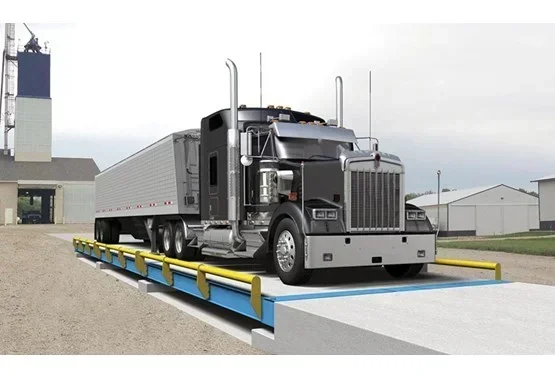
For the most accurate reading, drive your fully loaded vehicle onto a truck scale. This gives you your actual gross weight at that moment. Many truck stops and commercial scales allow public access for a small fee.
Common Mistakes When Comparing Vehicle Weights
Even experienced drivers sometimes get tripped up by vehicle weight terminology. Here are the most common mistakes to avoid.
Confusing GVWR with Actual Gross Weight
GVWR is a rating, not the current weight. Your vehicle’s actual gross weight changes every time you add or remove something. GVWR stays the same. Never assume your current gross weight is the same as the GVWR.
Forgetting About Aftermarket Additions
Lift kits, larger wheels, heavy-duty bumpers, and roof racks all add weight. These modifications increase your curb weight, which reduces your payload capacity. Always account for aftermarket additions when calculating your vehicle weight.
Ignoring Tongue Weight When Towing
When towing a trailer, the tongue weight (the downward force the trailer puts on the hitch) counts toward your gross weight. Many people forget this and end up overloading their vehicle without realizing it.
Assuming All Trims Have the Same Weight
Different trim levels and engine options can significantly change curb weight. A base model compact car weighs less than a loaded version with all the extras. Always check the weight for the exact configuration you are considering.
Using Curb Weight When You Should Use Gross Weight
This is the big one. If you are planning a road trip with four people and luggage, curb weight tells you nothing about whether your vehicle can handle the load. Always think in terms of gross weight and payload capacity when packing for a trip.
Quick Tips for Understanding Vehicle Weight
Here are some practical tips to keep in mind:
- Always check your door jamb sticker for the most accurate weight data.
- Weigh your vehicle fully loaded at least once a year if you haul heavy cargo.
- Keep a margin of safety. Do not load your vehicle right up to the GVWR limit.
- Distribute weight evenly. Uneven loading affects handling and tire wear.
- Remember that water, fuel, and passengers all add to your gross weight quickly.
- If you modify your vehicle, recalculate your weight specs to account for added parts.
These simple habits will help you stay safe, protect your vehicle, and avoid costly fines. Understanding curb weight and gross weight does not require a degree in engineering. It just takes a little awareness and some basic math.
Conclusion
The difference between curb weight and gross weight comes down to one simple idea. Curb weight is your vehicle by itself. Gross weight is your vehicle with everything on board. The space between these two numbers is your payload capacity, and respecting that limit keeps you safe and legal on the road.
Whether you are buying a new vehicle, planning a road trip, or hauling equipment for work, knowing these numbers gives you confidence. You will make better decisions, avoid overloading, and get the most out of your investment.
Take a moment today to look up your vehicle’s weight specs. Check the door jamb sticker or flip through your owner’s manual. It takes five minutes and could save you a lot of trouble down the road. Understanding curb weight and gross weight is one of the simplest yet most valuable things you can do as a vehicle owner.
Frequently Asked Questions
What is the difference between curb weight and gross weight?
Curb weight is the weight of the vehicle by itself with standard fluids but no passengers or cargo. Gross weight is the total weight of the vehicle when passengers, cargo, and fuel are included. The difference between the two is your payload capacity.
Where can I find my vehicle’s curb weight?
You can find your curb weight on the driver’s side door jamb sticker, in the owner’s manual, or on the manufacturer’s website. It is also listed on the Federal Certification Label inside the door frame.
What happens if I exceed my vehicle’s gross weight limit?
Exceeding the gross weight limit puts extra strain on your brakes, suspension, and tires. It can reduce handling and increase stopping distances. It may also result in legal fines or penalties depending on your state’s road weight laws.
Is GVWR the same as gross weight?
No. Gross weight is the actual weight of your loaded vehicle at any given moment. GVWR is the maximum safe gross weight set by the manufacturer. Your actual gross weight should always stay at or below the GVWR.
Does curb weight include the driver?
No. Curb weight does not include the driver or any passengers. It represents the vehicle with standard fluids only and no people or cargo on board.
How does vehicle weight affect fuel economy?
Heavier vehicles require more energy to move, which reduces fuel efficiency. A higher curb weight means your car uses more gas in everyday driving, and adding cargo or passengers increases this effect even further.