What Is Car Paint Protection Film And Why You Need It
Car paint protection film is a clear, durable layer applied directly to your vehicle’s exterior to shield the paint from damage. It defends against rock chips, scratches, UV rays, and everyday road hazards that dull your car’s finish. Also known as clear bra or PPF, this film can self-heal minor scratches and last up to ten years. If you want to keep your car looking brand new and protect its resale value, paint protection film is one of the smartest upgrades you can make.
Every car owner knows the sinking feeling. You’re driving down the highway, and suddenly a tiny rock chips your front bumper. Or you notice a fresh scratch on your hood that wasn’t there yesterday. These small moments of damage add up fast, and before you know it, your once-pristine paint job starts looking tired and worn.
That is where car paint protection film comes in. Also called PPF or clear bra, this transparent layer acts like armor for your vehicle’s paint. It takes the hits so your original finish stays untouched. In this guide, we will break down everything you need to know about paint protection film, from how it works to why it might be the best investment you ever make for your car.
Key Takeaways
- What it is: A transparent, thermoplastic urethane film applied to a vehicle’s painted surfaces for protection.
- How it works: The film absorbs impact from rocks, debris, and minor scratches while shielding against UV damage and oxidation.
- Key benefits: Preserves your car’s original paint, boosts resale value, and reduces the need for costly paint correction.
- Self-healing technology: Many modern films use heat-activated properties to erase minor scratches and swirl marks.
- Cost considerations: Full vehicle installation typically ranges from $2,000 to $6,000 depending on film quality and coverage area.
- Professional vs. DIY: Professional installation ensures bubble-free, precise application, though DIY kits exist for budget-conscious owners.
- Maintenance is simple: Regular washing and occasional detailing keep the film looking clear and performing well for years.
📑 Table of Contents
- What Is Car Paint Protection Film?
- Benefits of Paint Protection Film
- Where Should You Apply Paint Protection Film?
- Paint Protection Film vs. Ceramic Coating
- How Is Paint Protection Film Installed?
- How Much Does Paint Protection Film Cost?
- Common Mistakes to Avoid with Paint Protection Film
- How Long Does Paint Protection Film Last?
- Expert Insights on Paint Protection Film
- Is Paint Protection Film Worth It?
What Is Car Paint Protection Film?
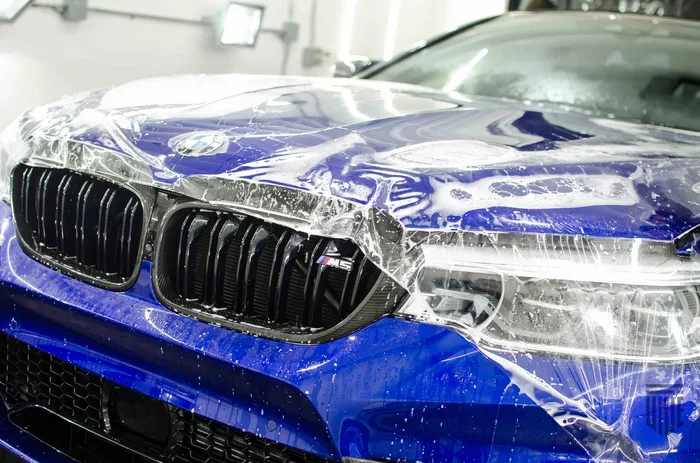
Car paint protection film is a thin, clear layer of thermoplastic urethane that adheres directly to your vehicle’s painted surfaces. Think of it as a second skin for your car. It is invisible once installed, so your vehicle keeps its original color and shine without any visible change.
The technology behind paint protection film has come a long way. Early versions were thick and yellowed over time. Today’s films are ultra-thin, crystal clear, and engineered to last. They use advanced self-healing technology, which means minor scratches and swirl marks disappear when exposed to heat, like warm water or sunlight.
Paint protection film was originally developed for military helicopters and fighter jets. It protected rotor blades from debris and stone chips. Eventually, the automotive industry adopted this technology, and now it is a staple in car detailing and paint protection circles around the world.
How Paint Protection Film Works
The film works by creating a physical barrier between your car’s paint and the outside world. When a rock, branch, or other debris hits your vehicle, the PPF absorbs the impact. The film may get a small mark or chip, but your actual paint underneath stays perfectly intact.
Most quality films have multiple layers. A clear coat on top provides gloss and UV resistance. The middle layer is the urethane core that handles impact absorption. A adhesive backing on the bottom bonds securely to your car’s surface. Together, these layers create a tough yet flexible shield.
What makes paint protection film truly impressive is its ability to “self-heal.” The topcoat contains elastic memory properties. When you apply heat, the film temporarily softens and minor surface scratches disappear. This is why many car enthusiasts swear by PPF as the gold standard for car scratch protection.
Benefits of Paint Protection Film
If you are wondering whether paint protection film is worth the investment, the benefits speak for themselves. Let us walk through the top reasons car owners choose PPF for their vehicles.
1. Preserves Your Original Paint
Your car’s original paint is its most valuable asset. Once the clear coat is damaged, you cannot fully restore it without expensive paint correction. Paint protection film keeps that factory finish safe from chips, scratches, and environmental damage. It is the best way to maintain your car’s showroom condition for years.
2. Protects Against Rock Chips and Road Debris
Every time you drive, your vehicle faces a barrage of rocks, gravel, and road debris. The front bumper, hood, and fenders take the hardest hits. Paint protection film acts as a buffer, absorbing these impacts and preventing chips that lead to rust and corrosion over time.
3. Shields Against UV Damage and Oxidation
Sun exposure is one of the biggest enemies of your car’s paint. UV rays cause fading, oxidation, and a dull, chalky appearance. Quality PPF blocks harmful UV rays, keeping your paint color vibrant and deep. This is especially important for darker-colored vehicles that show fading more easily.
4. Boosts Resale Value
A well-maintained paint job significantly increases your car’s resale value. When it is time to sell or trade in, buyers notice a vehicle with flawless paint. Paint protection film gives you a major advantage in the used car market because it proves the paint has been protected from day one.
5. Reduces Maintenance Costs
Without PPF, you may find yourself paying for touch-ups, paint correction, and even full repaints. These costs add up quickly. Paint protection film minimizes the need for these expensive repairs, saving you money in the long run. A simple wash and occasional car detailing session keep the film looking great.
Where Should You Apply Paint Protection Film?
Not every part of your car needs PPF, though you can cover the entire vehicle if you want full protection. Here are the most common areas where car owners apply paint protection film:
- Front bumper: The first point of contact for road debris and rocks. This area takes the most abuse.
- Hood: Exposed to flying gravel and direct sunlight, the hood benefits greatly from PPF coverage.
- Fenders and wheel wells: These areas kick up stones and road grime, making them prime candidates for protection.
- Side mirrors and door handles: These small but vulnerable parts chip and scratch easily in parking lots.
- Rear bumper: Just like the front, the rear bumper faces debris from vehicles behind you.
- Full front-end package: Many installers offer a front-end package covering the hood, front bumper, and fenders together.
If you want maximum protection, a full vehicle wrap with PPF covers every painted surface. This is the ultimate choice for car enthusiasts and luxury vehicle owners who want complete peace of mind.
Paint Protection Film vs. Ceramic Coating
Many car owners confuse paint protection film with ceramic coating. While both protect your car’s paint, they work in very different ways. Understanding the differences helps you choose the right option for your needs.
| Feature | Paint Protection Film (PPF) | Ceramic Coating |
|---|---|---|
| Type of Protection | Physical barrier against impact | Chemical barrier against contaminants |
| Scratch Resistance | Excellent — absorbs rock chips and scratches | Moderate — resists light swirl marks only |
| Self-Healing | Yes — heat-activated topcoat | No |
| UV Protection | Yes | Yes |
| Durability | 5 to 10 years | 2 to 5 years |
| Cost (Full Vehicle) | $2,000 – $6,000 | $1,000 – $3,000 |
| Best For | Impact protection and scratch defense | Chemical resistance and shine enhancement |
The best approach for many car owners is combining both. Apply paint protection film to high-impact areas like the front bumper and hood, and use ceramic coating on the rest of the vehicle. This layered approach gives you the best of both worlds — physical impact protection and chemical resistance.
How Is Paint Protection Film Installed?
Installing paint protection film is a precise process that requires skill and experience. While DIY kits exist, professional installation delivers the best results. Here is what you can expect during a typical paint protection film installation:
- Thorough cleaning: The vehicle is washed and decontaminated to remove dirt, grease, and old wax. Any paint imperfections are addressed first.
- Film cutting: Pre-cut templates or custom-cut pieces are prepared for each panel. Precision is key for a seamless fit.
- Application: The film is carefully placed on the surface using a squeegee and application solution. The installer removes air bubbles and ensures a smooth, tight bond.
- Heat molding: A heat gun is used to conform the film to curves, edges, and contours of the vehicle. This step activates the self-healing properties.
- Final inspection: The installer checks for bubbles, wrinkles, or alignment issues. The vehicle is then cured for several hours before driving.
Professional paint protection film installation typically takes one to three days, depending on the coverage area. A skilled installer ensures the film looks invisible and performs at its best for years to come.
How Much Does Paint Protection Film Cost?
The paint protection film cost varies based on several factors. Understanding these factors helps you budget and make an informed decision.
Factors That Affect PPF Pricing
- Film quality: Premium films from brands like XPEL, 3M, and SunTek cost more but offer better durability, clarity, and self-healing performance.
- Coverage area: A full front-end package costs less than a complete vehicle wrap. Partial coverage lets you prioritize high-impact zones.
- Vehicle size: Larger vehicles like SUVs and trucks require more film, which increases the overall cost.
- Installation location: Labor costs vary by region. Urban areas with high demand may charge more than smaller towns.
- Custom vs. pre-cut: Custom-cut films tailored to your specific vehicle model provide a better fit but may cost slightly more.
On average, expect to pay between $2,000 and $6,000 for a professional PPF installation. While this is a significant investment, the long-term savings on paint repairs and the preservation of your vehicle’s value make it well worth it.
Common Mistakes to Avoid with Paint Protection Film
Even the best paint protection film can underperform if you make these common mistakes:
- Choosing cheap film: Budget films may save money upfront but yellow, peel, and lose clarity within a year or two. Invest in a quality brand.
- Skipping professional installation: DIY installation often leads to bubbles, wrinkles, and edges lifting prematurely. Leave it to the pros.
- Ignoring maintenance: While PPF is low-maintenance, regular washing and proper car detailing extend its lifespan significantly.
- Using harsh chemicals: Avoid abrasive cleaners or solvents on PPF. Use pH-neutral car wash soap and microfiber cloths.
- Not getting a warranty: Quality installers offer PPF warranties that cover yellowing, peeling, and delamination. Always ask about warranty coverage.
How Long Does Paint Protection Film Last?
With proper care, paint protection film lasts between five and ten years. Premium films can even exceed ten years when maintained correctly. The lifespan depends on film quality, exposure to harsh conditions, and how well you care for the film.
Regular washing removes contaminants that can degrade the film over time. Avoid automatic car washes with harsh brushes, as they can cause premature wear. Instead, hand wash your vehicle or use touchless car wash facilities. Applying a PPF-specific top coat every year or two adds an extra layer of protection and enhances the film’s self-healing properties.
Expert Insights on Paint Protection Film
Industry professionals agree that paint protection film is one of the most effective ways to protect your vehicle’s paint. According to leading car detailing experts, the key is choosing a reputable installer and a high-quality film brand. A poorly installed PPF can do more harm than good, trapping moisture and causing paint damage underneath.
Experts also recommend focusing on high-impact zones first. The front bumper, hood, and fenders take the brunt of road debris, so these areas deliver the most value when protected with PPF. From there, you can expand coverage to other panels based on your budget and driving conditions.
One important tip from professionals: always check the film’s warranty before installation. Reputable brands like XPEL, 3M, and SunTek offer paint protection film warranties that cover manufacturing defects, yellowing, peeling, and delamination. A strong warranty gives you confidence in your investment and ensures long-term peace of mind.
Is Paint Protection Film Worth It?
The short answer is yes. If you care about your vehicle’s appearance and long-term value, paint protection film is one of the smartest upgrades you can make. It protects your investment, saves you money on future repairs, and keeps your car looking stunning for years.
Whether you drive daily on highways, park on busy streets, or simply want the best car scratch protection available, PPF delivers real results. It is invisible, durable, and effective. When you factor in the cost of paint repairs and the boost to resale value, the return on investment is clear.
Think of paint protection film as insurance for your car’s paint. You hope you never need it, but when you do, you will be incredibly glad you had it. Take the time to research quality installers, choose the right film for your needs, and enjoy the confidence that comes with knowing your vehicle is protected.
Frequently Asked Questions
What does PPF stand for in car protection?
PPF stands for Paint Protection Film. It is a clear, durable urethane film applied to a vehicle’s painted surfaces to shield against rock chips, scratches, and environmental damage.
Can paint protection film be removed?
Yes, paint protection film can be removed without damaging the underlying paint. Professional installers use specialized techniques to peel the film cleanly, leaving your original paint untouched and protected.
How much does it cost to apply paint protection film?
The cost varies based on coverage area and film quality. A full front-end package typically costs $1,500 to $3,000, while a complete vehicle wrap ranges from $3,000 to $6,000 or more depending on the brand and installer.
Does paint protection film really self-heal?
Yes, quality PPF films feature self-healing technology. Minor scratches and swirl marks disappear when exposed to heat, such as warm water or direct sunlight. This is one of the standout features that makes paint protection film so popular among car enthusiasts.
Is paint protection film the same as a ceramic coating?
No, they are different. Paint protection film is a physical barrier that absorbs impact and protects against scratches and rock chips. Ceramic coating is a liquid that chemically bonds to the paint, providing chemical resistance and enhanced gloss. Many owners use both for maximum protection.
How do I maintain paint protection film?
Maintaining PPF is simple. Wash your car regularly with pH-neutral soap, avoid abrasive cleaners, and use a microfiber cloth. Applying a PPF-specific top coat annually enhances the film’s durability and self-healing properties.
=== CONCLUSION ===
Car paint protection film is more than just a luxury add-on. It is a practical, powerful way to defend your vehicle against the everyday hazards of the road. From rock chips and scratches to UV damage and fading, PPF handles it all while keeping your car looking flawless.
Whether you choose a front-end package or a full vehicle wrap, investing in paint protection film pays dividends in both appearance and value. The self-healing technology, durable construction, and invisible finish make it the go-to choice for car owners who take pride in their vehicles. Combine PPF with regular car detailing and proper maintenance, and your car’s paint will stay in showroom condition for a decade or more.
If you have been on the fence about paint protection film, now is the time to take action. Talk to a trusted car detailing professional, explore your options, and give your vehicle the protection it deserves. Your future self — and your car’s resale value — will thank you.