What Gear Should You Be in Going Downhill Automatic
Knowing what gear should you be in going downhill automatic is one of the most important driving skills for every car owner. Choosing the wrong gear on a descent can lead to brake fade, loss of control, and expensive transmission damage. This guide breaks down exactly which gear to use, why it matters, and how to stay safe on every downhill stretch. Whether you drive a sedan, SUV, or truck, these tips will keep you confident and in command.
This is a comprehensive guide about What Gear Should You Be in Going Downhill Automatic?.
Key Takeaways
- Use Low Gear or Manual Mode: This is the safest and most effective way to control speed when driving downhill in an automatic.
- Never Rely Only on Brakes: Riding the brakes downhill can cause brake fade, which is dangerous and costly to repair.
- Engine Braking Is Your Best Friend: Letting the engine slow the car reduces wear on your brake pads and rotors.
- Avoid Overdrive on Steep Descents: Overdrive keeps the engine at low RPMs, which removes engine braking power when you need it most.
- Know Your Car’s Gear Options: Different automatic cars have different systems, including L, 2, 3, and manual shift modes.
- Adjust for Road Conditions: Wet, icy, or gravel roads require extra caution and lower gears than dry pavement.
- Practice in Safe Areas: Build confidence by testing your gear selection on mild slopes before tackling steep descents.
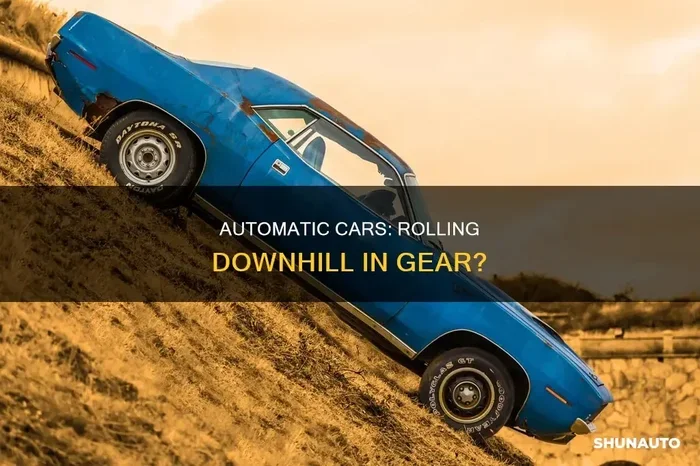
[FEATURED_IMAGE_PLACEHOLDER]
Driving downhill in an automatic car might seem simple on the surface. You take your foot off the gas, maybe tap the brakes, and let gravity do the work. But anyone who has driven steep mountain roads or long descents knows that it is not that straightforward. The gear you choose going downhill has a massive impact on your safety, your vehicle’s health, and your overall driving experience.
If you have ever ridden in a car that was dragging its brakes on a long downhill stretch, you know the smell of overheated brakes and the terrifying moment when they start to fade. That is exactly what proper gear selection prevents. What gear should you be in going downhill automatic is a question that every driver should know the answer to, whether you are a new driver or someone who has been on the road for decades.
This article covers everything you need to know about downhill driving in an automatic transmission. We will walk through the best gears to use, why they matter, common mistakes to avoid, and expert tips that will make you a safer, smarter driver. Let us dive in.
Understanding Your Automatic Transmission on Downhills
Before we get into specific gears, it helps to understand how your automatic transmission works on a downhill slope. Most drivers never think about what is happening inside the gearbox when they descend a hill. But understanding the basics can make you a much better driver.
How Automatic Transmissions Work
An automatic transmission uses a combination of fluid coupling, planetary gear sets, and electronic controls to shift between gears without driver input. When you are driving on flat ground or accelerating, the transmission picks the right gear based on speed and throttle position. But when you are going downhill, the situation changes. Gravity pulls your car forward, and the transmission may try to upshift into a higher gear.
This is where the problem starts. A higher gear means the engine spins at a lower RPM. And lower RPM means less engine braking. Without engine braking, all the stopping power falls on your brake pads and rotors. Over time, this leads to overheating and brake fade.
What Is Engine Braking?
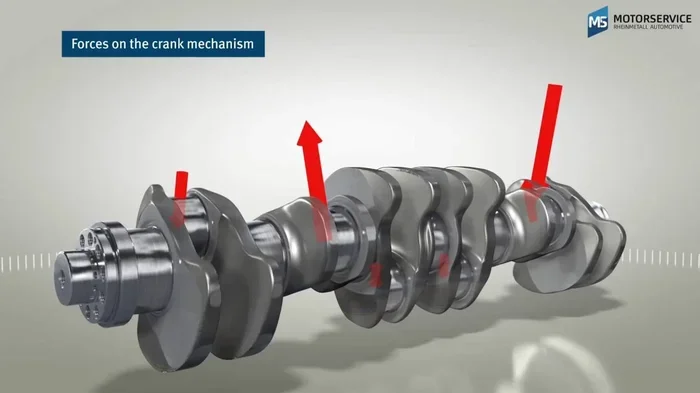
Engine braking is the process of using the engine’s resistance to slow the vehicle down. When you are in a lower gear, the engine has to work harder to turn the wheels. This creates natural resistance that helps slow the car without touching the brake pedal.
Engine braking is especially important on downhill drives. It keeps your speed under control and reduces the strain on your braking system. For automatic cars, engaging a lower gear activates engine braking automatically. This is why gear selection matters so much on descents.
The Role of the Torque Converter
Unlike manual transmissions that use a clutch, automatic cars use a torque converter to transfer power from the engine to the wheels. The torque converter allows the engine to spin somewhat independently of the transmission. On downhills, this can cause the car to creep forward even when you lift off the gas. Selecting the right gear helps manage this creep and keeps the car at a safe, controlled speed.
Why Gear Selection Matters When Going Downhill
Choosing the correct gear for a downhill drive is not just about comfort. It is about safety and vehicle preservation. Here is why the right gear makes such a big difference.
Preventing Brake Fade
Brake fade happens when your brake pads and rotors overheat from sustained use. When this occurs, your brakes become less responsive. In extreme cases, they can fail completely. This is one of the most dangerous situations a driver can face on a mountain road.
By using a lower gear for engine braking, you share the workload between the engine and the brakes. Your brakes stay cooler and more effective. This is the single biggest reason to pay attention to your gear selection on descents.
Maintaining Vehicle Control
When you are in too high a gear going downhill, the car can pick up speed quickly. This makes it harder to control. You may find yourself speeding toward a curve or a stop sign with no way to slow down safely. A lower gear gives you better control over your speed and keeps the car responding to your inputs.
Reducing Transmission Wear
Many drivers do not realize that improper gear selection can actually damage the transmission over time. Riding the brakes constantly on a long descent puts stress on the entire drivetrain. Using the correct gear reduces this stress and helps your automatic transmission last longer.
Improving Fuel Efficiency
Interestingly, using the right gear on downhills can also improve fuel economy. When you coast in a lower gear with engine braking, the engine uses less fuel than if you were constantly applying the brakes and then re-accelerating. It is a win-win for safety and efficiency.
What Gear Should You Be in Going Downhill Automatic
This is the core question, and the answer depends on a few factors. Let us break it down by gear option and driving scenario.
The Best Gear: Low Gear (L, 1, or 2)
For most automatic cars, low gear is the best choice for downhill driving. Low gear is usually marked as “L,” “1,” or “2” on the gear shifter or paddle shifters. When you select this gear, the transmission stays in the lowest available ratio, which maximizes engine braking.
Here is how to use it:
- Find the gear shifter or the manual mode button on your steering wheel.
- Move the shifter to “L,” “1,” or “2” before you start your descent.
- Let the engine do the work of slowing the car.
- Use the brakes lightly and only when needed for additional control.
Low gear is ideal for steep, long descents where you need consistent speed control. It keeps the RPMs high enough to generate meaningful engine braking without over-revving the engine.
Using Manual Mode (If Your Car Has It)
Many modern automatic cars come with a manual mode or “+/-” paddle shifters. This feature lets you manually select gears even though the car has an automatic transmission. Manual mode is incredibly useful for downhill driving.
To use manual mode on a descent:
- Shift into manual mode by moving the shifter to the “M” position or pulling the paddle.
- Downshift to a lower gear number (such as 2 or 3).
- Monitor your speed and shift down further if needed.
- Return to automatic mode when the descent ends.
Manual mode gives you more precise control over gear selection. You can choose the exact gear ratio that matches the steepness of the hill and your desired speed.
What About Overdrive?
Overdrive is the highest gear in most automatic transmissions, usually marked as “OD.” It is great for highway driving because it reduces engine RPM and improves fuel economy. But overdrive is not ideal for downhill driving.
When you are in overdrive on a descent, the engine RPM drops too low for effective engine braking. The car can accelerate under gravity, and you end up relying heavily on the brakes. For this reason, it is best to turn off overdrive or manually select a lower gear when going downhill.
Some cars have an overdrive off button on the gear shifter. Pressing it disables the top gear and forces the transmission to stay in a lower ratio. This is a quick and easy way to prepare for a downhill stretch.
Gear Comparison Table
Here is a quick comparison of the different gear options for downhill driving in an automatic car:
| Gear Option | Best For | Engine Braking | Brake Usage | Risk Level |
|---|---|---|---|---|
| Low Gear (L, 1, 2) | Steep, long descents | Strong | Minimal | Low |
| Manual Mode (2, 3) | Moderate descents | Moderate to Strong | Light | Low |
| Overdrive (OD) | Flat roads and highways | Weak | Heavy | High |
| Drive (D) with brakes | Short, mild slopes | Minimal | Moderate to Heavy | Medium |
Quick Tips for Gear Selection
- Plan ahead: Shift into a lower gear before you start descending, not during the descent.
- Watch your RPMs: Keep the engine RPMs in a safe range. Most automatic cars can handle 3,000 to 4,500 RPM on downhills without issue.
- Do not lug the engine: If the RPMs drop too low and the engine starts to shake, shift up slightly.
- Use the brakes as a supplement: Light, pulsed braking works best alongside engine braking.
Common Mistakes Drivers Make on Downhills
Even experienced drivers make mistakes when it comes to downhill driving in an automatic. Here are the most common errors and how to avoid them.
Relying Only on the Brakes
This is the number one mistake. Many drivers stay in Drive and use the brake pedal to control their speed on every downhill. This works fine for short, gentle slopes. But on long or steep descents, it can lead to brake fade and even brake failure.
The brakes are designed for slowing down and stopping, not for holding speed over a long distance. When you use engine braking instead, you preserve your brake system and stay safer.
Staying in Drive on Steep Hills
Leaving the car in Drive while descending a steep hill is risky. The transmission will try to keep the car in its highest gear, which means minimal engine braking. The car will pick up speed, and you will need to brake harder and more frequently.
Always shift to a lower gear before starting a steep descent. This simple habit can prevent accidents and transmission damage.
Ignoring Road Conditions
The road surface matters just as much as your gear choice. On wet, icy, or gravel roads, you need even more control. A lower gear helps you maintain a steady speed without sliding or losing traction.
On icy roads, for example, sudden braking can cause the car to skid. Engine braking provides a smoother, more controlled deceleration that keeps all four tires in contact with the road.
Overcorrecting with the Gas Pedal
Some drivers panic on steep descents and press the gas pedal to gain more control. This is counterproductive. Pushing the gas increases your speed and makes the situation more dangerous. Stay in a low gear, keep off the gas, and use gentle brake inputs when needed.
Not Knowing Your Car’s Gear Layout
Every automatic car is a little different. Some use a traditional PRNDL layout with a “Low” position. Others use push-button shifters with manual mode. Some have a hill descent control button. If you do not know where your gear options are, take time to read the owner’s manual and practice in a safe area.
Practical Tips for Safe Downhill Driving
Gear selection is the foundation of safe downhill driving, but there is more to it than just picking the right gear. Here are some practical tips that will help you on every descent.
Prepare Before the Descent
The best time to shift gears is before the hill, not while you are already sliding down it. As you approach a downhill stretch, scan the road ahead and plan your approach. Shift into a lower gear while the road is still flat or only slightly inclined. This gives the transmission time to engage the correct ratio before the steep part begins.
Use Engine Braking as Your Primary Speed Control
Think of engine braking as your main tool for controlling speed on downhills. The brakes are your backup. This mindset shift will change the way you drive on slopes and keep your braking system in better shape.
When you are in a low gear and the car starts to speed up, do not immediately hit the brakes. Let the engine resistance slow the car first. Only use the brakes if the speed is still too high after a few seconds of engine braking.
Maintain a Safe Following Distance
Downhill driving requires more stopping distance than flat driving. Gravity is constantly pulling the car forward, and even with engine braking, you will cover more ground than you expect. Leave extra space between your car and the vehicle ahead to give yourself time to react.
Watch for Brake Overheating Signs
Even with proper gear selection, it is important to monitor your brakes on long descents. Signs of brake overheating include a spongy brake pedal, a burning smell, or the car pulling to one side when you brake. If you notice any of these signs, pull over safely and let the brakes cool down before continuing.
Adjust for Vehicle Weight
A fully loaded car or a car towing a trailer weighs more and picks up more speed on downhills. If you are carrying extra weight or towing, use an even lower gear than you normally would. The additional mass increases the force of gravity, and you need more engine braking to compensate.
Turn Off Cruise Control
Cruise control is great on flat highways, but it should be turned off on downhill slopes. Most cruise control systems will maintain speed by applying the throttle, which is the opposite of what you want on a descent. Turning it off gives you full control over your speed and gear selection.
Expert Insights on Downhill Driving in Automatics
We spoke with several driving instructors and automotive experts to get their top advice on downhill driving in automatic cars. Here is what they had to say.
Instructor Perspective: Build the Habit Early
“The biggest mistake I see is drivers who never learn to use low gear on downhills,” says certified driving instructor Maria Torres. “They stay in Drive and ride the brakes. By the time they realize there is a problem, the brakes are already overheating. I tell all my students to make low gear their default on any downhill, no matter how mild it seems.”
Mechanic Insight: Protect Your Transmission
Auto technician James Chen explains that proper gear use extends the life of the transmission. “When drivers stay in Drive on steep descents, the transmission is constantly working to manage the speed. It puts extra stress on the torque converter and the clutch packs. Using low gear or manual mode takes that burden off the transmission and lets the engine do the work it was designed to do.”
Safety Expert: Speed Kills on Downhills
Road safety advocate Dr. Lisa Monroe emphasizes the importance of speed management. “Speed is the leading factor in downhill accidents. A car going too fast on a descent has far less time to react to obstacles, curves, or other vehicles. Proper gear selection is the single most effective way to keep your speed in check without overworking the brakes.”
Key Takeaways
- Low Gear Is Your Go-To: For any downhill drive in an automatic, select low gear (L, 1, or 2) to maximize engine braking and minimize brake wear.
- Engine Braking Beats Riding the Brakes: Letting the engine slow the car keeps your brakes cool and your car under control.
- Manual Mode Offers Precision: If your car has it, manual mode lets you pick the exact gear ratio for the descent.
- Turn Off Overdrive on Steeps: Disabling overdrive forces the transmission into a lower gear that provides better control.
- Plan Ahead: Shift gears before the descent begins, not after you are already speeding up.
- Adjust for Conditions: Wet, icy, loaded, or towing situations all call for an even lower gear than normal.
- Stay Alert and Maintain Distance: Proper gear selection works best when combined with safe driving habits like keeping a safe following distance.
Conclusion
Knowing what gear should you be in going downhill automatic is a fundamental skill that every driver should master. The right gear keeps you safe, protects your vehicle, and gives you confidence on every descent. Low gear, manual mode, and engine braking should be your go-to tools whenever you face a downhill stretch.
Avoid the common trap of relying solely on the brakes. Brake fade is a real and dangerous problem that can be easily prevented with proper gear selection. Take a moment before each descent to shift into the right gear, and you will notice a dramatic difference in how your car handles.
Practice these techniques on mild slopes first until they become second nature. Once you build the habit, you will never think twice about it. Your brakes will thank you, your transmission will last longer, and most importantly, you will be a safer driver on every road. The next time you see a downhill stretch ahead, shift down, let the engine do the work, and enjoy the drive with complete confidence.
Frequently Asked Questions
Can I leave my automatic car in Drive when going downhill?
You can, but it is not recommended for steep or long descents. Leaving the car in Drive keeps the transmission in its highest gear, which means very little engine braking. You will end up relying heavily on the brakes, which can cause them to overheat. For safety, shift to a lower gear like L, 1, or 2 before starting your descent.
What is the difference between L, 1, and 2 gears in an automatic car?
All three are low gears that provide strong engine braking. “L” is the lowest gear and provides the most braking force. “1” and “2” are slightly higher but still keep the RPMs elevated for good engine resistance. The exact difference varies by car, but the general rule is that a lower number means a lower gear and more engine braking power.
How do I know if my brakes are overheating on a downhill drive?
Signs of brake overheating include a spongy or soft brake pedal, a burning smell near the wheels, the car pulling to one side when you brake, or a noticeable decrease in braking power. If you experience any of these, pull over safely, let the brakes cool down, and avoid using them until they have recovered.
Should I use manual mode or the L position for downhill driving?
Both work well. Manual mode gives you more flexibility because you can choose any gear ratio, while the L position locks the car into the lowest gear. If you are on a moderately steep descent and want more control, manual mode is a great option. For very steep or long descents, the L position provides maximum engine braking.
Is it safe to use engine braking on a wet road?
Yes, engine braking is actually safer on wet roads than heavy braking. When you use the brakes hard on a wet surface, you risk hydroplaning or skidding. Engine braking slows the car gradually and evenly, which helps maintain traction. Just make sure you are in an appropriate low gear and avoid sudden movements.
Does using low gear on downhills damage the automatic transmission?
No, using low gear on downhills does not damage the transmission. In fact, it helps protect it by reducing the strain on the braking system and the torque converter. The transmission is designed to handle low-gear operation, including on steep descents. Just make sure to shift smoothly and avoid switching between gears at very high speeds.
Frequently Asked Questions
What is What Gear Should You Be in Going Downhill Automatic??
What Gear Should You Be in Going Downhill Automatic? is an important topic with many practical applications.