Can I Use E85 in My Car Without Ruining the Engine
If you have ever wondered whether you can use E85 in your car without causing damage, you are not alone. The answer depends entirely on whether your vehicle is a flex fuel vehicle or a standard gasoline car. Using E85 fuel in the wrong engine can lead to serious engine damage, so it is essential to understand your car’s compatibility before you fill up.
You see those bright yellow E85 pumps at the gas station and wonder if your car can use them. The question “Can I Use E85 in My Car” comes up more often than you might think. Whether you are trying to save money on fuel or boost performance, E85 has both fans and skeptics. But here is the thing — not every car can handle this high-ethanol fuel blend safely.
Before you pull up to that next pump, you need to know a few important facts. Using the wrong fuel can cause real problems. It can damage your fuel system, corrode seals, and even ruin your engine over time. On the other hand, if your car is a flex fuel vehicle, E85 can be a perfectly fine option. This guide will walk you through everything you need to know about Can I Use E85 in My Car without wrecking your engine.
We will cover what E85 is, which cars can use it, what happens if you put it in the wrong vehicle, and the real pros and cons. By the end, you will have a clear answer and the confidence to make the right choice at the pump.
Key Takeaways
- E85 is not for every car: Only flex fuel vehicles are designed to handle the high ethanol content in E85 safely.
- Using E85 in a non-compatible car can cause real damage: It can corrode rubber seals, damage the fuel system, and harm the fuel injector and fuel pump over time.
- Check your owner’s manual or look for a yellow gas cap: These are the easiest ways to confirm whether your car is a compatible vehicle for E85.
- E85 offers benefits for the right car: Higher octane rating, lower fuel cost, and reduced reliance on imported oil are real advantages for flex fuel vehicles.
- Fuel economy drops with E85: Expect a 15 to 30 percent decrease in fuel efficiency compared to regular gasoline.
- Accidental E85 use is fixable: If you put E85 in a non-compatible car, drain the tank quickly and have a mechanic inspect the fuel lines and seals.
- Know your car before you fill up: Taking a few minutes to verify compatibility can save you thousands in engine damage repairs.
📑 Table of Contents
- What Is E85 Fuel and Why Is It So Popular?
- Can I Use E85 in My Car? The Short Answer
- What Happens If You Put E85 in a Non-Flex Fuel Car?
- Benefits of Using E85 in a Flex Fuel Vehicle
- Downsides and Risks of Using E85
- How to Tell If Your Car Is Compatible with E85
- Can I Use E85 in My Car? The Bottom Line
What Is E85 Fuel and Why Is It So Popular?
E85 is a fuel blend that contains 51 to 83 percent ethanol, depending on where you live and the season. The rest is gasoline. This ethanol blend is made from corn, sugarcane, or other plant materials. That is why many people call it a renewable fuel.
In the United States, E85 is most common in the Midwest, where corn production is big. You will find E85 pumps at many gas stations, especially in states like Illinois, Iowa, and Nebraska. The fuel is often cheaper than regular gasoline, which draws a lot of attention from drivers looking for savings.
How Is E85 Different from Regular Gasoline?
Regular gasoline typically has about 10 percent ethanol. This is called E10. Most cars on the road today run fine on E10. E85, however, has a much higher ethanol content. This changes how the fuel burns and how your engine handles it.
The octane rating of E85 is also higher. It ranges from 100 to 108, depending on the blend. Higher octane fuel resists knocking, which is good for engines that need it. But a higher octane rating does not mean every engine can handle E85. The combustion temperature and air-fuel mixture are different, and only certain engines are built to manage those changes.
Why Do People Use E85?
There are a few reasons drivers choose E85:
- Lower cost per gallon. E85 is often cheaper than regular gasoline at the pump, which is a big draw for budget-conscious drivers.
- Renewable source. Ethanol comes from plants, not fossil fuels, making it a more sustainable choice.
- Higher octane. This can boost performance in turbocharged engines and high-compression motors that benefit from the extra octane.
- Reduced reliance on imported oil. Using ethanol supports domestic fuel production and energy independence.
But there is a catch. The lower cost often comes with lower fuel economy. More on that in a later section. For now, just know that E85 is not a magic solution for every driver or every car.
Can I Use E85 in My Car? The Short Answer
The short answer to “Can I Use E85 in My Car” is: it depends on your vehicle. Some cars are built to handle E85 just fine. Others will suffer serious damage if you put this fuel in the tank.
The key factor is whether your car is a flex fuel vehicle. These vehicles have special parts that can handle the corrosive nature of high-ethanol fuel. They also have sensors that adjust the air-fuel mixture based on the fuel type. The engine control unit (ECU) in a flex fuel car can detect the ethanol content and make real-time adjustments to keep things running smoothly.
If your car is not a flex fuel vehicle, you should not use E85. Doing so can cause engine damage over time. Even a single tank of E85 in a non-compatible car can lead to problems that range from mild to severe. The gasoline blend your car was designed for is specific, and swapping it out for a high-ethanol fuel is risky.
How to Know if Your Car Is Flex Fuel
There are a few easy ways to check whether your car is a compatible vehicle for E85:
- Check your owner’s manual. It will clearly state if your car can use E85 or if it is a flex fuel vehicle. This is the most reliable source of information.
- Look for a yellow gas cap. Many flex fuel vehicles have a bright yellow cap with “E85” printed on it. This is one of the most visible clues.
- Check for a flex fuel badge. Some cars have a badge on the trunk or tailgate that says “Flex Fuel” or “FFV.”
- Use the VIN decoder. You can enter your vehicle identification number online through the manufacturer’s website or third-party tools to find out if your car is a flex fuel model.
Do not guess. If you are unsure, take the extra step and verify. It is always better to be safe than sorry when it comes to your engine.
What Happens If You Put E85 in a Non-Flex Fuel Car?
This is the big question that most drivers worry about. What actually happens if you put E85 in a car that is not designed for it? The answer is not always immediate catastrophe, but it is not good news either. The effects can build up quickly or show up gradually, depending on how much E85 you use and how often.
Short-Term Effects of E85 in the Wrong Car
In the short term, you might notice a few warning signs:
- Rough idle. Your engine might shake or sound uneven when you are stopped at a light or in traffic.
- Check engine light. The sensors in your car will detect the wrong fuel and trigger a warning light on your dashboard.
- Reduced power. Your car might feel sluggish or slow to respond when you press the accelerator.
- Cold start issues. E85 can cause trouble starting your engine, especially in cold weather when the fuel does not vaporize as easily.
These symptoms happen because the fuel system in a non-flex fuel car is not designed to handle high ethanol content. The fuel injector and ECU expect a certain gasoline blend, and E85 throws that off balance. The combustion chamber receives a different air-fuel mixture than it was calibrated for, which affects performance.
Long-Term Damage From Using E85 in a Non-Compatible Car
If you keep using E85 in a non-compatible car, the damage builds up over time. Here is what can happen:
- Corrosion of fuel lines. Ethanol is a solvent. It can eat away at rubber seals, fuel lines, and gaskets that are not designed for it. Over time, this can lead to leaks and fuel smells.
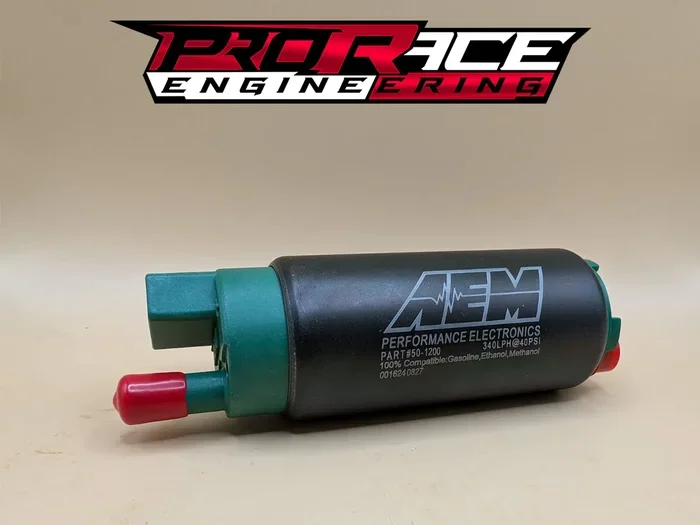
- Damaged fuel pump. The fuel pump works harder with E85, which can shorten its lifespan significantly. Replacing a fuel pump is not cheap.
- Degraded rubber seals and o-rings. These parts can swell, crack, or melt when exposed to high ethanol blends. Once they fail, fuel leaks become a real safety hazard.
- Damage to the combustion chamber. The altered combustion temperature and air-fuel mixture can cause pre-ignition and knocking, which over time can damage pistons and valves.
- Clogged fuel injector screens. Ethanol can loosen deposits in the fuel system, clogging filters and injectors. This reduces performance and fuel efficiency.
The cost of repairing this damage can add up fast. In some cases, it is cheaper to replace the car than to fix the fuel system. So please, do not take the risk if your car is not compatible.
What If I Accidentally Put E85 in My Gas Car?
Accidents happen. If you accidentally fill up with E85 and your car is not a flex fuel vehicle, do not panic. Here is what you should do:
- Do not start the engine if you have not already driven the car. This prevents the E85 from circulating through the system.
- Drain the tank completely. Have a professional tow your car to a shop if needed. Do not try to siphon it yourself.
- Refill with regular gasoline. This will dilute any remaining E85 in the system and help flush it out.
- Have a mechanic check your fuel system. Look for any signs of damage to seals, lines, or the fuel pump before you drive it regularly again.
The sooner you act, the less damage you will face. A small amount of E85 mixed with regular gasoline is usually not catastrophic, but a full tank can cause real trouble. The fuel system components in a non-compatible car are simply not built to withstand ethanol’s corrosive properties.
Benefits of Using E85 in a Flex Fuel Vehicle
If your car is a flex fuel vehicle, E85 can offer some real advantages. Let us look at the benefits that make E85 worth considering for the right driver.
Higher Octane for Better Performance
The high octane rating of E85 makes it popular among car enthusiasts. Turbocharged and high-performance engines can take advantage of this. The higher octane prevents knocking and allows for more aggressive ignition timing. Some drivers report a noticeable boost in horsepower and torque when switching to E85. This is especially true for turbocharged engines that are tuned to take advantage of the fuel’s properties.
However, you need a proper tune or tune map to see real performance gains from E85. Simply switching fuels without adjusting the engine calibration will not unlock the full potential.
Lower Fuel Cost at the Pump
E85 is often cheaper per gallon than regular gasoline. In some states, the price difference can be 30 to 40 percent less. For drivers who put a lot of miles on their car, this can add up to real savings over time. If you drive a work truck or a daily commuter, those savings can be meaningful.
However, you need to factor in the lower fuel economy. More on that in the next section. The true cost savings depend on the price difference at your local station and how much you drive.
Environmental Benefits
Because E85 is made from plant materials, it is considered more renewable than pure gasoline. Burning ethanol produces fewer net carbon emissions than burning fossil fuels. This is one reason why many people choose E85 for environmental reasons.
The fuel also burns cleaner in some respects, which can reduce certain tailpipe emissions. However, the production of ethanol has its own environmental footprint. Farming corn and other feedstocks requires water, land, and energy. So the full environmental picture is more complex than it might seem at first glance.
Downsides and Risks of Using E85
E85 is not all sunshine and savings. There are real downsides that you should know about before you make the switch. Being informed helps you make the best decision for your situation.
Lower Fuel Economy
This is the biggest drawback. E85 contains less energy per gallon than gasoline. That means your car will burn through more fuel to go the same distance. On average, you can expect a 15 to 30 percent drop in fuel efficiency when using E85 compared to regular gasoline.
So even if E85 costs less per gallon, you might end up spending more overall because you are filling up more often. The savings depend heavily on the price difference at your local station. Run the numbers before you commit to E85 as your regular fuel.
Availability and Access
E85 is not available everywhere. You will mostly find it in the Midwest and in states with strong ethanol production. If you live in a coastal area or a rural region without ethanol plants, you might not have access to E85 at all.
This limits its practicality for many drivers. You cannot simply switch to E85 if there is no pump nearby. Road trips might also become complicated if you cannot find E85 stations along your route. For some drivers, this alone makes E85 impractical as a primary fuel source.
Potential for Fuel System Corrosion
Even in flex fuel vehicles, E85 can cause wear over time. The ethanol in the fuel is hygroscopic, meaning it absorbs water. This can lead to corrosion inside the fuel tank and fuel system components. Water contamination in E85 is also a concern, especially if fuel is stored in improper conditions.
Flex fuel vehicles are designed with materials that resist this corrosion, but older models or cars with high mileage may still experience issues. Regular maintenance and inspections are key to keeping your fuel system healthy when using E85.
Cold Weather Performance
E85 can cause cold start issues in very cold climates. The fuel vaporizes less easily in low temperatures, which can make starting your car difficult in winter. Flex fuel vehicles have cold-start systems to handle this, but older models may struggle.
If you live in a cold climate, you should be aware of this limitation before committing to E85 as your primary fuel. Some drivers switch to gasoline blends during the winter months to avoid cold-start problems.
How to Tell If Your Car Is Compatible with E85
Knowing your car’s compatibility is the most important step. You do not want to guess when it comes to fuel. Taking a few minutes to verify can save you a lot of headaches and money.
Check the Owner’s Manual
This is the most reliable source. Your owner’s manual will tell you exactly what fuel types your car accepts. Look for a section on fuel requirements or fuel types.
If the manual says “E85 compatible” or “flex fuel,” you are good to go. If it says “premium unleaded” or lists a specific octane rating without mentioning E85, then E85 is not for you. Do not rely on advice from friends or online forums when the manual gives you a clear answer.
Look at the Fuel Door and Gas Cap
Many manufacturers use visual cues to help drivers identify compatible fuels. A yellow gas cap with “E85” printed on it is a strong indicator. Some cars also have a label inside the fuel door that lists approved fuel types. Take a moment to check these spots the next time you are near your fuel door.
Check the VIN
Your vehicle identification number can tell you a lot. There are free online tools where you can enter your VIN and find out if your car is a flex fuel model. This is especially helpful if you do not have the owner’s manual handy or if you bought the car used and do not know its history.
Call the Manufacturer
When in doubt, call the manufacturer’s customer service line. They can look up your car by model, year, and trim level and tell you if it is E85 compatible. This is the most foolproof method, and the representatives are usually happy to help.
Can I Use E85 in My Car? The Bottom Line
So, can you use E85 in your car? The answer comes down to one thing: compatibility. If your car is a flex fuel vehicle, E85 is a safe and viable option. You can enjoy the lower cost and higher octane without worrying about engine damage. Just be mindful of the lower fuel economy and make sure E85 is available along your regular routes.
If your car is a standard gasoline vehicle, you should stick with regular gasoline or the blend your manufacturer recommends. Putting E85 in a non-compatible car risks fuel system damage, corrosion, and costly repairs. The fuel lines, rubber seals, and fuel pump in a standard car are not built to handle ethanol’s effects over time.
The key takeaway is simple: know your car, check your manual, and make informed choices at the pump. Taking five minutes to verify compatibility can save you thousands of dollars in repairs down the road. Do not let curiosity or a lower price tempt you into using a fuel your car was never designed to handle.
E85 is not a one-size-fits-all fuel. It has real benefits for the right vehicle, but it can be destructive for the wrong one. Use the information in this guide to make the best decision for your car and your wallet. The right fuel choice keeps your engine running strong for years to come.
Frequently Asked Questions
What happens if I accidentally put E85 in my regular car?
If you accidentally put E85 in a non-flex fuel car, do not start the engine if you have not already. Have the tank drained completely and refill with regular gasoline. Then take your car to a mechanic to inspect the fuel system for any damage to seals, lines, or the fuel injector. Acting quickly minimizes the risk of engine damage.
Is E85 better for the environment than regular gasoline?
E85 is made from renewable plant materials, which reduces net carbon emissions compared to fossil fuels. However, growing corn for ethanol requires water, land, and energy, so the full environmental impact is more complex. Overall, E85 is considered a cleaner-burning fuel, but it is not entirely impact-free.
Can I mix E85 with regular gasoline?
You should not mix E85 with regular gasoline in a non-flex fuel vehicle. Even a small amount can affect the air-fuel mixture and cause performance issues. In a flex fuel vehicle, mixing is not a problem since the car’s sensors adjust automatically. But for standard cars, always use the fuel type recommended by the manufacturer.
Does E85 really save money?
E85 is often cheaper per gallon, but it also reduces fuel economy by 15 to 30 percent. Whether you actually save money depends on the price difference at your local station and how much you drive. Run the numbers based on your driving habits to see if E85 makes financial sense for you.
Can E85 damage a turbocharged engine?
Not if the engine is a flex fuel vehicle designed for E85. In fact, many turbocharged engines benefit from E85’s high octane rating, which prevents knocking and allows for more aggressive tuning. But putting E85 in a non-compatible turbocharged car can cause serious engine damage to the fuel system and combustion chamber.
How often should I inspect my fuel system if I use E85?
If you use E85 regularly in a flex fuel vehicle, inspect your fuel lines, seals, and fuel pump at least once a year or every 15,000 miles. E85’s corrosive properties can cause wear over time, even in compatible vehicles. Regular maintenance helps catch problems early before they become expensive repairs.
=== CONCLUSION ===
Can I Use E85 in My Car without ruining the engine? The answer is clear: only if your vehicle is a flex fuel vehicle built to handle the high ethanol content. Using E85 in a standard gasoline car is a recipe for engine damage, corroded fuel lines, and a wrecked fuel system. The risks are real, and the repair costs can be devastating.
On the flip side, if your car is compatible, E85 offers genuine benefits. You get a high octane rating that can boost performance, lower fuel costs at the pump, and a more renewable energy source. Just remember that fuel economy drops significantly, and E85 is not available everywhere.
The best thing you can do right now is check your owner’s manual, look at your gas cap, or verify your VIN. Taking those simple steps gives you the peace of mind to fuel your car with confidence. Whether you choose E85 or stick with regular gasoline, the most important thing is to use the fuel your car was designed for. Your engine will thank you for it.