Mobile Car Tinting Explained Everything You Should Know
Mobile car tinting brings the shop to your doorstep, saving you time and hassle. This guide covers every key detail you need, including tint types, costs, benefits, and legal rules. Whether you are a first-timer or a repeat customer, you will find practical tips and honest advice to make the best choice for your vehicle.
Have you ever sat in a parked car and felt like you were sitting in a greenhouse? The heat hits you the second you open the door. The dashboard is cracked. The upholstery is faded. It is not a pleasant experience. That is where mobile car tinting comes in.
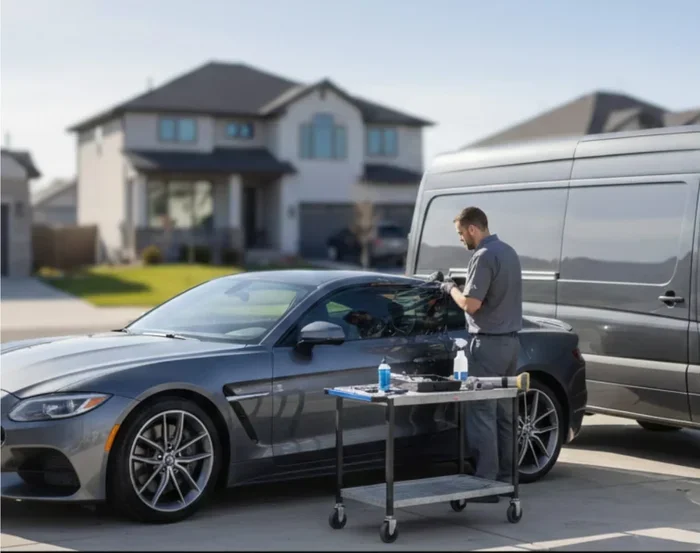
Mobile car tinting is a service where a professional technician comes to your home, office, or anywhere convenient to apply window film on your vehicle. You do not need to drive anywhere or wait around at a shop. The expert brings all the tools, the film, and the know-how right to your driveway. It is one of the simplest upgrades you can make to your car, and the results are immediate and noticeable.
So why is everyone talking about this service? The answer is simple. It saves time, it looks great, and it protects both you and your vehicle. In this guide, we will walk you through everything you need to know. From the different types of window tint film to the costs, the legal rules, and the step-by-step process. By the end, you will feel confident making the right choice for your ride.
Key Takeaways
- Convenience First: Mobile car tinting comes to you, so you skip the shop visit entirely.
- Multiple Tint Options: Ceramic, carbon, dyed, and metalized tints each offer unique benefits.
- Heat and UV Protection: Quality tinting blocks harmful rays and keeps your car cooler.
- Legal Rules Matter: Every state has specific tint percentage laws you must follow.
- Cost Varies: Prices depend on vehicle size, tint type, and location.
- Professional Installation Wins: A skilled installer avoids bubbles, peeling, and other common issues.
- Long-Term Value: Tinting protects your interior and can boost resale value.
📑 Table of Contents
- What Exactly Is Mobile Car Tinting?
- Types of Window Tint Film Available
- Benefits of Mobile Car Tinting
- How Much Does Mobile Car Tinting Cost?
- Understanding Tint Percentage and Legal Rules
- What to Expect During the Mobile Tinting Process
- Common Mistakes to Avoid When Getting Your Car Tinted
- How to Choose the Right Mobile Tinting Service
- Conclusion
What Exactly Is Mobile Car Tinting?
Let us start with the basics. Mobile car tinting means applying a thin film to your vehicle’s glass windows. This film is designed to reduce heat, block UV rays, cut glare, and add privacy. A technician performs the entire job at a location of your choice. No appointments at a busy shop. No waiting for hours. You just pick a time and place that works for you.
The process is nearly identical to what you would experience at a traditional tint shop. The only real difference is the setting. A mobile technician sets up a portable workspace. They clean your windows, apply the film carefully, and let it cure. Everything happens on-site, which makes the whole experience much more convenient.
Why People Choose Mobile Tinting Over Shop Tinting
There are several reasons why mobile tint installation has grown so popular. First, convenience is the biggest one. You do not need to rearrange your schedule or wait in a lobby. Second, mobile tinting often provides a more personalized experience. The technician focuses only on your vehicle. There are no distractions from other customers. Third, you avoid the risk of your car sitting in a busy shop lot where it could get scratched or dented.
Another big advantage is flexibility. Many mobile tinting services work evenings and weekends. This means you can get your car tinted without taking time off work. For busy people, this is a game changer. It fits into your life instead of forcing you to change your life for it.
Types of Window Tint Film Available
Not all tint films are the same. Different materials offer different levels of performance, appearance, and price. Understanding the options helps you make an informed decision. Here are the most common types used in professional car window tinting today.
Dyed Tint Film
Dyed tint film is the most budget-friendly option. It uses layers of dye to absorb heat and reduce glare. The look is classic and dark, which many people prefer for privacy. However, dyed film tends to fade over time. It may also bubble or peel after a few years of sun exposure. If you want a quick, affordable solution, dyed tint works fine. But it does not last as long as other options.
Metalized Tint Film
Metalized film contains tiny metallic particles that reflect heat away from your car. This type of heat rejection tint is very effective at keeping your interior cool. It also adds strength to your windows, making them more shatter-resistant. The downside is that metalized film can interfere with cell phone signals and GPS. If you rely heavily on electronic devices in your car, this is something to consider.
Carbon Tint Film
Carbon film is a popular middle-ground option. It does not contain metal, so it will not disrupt your electronics. Carbon tint has a matte finish that looks sleek and modern. It blocks a significant amount of heat and UV rays. Many car owners choose carbon film because it offers excellent performance without the drawbacks of metalized tint. It is also very durable and resists fading well.
Ceramic Tint Film
Ceramic tint is the premium choice. It uses nano-ceramic particles to block heat and UV rays without affecting visibility or electronics. Ceramic film offers the highest level of infrared heat rejection available. It also provides superior clarity and does not fade over time. The only downside is the price. Ceramic tint costs more than other options. But for many car owners, the performance and longevity are worth every penny.
Crystalline Tint Film
Crystalline tint is a newer option that uses a multi-layer optical film. It blocks heat extremely well while remaining very clear. You get excellent protection without darkening your windows much. This is a great choice for people who want UV protection but prefer a lighter, more natural look. Crystalline film is often used by people who want top-tier performance without a dark appearance.
Benefits of Mobile Car Tinting
Now that you know the types of film available, let us talk about why tinting your car is such a smart move. The benefits go far beyond just looks.
Heat Reduction and Comfort
One of the biggest advantages of automotive window tinting is heat reduction. A good quality film can block up to 70% or more of solar heat. That means your car stays cooler on hot days. You do not have to blast the air conditioning as soon as you get in. The interior temperature is more comfortable from the moment you start driving. Over time, this can even improve fuel efficiency because your AC does not work as hard.
UV Protection for You and Your Interior
UV rays are harmful to your skin and your car’s interior. Prolonged exposure causes faded dashboards, cracked leather, and discolored upholstery. Quality UV protection window film blocks up to 99% of harmful ultraviolet rays. This protects your skin during long drives and preserves the look and condition of your car’s interior. It is one of those upgrades that pays for itself over time by extending the life of your seats and dashboard.
Glare Reduction for Safer Driving
Glare from the sun and headlights at night can be dangerous. It strains your eyes and reduces visibility. Tint film significantly cuts down on glare, making driving more comfortable and safer. You will notice the difference especially during early morning and late afternoon drives when the sun is low. Many tint owners say they feel less fatigued on long trips after getting their windows tinted.
Added Privacy and Security
Tinted windows give you and your passengers more privacy. People outside cannot easily see into your car. This is especially useful when you park in public areas. It also adds a layer of security because valuables inside your car are less visible to potential thieves. Some tint films also hold shattered glass together in the event of an accident, reducing the risk of injury from flying glass.
Improved Resale Value
A well-tinted car looks better and feels more premium. When it comes time to sell, buyers notice the condition of the interior and the added features. Quality car window tinting can contribute to a higher resale value. It signals that the vehicle has been well maintained. Combined with a protected interior, tinted windows are a selling point that works in your favor.
How Much Does Mobile Car Tinting Cost?
Cost is always a big question when it comes to mobile tinting services. The truth is, prices vary based on several factors. Understanding what drives the cost helps you set realistic expectations.
Factors That Affect Tinting Cost
- Vehicle Size: Larger vehicles like SUVs and trucks cost more because they have more glass to cover.
- Tint Type: Ceramic and crystalline films cost more than dyed or basic metalized options.
- Number of Windows: Tinting all windows costs more than just the front two or rear windows.
- Film Brand: Premium brands like Llumar, 3M, and SunTek carry higher price tags but offer better warranties.
- Location: Prices vary by region. Urban areas may cost slightly more due to higher demand.
Average Price Ranges
For a standard sedan, you can expect to pay between $150 and $400 for a full mobile car tinting job. SUVs and larger vehicles may range from $250 to $600 or more. Premium ceramic tint will be on the higher end of those ranges. Dyed or basic film will be more affordable. Always get a quote upfront so there are no surprises. A reputable mobile technician will give you a clear price before starting the job.
Is It Worth the Investment?
Absolutely. When you consider the protection it offers your interior, the comfort it provides, and the potential boost in resale value, tinting is one of the best automotive upgrades you can make. The cost is modest compared to the long-term benefits. Most people find that the quality of life improvement alone makes it worthwhile.
Understanding Tint Percentage and Legal Rules
Not all tint is legal everywhere. Every state has specific rules about how dark your tint can be. These rules are measured by visible light transmission, or VLT for short. VLT refers to the percentage of light that can pass through the tinted window. The lower the number, the darker the tint.
What Is VLT and Why Does It Matter?
VLT is the key measurement in window tint laws. For example, a 50% VLT tint lets in half of the available light. A 35% VLT tint lets in 35%. The darker the tint, the lower the VLT percentage. Each state sets its own legal limits for front side windows, rear side windows, and rear windshield. It is your responsibility to know and follow these rules.
Common Legal Limits by Region
In most states, front side windows must have a VLT of 50% or higher. Rear side windows and rear windshields can often go much darker, sometimes down to 20% or even 5%. Some states allow darker tints on rear windows with side mirrors. Medical exemptions may also be available in certain states for people with sun sensitivity or other conditions. Always check your local laws before choosing your tint level.
Common Mistakes People Make With Tint Laws
- Assuming the front and rear windows have the same legal limit.
- Choosing a tint that is too dark and getting pulled over.
- Forgetting that tint laws can vary by vehicle type.
- Not asking the installer about the VLT of the film they use.
A good mobile tinting professional will know the laws in your area and help you choose a compliant film. Do not hesitate to ask them about the specific VLT of the film they recommend. It saves you from tickets and unnecessary hassle.
What to Expect During the Mobile Tinting Process
If you have never had mobile tint installation before, you might wonder what the experience is like. Here is a step-by-step look at how it works.
Step 1: Scheduling and Preparation
You contact a mobile tinting service and choose a date and time. The technician will ask about your vehicle and your tint preferences. They may confirm the legal limits for your area. On the day of the appointment, make sure your vehicle is clean and accessible. Park in a shaded area if possible, as direct sunlight can interfere with the application process.
Step 2: Window Cleaning and Preparation
The technician starts by thoroughly cleaning your windows. This is a critical step. Any dust or debris trapped under the film will show up as spots or bubbles. They use a special cleaning solution and a razor blade to remove every particle from the glass surface. Clean windows are the foundation of a perfect tint job.
Step 3: Measuring and Cutting the Film
Next, the technician measures each window and cuts the film to size. Precision matters here. A properly cut film wraps the window edge cleanly and leaves no gaps. Some professionals use pre-cut templates, while others measure and cut on the spot. Either way, accuracy is essential for a clean, professional finish.
Step 4: Applying the Tint Film
The film is applied using a soapy water solution. The technician sprays the glass, lays the film in place, and uses a squeegee to push out all the liquid and air bubbles. This step requires skill and patience. A good installer works slowly and carefully to ensure a smooth, bubble-free application. The edges are tucked and trimmed for a neat finish.
Step 5: Curing and Drying
After application, the tint needs time to cure. This process can take a few days to a few weeks depending on the film type and weather conditions. During this time, avoid rolling down your windows. The film needs to bond fully with the glass. Your technician will give you specific aftercare instructions. Following them ensures the best results and longest durability.
Quick Tips for a Smooth Tinting Experience
- Schedule your tinting on a dry, mild day if possible.
- Choose a time when your vehicle will not be moved for at least 24 hours.
- Ask the technician about the warranty they offer on their work.
- Be present during the job so you can ask questions and check the quality.
- Do not pick the darkest legal tint just because it looks cool. Consider comfort and visibility.
Common Mistakes to Avoid When Getting Your Car Tinted
Even with a great technician, there are pitfalls you can avoid. Knowing what not to do saves you money and frustration.
Choosing the Cheapest Option
Low price often means low quality. Cheap dyed films fade quickly and may peel within a year. Investing in a better film pays off in durability and performance. Look for a balance of quality and value rather than just the lowest price.
Ignoring Aftercare Instructions
Your tint needs proper care during the curing period. Rolling down windows too early can cause the film to shift or bubble. Using harsh cleaners on your tinted windows can damage the film. Always follow the aftercare tips provided by your installer.
Skipping the Warranty
Reputable mobile car tinting services offer warranties on both the film and the installation. A warranty covers bubbling, peeling, and fading. Skipping this protection means you take on all the risk. Always ask about the warranty before the work begins.
Not Checking Local Laws
Getting pulled over for illegal tint is avoidable. Know your state’s VLT limits before you choose your film. A professional installer will guide you, but it is always good to do your own research too.
How to Choose the Right Mobile Tinting Service
Not all mobile tinting services are created equal. Here are the qualities you should look for when choosing a provider.
- Experience: Look for a technician with years of professional tinting experience. Skill matters.
- Film Quality: Ask what brands they carry. Premium brands like Llumar, 3M, and SunTek are reliable choices.
- Reviews and Reputation: Check online reviews and ask for references. A good reputation speaks volumes.
- Warranty: A solid warranty shows confidence in their work. Do not settle for less.
- Communication: The technician should explain your options clearly and answer all your questions.
- Clean Setup: A professional mobile setup is clean, organized, and respectful of your space.
Take your time choosing a provider. The right installer makes all the difference between a flawless finish and a frustrating experience. Ask friends, check online platforms, and do not be afraid to ask for a sample of their previous work.
Conclusion
Mobile car tinting is one of the smartest upgrades you can make for your vehicle. It keeps your car cooler, protects you from harmful UV rays, reduces glare, adds privacy, and even boosts resale value. With so many film types available, there is an option for every budget and preference. Whether you choose a simple dyed film or invest in premium ceramic, the results speak for themselves.
The process is straightforward, the convenience is unbeatable, and the benefits last for years. Just remember to choose a reputable provider, understand your local laws, and follow the aftercare instructions. With the right approach, your mobile car tinting experience will be smooth and satisfying from start to finish. Take the next step, protect your car, and enjoy the ride with comfort and style.
Frequently Asked Questions
How long does mobile car tinting take?
Most jobs take between one and three hours depending on the number of windows and the type of film. A standard sedan with full tinting is usually done in under two hours. The technician will let you know the estimated time when you schedule the appointment.
How long should I wait before rolling down my windows after tinting?
You should wait at least 24 to 48 hours before rolling down your windows. Some films need up to a week to fully cure. Your installer will give you specific instructions based on the film type they used. Following this advice ensures a smooth, bubble-free finish.
Can I tint my car windows myself?
While DIY tint kits are available, professional installation is strongly recommended. A skilled technician ensures proper cleaning, precise cutting, and bubble-free application. DIY jobs often result in peeling, bubbling, and an uneven finish that looks unprofessional and lasts a fraction of the time.
Does car tinting block UV rays completely?
High-quality tint films block up to 99% of harmful UV rays. This level of protection is excellent for your skin and your car’s interior. However, no tint blocks 100% of all UV exposure. Wearing sunscreen on long drives is still a good practice, especially for your hands and arms near the windows.
Is mobile car tinting more expensive than shop tinting?
Not necessarily. Mobile tinting prices are often comparable to shop prices. The convenience factor is the main difference. Some services may charge a small travel fee, but many include it at no extra cost. Always get a detailed quote before booking to understand exactly what you will pay.
What is the best tint type for heat rejection?
Ceramic tint offers the highest level of heat rejection without affecting visibility or electronics. Carbon film is another excellent option that provides strong heat blocking at a lower price point. Both are great choices depending on your budget and performance needs. Dyed tint is the least effective for heat rejection but is the most affordable option.