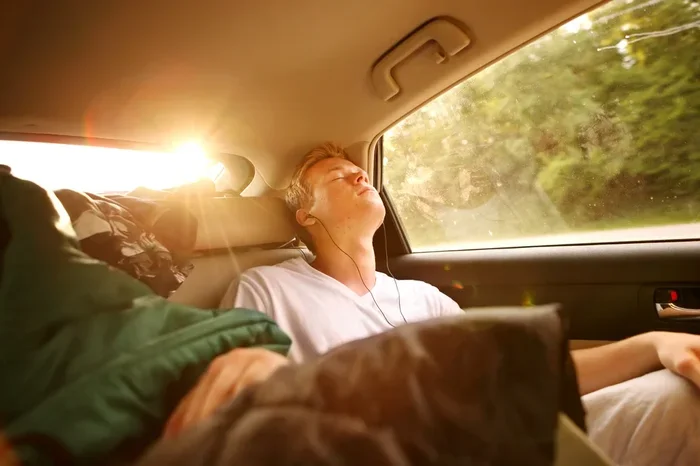
Can I Sleep in My Car With the AC Running All Night
Can I Sleep in My Car With the AC Running All Night safely? Yes, but it comes with real risks. Sleeping in car with AC running can expose you to carbon monoxide, drain your fuel, and strain your engine. This guide breaks down the dangers, gives practical safety tips, and shows you how to stay cool and secure all night long.
Is it really safe to sleep in your car with the AC running all night? The short answer is yes, but only if you take the right precautions. Many people ask Can I Sleep in My Car With the AC Running All Night because they want a cool, comfortable place to rest during road trips, shift work, or emergencies. The idea of climate control while you sleep sounds perfect. However, the risks are real and they can be deadly if you ignore them.
Sleeping in car with AC running is a common practice among truckers, travelers, and people without stable housing. It offers relief from extreme heat and cold. But the engine must be running to power the air conditioner, which means you are dealing with an idling engine, exhaust fumes, and a vehicle that is not designed for long-term indoor occupancy. This article explains every risk, every tip, and every alternative so you can make an informed decision.
Key Takeaways
- Carbon monoxide is the biggest danger: An idling engine in an enclosed space can be deadly.
- Fuel consumption adds up fast: Running the AC all night can waste a quarter of a tank or more.
- Ventilation is non-negotiable: Even a small crack in the windows helps reduce fumes and condensation.
- Check local laws first: Many rest areas and cities ban overnight car sleeping or idling.
- Use alternative cooling methods: Portable fans, reflective shades, and battery-powered units are safer options.
- Prepare your car properly: Bedding, hydration, and security measures make any overnight stay safer.
📑 Table of Contents
- Is It Safe to Sleep in Your Car With the AC Running All Night?
- How to Sleep Safely in Your Car With the AC On
- Legal and Local Restrictions on Overnight Car Sleeping
- Car AC System Basics: How It Works While Idling
- Alternatives to Sleeping With the AC Running
- Expert Tips for a Comfortable Overnight Stay
Is It Safe to Sleep in Your Car With the AC Running All Night?
The safety of sleeping in your car with the AC on depends on several factors. Ventilation, parking location, engine health, and your own awareness all play a role. Most experts agree that a short nap with the AC running is generally fine. But sleeping for 6 to 8 hours straight brings new dangers. You need to understand what can go wrong before you turn that key.
The Hidden Dangers of Idling Engines
When your car idles, the engine burns fuel without moving. This produces exhaust gases, including carbon monoxide. Carbon monoxide is a colorless, odorless gas that can cause dizziness, nausea, and death. Even a small leak in the exhaust system can send fumes into the cabin. Many drivers assume their car is sealed tight, but older models and those with body damage can let in dangerous levels of gas. The longer the engine runs, the more carbon monoxide builds up. This is the single biggest risk of sleeping in car with AC running.
Carbon Monoxide: The Silent Killer
Carbon monoxide poisoning is the leading cause of death in enclosed spaces with running engines. You cannot see it or smell it. Symptoms include headaches, confusion, and fatigue. Many people mistake these signs for just being tired. By the time you realize something is wrong, it may be too late. A carbon monoxide detector is an essential piece of gear for any car sleeper. You can buy portable detectors for under $30. Place it near your sleeping area and test it before you close your eyes.
Fuel Consumption and Engine Strain
Running the AC while idling burns fuel at a surprising rate. A typical car uses about 0.5 to 1 gallon of fuel per hour with the AC on. Over a full night, that can drain a quarter of your tank or more. Beyond fuel costs, idling puts stress on the engine. The engine oil does not circulate as well when the car is stationary. This can lead to increased wear and tear over time. In hot climates, the AC compressor works harder, which adds even more strain.
Quick Tips: Safety Checklist Before You Sleep
- Check for exhaust leaks before you start the engine.
- Install a battery-powered carbon monoxide detector.
- Crack at least two windows slightly to allow airflow.
- Park in a well-lit, legal area away from traffic.
- Set an alarm so you do not sleep past your fuel reserve.
- Keep a window slightly open even in cold weather to prevent condensation.
Common Mistakes: Leaving the Car Running Unattended
One of the most common mistakes is falling asleep without setting an alarm. You might plan for a quick nap, but deep sleep makes time slip away. Another mistake is parking in isolated or illegal spots. Rest areas have rules for a reason. Some drivers also forget to turn off the AC before starting the car, which puts extra load on the engine. Avoid these errors and your overnight stay will be much safer.
How to Sleep Safely in Your Car With the AC On
If you decide to sleep in your car with the AC running, preparation is everything. You can reduce risks dramatically by following a few simple steps. The goal is to create a safe, cool, and comfortable micro-environment inside your vehicle.
Cracking Windows for Proper Ventilation
Never seal your car completely tight. Even in cold weather, you need some airflow. Crack the front windows about two inches and the rear windows about one inch. This creates a cross-breeze that helps disperse any exhaust fumes. It also reduces condensation, which can make the interior damp and uncomfortable. You lose some cooling efficiency, but you gain safety. Use window vent guards to keep insects out while the windows remain open.
Choosing the Right Parking Spot
Parking safety is crucial for overnight car sleeping. Look for well-lit rest areas, designated car camping spots, or 24-hour retail parking lots with permission. Avoid dark alleys, highway shoulders, and spots with heavy foot traffic. A good parking spot reduces the risk of theft and gives you peace of mind. Always check local signs for overnight parking rules. Many highway rest areas limit stays to 2 or 3 hours.
Bedding and Comfort
A good night’s sleep starts with the right bedding. Use a thick sleeping pad, a comfortable sleeping bag, and a pillow. Place a reflective windshield cover over the front window to block cold air in winter and heat in summer. In summer, a sunshade on the windshield can lower the interior temperature by 10 to 15 degrees before you even start the AC. Keep a blanket nearby in case you need to turn off the AC and cool down gradually.
Expert Insight: How to Reduce Condensation
Condensation forms when warm, moist air meets a cold window. This is common when running the AC all night. Use a small dehumidifier or place a bowl of uncooked rice near the dashboard to absorb moisture. You can also run the defrost fan on low to circulate air. Wipe down the windows in the morning to prevent mold. A dry interior is a healthier interior.
Quick Tips: Stay Cool and Dry
- Use a portable dehumidifier or moisture absorber.
- Place a towel under the sleeping area to catch any drips.
- Keep a small fan running on battery power to move air around.
- Wear moisture-wicking sleepwear to stay comfortable.
- Open a sunroof or moonlight slightly if your car has one.
Legal and Local Restrictions on Overnight Car Sleeping
The laws around sleeping in your car vary widely. What is allowed in one state or city may be illegal in another. You need to know the rules before you settle in for the night. Ignorance is not a valid defense, and fines can be expensive.
Rest Area Rules and Regulations
Many highway rest areas allow overnight parking, but some strictly prohibit it. In the United States, the Department of Transportation sets broad guidelines, but individual states enforce their own rules. For example, California allows overnight parking at some rest stops for up to 8 hours, while other states ban it entirely. Always look for posted signs at the entrance. If there is no sign, ask a state trooper or rest area attendant for clarification.
City and State Laws You Must Know
Urban areas often have strict ordinances against sleeping in vehicles. Cities like Los Angeles, New York, and Seattle have specific laws that ban overnight car sleeping in certain zones. Some states also have idling laws that limit how long you can run your engine while parked. These laws aim to reduce emissions and fuel waste. Check the local municipal code before you plan a car sleep. A quick online search for “overnight car sleeping laws in [city]” usually brings up the relevant statutes.
Common Mistakes: Ignoring Local Ordinances
One of the biggest mistakes is assuming that because you are on private property, you are allowed to sleep. Some businesses welcome car sleepers, but others do not. Always ask for permission. Another mistake is ignoring idling limits. In some states, idling for more than 3 to 5 minutes is illegal, even if you are sleeping. Fines can range from $50 to $500. Know the law and respect it.
Car AC System Basics: How It Works While Idling
Understanding how your car’s air conditioning system works helps you use it safely while idling. The AC does not run on magic; it relies on the engine to power the compressor. When you idle for hours, the compressor is under constant load. This affects your fuel, your battery, and your engine temperature.
The Compressor and Battery Drain
The AC compressor is driven by the engine through a belt. When you turn on the AC, the compressor engages and adds load to the engine. At idle, the engine must work harder to maintain the same RPM. This increases fuel consumption. In older cars, the alternator may struggle to keep up with the AC demand and the battery drain can be significant. If your battery is weak, you might wake up to a car that will not start.
Cooling Without Running the Engine
Some modern cars offer a “start-stop” feature that shuts off the engine at red lights. But this feature is not designed for hours of idling. If you want to run the AC without the engine running, you need a separate power source. An auxiliary battery or an inverter connected to a deep-cycle battery can power the AC compressor for a limited time. However, this setup is complex and expensive. For most people, it is safer and simpler to just use the engine’s idle power for short periods.
Comparison: Sleeping with AC vs. Windows Cracked vs. Portable Fan
| Method | Cooling Power | Safety | Fuel Use | Comfort |
|---|---|---|---|---|
| AC Running (Engine Idling) | High | Moderate (CO risk) | High | Very High |
| Windows Cracked + Fan | Low to Medium | High | None | Medium |
| Portable 12V Fan + Reflective Shade | Low | Very High | None | Medium to High |
| Auxiliary Battery + AC | High | High (no exhaust risk) | Low (battery powered) | Very High |
The table shows that running the AC with the engine idling offers the best cooling but the lowest safety margin. A portable fan with a reflective shade is the safest and most fuel-efficient option. An auxiliary battery setup is the best of both worlds but requires upfront investment.
Alternatives to Sleeping With the AC Running
If the risks of idling feel too high, there are many alternatives that keep you cool and safe. These options use no fuel, produce no exhaust, and let you sleep with peace of mind.
Portable Fans and Reflective Shades
A 12V portable fan plugged into your cigarette lighter can move a surprising amount of air. Pair it with a reflective windshield cover and you can keep the interior temperature down by 15 to 20 degrees. These fans use very little power and run for hours on a standard car battery. Some models even have a USB port to charge your phone while you sleep.
Camping Gear for Car Sleepers
The car camping community has developed many clever solutions. A rooftop tent keeps you off the ground and above the heat. A mattress that fits perfectly in the back seat or cargo area makes sleeping much more comfortable. You can also use a battery-powered air conditioner unit designed for cars. These units run on a lithium battery and do not need the engine to be running. They are expensive but they eliminate the carbon monoxide risk entirely.
Quick Tips: Low-Power Cooling Hacks
- Wet a towel and hang it from the headrest to create a natural evaporative cooler.
- Place a bowl of ice in front of a fan for a DIY air conditioner.
- Use a solar-powered fan on the dashboard to circulate air even while parked.
- Sleep with the windows cracked on the opposite side of the wind to catch the breeze.
- Choose a parking spot in the shade whenever possible.
Expert Tips for a Comfortable Overnight Stay
Even with the best setup, sleeping in a car requires some planning. Experts in car camping and overlanding share a few habits that make every overnight stay better.
Hydration and Health Risks
Running the AC all night can dry out your throat and nasal passages. Dehydration is a real risk, especially in hot climates. Keep a water bottle by your bed and sip throughout the night. Avoid alcohol before sleeping, as it accelerates dehydration and impairs your ability to notice carbon monoxide symptoms. If you feel a headache or dizziness, get fresh air immediately and turn off the engine.
Security Measures for Car Sleepers
Your safety also includes protecting your belongings. Keep valuables out of sight or in the trunk. Use a steering wheel lock and consider a car alarm. Park in areas with foot traffic or security cameras. Let someone know where you are staying. A simple text message to a friend with your location can provide peace of mind and an extra layer of security.
Key Takeaways
Sleeping in your car with the AC running all night is possible, but it demands respect for the risks. Carbon monoxide, fuel drain, and engine strain are real dangers. Ventilation, legal compliance, and preparation are your best defenses. Always use a carbon monoxide detector, crack your windows, and choose a safe parking spot. If you want the safest option, consider a portable fan, reflective shades, or a battery-powered AC unit. With the right approach, you can enjoy a cool, comfortable, and secure overnight stay wherever the road takes you.
The bottom line is that Can I Sleep in My Car With the AC Running All Night is a question with a conditional yes. You can do it safely if you follow the rules and use common sense. Take the time to prepare your vehicle, understand your local laws, and listen to your body. A good night’s sleep should never come at the cost of your health or safety.
Frequently Asked Questions
Is it legal to sleep in your car with the AC running?
Legality depends on your location. Many rest areas allow overnight parking for a few hours, but some ban it completely. Always check local signs and ordinances. Idling laws may also limit how long you can run your engine while parked.
Can sleeping in a car with the AC running cause carbon monoxide poisoning?
Yes, it can. An idling engine produces carbon monoxide, which can leak into the cabin through exhaust system leaks or poorly sealed windows. Install a battery-powered carbon monoxide detector and crack your windows to reduce the risk.
How much fuel does a car use with the AC running while idling?
A typical car uses about 0.5 to 1 gallon of fuel per hour with the AC on at idle. Over a full 8-hour night, that could use 4 to 8 gallons, depending on the vehicle size and AC load.
What are the safest alternatives to sleeping with the AC running?
The safest alternatives include using a 12V portable fan, a reflective windshield cover, and parking in the shade. You can also use a battery-powered car AC unit or a rooftop tent for better airflow and temperature control.
How can I prevent condensation inside my car while sleeping with the AC on?
Crack your windows slightly to allow moist air to escape. Use a small dehumidifier or a bowl of rice to absorb moisture. Wipe down windows in the morning and keep a towel under your sleeping area to catch any drips.
Should I turn off the AC before I fall asleep?
It is not necessary to turn it off if you have proper ventilation and a CO detector. However, if you plan to sleep for more than 6 hours, consider setting a timer or using a low-power fan instead. This reduces fuel consumption and engine strain while you sleep.