Is My Car Overheating Warning Signs and How to Fix It Fast
Car overheating is a serious problem that can destroy your engine if you ignore it. This guide shows you the key warning signs to watch for, the most common causes, and step-by-step fixes you can do yourself. Learn how to keep your engine cool and avoid costly repairs with our expert tips and practical advice.
Have you ever been driving down the road and suddenly seen steam curling up from under your hood? That sight can make anyone’s heart race. The truth is, car overheating is one of the most common problems drivers face, especially in hot weather or during long trips.
When your engine runs too hot, it can lead to serious damage. We’re talking warped cylinder heads, blown head gaskets, and even a totaled engine. The good news? You can catch the problem early and fix it before it turns into a huge expense. This guide walks you through every warning sign of an overheating car, explains what causes the problem, and gives you clear, simple steps to get back on the road safely.
Key Takeaways
- Know the signs: Steam from the hood, a rising temperature gauge, and a sweet smell all point to car overheating.
- Act fast: Pull over safely at the first sign of overheating to prevent permanent engine damage.
- Check coolant levels: Low coolant is the #1 cause of an overheating engine and easy to fix.
- Don’t ignore small leaks: A tiny radiator hose leak can lead to a major breakdown on the road.
- Prevention saves money: Regular coolant flushes and system checks keep your car from overheating.
- Know when to call a pro: Some overheating issues need a mechanic, and that’s okay.
📑 Table of Contents
- How to Tell If Your Car Is Overheating
- Why Does a Car Overheat? The Main Causes
- What to Do When Your Car Starts Overheating
- How to Fix Car Overheating: Step-by-Step Solutions
- How to Prevent Your Car From Overheating
- Common Mistakes Drivers Make With an Overheating Engine
- When to Call a Professional Mechanic
- Key Takeaways
- Conclusion
How to Tell If Your Car Is Overheating
Your car gives you plenty of clues when something is wrong with the cooling system. The trick is knowing what to look for. Many drivers ignore the early signs until the problem becomes severe. Here are the most common overheating car symptoms you should never overlook.
The Temperature Gauge Spike
Your dashboard has a temperature gauge for a reason. It tells you how hot your engine is running at all times. When the needle starts climbing past the normal range and moves into the red zone, that is a clear signal. Most cars run between 195°F and 220°F. Anything above that means your engine cooling system is struggling.
Sometimes the gauge shoots up fast, and other times it climbs slowly. A slow climb might mean a small leak or a weak radiator fan. A sudden spike could mean a major failure like a broken water pump. Either way, you should pull over and turn off the engine right away.
Steam or Smoke Coming From the Hood
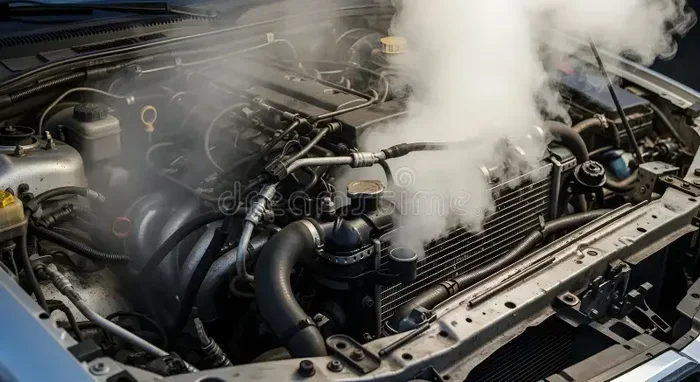
This is the most obvious sign of car overheating. When coolant leaks onto hot engine parts, it turns into steam. You might see white vapor rising from under the hood or even dripping onto the road behind you. Many people panic at this point, but staying calm is important.
Do not open the hood right away. The steam can burn you badly. Instead, pull over to a safe spot, turn off the engine, and wait at least 15 minutes for things to cool down. Once the steam clears, you can carefully check the coolant reservoir and look for visible leaks.
Unusual Smells From the Engine Bay
Your nose can be a great diagnostic tool. A sweet, syrupy smell often means coolant is leaking and hitting hot engine parts. This is a classic sign of overheating engine causes related to the cooling system. On the other hand, a burnt or oil-like smell could mean the engine is overheating due to low oil levels or friction from metal parts grinding together.
Either smell is a red flag. You should investigate the source as soon as it is safe to do so. Ignoring strange smells under the hood is one of the biggest mistakes drivers make.
Coolant Leaks Under the Car
Check the ground under your parked car. If you see puddles of green, orange, or pink fluid, that is coolant leaking. A coolant leak is one of the top reasons engines overheat. Even a small drip can lower your coolant level enough to cause problems on a long drive.
Common places for leaks include the radiator hose, the water pump, the radiator itself, and the heater core. A quick visual inspection can often tell you where the problem is starting. Just make sure the car is cool before you look.
Strange Noises From the Engine
An overheating engine can make knocking, ticking, or gurgling sounds. These noises happen because the coolant is boiling or because metal parts are expanding and rubbing against each other. A gurgling sound often means air bubbles are trapped in the cooling system, which prevents proper coolant flow.
If you hear any unusual engine noises along with a rising temperature gauge, do not keep driving. Turn off the engine and call for help if needed.
Why Does a Car Overheat? The Main Causes
Understanding the root cause of car overheating helps you fix the problem and prevent it from happening again. Several components work together to keep your engine at the right temperature. When one fails, the whole system suffers. Let us look at the most common culprits.
Low Coolant Level
This is the number one cause of an overheating engine. Coolant, also called antifreeze, absorbs heat from the engine and carries it to the radiator where it cools down. If you do not have enough coolant, the system cannot do its job.
Coolant levels drop over time through normal use, but they can also drop fast if there is a leak. You should check your coolant reservoir at least once a month, especially before long trips. It is a simple five-minute task that can save you hundreds of dollars in repair bills.
Broken Radiator Fan
The radiator fan pulls air through the radiator to cool the coolant when your car is moving slowly or sitting idle. If this fan stops working, your engine can overheat fast, especially in traffic or on hot days. The fan can fail due to a bad motor, a blown fuse, or a faulty relay switch.
You can test the fan by turning on your car’s air conditioning. The fan should kick on within a few minutes. If you do not hear it or feel air coming from the radiator area, the fan motor might need replacing.
Faulty Thermostat
The thermostat controls the flow of coolant through the engine. It opens and closes based on the engine temperature. When the thermostat gets stuck closed, coolant cannot reach the radiator, and the engine heats up quickly. A stuck-open thermostat can also cause problems by letting too much coolant flow when it is not needed.
Thermostat replacement is usually inexpensive and straightforward. If you notice your temperature gauge fluctuating between hot and cold, a bad thermostat is a likely suspect.
Water Pump Failure
The water pump is the heart of your cooling system. It pushes coolant through the engine block, hoses, and radiator. When the water pump fails, coolant stops circulating, and the engine overheats within minutes. Water pump failure often happens due to worn bearings, a broken impeller, or age.
Signs of a failing water pump include coolant leaks near the front of the engine, a whining noise that gets louder as you accelerate, and steam coming from the radiator area. This is a repair you should not delay.
Clogged Radiator
Over time, rust, sediment, and debris can build up inside the radiator and block coolant flow. A clogged radiator cannot release heat properly, which leads to engine overheating. This is especially common in older cars or vehicles that have not had regular coolant flushes.
A professional mechanic can flush the radiator to remove buildup. In severe cases, the radiator may need to be replaced entirely. Regular maintenance is the best way to avoid this problem.
Blown Head Gasket
A head gasket sits between the engine block and the cylinder head. It keeps coolant and oil in their proper channels. When a head gasket blows, coolant can leak into the combustion chambers or oil passages. This causes the engine to overheat and can lead to serious internal damage.
Signs of a blown head gasket include white smoke from the exhaust, a milky residue under the oil cap, bubbles in the coolant reservoir, and persistent overheating. This is a serious repair that requires a mechanic. Driving with a blown head gasket can destroy your engine completely.
What to Do When Your Car Starts Overheating
Finding yourself with an overheating car on the road can be stressful. But knowing the right steps to take can protect your engine and keep you safe. Here is exactly what you should do in order.
- Turn off the air conditioning. The A/C puts extra strain on the engine. Turning it off helps reduce the heat load immediately.
- Turn on the heater to full blast. This sounds counterintuitive, but the heater core acts as a secondary radiator. It pulls heat away from the engine and into the cabin. It is not comfortable, but it can buy you time.
- Pull over to a safe location. Do not keep driving. Find a parking lot, side street, or rest area as soon as possible.
- Turn off the engine. Let the engine idle for a minute before shutting it off completely. This helps the water pump circulate the remaining coolant.
- Wait at least 15 minutes. The engine and coolant are extremely hot. Opening the hood too soon can cause burns from steam or hot coolant.
- Check the coolant reservoir. Once things have cooled, open the hood carefully and check the coolant level. If it is low, you can add a mixture of coolant and water to the reservoir.
- Call for help if needed. If the coolant is not low or the problem keeps happening, call a tow truck or roadside assistance. Driving a severely overheating car can cause thousands of dollars in engine damage.
How to Fix Car Overheating: Step-by-Step Solutions
Once you have pulled over and let the engine cool, you can start diagnosing the problem. Some fixes are simple enough to do at home, while others need a professional mechanic. Here are the most effective car overheating fixes broken down by cause.
Quick Fix: Top Off the Coolant
If the coolant level is low, topping it off is the fastest solution. Buy the correct type of coolant for your vehicle, which you can find in your owner’s manual. Mix it with distilled water in a 50/50 ratio and pour it into the reservoir until it reaches the fill line.
After adding coolant, start the engine and let it run for a few minutes. Watch the temperature gauge to see if it drops back to normal. Keep an eye on the level over the next few days. If it drops again, you likely have a leak that needs to be addressed.
Replace a Leaking Radiator Hose
Radiator hoses are rubber and wear out over time. A cracked or soft hose will leak coolant and cause the engine to overheat. Replacing a hose is one of the easiest overheating car repairs you can do yourself.
You will need a new hose that matches your vehicle, a screwdriver or wrench, and some fresh coolant. Clamp off the hose, remove the old one, install the new one, and refill the coolant system. Make sure all clamps are tight and there are no leaks before you drive.
Clean or Replace the Radiator
If your radiator is clogged, a professional flush can often clear the blockage. The mechanic will use a special cleaning solution to dissolve rust and sediment inside the radiator. If the damage is too severe, a full radiator replacement is the best option.
Radiator replacement costs vary depending on the vehicle, but it is much cheaper than replacing a damaged engine. A new radiator typically costs between $300 and $900 for parts and labor combined.
Fix or Replace the Thermostat
A stuck thermostat is a simple and affordable fix. The thermostat sits near the engine and is easy to access on most vehicles. You will need a replacement thermostat, which costs between $10 and $30 for the part alone.
Drain some coolant, remove the old thermostat, install the new one, and refill the system. This is a great beginner DIY project that takes about 30 minutes. Just make sure you install the thermostat the right way, with the spring facing the engine.
Water Pump Replacement
A failed water pump needs to be replaced by a mechanic in most cases. The pump is driven by the serpentine belt and is located at the front of the engine. Labor costs can range from $300 to $750 depending on the vehicle model.
If you notice a coolant leak near the front of the engine or hear a whining noise, get the water pump checked right away. Driving with a bad water pump will lead to complete engine failure.
How to Prevent Your Car From Overheating
Prevention is always better than repair when it comes to car overheating. A few simple habits can keep your cooling system working well for years. Here are the best ways to prevent overheating before it starts.
- Check coolant levels monthly. A five-minute check can catch a small leak before it becomes a big problem.
- Flush the coolant system every 30,000 miles. Old coolant loses its effectiveness and can cause buildup inside the radiator and engine passages.
- Inspect hoses and belts regularly. Look for cracks, soft spots, or swelling in the radiator hoses and replace them before they fail.
- Watch the temperature gauge while driving. Do not ignore a slow climb in temperature. Catching it early gives you time to pull over safely.
- Keep the radiator clean. Bugs, dirt, and debris can block airflow through the radiator. Rinse it gently with a hose during car washes.
- Never ignore warning signs. Steam, smells, and unusual noises are your car’s way of telling you something is wrong. Address them immediately.
- Use the right coolant. Different vehicles require different types of coolant. Check your owner’s manual and use the manufacturer’s recommendation.
Quick Tips for Hot Weather Driving
Summer heat puts extra stress on your cooling system. Here are some quick tips to keep your engine cool during hot weather.
- Carry extra coolant in your trunk for emergencies.
- Keep the heater on low to help draw heat away from the engine.
- Avoid idling for long periods in traffic on hot days.
- Park in the shade whenever possible.
- Consider a radiator shade or sunshade for your windshield.
Common Mistakes Drivers Make With an Overheating Engine
Even well-meaning drivers can make mistakes when dealing with car overheating. Knowing what not to do is just as important as knowing what to do.
Opening the Radiator Cap Too Soon
This is the most dangerous mistake. When the engine is hot, the cooling system is under high pressure. Opening the radiator cap too early can cause boiling coolant to spray out and cause severe burns. Always wait at least 15 to 20 minutes after turning off the engine before you touch anything under the hood.
Adding Cold Water to a Hot Engine
Pouring cold water into a boiling hot engine can cause the engine block to crack due to sudden temperature changes. If you must add water in an emergency, add small amounts of warm or room-temperature water slowly.
Ignoring the Problem and Keep Driving
Some drivers try to push through an overheating problem to reach their destination. This is a terrible idea. Continued driving with an overheating engine can warp the cylinder head, blow the head gasket, or seize the engine entirely. These repairs cost thousands of dollars and can total the vehicle.
Using the Wrong Coolant
Not all coolants are the same. Mixing different types or using plain water instead of coolant can cause corrosion and reduce the cooling system’s effectiveness. Always use the type of coolant recommended by your vehicle’s manufacturer.
When to Call a Professional Mechanic
Some overheating problems are simple enough to handle at home, but others require professional help. You should call a mechanic if you notice any of the following:
- The engine keeps overheating even after you refill the coolant.
- You see white smoke coming from the exhaust that will not go away.
- There is a significant coolant leak that you cannot find or fix.
- The temperature gauge fluctuates wildly between hot and cold.
- You hear knocking or pinging sounds from the engine.
- The check engine light is on along with the temperature warning.
A mechanic can run a full diagnostic on your cooling system, including pressure testing the radiator, checking the water pump, and inspecting the head gasket. Investing in a proper diagnosis now can save you from a much bigger repair bill later.
Key Takeaways
- Watch for warning signs: Steam, a rising temperature gauge, sweet smells, and unusual noises all signal car overheating.
- Act immediately: Pull over safely and turn off the engine at the first sign of overheating to prevent engine damage.
- Low coolant is the #1 cause: Regularly check and top off your coolant to keep the system running smoothly.
- Know your fixes: From topping off coolant to replacing a thermostat, many overheating problems are easy and affordable to solve.
- Prevention is key: Monthly checks, regular coolant flushes, and keeping the radiator clean go a long way in preventing overheating.
- Do not ignore small problems: A tiny coolant leak today can lead to a blown engine tomorrow.
Conclusion
Car overheating is a problem you should never ignore. The warning signs are there if you know what to look for. A rising temperature gauge, steam from the hood, or a sweet smell under the hood are all signals that your engine needs attention right away. By understanding the causes and knowing the right steps to take, you can protect your engine and avoid expensive repairs.
The best approach is prevention. Regular maintenance, coolant checks, and prompt attention to any warning signs keep your cooling system working at its best. Whether you handle the fix yourself or visit a mechanic, the most important thing is to act quickly. Your engine is the heart of your vehicle, and keeping it cool is one of the best things you can do for your car’s long-term health.
Now that you know the warning signs and solutions, you are better prepared to handle car overheating if it ever happens to you. Stay safe on the road, keep an eye on that temperature gauge, and never hesitate to pull over when something does not feel right.
Frequently Asked Questions
Can I keep driving if my car is overheating?
No, you should never keep driving when your car is overheating. Continued driving can cause serious engine damage including warped cylinder heads and blown head gaskets. Pull over safely, turn off the engine, and let it cool down before investigating the problem.
How long can you drive an overheating car before engine damage?
Even a few minutes of driving with an overheating engine can cause damage. The exact time depends on how hot the engine gets and how long it runs at high temperatures. To be safe, stop driving immediately and address the issue right away.
What is the most common cause of car overheating?
The most common cause is low coolant level, usually due to a leak in the cooling system. Other frequent causes include a broken radiator fan, a stuck thermostat, a failing water pump, or a clogged radiator. Regular maintenance helps prevent most of these issues.
How much does it cost to fix an overheating car?
The cost varies widely depending on the cause. Topping off coolant is free, while replacing a radiator hose costs around $50 to $150. More serious repairs like a water pump or head gasket replacement can range from $300 to $1,500 or more. Getting a proper diagnosis first is the best way to know the exact cost.
Can low oil cause a car to overheat?
Yes, low oil can contribute to overheating. Oil lubricates engine parts and helps absorb heat. When oil levels are too low, friction increases and generates more heat, which can cause the engine to overheat even if the cooling system is working properly.
How often should I flush my coolant system?
Most manufacturers recommend flushing the coolant system every 30,000 miles or every 2 to 3 years. Check your owner’s manual for the specific recommendation for your vehicle. Regular flushes prevent buildup and keep the cooling system working efficiently.