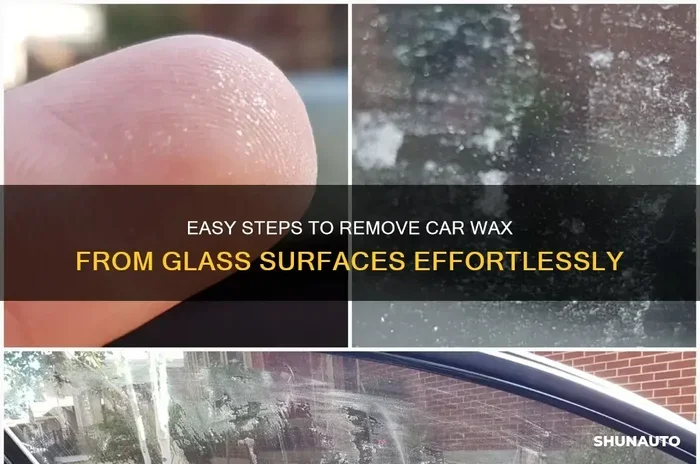
How to Remove Wax Off Car Glass With These Simple Steps
Removing wax from car glass is easier than you think. Whether you are dealing with light wax residue or stubborn buildup, this guide walks you through proven methods that work every time. You will learn the right tools, the best techniques, and how to keep your glass spotless for good. Follow these simple steps and restore your car’s clarity in minutes.
Nothing ruins a fresh car detail faster than hazy, waxy film on your windshield. You just spent hours waxing your car to a mirror shine, and now you look up to see greasy streaks on every pane of glass. It happens to the best of us. How to remove wax off car glass is a question almost every car owner faces at some point.
The good news? You do not need expensive professional help or fancy equipment. With the right approach and a few household supplies, you can get your glass looking crystal clear in under thirty minutes. This guide breaks down every step in plain, simple language so anyone can follow along. Whether the wax is fresh or baked on from last weekend’s detailing session, we have you covered.
We will walk you through exactly what causes wax to end up on your car glass, which tools work best, and the step-by-step process to remove it completely. By the end of this article, you will know how to keep your windows streak-free and your car looking showroom-ready. Let us get started.
Key Takeaways
- Use the right tools: microfiber cloths, clay bars, and automotive glass cleaner make the job much easier.
- Work in sections: tackling small areas at a time prevents wax from drying and hardening on the glass.
- Avoid harsh chemicals: stick to products designed for car detailing to protect your glass and paint.
- Prevention is key: applying wax carefully and using a barrier on glass edges reduces future buildup.
- Stubborn wax needs extra effort: a clay bar or wax removal spray handles tough residue that simple wiping cannot.
- Regular maintenance keeps glass clear: a quick wipe-down after waxing your car saves you from heavy buildup later.
📑 Table of Contents
- Why Does Wax End Up on Car Glass?
- Tools and Supplies You Will Need
- Step-by-Step Guide to Remove Wax Off Car Glass
- Dealing with Stubborn Wax Stains
- Preventing Wax Buildup on Car Glass
- Quick Tips for Streak-Free Glass
- Common Mistakes to Avoid
- Expert Insights on Car Glass Care
- Comparison of Wax Removal Methods
- How Often Should You Clean Wax Off Car Glass?
- Conclusion
Why Does Wax End Up on Car Glass?
Understanding why wax lands on your glass helps you prevent it in the future. When you apply a car wax or paint sealant to your vehicle, some of it inevitably migrates onto the windows. This is especially common around the edges where the glass meets the paint surface.
The Edge Effect
Car glass sits right next to the body panels. When you spread wax across the paint, some of it naturally pushes toward the glass edges. Over time, this wax buildup accumulates and creates a hazy film. Rain repellent products and dashboard treatments can also leave residue that migrates onto glass through the vents.
Heat and Drying
When car wax dries in the sun, it hardens and becomes much harder to remove. Hot weather causes the wax to bond more tightly to the glass surface. This is why wax residue on windshield problems often get worse if you leave them for days. The longer the wax sits, the more effort it takes to clean it off.
Transfer from Clothing and Tools
Another common culprit is simply touching the glass with wax-covered hands or using dirty microfiber cloths. If your applicator pad touches the window while you are waxing the paint, it leaves a thin wax layer behind. This wax streaks on glass can be frustrating but are entirely preventable with a little care.
Tools and Supplies You Will Need
Before you start, gather everything you need. Having the right supplies on hand makes the entire process faster and more effective. You do not need a lot of fancy products, but a few key items make a big difference.
- Automotive glass cleaner – a dedicated spray made for car windows
- Microfiber cloths – at least two clean, lint-free cloths
- Detailing clay bar – for removing bonded wax residue
- Clay lubricant – often sold with the clay bar kit
- Isopropyl alcohol – for dissolving stubborn wax deposits
- Plastic razor blade – safe for scraping hard wax without scratching
- Wax removal spray – a specialty product designed for this purpose
- Warm water and a bucket – for rinsing and general cleaning
Pro tip: always use clean microfiber cloths. Dirty or reused cloths can grind old wax back into the glass, making the problem worse. A fresh cloth for each step gives you the best results.
Step-by-Step Guide to Remove Wax Off Car Glass
Now for the part you have been waiting for. Follow these steps in order for the cleanest, clearest results. Each step builds on the last, so do not skip ahead.
Step 1: Wash the Glass First
Start by giving the glass a thorough wash. Use warm water and a mild car wash soap to remove loose dirt and debris. Dirt particles can scratch the glass when you start rubbing with cloths or clay bars. Rinse well and dry with a clean microfiber towel.
This initial wash also softens any fresh wax on the surface. It makes the next steps much easier. Never jump straight to wax removal without cleaning the surface first.
Step 2: Spray Glass Cleaner and Wipe
Spray a quality automotive glass cleaner onto the window. Let it sit for about ten to fifteen seconds to break down surface wax. Then wipe with a clean microfiber cloth using straight, overlapping strokes.
Do not scrub in circles. Circular motions can push wax around rather than lifting it off. Work one section at a time, folding your cloth frequently to expose a clean surface. You will likely see a grayish residue on the cloth. That is the wax coming off.
Step 3: Use a Clay Bar for Stubborn Residue
If wiping alone does not remove all the wax, it is time to bring out the clay bar. Spray the clay lubricant onto a small section of glass. Gently glide the clay bar back and forth across the surface. The clay picks up embedded wax particles that cloths alone cannot reach.
Knead the clay into a flat disc shape before you start. Work in small sections about twelve inches wide. You will feel the surface become smooth as the clay removes the wax. Flip the clay frequently and use a fresh lubricant spray as needed.
Step 4: Tackle Stubborn Spots with Alcohol
For wax buildup that just will not budge, dampen a cloth with isopropyl alcohol. Gently rub the affected area in straight lines. The alcohol dissolves the wax without damaging the glass or any rain repellent coatings you may have applied.
Be careful around rubber seals and tinted areas. Alcohol can dry out rubber gaskets over time, so keep contact minimal. Use a cotton swab dipped in alcohol for tight spots around the edges of the glass.
Step 5: Final Polish and Inspection
Once all the wax is gone, give the glass one final wipe with a fresh microfiber cloth dampened with glass cleaner. Look at the glass from different angles to check for any remaining streaks or haze. A clean glass should look perfectly clear with no rainbow effects or smears.
If you still see residue, repeat the clay bar step on that specific area. Sometimes a second pass is all it takes. Finish by buffing the glass dry with a clean, dry microfiber towel.
Dealing with Stubborn Wax Stains
Sometimes regular cleaning just does not cut it. Old, hardened wax that has been sitting on the glass for weeks or months requires a more aggressive approach. Do not worry. These methods handle even the toughest wax residue on windshield problems.
The Plastic Razor Blade Method
Hold a plastic razor blade at a flat angle against the glass. Gently scrape the wax off in smooth, even strokes. The plastic blade will not scratch the glass, but metal blades absolutely will. Work slowly and apply very little pressure. Let the blade do the work.
After scraping, wipe the area with glass cleaner and a microfiber cloth. You will remove large chunks of hardened wax that would take forever to dissolve otherwise. This method works especially well on side windows and rear windshields where wax tends to pool.
Wax Removal Sprays
Specialty wax removal sprays are formulated to dissolve automotive wax quickly. Spray it on, wait the recommended time listed on the product label, and wipe away with a microfiber cloth. These products are a game changer for heavy wax buildup that regular cleaners struggle with.
Look for sprays that are safe for all glass surfaces, including tinted windows. Some products also work on paint protection layers, so always test a small hidden area first. These sprays are a great addition to any car detailing toolkit.
When to Seek Professional Help
Most wax removal jobs are perfectly manageable at home. However, if you have clear coat damage or deep scratches from improper cleaning, a professional detailer can help. They have access to industrial-grade products and techniques that are not available to consumers.
Also, if your glass has adhesive remover residue mixed in with the wax, a professional can handle both issues safely. Do not try to scrape off adhesive with a razor blade unless you are experienced. The risk of scratching is too high.
Preventing Wax Buildup on Car Glass
The best way to deal with wax on car glass is to prevent it from happening in the first place. A few simple habits during your car detailing routine can save you a lot of trouble down the road.
Use a Barrier on Glass Edges
Before you start waxing, apply a strip of painter’s tape along the edges of each window. This creates a physical barrier that catches excess wax before it reaches the glass. Remove the tape immediately after you finish waxing the nearby panel.
This simple trick works wonders. It is one of the best detailing tips shared by professional detailers. You will notice a dramatic reduction in wax transfer to your glass after every wash and wax session.
Apply Wax Carefully Around Windows
When waxing near the glass, use a lighter hand. Apply less product and spread it thinly in the border area between the paint and the glass. Avoid letting the wax overlap onto the glass surface itself.
Use a separate, smaller applicator pad for the areas closest to the windows. This keeps wax from being over-applied in those zones. Less wax near the glass means less cleanup later.
Clean Glass After Every Wax Job
Make it a habit to wipe down all glass surfaces immediately after you finish waxing the car. A quick pass with glass cleaner and a microfiber cloth removes any wax that migrated onto the glass while it is still soft and easy to remove.
This five-minute habit saves you from hours of heavy cleanup later. Think of it as the final step of your waxing process, not an optional extra. Your future self will thank you every time you get behind the wheel.
Quick Tips for Streak-Free Glass
Here are some bonus tips that make a huge difference in your results:
- Work in the shade. Direct sunlight causes glass cleaner and wax to dry too quickly, leaving streaks behind.
- Use white cloths only. Colored microfiber towels can transfer dye onto wet glass surfaces.
- Replace your cloths often. A dirty cloth just redeposits wax onto the glass you are trying to clean.
- Clean both sides of the glass. Wax can transfer to the inside surface too, especially from dashboard treatments and air vents.
- Keep your clay bar lubricated. Running a clay bar dry creates friction that can leave fine swirl marks on the glass.
Common Mistakes to Avoid
Even experienced car owners make mistakes when removing wax from glass. Here are the most common errors and how to avoid them:
- Using household glass cleaner on stubborn wax. Standard window cleaners lack the strength to break down automotive wax. Always use a dedicated automotive glass cleaner for best results.
- Scrubbing in circles. Circular motions spread wax around instead of lifting it off. Always wipe in straight, overlapping lines.
- Using paper towels. Paper towels scratch glass and leave lint behind. Stick with quality microfiber cloths designed for automotive use.
- Ignoring the inside of the glass. Wax transfer happens on both sides. The inside surface picks up residue from dashboard products and air circulation.
- Using a metal razor blade. Metal blades can permanently scratch glass. Always use a plastic razor blade if scraping is needed.
- Skipping the clay bar step. For heavy buildup, wiping alone will not remove embedded wax particles. The clay bar is essential for a truly clean surface.
Expert Insights on Car Glass Care
Professional detailers have shared their top insights on keeping car glass in perfect condition. Here is what the experts want you to know:
First, invest in a quality glass cleaner. Not all glass cleaners are created equal. The best automotive glass cleaners contain surfactants that lift wax and oils without leaving a film. Look for ammonia-free formulas that are safe for tinted windows and paint protection layers.
Second, understand your glass type. Modern cars often have tempered or laminated glass with special coatings. Rain repellent treatments, UV coatings, and clear coat protections on the glass require gentle cleaning methods. Harsh abrasives can strip these coatings and reduce their effectiveness over time.
Third, make glass cleaning part of your regular routine. Do not wait until you see a haze forming. A quick wipe-down every time you wash the car keeps glass in pristine condition. Consistent maintenance is far easier than dealing with heavy wax buildup after the fact.
Finally, pay attention to your products. Some wax removal products and paint sealants are designed to minimize glass transfer. If you constantly struggle with wax on your windows, consider switching to a ceramic coating or a sealant that is specifically formulated to stay on paint and not migrate to glass surfaces.
Comparison of Wax Removal Methods
Not all methods work equally well for every situation. Here is how the main approaches compare:
| Method | Best For | Difficulty | Time Required |
|---|---|---|---|
| Glass Cleaner and Microfiber Cloth | Light wax residue and fresh wax spills | Easy | 5-10 minutes |
| Clay Bar with Lubricant | Moderate wax buildup and embedded residue | Medium | 15-20 minutes |
| Isopropyl Alcohol | Stubborn spots and edge wax accumulation | Medium | 10-15 minutes |
| Plastic Razor Blade Scraping | Old, hardened wax deposits | Advanced | 15-25 minutes |
| Wax Removal Spray | Heavy buildup and professional-level results | Easy | 10-15 minutes |
For most car owners, a combination of methods works best. Start with the glass cleaner and microfiber cloth. If residue remains, move to the clay bar. Reserve alcohol and scraping for the toughest spots only.
How Often Should You Clean Wax Off Car Glass?
The frequency depends on how often you wax your car and what products you use. If you wax your car every month, a quick glass wipe-down after each session should be enough. If you wax less frequently, inspect your glass every two weeks for any early signs of wax residue on windshield or window haze.
Drivers in hot climates may notice wax buildup faster because heat accelerates the bonding process. If you live in a sunny area, consider cleaning your glass more frequently. The same applies if you park outdoors rather than in a garage.
Regular inspection is the best strategy. When you wash your car, take a moment to check the glass from different angles. Catching wax buildup early makes removal much simpler. By the time you notice a haze, the wax has already bonded to the surface and requires more effort to remove.
Conclusion
How to remove wax off car glass does not have to be a frustrating experience. With the right tools, the right technique, and a little patience, you can restore your glass to perfect clarity every single time. The key is to work methodically, use the appropriate method for the level of buildup, and never skip the prevention steps.
Start with a simple glass cleaner and microfiber cloth for light residue. Bring out the clay bar and alcohol for tougher spots. And always take preventive measures during your next waxing session to keep glass clean from the start. These habits will save you time and effort every time you detail your car.
Now that you know exactly how to handle wax on your car glass, you can enjoy a streak-free view every time you drive. Keep your microfiber cloths handy, stock up on quality glass cleaner, and make glass care a regular part of your car detailing routine. Your windows will thank you with crystal-clear visibility on every drive.
Frequently Asked Questions
Can I use household glass cleaner to remove car wax from glass?
Standard household glass cleaners work for light wax residue but struggle with heavy wax buildup. Automotive glass cleaners are specifically formulated to break down car wax and paint sealant residues. For the best results, use a dedicated automotive product.
Will isopropyl alcohol damage my car glass?
No, isopropyl alcohol is safe for car glass when used properly. It effectively dissolves wax without harming the glass surface. However, avoid prolonged contact with rubber seals and tinted edges, as the alcohol can dry out rubber over time.
How do I prevent wax from getting on my car glass in the first place?
Use painter’s tape as a barrier along window edges before waxing. Apply wax carefully around the glass borders using a light hand. And always do a final glass wipe-down immediately after your waxing session to remove any wax that migrated onto the glass.
Can a clay bar scratch car glass?
A clay bar will not scratch glass when used correctly with proper lubricant. Always keep the surface wet with clay lubricant or glass cleaner. Never drag a dry clay bar across glass. If you use enough lubricant and keep the motion gentle, the clay glides safely over the surface.
What is the best microfiber cloth for cleaning wax off car glass?
Look for thick, plush microfiber cloths labeled for glass cleaning. Waffle-weave microfiber towels are especially effective because they absorb wax and liquid quickly without leaving lint. Always use a clean cloth and flip it frequently to avoid redepositing wax onto the glass.
Is it safe to use a razor blade on car glass?
Only use a plastic razor blade on car glass. Metal blades will scratch the surface permanently. Hold the plastic blade flat against the glass and apply minimal pressure. Let the blade edge do the work. This method is safe and effective for removing old, hardened wax deposits.