How to Make a Car Last 500 Miles Without Breaking the Bank
Knowing how to make a car last 500 miles without spending a fortune starts with simple, consistent care. This guide covers everything from pre-trip inspections to budget-friendly maintenance habits that keep your vehicle running strong. Whether you are planning a road trip or just want reliable transportation, these tips will save you money and stress.
Have you ever wondered how some people drive the same car for years without spending a fortune on repairs? The secret is simpler than you might think. Learning how to make a car last 500 miles — and beyond — comes down to a few smart habits and a little bit of know-how.
Whether you are gearing up for a big road trip or just want your daily driver to stay dependable, this guide has you covered. We will walk through every step you need to take. From basic car maintenance to long distance driving tips, you will find practical advice that actually works. No fluff. No expensive gimmicks. Just real strategies to keep your vehicle healthy and your bank account intact.
The truth is, most car problems start small. A tiny leak ignored today becomes a costly engine repair tomorrow. But when you stay ahead of issues with preventive maintenance, your car rewards you with reliability and longevity. Let us dive into exactly how to make that happen.
Key Takeaways
- Regular oil changes and fluid checks are the foundation of long-lasting car care.
- Pre-trip inspections catch small problems before they become expensive repairs.
- DIY maintenance tasks like air filter swaps and tire rotations save hundreds of dollars.
- Driving habits matter — gentle acceleration and steady speeds reduce wear and tear.
- Building a maintenance schedule keeps your car reliable for years of worry-free driving.
- Budget planning for car care prevents surprise expenses and keeps your wallet happy.
📑 Table of Contents
- Why Car Maintenance Matters for Long Trips
- Essential Pre-Trip Inspection Checklist
- Budget-Friendly Car Care Tips That Actually Work
- Common Mistakes That Shorten Your Car’s Life
- When to DIY and When to Call a Pro
- Building a Long-Lasting Car Maintenance Routine
- How to Make a Car Last 500 Miles and Beyond
- Conclusion
Why Car Maintenance Matters for Long Trips
Your car is a machine with hundreds of moving parts working together. Every single part needs attention. When you ignore vehicle longevity, small issues snowball into big problems. And big problems cost a lot of money.
Think about it this way. You would not skip brushing your teeth for years and expect no cavities. The same logic applies to your car. Regular care keeps everything running smoothly. It also helps you avoid car repair costs that can drain your savings fast.
The Real Cost of Neglect
Here is a number that might surprise you. The average driver spends over 1,500 dollars a year on car repairs when they skip routine car maintenance. Compare that to about 300 dollars a year for drivers who follow a regular schedule. That is a huge difference.
When you are planning a long distance driving trip, the stakes get even higher. A breakdown on the highway is not just inconvenient. It can be dangerous. It can also wreck your budget with towing fees, rental car costs, and emergency repairs.
What Happens Inside Your Engine
Your engine is the heart of your vehicle. It has thousands of tiny parts moving at incredible speeds. Without proper engine care, friction builds up. Heat increases. Metal wears down. Eventually, parts fail.
The good news? Most engine problems are completely preventable. A few simple habits go a long way. Let us look at what you can do right now to protect your engine and keep your car running strong for every mile.
Essential Pre-Trip Inspection Checklist
Before you hit the road for any long journey, give your car a thorough check. A quick inspection takes about 20 minutes. It can save you hundreds of dollars in unexpected car repair costs. Here is exactly what to look for.
Check Your Fluids First
Fluids are the lifeblood of your vehicle. They keep everything lubricated, cooled, and running properly. Start with these five essentials:
- Engine oil — Check the level and color. Dark, gritty oil means it is time for a change.
- Coolant — Make sure the reservoir is between the minimum and maximum marks.
- Transmission fluid — Look for a pinkish color. Brown or burnt-smelling fluid needs attention.
- Brake fluid — The reservoir should be full and clear of debris.
- Power steering fluid — Low levels can cause stiff steering and expensive damage.
Tires Are More Important Than You Think
Your tires are the only part of your car that touches the road. Neglecting tire maintenance is one of the biggest mistakes drivers make. Here is what to check before every trip:
- Tire pressure — Use a gauge to check all four tires plus the spare. Underinflated tires reduce fuel efficiency and wear out faster.
- Tread depth — Insert a penny into the tread with Lincoln head down. If you can see the top of his head, your tires need replacing.
- Visible damage — Look for cuts, bulges, or nails. Even a small puncture can cause a blowout at highway speeds.
Do Not Forget the Basics
It is easy to overlook simple things when you are in a hurry. But these small checks make a big difference:
- Air filter — A clogged filter reduces engine performance and wastes fuel. Swap it out if it looks dirty.
- Spark plugs — Worn plugs cause rough idling and poor fuel economy. Replace them every 30,000 to 50,000 miles.
- Battery health — Check for corrosion on the terminals. A weak battery can leave you stranded.
- Lights and signals — Make sure headlights, brake lights, and turn signals all work properly.
Budget-Friendly Car Care Tips That Actually Work
You do not need a mechanic on speed dial to keep your car in great shape. Many of the most effective car maintenance tasks cost almost nothing. They just take a little time and effort.
Learn to Do Simple Tasks Yourself
Some jobs are so easy that anyone can do them. You do not need special tools or training. Here are five DIY tasks that save real money:
- Oil changes — A basic oil change costs about 30 dollars at a shop. Do it yourself with a wrench and a drain pan, and you pay under 15 dollars.
- Air filter replacement — Most cars make this incredibly simple. Open the box, pull out the old filter, drop in the new one. Done.
- Windshield wiper replacement — Worn wipers are dangerous and cheap to replace. Most people pay a mechanic 20 dollars for a job that takes two minutes.
- Tire rotation — Rotate your tires every 5,000 to 7,500 miles. This extends their life and improves fuel efficiency.
- Battery terminal cleaning — A wire brush and a baking soda solution will clean corrosion in minutes.
Find a Trustworthy Mechanic Before You Need One
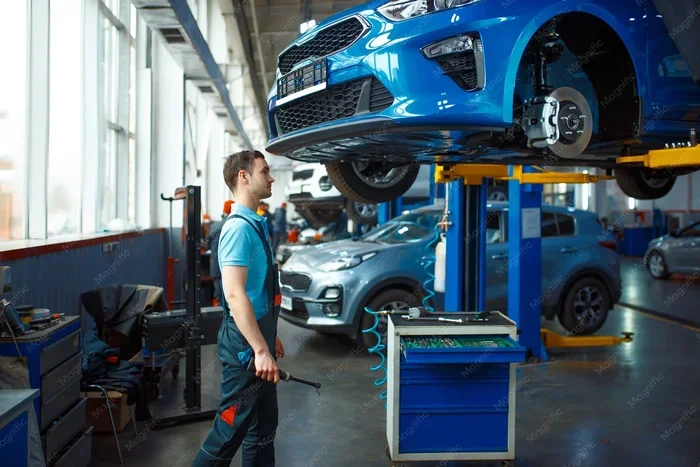
Do not wait until something breaks to find a good shop. Ask friends and family for recommendations. Check online reviews. Visit the shop in person and ask questions. A trustworthy mechanic will explain things clearly and give you honest advice.
Building a relationship with a local mechanic also means you get fair pricing. New customers often get charged more. Regular customers get treated like family.
Buy Quality Parts Without Overpaying
You do not always need OEM (Original Equipment Manufacturer) parts. Aftermarket parts from reputable brands work just as well and cost significantly less. The key is to buy from trusted suppliers. Cheap no-name parts might save a few dollars now but fail much sooner.
Common Mistakes That Shorten Your Car’s Life
Even the best cars suffer from poor ownership habits. Some mistakes are obvious. Others sneak up on you over time. Here are the most common errors drivers make — and how to avoid them.
Ignoring Warning Lights
That little check engine light on your dashboard is not just decoration. It is your car talking to you. Ignoring it is one of the fastest ways to turn a small problem into a massive repair bill.
If a warning light comes on, do not panic. But do not ignore it either. Pull over safely if the light is red or flashing. For yellow or amber lights, schedule a check-up as soon as possible.
Skipping Regular Oil Changes
Engine oil lubricates every moving part inside your engine. Over time, it breaks down and loses its effectiveness. Old oil causes increased friction, heat buildup, and accelerated wear.
Most mechanics recommend changing oil every 5,000 to 7,500 miles for modern vehicles. Check your owner manual for the exact interval. And do not forget to replace the oil filter at the same time.
Driving Aggressively
Hard acceleration, sudden braking, and speeding put enormous stress on your car. They wear out brakes, strain the engine, and reduce fuel efficiency. Gentle driving not only saves fuel. It also extends the life of every component in your vehicle.
Try to accelerate smoothly and leave plenty of following distance. You will arrive at your destination safely and save money on repairs at the same time.
Neglecting the Cooling System
Your coolant system keeps your engine from overheating. When coolant levels drop or the system gets clogged, engine temperature rises fast. Overheating can warp engine blocks and crack heads. Those repairs cost thousands of dollars.
Check your coolant level monthly. Flush and replace coolant every 30,000 miles or as recommended by your manufacturer. It is a small investment that prevents catastrophic damage.
When to DIY and When to Call a Pro
Knowing where to draw the line between DIY and professional help is one of the most valuable skills a car owner can have. Doing too much yourself can cause damage. Relying on a mechanic for everything wastes money. Here is how to find the right balance.
Tasks You Can Safely Do at Home
These jobs require basic tools and minimal expertise:
- Oil and filter changes
- Air filter and cabin filter replacement
- Windshield wiper installation
- Tire pressure checks and simple rotations
- Battery terminal cleaning
- Light bulb replacements
- Wiper fluid top-offs
Jobs That Need a Professional
Some tasks are too complex or dangerous for DIY work. Leave these to trained technicians:
- Brake system repairs and replacements
- Transmission work
- Engine diagnostics and computer repairs
- Suspension and steering repairs
- Air conditioning system servicing
- Any work involving your car’s safety systems
The Cost of Professional Help vs. DIY
Here is a simple comparison to help you decide. On average, a professional oil change costs 40 to 70 dollars. Doing it yourself costs about 15 to 25 dollars in materials. Over a year of monthly oil changes, that is a savings of 300 to 550 dollars.
But remember, time has value too. If you hate working on cars, paying a professional might be worth the extra cost. The goal is to make car ownership costs work for your budget and your lifestyle.
Building a Long-Lasting Car Maintenance Routine
The secret to vehicle longevity is consistency. A one-time effort does not keep a car running for years. You need a reliable routine that you follow without fail. Here is how to build one that actually sticks.
Create a Maintenance Schedule
Start by gathering your car service records. Note every repair, oil change, and inspection. Then map out what needs to be done next based on mileage or time intervals.
Use a simple spreadsheet or a phone app to track everything. Set reminders for upcoming services. When you stay on top of maintenance, small issues get caught early. This is the single most effective way to make a car last for many years.
Keep a Car Care Kit in Your Trunk
Being prepared for the unexpected makes long distance driving much less stressful. Keep these essentials in your trunk at all times:
- Extra engine oil and coolant
- A tire pressure gauge
- Jumper cables or a portable battery starter
- A basic tool set
- Flashlight and extra batteries
- First aid kit
- Water and non-perishable snacks
These items take up very little space. They can save you from a minor inconvenience turning into a major crisis on the road.
Track Your Fuel Efficiency
Your fuel economy is a great indicator of overall car health. If you notice a sudden drop in miles per gallon, something is wrong. It could be a dirty air filter, underinflated tires, or a failing oxygen sensor.
Monitoring your fuel efficiency helps you catch problems early. It also keeps your car ownership costs lower over time. Simply record your mileage and fuel purchases every time you fill up.
How to Make a Car Last 500 Miles and Beyond
Now that you understand the basics, let us put it all together. How to make a car last 500 miles without breaking the bank comes down to three core principles: preparation, prevention, and smart spending.
Before every long trip, complete your pre-trip inspection checklist. Check fluids, tires, lights, and filters. Replace anything that is worn or close to the end of its life. This takes a small amount of time and prevents most roadside emergencies.
During the trip, drive gently and watch for warning signs. Unusual sounds, vibrations, or smells mean something needs attention. Do not ignore them. Pull over safely and assess the situation.
After the trip, give your car a quick check. Look under the vehicle for any leaks. Check tire pressure again. Address any issues immediately before they worsen during your next drive.
When you follow these steps consistently, your car becomes more reliable with age. You spend less on repairs. You enjoy every drive more. And you get the best possible return on your investment in vehicle longevity.
Quick Tips for Maximum Reliability
- Wash and wax your car regularly to protect the paint and prevent rust.
- Keep your interior clean to reduce wear on seats and dashboard materials.
- Store your car in a garage or covered area when possible.
- Drive the car regularly. Vehicles that sit for weeks can develop battery drain and flat spots on tires.
- Stay current with all manufacturer-recommended services, even if the car seems fine.
These habits might seem small on their own. But over thousands of miles, they add up to a car that runs beautifully and holds its value. The best part is that most of these tips cost nothing or very little. You are not breaking the bank. You are just being smart.
Conclusion
Learning how to make a car last 500 miles without breaking the bank is within reach for every driver. It starts with understanding your vehicle and committing to regular care. From fluid checks to tire maintenance, from DIY tasks to professional services, every action you take adds up to a more reliable and affordable ownership experience.
The key is consistency. Small efforts done regularly prevent big problems later. You do not need to be a mechanic. You do not need expensive tools. You just need a plan and the willingness to follow through.
Start today. Pick one task from this article and do it this week. Then pick another one next week. Before long, you will have built a routine that keeps your car running strong for years. Your wallet will thank you. Your car will thank you. And every mile you drive will be a little easier and a lot more enjoyable.
Take charge of your car maintenance routine now. The road ahead is long, and your car is ready to meet it — as long as you give it the care it deserves.
Frequently Asked Questions
How often should I change my oil to make my car last longer?
Most modern cars need an oil change every 5,000 to 7,500 miles. However, always check your owner manual for the exact recommendation. Using the right grade of oil and replacing the filter at the same time keeps your engine running smoothly for the long haul.
Can I really save money by doing car maintenance myself?
Absolutely. Simple tasks like oil changes, air filter replacements, and tire rotations are easy to learn and do at home. You can save anywhere from 50 to 75 percent compared to shop prices. Just make sure you have the right tools and follow safety guidelines.
What is the most important thing I can do to extend my car’s lifespan?
Consistent preventive maintenance is the single most important factor. Regular oil changes, fluid checks, and timely repairs prevent small issues from becoming major problems. A well-maintained car can easily last 200,000 miles or more with proper care.
How can I improve my car’s fuel efficiency for long trips?
Keep your tires properly inflated, replace your air filter regularly, and avoid aggressive driving. Also, remove unnecessary weight from your trunk and use cruise control on highways. These simple steps can improve fuel economy by 10 to 15 percent.
What should I do if a warning light comes on during a long drive?
Do not panic, but do not ignore it either. If the light is red or flashing, pull over safely and turn off the engine. For yellow or amber lights, reduce your speed and get to a safe location to inspect the car. Call for roadside assistance if you are unsure.
Is it worth buying extended warranty for an older car?
It depends on the age and condition of your vehicle. For newer cars, factory warranties usually cover most issues. For older vehicles, an extended warranty might provide peace of mind but can be expensive. Weigh the cost against potential repair expenses and your personal budget before deciding.
=== CONCLUSION ===
Knowing how to make a car last 500 miles without breaking the bank is all about smart, consistent care. Follow the tips in this guide, stay on top of your maintenance schedule, and drive with awareness. Your car will reward you with years of reliable service and lower ownership costs. Start applying these strategies today and enjoy the peace of mind that comes with a well-maintained vehicle.