How Long Do Touch-Up Paint Pens Last – Tips Facts
Touch-up paint pens typically last between 2 and 5 years when stored properly and applied correctly. Their lifespan depends on factors like paint quality, storage conditions, application technique, and exposure to weather. Using the right methods can significantly extend both the life of the pen and the durability of the repair.
Every car owner has been there. You spot a tiny chip on your hood or a fresh scratch on your door, and your first instinct is to grab a touch-up paint pen from the glove box. It seems like the perfect quick fix. But then the question hits you: how long does this little pen actually last? And more importantly, how long will the repair it creates hold up against the elements?
The answer is not as simple as a single number. Touch-up paint pens have a shelf life, a usable lifespan after opening, and a repair durability that depends on how you apply them. Understanding all three aspects can save you time, money, and frustration. In this guide, we will walk through everything you need to know about automotive touch-up paint longevity, from storage secrets to application tips that make a real difference.
Whether you drive a daily commuter or a weekend cruiser, knowing how to get the most out of your car scratch repair pen is essential. Let us dive into the facts, tips, and practical advice that will help you keep your vehicle looking sharp for years to come.
Key Takeaways
- Storage matters: Keeping your pen cool and sealed can add years to its usable life.
- Application technique is critical: Proper prep and layering directly impact how long the repair holds.
- Climate affects longevity: Harsh UV rays, salt, and extreme temperatures shorten paint pen durability.
- Quality brands outperform cheap alternatives: Investing in a trusted automotive touch-up kit pays off long-term.
- Clear coat sealant boosts protection: Adding a clear layer can double the lifespan of your touch-up repair.
- Replace pens when they dry out: Using an expired or dried pen leads to poor adhesion and peeling.
- Regular maintenance helps: Periodic inspections catch small chips before they become bigger problems.
📑 Table of Contents
- What Are Touch-Up Paint Pens and How Do They Work
- How Long Do Touch-Up Paint Pens Typically Last
- Factors That Affect Touch-Up Paint Pen Longevity
- Best Practices for Extending the Life of Touch-Up Paint Repairs
- Common Mistakes That Shorten Touch-Up Paint Pen Life
- When Should You Replace Your Touch-Up Paint Pen
- Quick Tips for Maximum Touch-Up Paint Pen Longevity
- How to Choose the Best Touch-Up Paint Pen for Your Car
- Expert Insights on Touch-Up Paint Pen Durability
- Conclusion
What Are Touch-Up Paint Pens and How Do They Work
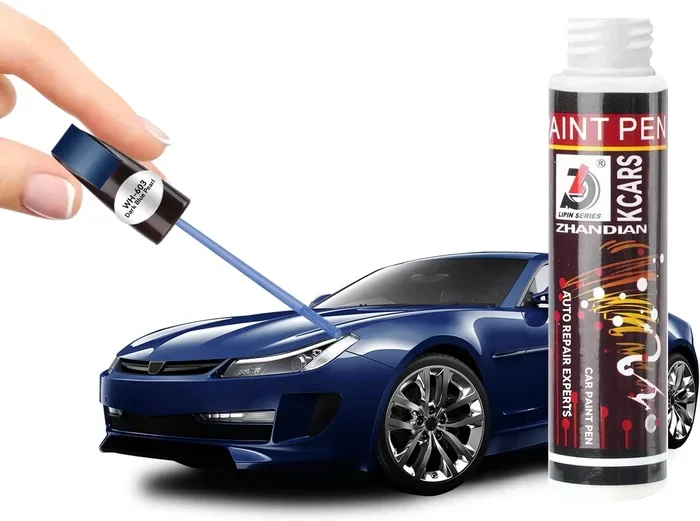
A touch-up paint pen is a small, pen-shaped container filled with automotive paint designed to fix minor chips, scratches, and scuffs on your vehicle. Most pens use a fine applicator tip that lets you paint directly into the damaged area. They are convenient, portable, and much cheaper than a full professional respray.
Inside the pen, you will find two main components. The first is the base color paint, which matches your vehicle’s original factory color. The second is sometimes a separate clear coat that goes on top. Some pens combine both into one unit, while others sell them as a two-step system. Automotive touch-up kits from reputable brands tend to offer better color matching and longer-lasting results.
The paint bonds to the exposed metal or primer on your car’s surface. Once it dries, it creates a protective barrier that prevents moisture and oxygen from reaching the bare metal. This is crucial because exposed metal leads to rust, and rust spreads fast if left untreated. A good chip repair pen stops this process in its tracks.
Types of Touch-Up Paint Pens
Not all paint pens for cars are the same. Here are the most common types you will encounter:
- Single-stage paint pens: These contain just the base color. They work best for cars that do not have a separate clear coat layer, which is common on older vehicles.
- Two-stage paint pens: These include a base color and a clear coat. They are ideal for modern vehicles that use a clear coat finish for extra gloss and protection.
- Brush-tip pens: These have a small brush built into the cap. They offer more control for larger areas but can be messier.
- Pin-tip pens: These use a fine pointed tip for precise application. They are great for small chips and dots.
- Touch-up pens with primer: Some kits include a primer pen alongside the paint pen. Using primer first helps the paint adhere better to bare metal.
Choosing the right type depends on your vehicle’s finish and the size of the damage. Paint pen application is easiest when you match the pen type to your car’s paint system.
How Long Do Touch-Up Paint Pens Typically Last
The shelf life of an unopened touch-up paint pen is usually between 3 and 5 years. However, once you open and use the pen, the clock starts ticking faster. A used pen can dry out within 6 to 12 months if not stored properly.
But shelf life is only one part of the story. The durability of the actual repair is what really matters. When applied correctly, a touch-up paint repair can last anywhere from 1 to 5 years before it starts to show signs of wear. Several factors influence this, and we will explore them in detail below.
Shelf Life vs. Repair Durability
It is important to understand the difference between how long the pen lasts on your shelf and how long the paint job lasts on your car. A pen might sit in your garage for three years and still work perfectly. But the paint it applies could start chipping after just one year if the conditions are harsh or the application was poor.
Think of it this way. The pen is the tool. The repair is the result. Both have their own lifespan. Paint pen durability depends on both the quality of the pen and the care you take during application.
Here is a general breakdown of what to expect:
- Unopened pen stored properly: 3 to 5 years
- Opened pen stored properly: 12 to 24 months
- Repair in mild climate conditions: 3 to 5 years
- Repair in harsh climate conditions: 1 to 3 years
- Repair with poor application: 6 months to 1 year
These numbers give you a realistic picture. Your results may vary, but following the best practices in this guide will push your outcomes toward the higher end of each range.
Factors That Affect Touch-Up Paint Pen Longevity
Not all touch-up paint pen repairs are created equal. Several key factors determine how long your fix will hold up. Understanding these factors helps you make smarter decisions and get better results.
Paint Quality and Brand
The quality of the automotive touch-up paint you choose matters enormously. Premium brands use better pigments and resins that bond more strongly to the vehicle’s surface. Cheap, off-brand pens often use lower-grade materials that fade, chip, and peel much faster.
When shopping for a car touch-up paint pen, look for brands that specifically match your vehicle’s paint code. Every car manufacturer assigns a unique code to each color. Using the correct code ensures the best color match and the most compatible paint formula.
Some trusted brands in the automotive touch-up space include Dupli-Color, Turtle Wax, Meguiar’s, and AutomotiveTouchup. These companies invest in research to create paints that resist UV damage, temperature changes, and road debris.
Climate and Weather Exposure
Where you live plays a huge role in how long your touch-up paint repair lasts. Cars in sunny, coastal areas face more challenges than those in mild, inland climates. Here is why:
- UV radiation: Sunlight breaks down paint over time. A chip repair without proper protection fades faster in direct sunlight.
- Salt and moisture: Coastal areas and winter road salt accelerate corrosion. If the touch-up paint does not fully seal the exposed metal, rust can form underneath.
- Extreme temperatures: Heat causes paint to expand and contract. Over time, this weakens the bond between the repair and the original paint.
- Rain and humidity: Excess moisture can seep under poorly applied paint, causing bubbling and peeling.
If you live in a tough climate, consider applying an extra layer of automotive paint sealant over the repair. This adds a protective shield that significantly extends the life of your fix.
Application Technique
Even the best paint pen for cars will fail if you apply it incorrectly. Proper technique is one of the most important factors in repair longevity. Here are the key steps to follow:
- Clean the area thoroughly: Use soap and water, then wipe with rubbing alcohol. Remove all dirt, grease, and wax from the damaged spot.
- Sand lightly if needed: For deeper chips, use fine-grit sandpaper (around 1500 grit) to smooth the edges. This helps the paint grip better.
- Apply primer first: If the damage reaches bare metal, use a primer pen before applying color. Primer creates a strong foundation.
- Apply thin layers: Do not glob the paint on. Multiple thin layers dry better and bond stronger than one thick layer.
- Let each layer dry: Wait at least 10 to 15 minutes between coats. Rushing this step weakens the repair.
- Apply clear coat: If your pen does not include clear coat, apply a separate clear coat after the color dries. This adds gloss and protection.
- Let it cure fully: Avoid washing or waxing the area for at least 48 hours. Full cure time can be up to a week.
Following these steps carefully makes a massive difference. Touch-up paint pen tips like these separate a repair that lasts a few months from one that lasts several years.
Pen Storage Conditions
How you store your automotive touch-up pen between uses directly affects its lifespan. A pen left in a hot car or garage will dry out much faster than one kept in a cool, dark place.
Here are the best storage practices:
- Store the pen in a cool, dry place away from direct sunlight.
- Keep the cap tightly sealed after every use.
- Store the pen upright to prevent the tip from drying out.
- Avoid extreme temperature swings, such as leaving it in a trunk during winter.
- Store the pen in a sealed bag or container with a damp paper towel for added humidity control.
These simple habits can extend the usable life of your pen by months or even years. Paint pen storage is often overlooked, but it makes a real difference.
Vehicle Paint Condition and Age
The condition of your vehicle’s existing paint also matters. Older cars with faded or oxidized paint may not bond as well with touch-up paint. Newer cars with factory-fresh clear coats tend to accept touch-up repairs more readily.
If your car’s paint is in poor condition overall, consider applying a clear coat sealant over the entire panel after completing the touch-up. This creates a uniform protective layer that benefits both the repair and the surrounding paint.
Best Practices for Extending the Life of Touch-Up Paint Repairs
Once you have applied your touch-up paint pen repair, the work is not done. Maintaining the repair ensures it lasts as long as possible. Here are the best practices every car owner should follow.
Wait Before Washing
Give your repair at least 48 hours to cure before washing the car. Water and soap can weaken the paint bond if applied too soon. When you do wash, use a gentle hand wash method rather than a high-pressure hose.
Apply Wax Regularly
Waxing your car every 2 to 3 months adds a protective layer over the touch-up repair. Choose a quality automotive wax that is safe for clear coat finishes. Avoid abrasive polishes directly on the repair area.
Use a Paint Sealant or Ceramic Coating
For maximum protection, apply a paint sealant or ceramic coating over the repaired area. These products create a hydrophobic barrier that repels water, UV rays, and contaminants. They are especially helpful for chip repair areas that are more vulnerable to the elements.
Inspect Repairs Periodically
Make it a habit to inspect your touch-up repairs every few months. Look for signs of chipping, peeling, or rust forming around the edges. Catching these early lets you fix the problem before it spreads. A quick paint pen touch-up every year or two keeps small repairs from becoming big headaches.
Avoid Harsh Chemicals
Stay away from harsh chemical cleaners, degreasers, and automatic car wash brushes near the repair area. These can degrade the paint bond and cause the repair to fail prematurely. Stick to gentle, pH-neutral car wash products.
Keep the Pen Ready
Having a fresh, working pen on hand means you can fix new chips immediately. Small damages are much easier to repair and last longer when addressed quickly. The longer a chip sits exposed, the more moisture and dirt work their way into the damage, weakening the foundation of any future repair.
Common Mistakes That Shorten Touch-Up Paint Pen Life
Avoiding mistakes is just as important as following best practices. Here are the most common errors that shorten the life of both your pen and your repair.
Applying Paint to a Dirty Surface
This is the number one mistake. If you apply touch-up paint over dirt, wax, or grease, it will not bond properly. The repair will chip and peel within weeks. Always clean the area thoroughly before you start.
Applying Too Thick a Layer
Thick layers of paint take longer to dry, crack more easily, and look uneven. Thin, even coats build up a stronger, more natural-looking repair. Patience here pays off.
Skipping the Primer
If the damage exposes bare metal, skipping primer is a huge mistake. Primer creates the bond between the metal and the paint. Without it, the color coat has nothing to grip, and the repair will flake off quickly.
Using a Dried-Out Pen
Sometimes a pen looks fine but the tip is clogged or the paint inside has thickened. Test the pen on a hidden area first. If the paint comes out in clumps or not at all, the pen is likely dried out and needs replacing.
Ignoring the Clear Coat
Many people apply the color paint and call it done. But without a clear coat, the repair lacks UV protection and gloss. The color paint alone will fade and deteriorate much faster. Always apply clear coat when possible.
Storing the Pen Improperly
Leaving your pen in a hot car or garage accelerates drying. A dried-out pen gives poor results and wastes your money. Proper paint pen storage is simple but essential.
When Should You Replace Your Touch-Up Paint Pen
Knowing when to replace your pen saves you from frustrating, failed repairs. Here are the clear signs that it is time for a new one:
- The paint comes out in thick, clumpy drops instead of a smooth line.
- The color looks noticeably different from the surrounding paint.
- The pen has been open and unused for more than a year.
- The tip is clogged and cannot be cleared by gentle shaking or light scraping.
- The paint inside has separated or hardened.
- The repair you applied started chipping or peeling within weeks.
Replacing your pen when these signs appear ensures your automotive touch-up repairs stay effective. Keeping a spare pen in your garage or glove box is a smart move for any car owner.
Quick Tips for Maximum Touch-Up Paint Pen Longevity
Here are quick, actionable tips you can start using today:
- Always match your pen to your vehicle’s exact paint code.
- Store pens in a temperature-controlled environment.
- Clean and prep the surface before every application.
- Apply thin layers and let each one dry fully.
- Always use a clear coat over color repairs.
- Inspect repairs every few months for early signs of wear.
- Keep a backup pen so you are always ready for new damage.
- Use a chip guard product over high-impact areas like the front bumper and hood.
- Avoid automatic car washes for at least a week after a repair.
- Invest in quality brands for better long-term results.
How to Choose the Best Touch-Up Paint Pen for Your Car
Not all touch-up paint pens are created equal. Choosing the right one sets you up for success. Here is what to look for:
- Exact color match: The pen must match your vehicle’s paint code precisely. A close match is not good enough.
- Two-step system: Pens that include both color and clear coat offer better protection and a more finished look.
- Quality applicator: A fine-tip brush or pin tip gives you more control and cleaner lines.
- Reputable brand: Stick with brands known for quality automotive touch-up products.
- Good reviews: Check customer feedback for real-world durability reports.
- Included primer: Some kits include a primer pen, which is extremely helpful for deeper chips.
Taking the time to choose the right pen pays dividends in repair quality and longevity. A quality paint pen for cars from a trusted brand is one of the best investments you can make for your vehicle’s appearance and protection.
Expert Insights on Touch-Up Paint Pen Durability
Professional detailers and body shop technicians agree on a few key points about touch-up paint pen lifespan. First, they emphasize that preparation is everything. The most expensive pen in the world will fail on a dirty surface. Second, they recommend always using a clear coat. Third, they stress the importance of regular inspections. Catching a new chip early makes the repair faster, easier, and longer-lasting.
Many experts also recommend keeping your vehicle’s paint protection routine consistent. A ceramic coating or quality wax over the entire vehicle helps the touch-up blend better and protects the repair from environmental damage. Think of your touch-up as part of a larger paint care strategy, not a one-time fix.
Body shop professionals also note that automotive paint chip repair pens work best on small, isolated damage. For larger areas or deep scratches, a professional respray is still the gold standard. But for the vast majority of chips and small scratches, a quality touch-up pen does the job remarkably well when used correctly.
Conclusion
Touch-up paint pens are a valuable tool for every car owner. When you understand how long they last and how to use them properly, you can keep your vehicle looking great and protected from rust for years. The key takeaways are clear: store your pen correctly, prep the surface well, apply thin layers, always use clear coat, and maintain your repairs over time.
The lifespan of a touch-up paint pen repair depends on many factors, but with the right approach, you can expect your fixes to hold up for several years. Do not let small chips turn into big rust problems. Grab your pen, follow the steps in this guide, and keep your car looking its best.
Take action today. Inspect your vehicle for any new chips, grab your automotive touch-up paint pen, and give your car the care it deserves. A few minutes of effort now saves you time and money down the road.
Frequently Asked Questions
How long does an unopened touch-up paint pen last?
An unopened touch-up paint pen typically lasts between 3 and 5 years if stored in a cool, dry place. Heat and direct sunlight shorten the shelf life significantly. Always check the expiration date on the packaging before purchasing.
Can I use a touch-up paint pen on rusted areas?
Yes, but you must first remove the rust completely. Use sandpaper or a rust remover to expose clean metal before applying the paint. Applying automotive touch-up paint over rust will not bond properly and the repair will fail quickly.
How do I know if my touch-up paint pen is dried out?
If the paint comes out in thick clumps, does not flow smoothly, or has changed in texture, the pen is likely dried out. You can also test it on a hidden area. If the color looks patchy or the paint does not adhere, it is time to replace the pen.
Should I apply clear coat over my touch-up paint repair?
Absolutely. Clear coat provides UV protection, gloss, and an extra layer of durability. Without clear coat, the touch-up paint is vulnerable to fading, chipping, and weather damage. A clear coat sealant can double the lifespan of your repair.
How soon can I wash my car after a touch-up repair?
Wait at least 48 hours before washing the repaired area. The paint needs time to cure fully. After that, use a gentle hand wash method and avoid high-pressure sprays directly on the repair site.
Do touch-up paint pens work on all car colors?
They work best when you match the pen to your vehicle’s exact paint code. Every car has a unique color code, usually found on the driver’s side door jamb. Using the correct code ensures the best color match and the most durable repair result.