Do Dealers Charge a Diagnostic Fee for Car Repairs
Yes, most dealers charge a diagnostic fee for car repairs. This fee covers the time a certified technician spends running diagnostic tests on your vehicle. Knowing what to expect helps you avoid surprises and make smarter decisions about your car repair cost.
You take your car to the dealership because the check engine light just came on. You wait for hours. Then the service advisor drops a bomb: “There’s a diagnostic fee.” You weren’t expecting that. So do dealers charge a diagnostic fee for car repairs? The short answer is yes. But the full story is a lot more nuanced, and understanding it can save you hundreds of dollars.
When your car acts up, the last thing you want is a surprise bill. Diagnostic fees are one of the most misunderstood charges in the auto repair world. Many people assume the dealership already knows what’s wrong just by looking at the car. That’s not how it works. A diagnostic test takes real time, skill, and specialized equipment. And like any skilled service, it costs money.
But here’s the good news. Once you understand how diagnostic fees work, you can make informed choices. You can negotiate better. You can avoid unnecessary charges. And you can decide whether a dealership or an independent shop makes more sense for your situation. This guide walks you through everything you need to know about dealer diagnostic fees in plain, simple language.
We’ll break down what a diagnostic fee actually covers, how much you should expect to pay, and what your rights are as a car owner. Whether your vehicle is under warranty or long past it, this article has you covered. Let’s dive in.
Key Takeaways
- Dealers do charge diagnostic fees: Most dealerships bill for diagnostic time, typically ranging from $80 to $150.
- Diagnostic fees are separate from repair costs: You pay for the scan first, and repair charges come afterward.
- Warranty repairs may waive the fee: If your car is under warranty, the diagnostic cost is often covered.
- Independent shops may charge less: Local auto repair shops sometimes offer lower diagnostic rates than dealerships.
- You can negotiate or avoid fees: Asking questions and understanding your rights helps you reduce or eliminate charges.
- Always get a written estimate: A clear repair estimate protects you from unexpected bills.
- Diagnostic testing is essential: It identifies the real problem and prevents unnecessary repairs.
📑 Table of Contents
- What Is a Diagnostic Fee and Why Do You Pay It?
- How Much Do Dealers Charge for Diagnostics?
- Dealer vs Independent Shop: Where Should You Go?
- When You Should (and Shouldn’t) Pay a Diagnostic Fee
- How to Avoid or Reduce Diagnostic Fees
- What Happens After the Diagnostic?
- Final Thoughts: Taking Control of Your Car Repair Experience
What Is a Diagnostic Fee and Why Do You Pay It?
A diagnostic fee is a charge for the time and tools a technician uses to figure out what’s wrong with your car. It’s not a repair. It’s an investigative step. Think of it like a doctor’s visit before you get treatment. The mechanic needs to find the root cause before any work begins.
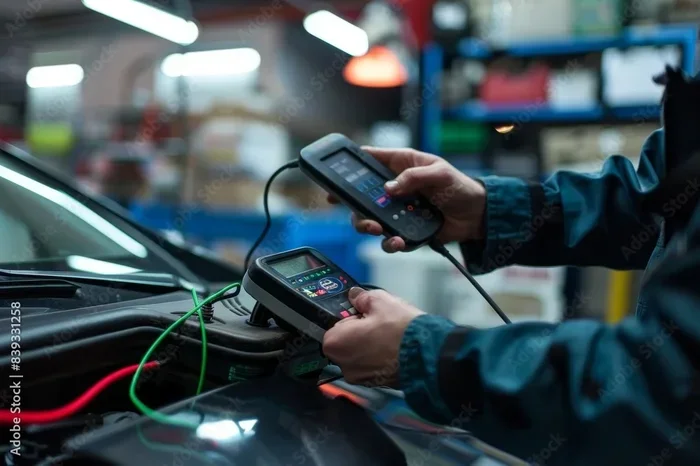
When you bring your car in with a check engine light or another mystery symptom, the technician plugs in an OBD scanner. This tool reads error codes from your car’s computer system. But reading codes is only the start. A skilled certified technician still needs to interpret those codes, run tests, and pinpoint the actual problem.
What the Diagnostic Process Actually Involves
People often think diagnostics are quick. They’re not. Here’s what a thorough diagnostic session typically looks like:
- Initial scan: The technician connects the OBD scanner and pulls error codes from the car’s onboard computer.
- Visual inspection: They physically check hoses, wires, belts, and other visible components for wear or damage.
- Test drive: In many cases, the technician drives the vehicle to reproduce the issue.
- Advanced testing: Specialized tools may be needed for specific systems like the transmission, ABS, or air conditioning.
- Analysis and report: The technician compiles findings and presents a diagnosis to the service advisor.
All of this takes time. And time costs money. That’s what the diagnostic fee covers. It’s not a profit grab. It’s payment for skilled labor and expensive equipment.
How Long Does a Diagnostic Take?
Simple diagnostics might take 30 minutes. Complex issues can take several hours. Some modern vehicles have dozens of computer modules that need to be checked. The more complex the car, the longer the diagnostic process takes. And the longer it takes, the higher the fee.
For example, a 2023 luxury SUV might have over 100 error codes stored in its system, even when nothing is visibly wrong. Sorting through those codes to find the real issue takes real expertise. That’s why diagnostic testing is a billable service at every dealership.
How Much Do Dealers Charge for Diagnostics?
The car repair cost for a diagnostic test varies widely. Several factors determine the final price. Let’s look at what you can realistically expect.
Average Diagnostic Fees at Dealerships
Most dealerships charge between $80 and $150 for a standard diagnostic session. Here’s a rough breakdown:
- Basic engine diagnostic: $80 to $100
- Full system scan: $100 to $150
- Complex or specialized diagnostics: $150 to $250
- Electrical system testing: $100 to $200
These numbers can vary based on your location, the dealership brand, and the complexity of your vehicle. Luxury brands like BMW or Mercedes often charge more than mainstream brands like Toyota or Honda. But the difference isn’t usually dramatic.
Factors That Affect the Diagnostic Fee
Several things influence how much you’ll pay for diagnostics:
- Vehicle make and model: European and luxury cars often require more expensive diagnostic equipment.
- Age of the vehicle: Older cars may need more hands-on testing since they rely less on computer systems.
- Complexity of the issue: A simple misfire code takes less time than a intermittent electrical problem.
- Dealership location: Dealers in major cities tend to charge higher labor rates.
- Labor rate: Dealership labor rates range from $100 to $200 per hour in most markets.
The diagnostic fee is typically billed at the dealership’s standard labor rate for the time spent. So if the diagnostic takes 1.5 hours and the labor rate is $120 per hour, you’d pay around $180.
Dealer vs Independent Shop: Where Should You Go?
This is one of the most common questions car owners ask. Should you go to the dealership or an independent auto repair shop? The answer depends on your situation. Let’s compare.
Dealership Diagnostics
Dealerships have several advantages. Their technicians are factory-trained and certified. They have access to manufacturer-specific diagnostic tools and software updates. They also know the common problems for your specific model. If your car is under warranty, the dealership is often your best or only option.
But there’s a trade-off. Dealership service center rates are typically higher. You’re paying for the brand name, the specialized equipment, and the factory training. The mechanic fees at a dealership will almost always be more than at an independent shop.
Independent Shop Diagnostics
Independent shops often charge less for diagnostics. Many use the same OBD scanner tools that dealerships use. The quality of service can be excellent, especially at shops that specialize in your vehicle’s brand.
Here are some pros and cons of going independent:
- Lower diagnostic fees: Often $50 to $100 less than a dealership.
- More personal attention: You’re less likely to be just a number in the queue.
- Flexible scheduling: Many independent shops offer same-day service.
- Potential drawbacks: Not all independent shops have access to manufacturer-specific diagnostic software.
- Warranty concerns: If your car is still under warranty, using an independent shop could complicate things.
Quick Comparison Table
Here’s a side-by-side look at dealership vs independent shop diagnostics:
- Dealership: Factory-trained techs, manufacturer tools, higher cost, warranty-friendly.
- Independent Shop: Lower cost, personalized service, may lack brand-specific tools, potential warranty issues.
For most routine diagnostics, an independent shop can do the job just as well at a lower price. But for complex issues or warranty-covered vehicles, the dealership usually wins.
When You Should (and Shouldn’t) Pay a Diagnostic Fee
Not every car problem requires paying a diagnostic fee. Understanding when you should and shouldn’t pay helps you make smart choices.
When You Should Pay
You should pay a diagnostic fee when:
- The check engine light is on and you don’t know why.
- Your car is making strange noises or showing unusual behavior.
- The problem is intermittent and hard to reproduce.
- You need a repair estimate before authorizing work.
- Your vehicle is under warranty and you want proper documentation.
In these situations, paying for diagnostics is a smart investment. It tells you exactly what’s wrong and prevents you from throwing money at the wrong fix.
When You Might Not Need to Pay
There are times when you can avoid a diagnostic fee:
- Warranty repairs: If your car is under a factory warranty, the diagnostic is often free.
- Recall repairs: Manufacturers sometimes cover diagnostic costs for recalls.
- Free code reads: Some auto parts stores will read your check engine light codes for free.
- Known issue: If you already know the problem and just need the fix, you might skip the diagnostic.
Keep in mind that a free code read at an auto parts store is not the same as a full diagnostic. They can pull the code, but they can’t always tell you the root cause. That’s where the dealership or shop earns its diagnostic fee.
Common Mistakes Car Owners Make
Many car owners make avoidable mistakes when dealing with diagnostic fees. Here are the most common ones:
- Assuming the fee is refundable: In most cases, the diagnostic fee is not refunded even if you don’t do the repair there.
- Not asking for an estimate first: Always ask how much the diagnostic will cost before you agree to it.
- Ignoring the check engine light: Small problems become big expensive problems when ignored.
- Choosing the cheapest option: The lowest price doesn’t always mean the best service or most accurate diagnosis.
- Not asking about the labor rate: Knowing the hourly rate helps you understand the total diagnostic cost upfront.
How to Avoid or Reduce Diagnostic Fees
Nobody wants to pay more than they have to. Here are practical tips to reduce or avoid diagnostic fees at the dealership.
Ask About the Fee Before You Agree
This is the simplest and most effective tip. Before the technician starts working, ask the service advisor: “What is the diagnostic fee, and is it applied toward the repair if I proceed?” Many dealerships will credit the diagnostic fee toward the repair cost. If you go somewhere else, you usually lose it. But at least you know what you’re paying for.
Check Your Warranty Coverage
If your car is still under the factory extended warranty, the diagnostic might be fully covered. Call your dealership’s service department before you go in. Ask them to confirm whether diagnostic work is included under your warranty terms. This one phone call could save you $100 or more.
Use Your Vehicle’s Built-In Diagnostics
Many modern cars have built-in diagnostic features. You can check for error codes through the dashboard display on some models. While this won’t replace a full diagnostic, it can give you a head start and help you understand what the technician is looking at.
Get a Second Opinion
If a dealership quotes you a high diagnostic fee, don’t be afraid to get a second opinion. A local auto repair shop might be able to diagnose the same issue for less. Just make sure you bring any diagnostic reports or codes the dealership already pulled.
Join a Service Club or Loyalty Program
Some dealerships offer service clubs or loyalty programs that include free or discounted diagnostics. These programs often come with other perks like priority scheduling and discount car maintenance services. It’s worth checking if your dealership offers one.
Expert Insight: What Technicians Want You to Know
We spoke with several certified technicians about diagnostic fees. Here’s what they had to say:
- “The fee covers real expertise, not just plugging in a scanner.” Many people think diagnostics are a simple plug-and-read process. In reality, experienced technicians spend significant time analyzing data and running tests.
- “A good diagnostic prevents expensive mistakes.” Getting the wrong fix because of an inaccurate diagnosis costs far more than the diagnostic fee itself.
- “Always ask what the diagnostic includes.” Some shops charge a flat fee for a basic scan. Others charge hourly for a comprehensive evaluation. Know what you’re getting.
What Happens After the Diagnostic?
Once the diagnostic is complete, the service advisor will share the findings with you. This is a critical moment. Here’s what to expect and how to handle it.
The advisor should present you with a clear repair estimate. This estimate breaks down the problem, the recommended fix, the parts cost, and the labor cost. Take your time reviewing it. Don’t feel pressured to approve work on the spot.
If the repair is covered under warranty, the advisor should explain that clearly. If the repair bill is higher than expected, ask for an explanation of each line item. You have every right to understand what you’re paying for.
Also, ask whether the diagnostic fee will be applied toward the repair cost. Many dealerships do this automatically, but not all of them. It never hurts to confirm.
If you decide not to proceed with the repair at that dealership, you’ll still owe the diagnostic fee. This is standard practice across the industry. That’s another reason it pays to ask about the fee upfront.
Quick Tips for the Post-Diagnostic Conversation
- Ask for the diagnostic report in writing.
- Request a detailed repair estimate with parts and labor separated.
- Ask about the warranty on the repair work itself.
- Find out how long the repair will take.
- Ask if a loaner car or shuttle service is available while you wait.
These small steps protect you and ensure you’re treated fairly. They also show the service advisor that you understand how the process works, which builds trust.
Final Thoughts: Taking Control of Your Car Repair Experience
So do dealers charge a diagnostic fee for car repairs? Yes, they do. But now you know exactly why, how much to expect, and what you can do about it. The key is preparation and knowledge.
When you understand the diagnostic process, you’re no longer at the mercy of the service advisor. You can ask the right questions. You can compare options. And you can make confident decisions about your vehicle inspection and repair needs.
Remember that a diagnostic fee is not a scam. It’s a fair charge for skilled labor and specialized equipment. The real danger lies in not understanding the fee and being surprised by it. Now that you’re informed, you’re in a much better position.
Whether you choose a dealership or an independent auto repair shop, the most important thing is to get your car diagnosed properly. A wrong diagnosis leads to wasted money and unresolved problems. Invest in getting it right the first time.
Next time your check engine light comes on, you won’t panic. You’ll know exactly what to expect. And that peace of mind is worth every penny.
Frequently Asked Questions
Is a diagnostic fee refundable if I don’t do the repair?
In most cases, no. The diagnostic fee covers the technician’s time and is typically non-refundable. However, some dealerships will credit the fee toward the repair if you proceed with them. Always ask about this before the diagnostic begins.
Can I skip the diagnostic and just fix the problem?
You can, but it’s risky. Without a proper diagnosis, you might replace the wrong part or miss the real issue. This often leads to higher costs in the long run. A diagnostic helps you fix the problem correctly the first time.
How long does a car diagnostic take at a dealership?
Most basic diagnostics take 30 minutes to an hour. Complex issues can take several hours. The time depends on the vehicle model, the system being tested, and how difficult the problem is to pinpoint.
Does my car’s warranty cover the diagnostic fee?
If your car is under a factory warranty, the diagnostic is usually covered at no cost to you. Check with your dealership to confirm your specific warranty terms. Extended warranties may also cover diagnostics depending on the plan.
Can I get a free diagnostic anywhere?
Some auto parts stores offer free check engine light code reads. But a free code read is not the same as a full diagnostic. It only pulls the error codes without identifying the root cause. A proper diagnostic at a dealership or shop goes much deeper.
What should I do if I think the diagnostic fee is too high?
Ask for a breakdown of the fee before you pay. Compare rates at local independent shops. You also have the right to decline the service. But keep in mind that skipping a diagnostic may mean guessing at the problem, which usually costs more in the end.
=== CONCLUSION ===
Do dealers charge a diagnostic fee for car repairs? Yes, they do, and now you know exactly why. A diagnostic fee covers the skilled labor and specialized tools needed to find the real problem with your vehicle. The cost typically ranges from $80 to $150, but it can be higher for complex issues or luxury brands.
The best way to handle a diagnostic fee is to be prepared. Ask questions upfront. Check your warranty coverage. Compare options between dealerships and independent shops. And always get a written repair estimate before authorizing any work.
Understanding car maintenance costs puts you in control. You’ll never feel blindsided by a surprise bill again. Take what you’ve learned here, apply it on your next dealership visit, and drive away with confidence. Your wallet will thank you.