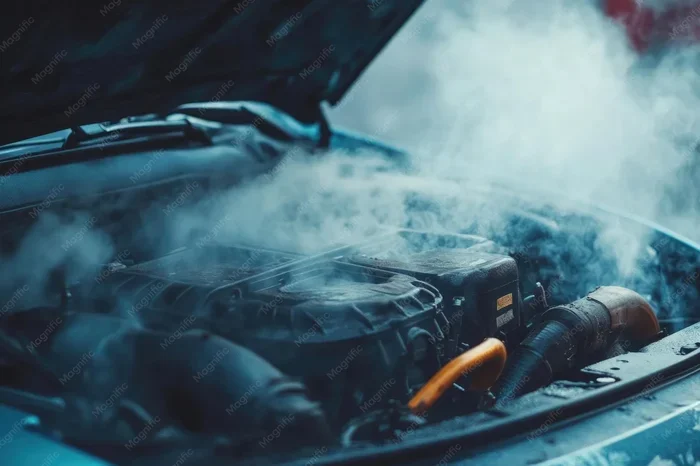
Does Running the Heater Help Cool the Engine Quickly
Yes, running the heater can cool a overheating engine by pulling heat from the coolant into the cabin. The heater core acts like a mini radiator, dumping excess warmth. It’s a quick, free trick that buys you time to pull over safely.
You’re stuck in a traffic jam on a sweltering summer day. The temperature gauge on your dashboard starts creeping up. You wonder, does running the heater help cool the engine quickly? The short answer is yes. This simple trick uses your car’s heater core to pull excess heat away from the engine. It’s a free, instant fix that many drivers overlook.
Your engine runs hot, but it needs to stay within a narrow temperature range. When the cooling system fails or gets overwhelmed, the engine can overheat. Overheating can cause serious damage like a blown head gasket or warped cylinder head. Knowing how to use the heater as an emergency cooling tool can save you from a costly repair. Let’s walk through exactly how this works, when to use it, and what to avoid.
The idea of blasting the heater when the engine is hot might feel backwards. You’re already sweating, and the cabin gets even hotter. But that discomfort is the price of protecting your engine. The heater core acts as a small radiator. It takes heat from the coolant and moves it into the air that blows onto your feet and face. This process lowers the coolant temperature, which in turn cools the engine. It’s a clever design that doubles as a built-in emergency tool.
Key Takeaways
- Running the heater can pull heat from the engine: The heater core works as a secondary radiator, helping to lower coolant temperature.
- It works best in emergencies: Turn it on full blast when the temperature gauge climbs into the red zone.
- Do not turn off the AC: The air conditioning compressor adds load to the engine, making it hotter, so keep it off.
- Check coolant levels first: Low coolant is the most common cause of overheating, and the heater trick won’t fix a leak.
- Know when to stop: If the engine still overheats after a few minutes, pull over safely and let it cool.
- Regular maintenance prevents overheating: Flush the coolant, inspect hoses, and replace the thermostat to avoid future issues.
📑 Table of Contents
- How Your Car’s Cooling System Works
- Can You Use the Heater to Cool an Overheating Engine?
- Step-by-Step: How to Use the Heater for Emergency Cooling
- Does Running the Heater Help Cool the Engine Quickly?
- Common Mistakes to Avoid When Your Engine Overheats
- When the Heater Isn’t Enough: Signs of Serious Trouble
- Conclusion
How Your Car’s Cooling System Works
Before you use the heater trick, it helps to understand the basic engine cooling system. Your car relies on a continuous loop of coolant to manage heat. The coolant absorbs heat from the engine block, flows through hoses to the radiator, and releases that heat into the air. A water pump keeps the coolant moving. A thermostat opens and closes to regulate the flow based on temperature. When everything works perfectly, the engine stays in the sweet spot.
The Role of Coolant and the Radiator
Coolant, also called antifreeze, is the lifeblood of the system. It circulates through engine passages and absorbs heat. The radiator then acts as a heat exchanger. Air flows through the radiator fins, and the heat escapes. The coolant returns to the engine cooler and ready to absorb more heat. If the radiator is clogged or the coolant level is low, the system can’t do its job. That’s when the temperature gauge starts to rise.
Water Pump, Hoses, and the Thermostat
The water pump pushes coolant through the system. It’s driven by the engine, so it only works when the engine is running. Rubber hoses carry the coolant between the engine, radiator, and heater core. The thermostat is a valve that opens once the engine reaches operating temperature. If the thermostat gets stuck closed, coolant can’t reach the radiator. The engine overheats fast. A stuck-open thermostat can also cause problems by letting the engine run too cool. Both scenarios can lead to overheating in traffic or on hot days.
Can You Use the Heater to Cool an Overheating Engine?
The heater core is basically a small radiator tucked inside your dashboard. Hot coolant flows through it, and a fan blows air across it into the cabin. When you turn the heater on, you’re opening a pathway for heat to escape the coolant. This is exactly the same principle as the radiator, just inside the car. So yes, running the heater helps cool the engine by adding another route for heat to leave the system.
The Heater Core as a Mini Radiator
Think of the heater core as a secondary radiator. It’s smaller, but it works the same way. When the engine is overheating, the coolant is very hot. By turning the heater to full blast, you force the heater core to absorb that heat and release it into the cabin. The fan then pushes that hot air out the vents. This removes a significant amount of thermal energy from the coolant loop. The coolant returns to the engine a bit cooler, giving the main radiator a better chance to do its job.
When This Trick Works Best
This method shines in specific situations. You’re crawling along in stop-and-go traffic where there’s no airflow through the radiator. You’re stuck on a hot highway with the AC off. You’re on a mountain road with a climbing engine temperature. In these scenarios, the radiator alone can’t move enough heat. The heater core picks up the slack. It’s a temporary fix, but it can prevent the engine from reaching critical temperatures. It’s not a permanent solution, but it buys you time to find a safe place to stop.
| Situation | Heater Effectiveness | Why It Helps |
|---|---|---|
| Stop-and-go traffic | High | No airflow to the main radiator; heater core adds extra cooling. |
| Hot weather, highway driving | Medium | Some airflow exists, but heater core still dumps extra heat. |
| Low coolant level | Low | Not enough coolant to circulate; heater core can’t absorb much heat. |
| Thermostat stuck closed | None | Coolant can’t reach the heater core or radiator; engine will overheat regardless. |
Step-by-Step: How to Use the Heater for Emergency Cooling
If you notice the temperature gauge climbing, act fast. Don’t wait for the red light to come on. Follow these steps to use the heater as an emergency cooling tool. This simple process can lower engine temperature in just a few minutes.
What to Do When the Gauge Hits Red
- Pull over safely when possible. Find a parking lot or side street. Don’t stop on a highway shoulder unless it’s the only option.
- Turn off the air conditioning immediately. The AC compressor puts extra load on the engine. It generates more heat. You want the engine to work less, not harder.
- Turn the heater to maximum heat. Push the temperature control all the way to hot. Set the fan speed to the highest setting.
- Crack the windows. This lets the hot air escape and keeps you from breathing in scorching air. It also helps the heater core dump heat faster.
- Let the engine idle for a few minutes. Don’t rev the engine. Idling allows the water pump and fan to circulate coolant without extra strain.
Turn the Heater to Maximum and the Fan to High
Some drivers wonder if they should turn the heater off after a minute. Don’t. Keep it on full blast until the temperature gauge drops back into the normal range. The heater core needs time to absorb heat from the coolant. If you turn it off too soon, you lose that cooling effect. You might notice the cabin gets extremely hot. That’s actually a good sign. It means the heater core is doing its job and pulling heat out of the engine. Stay safe, keep the windows cracked, and wait for the gauge to fall.
Does Running the Heater Help Cool the Engine Quickly?
The big question is speed. Does running the heater help cool the engine quickly enough to save you from a breakdown? In most cases, yes. The heater core can lower coolant temperature by several degrees within a few minutes. The exact speed depends on a few factors. Let’s look at real-world cooling times and what affects them.
Real-World Cooling Times
In heavy traffic, with the heater on full blast, you can often see the temperature gauge drop 10 to 20 degrees Fahrenheit within 3 to 5 minutes. The engine might still be warm, but it moves away from the danger zone. On the highway, with some airflow, the effect can be even faster because the radiator is already getting some air. The heater core adds a second cooling surface. Together, they work better than either one alone.
Factors That Affect How Fast It Works
Several things determine how quickly the heater cools the engine. The first is coolant level. If the coolant is low, there’s not enough fluid to absorb and carry heat. The second is the condition of the radiator. A dirty or clogged radiator can’t release heat efficiently. The third is the outside temperature. On a 100-degree day, the heater has to work harder because the air outside is already hot. The fourth is the engine load. If you’re climbing a hill, the engine generates more heat, and the heater has to work overtime. Finally, a working electric cooling fan or fan clutch makes a big difference. If the fan isn’t engaging, the radiator can’t pull heat from the coolant, and the heater alone may not be enough.
Common Mistakes to Avoid When Your Engine Overheats
When the temperature gauge spikes, panic can set in. Many drivers make mistakes that make things worse. Avoid these common errors to keep your engine safe.
Don’t Turn Off the Air Conditioning
Some people think turning off the AC and opening the windows will cool the car. That’s true for the cabin, but it’s terrible for the engine. The AC compressor is driven by the engine. When you turn it off, the compressor stops putting drag on the engine. That sounds good, but here’s the catch: the AC system also helps cool the condenser, which is in front of the radiator. The condenser helps release heat. Without the AC running, the condenser isn’t doing its job. More importantly, the AC compressor adds load that generates heat. When you turn it off, you remove that load, but you also lose the condenser’s cooling effect. The net result is often a hotter engine. So keep the AC off, but leave the heater on full blast.
Avoid Shutting the Engine Off Immediately
It’s tempting to just shut the engine off and walk away. Don’t do that right away. When the engine is running, the water pump circulates coolant. The radiator fan spins. Shutting the engine off stops all of that. The residual heat has nowhere to go. The temperature can spike even higher in the first minute after shutdown. If you must turn it off, let it idle for a minute or two with the heater on. This allows the coolant to keep circulating and pulling heat away. Then turn the key off and let the car rest. Never open the radiator cap immediately. The system is under high pressure, and boiling coolant can cause severe burns.
When the Heater Isn’t Enough: Signs of Serious Trouble
The heater trick works for temporary overheating caused by traffic, hot weather, or a minor coolant loss. But it can’t fix every problem. If you use the heater and the engine keeps overheating, you have a deeper issue. Know the warning signs so you don’t cause permanent damage.
Warning Signs That Point to Major Repairs
- Steam or smoke from the hood: This means coolant is boiling and leaking. Pull over immediately and call for help.
- Sweet smell inside the cabin: A sweet, syrupy odor often signals a coolant leak. The heater core might be leaking, or a hose could be cracked.
- Coolant puddle under the car: Check the ground after you park. Green, orange, or pink fluid indicates a leak.
- Temperature gauge bounces wildly: A stuck thermostat can cause the gauge to swing from cold to hot rapidly.
- Engine misfires or runs rough: Overheating can cause the engine to run poorly. This might point to a head gasket issue.
Long-Term Fixes to Prevent Overheating
If you find yourself using the heater trick often, it’s time to address the root cause. Start by checking the coolant level. Top it off with the correct type of coolant. Inspect all hoses for cracks or soft spots. A radiator pressure test can reveal tiny leaks you can’t see. Replace the thermostat if it’s old or sticking. Flush the cooling system every two years to remove rust and buildup. Check the radiator fan clutch or electric fan. If the fan isn’t engaging, the engine will overheat in traffic. A head gasket leak can also cause overheating. If you see white smoke from the exhaust or bubbles in the coolant reservoir, get a head gasket test done right away.
Regular maintenance keeps your engine cooling system healthy. Use a 50/50 mix of coolant and distilled water. This mixture raises the boiling point and prevents freezing. Keep the radiator clean of bugs and debris. A clean radiator releases heat much better. Check the water pump for leaks. A failing water pump can’t circulate coolant properly. All these steps reduce the chance of overheating and help the heater core work when you need it most.
Conclusion
So, does running the heater help cool the engine quickly? Absolutely. The heater core is a hidden cooling device that can pull dangerous heat away from your engine in minutes. It’s a simple, free, and effective emergency trick every driver should know. Remember to turn off the AC, set the heater to max, and keep the windows cracked. Watch the temperature gauge drop. But also know the limits of this trick. If the engine keeps overheating, pull over safely and seek professional help. Regular maintenance of your cooling system is the best way to avoid overheating in the first place. Stay cool, stay safe, and keep your engine running strong.
Frequently Asked Questions
Can I drive with the heater on full blast to cool the engine?
Yes, you can drive short distances with the heater on full blast to lower engine temperature. It’s an emergency measure, not a permanent fix. Keep an eye on the temperature gauge and pull over if it doesn’t drop.
Why does the heater work to cool the engine?
The heater core is a small heat exchanger inside the dashboard. It uses hot coolant to warm the cabin. When you turn it on, it pulls heat from the coolant, which lowers the overall coolant temperature and helps the engine cool down.
How long should I run the heater to cool an overheating engine?
Run the heater on full blast for 3 to 5 minutes while the engine idles. You should see the temperature gauge start to drop. If it doesn’t, pull over safely and let the engine cool before checking the coolant level.
Is it bad to use the heater when the engine is overheating?
No, it’s not bad. In fact, it’s one of the best emergency cooling methods. The heater core acts as a secondary radiator and helps dump excess heat. Just make sure you turn off the AC first.
What if the heater doesn’t cool the engine?
If the heater doesn’t help, you likely have a more serious problem. Check the coolant level, look for leaks, and inspect the thermostat and water pump. Stop driving and get the vehicle towed if the temperature gauge stays in the red.
Can I use the heater to cool the engine in winter?
Yes, the same principle applies in winter. If your engine overheats in cold weather, the heater core can still pull heat from the coolant. Winter air helps the radiator too, but the heater trick works year-round.