Do I Need to Reset TPMS After Filling Air in My Tires
Yes, in most cases you do need to reset TPMS after filling air in your tires. The tire pressure monitoring system needs a manual reset to recognize the new pressure levels. Skipping this step can leave your TPMS light on, even when your tires are properly inflated. This guide walks you through every reset method, common mistakes to avoid, and expert tips to keep your sensors working right.
You just topped off your tires at the gas station. You let out a little air, or maybe you added a lot. You hop back in the car, start the engine, and there it is. That little yellow light on your dashboard shaped like a horseshoe with an exclamation mark. Your TPMS light is on. And now you are left wondering, do I need to reset TPMS after filling air?
The short answer is yes, in most cases. But the full answer is a bit more nuanced than that. Whether you need to reset your tire pressure monitoring system depends on your vehicle, how much air you added, and whether there is an actual problem with your tires. This guide will walk you through everything you need to know about resetting TPMS after filling your tires with air.
We will cover exactly why the light comes on, how to reset it using different methods, what to do if the light stays on, and how to avoid common mistakes. By the end, you will feel confident handling this yourself and saving money on unnecessary trips to the shop.
Key Takeaways
- Reset is usually required: Most vehicles need a manual TPMS reset after adding or releasing air.
- Multiple reset methods exist: You can use a button, your dashboard menu, or a scan tool depending on your car.
- Driving resets some systems: Certain vehicles reset TPMS automatically after driving at or above 50 mph for a few minutes.
- Ignoring the light is risky: A persistent TPMS light may signal a real problem, not just a need to reset.
- Battery life matters: TPMS sensors have batteries that last 5 to 10 years and may need replacement.
- Know your vehicle: The reset process varies by make, model, and year.
- When in doubt, consult a pro: A certified mechanic can diagnose persistent TPMS issues quickly and safely.
📑 Table of Contents
- What Is TPMS and Why Does It Matter?
- Do I Need to Reset TPMS After Filling Air? The Definitive Answer
- How to Reset TPMS After Filling Air
- Common Mistakes People Make When Resetting TPMS
- When Should You See a Professional?
- How to Maintain Your TPMS for Long-Term Reliability
- TPMS Reset Methods by Vehicle Brand
- Frequently Asked Questions
- Final Thoughts
What Is TPMS and Why Does It Matter?
Before we dive into the reset process, let’s talk about what the tire pressure monitoring system actually does. TPMS is a safety feature in modern vehicles. It keeps an eye on the air pressure inside your tires and alerts you when pressure drops below a safe level.
There are two types of TPMS systems. Direct TPMS uses a small sensor inside each tire. These sensors sit on the valve stem or are mounted inside the tire. They measure the actual pressure and send data wirelessly to your car’s computer. Indirect TPMS does not use physical sensors. Instead, it relies on your vehicle’s anti-lock brake system to detect differences in wheel rotation speed. A tire with low pressure has a smaller rolling radius, which changes how fast the wheel spins.
Either way, the system exists to protect you. Underinflated tires are dangerous. They reduce fuel efficiency, cause uneven tire wear, and increase the risk of blowouts. The TPMS warning light is your first line of defense against these problems.
Why Does the TPMS Light Come On After Filling Air?
Here is something many drivers do not expect. Sometimes, simply adding air to your tires triggers the TPMS light. This happens because the system needs to recalibrate. When you change the pressure in any tire, the sensors detect the shift. But the car’s computer may not recognize the new pressure as “normal” until it has been reset.
Another common reason is a temperature change. Cold weather causes air inside tires to contract. This drops the pressure and can trigger the light even if you did not lose any air. Filling your tires in cold weather and then driving into warmth can create pressure fluctuations that confuse the system.
Sometimes the light comes on because the tire pressure sensor itself needs time to relearn the new pressure values. This is especially common with direct TPMS systems. The sensors need to communicate with the car’s computer and establish a new baseline. Resetting the system tells the computer, “Hey, these new pressure levels are the correct ones now.”
Do I Need to Reset TPMS After Filling Air? The Definitive Answer
The answer to this question is almost always yes. After you fill your tires to the recommended tire pressure, you should reset the TPMS. This ensures the system recognizes the correct pressure levels and stops flashing that annoying warning light.
However, there are exceptions. Some newer vehicles have an automatic TPMS reset feature. These cars recalibrate themselves after you drive for a certain distance at highway speed. If you own one of these vehicles, you may not need to do anything manually. But it is still a good idea to check your owner’s manual to confirm.
Here is a quick breakdown of when you need to reset:
- After adding air: Yes, you should reset. The system needs to learn the new pressure levels.
- After releasing air: Yes, definitely. The system will detect the change and need recalibration.
- After rotating tires: Sometimes. Some vehicles need a reset because the sensors have moved to different positions.
- After replacing a sensor: Yes, always. A new sensor must be programmed and registered to the system.
- After a battery change: If you replaced the TPMS sensor battery, a reset is required.
The bottom line is simple. Whenever you manually change your tire air pressure, take the extra two minutes to reset the system. It saves you from driving around with a distracting warning light and potential safety concerns.
How to Reset TPMS After Filling Air
Now let us get to the part you probably came here for. How exactly do you reset the TPMS after filling air? The process varies depending on your vehicle, but there are several common methods. Let us walk through each one.
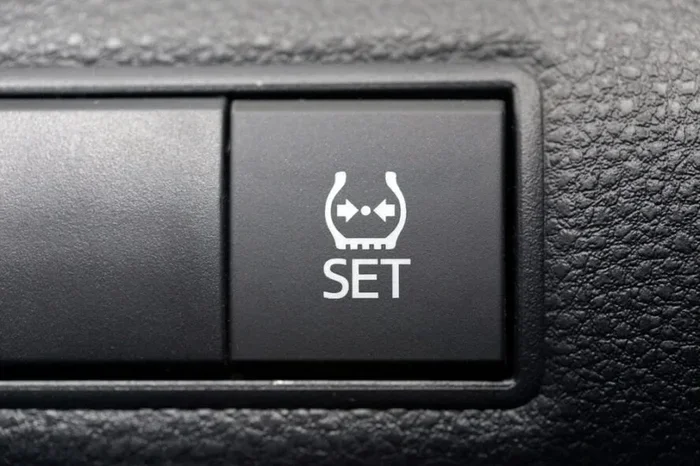
Method 1: Using the TPMS Reset Button
Most vehicles have a dedicated TPMS reset button. This is the easiest and most common method. Here is how to find and use it.
- Locate the reset button. It is usually found beneath the steering wheel on the left side of the dashboard. Some vehicles place it in the glove box or near the center console.
- Turn the ignition to the “on” position. Do not start the engine. Just turn the key or press the start button so the dashboard lights come on.
- Press and hold the reset button until the TPMS warning light blinks three times.
- Release the button.
- Start the engine and let the car idle for about 20 minutes. The system will recalibrate during this time.
Quick Tip: If you cannot find the reset button, check your owner’s manual. The location varies widely between car brands and models. Some manufacturers hide it in unexpected places to keep the dashboard looking clean.
Method 2: Using the Dashboard Menu
Many modern vehicles with digital displays allow you to reset TPMS through the infotainment system. This method is common in newer cars from brands like Ford, Chevrolet, Toyota, and Honda.
- Press the menu button on your dashboard or steering wheel controls.
- Navigate to the vehicle settings or vehicle information section.
- Look for a “TPMS” or “Tire Pressure” option.
- Select “Reset TPMS” or “Calibrate Tire Pressure.”
- Confirm the reset and drive the vehicle for a few miles.
This method works well for cars with advanced digital cabins. If you are unsure about the menu path, the owner’s manual will have step-by-step instructions specific to your vehicle.
Method 3: Driving to Reset
Some vehicles reset the TPMS automatically through driving. This is the simplest method because it requires no buttons or menus at all.
To use this method, drive your vehicle at or above 50 miles per hour for 10 to 15 minutes. The system should detect the stable pressure and recalibrate on its own. Once you slow down and stop, check if the TPMS light has turned off.
Quick Tip: This method works best when the tires are at the correct pressure. If your tires were significantly underinflated, drive carefully until you can fill them properly first.
Method 4: Using a TPMS Scan Tool
For vehicles that do not respond to the above methods, a TPMS scan tool can do the job. These tools connect to your car’s OBD-II port, which is usually located under the dashboard on the driver’s side.
A scan tool reads and clears TPMS error codes. It can also activate individual sensors to check their battery life and signal strength. This method is especially useful for older vehicles or models with stubborn TPMS systems.
You can buy a basic scan tool for under $50 at most auto parts stores. However, if you are not comfortable using one, any mechanic or tire shop can do this for you quickly and affordably.
Common Mistakes People Make When Resetting TPMS
Resetting TPMS seems simple enough, but many people make mistakes that cause problems. Here are the most common errors and how to avoid them.
Resetting Without Checking the Actual Pressure
The biggest mistake is hitting the reset button without first checking whether your tires actually have the right pressure. If a tire is slowly leaking air, resetting the system just masks the problem. The light will come back on, and you will have wasted your time.
Always use a tire pressure gauge to check each tire before resetting. The recommended pressure for your vehicle is listed on a sticker inside the driver’s door frame. Do not rely on the number printed on the tire sidewall. That number is the maximum pressure the tire can handle, not the recommended pressure for your specific vehicle.
Not Driving Long Enough After Reset
After you reset the system, you need to give it time to relearn the pressure values. Many people reset the TPMS and immediately turn off the car. The system does not have enough time to complete the calibration process.
Drive your vehicle for at least 10 to 15 minutes after resetting. Ideally, include some highway driving at steady speeds. This gives the sensors time to communicate with the car’s computer and establish the new baseline.
Ignoring a Persistent TPMS Light
If you reset the TPMS and the light comes back on within a day or two, something is wrong. Do not just keep resetting it and ignoring the problem. A persistent TPMS warning light usually indicates one of the following issues:
- A slow leak in one or more tires
- A damaged tire pressure sensor
- A dead TPMS sensor battery
- A problem with the TPMS module itself
- Temperature changes causing pressure fluctuations
Have a professional inspect your tires and sensors if the light keeps coming back. Ignoring it can lead to safety risks and costly repairs down the road.
Using the Wrong Tire Pressure
Every vehicle has a specific recommended tire pressure based on its weight, design, and intended use. Overinflating your tires is just as dangerous as underinflating them. Overinflated tires have a smaller contact patch with the road, which reduces traction and causes a harsh ride.
Always fill your tires to the pressure listed on the door jamb sticker or in the owner’s manual. If you are unsure, most tire shops will check and set the pressure for free.
When Should You See a Professional?
There is no shame in calling a mechanic for help with your TPMS. In fact, knowing when to seek professional assistance can save you time, money, and frustration. Here are the situations where you should definitely see a pro.
First, if the TPMS light stays on after you have properly inflated your tires and performed a reset, something deeper is going on. A technician can run diagnostic tests to identify the exact cause. They can check each sensor’s battery life, signal strength, and overall health.
Second, if your TPMS light flashes for 60 to 90 seconds and then stays solid, this usually indicates a malfunction in the system itself. It is not a pressure issue. It is a hardware or software problem that requires professional diagnosis.
Third, if you are replacing tires or rotating them and need the sensors reprogrammed, a professional has the right tools for the job. Many tire pressure sensor models require specialized equipment to register with the vehicle’s computer.
Finally, if your vehicle is older and the TPMS sensors are nearing the end of their lifespan, a mechanic can replace them proactively. Most TPMS sensor batteries last between 5 and 10 years. If your car is getting up there in age, it is worth having the sensors checked before they fail unexpectedly.
How to Maintain Your TPMS for Long-Term Reliability
Your tire pressure monitoring system works hard to keep you safe. Like any other component of your vehicle, it benefits from regular care and attention. Here are some simple steps to keep your TPMS functioning properly for years to come.
- Check tire pressure monthly: Make it a habit to check all four tires plus the spare at least once a month. Use a quality tire pressure gauge and compare readings to the recommended levels.
- Replace sensor batteries on schedule: TPMS sensor batteries typically last 5 to 10 years. If your vehicle is older, ask your mechanic to check battery levels during routine maintenance.
- Keep valve stems in good condition: The valve stem is the entry point for air and the mounting point for the sensor. Damaged or corroded stems can cause air leaks and sensor malfunctions.
- Reset after every pressure change: Whether you add or release air, always reset the system afterward. This keeps the TPMS sensor calibrated and prevents false warnings.
- Drive regularly: TPMS sensors need the vehicle to be in motion to transmit data. If a car sits unused for extended periods, the sensors may not function properly when you start driving again.
TPMS Reset Methods by Vehicle Brand
Different car manufacturers use different TPMS reset procedures. Here is a quick look at how some popular brands handle the reset process.
- Toyota: Most Toyota models have a reset button located below the steering wheel. Press and hold it until the TPMS light blinks three times.
- Honda: Honda vehicles typically use a reset button on the left side of the dashboard. Some models allow you to reset through the steering wheel controls.
- Ford: Ford vehicles often have a reset button on the left side of the dashboard or within the vehicle information display menu.
- Chevrolet: Many Chevy models allow you to reset TPMS through the infotainment system under vehicle settings.
- BMW: BMW vehicles usually require a reset through the iDrive system or by pressing a button near the gear shifter.
- Ford F-150: The F-150 has a reset button located under the left side of the dashboard. Hold it until the light blinks.
Quick Tip: When in doubt, search for your specific vehicle model and year along with “TPMS reset procedure.” You will find detailed instructions tailored to your exact car.
Frequently Asked Questions
Can I drive with the TPMS light on after filling my tires?
You can drive with the light on, but you should not ignore it. The light means the system has detected a pressure issue or needs recalibration. Check your tire pressure first. If the pressure is correct, reset the system. If the light persists, have a professional inspect your tires and sensors before driving long distances.
How long does it take for TPMS to reset after filling air?
Most TPMS resets take just a few minutes. After pressing the reset button or using the dashboard menu, drive the vehicle for 10 to 15 minutes at highway speeds. The system needs this time to recalibrate and recognize the new pressure levels as normal.
Why does my TPMS light come on even when my tires are fine?
Several factors can cause a false TPMS warning. Temperature drops cause air inside tires to contract, lowering pressure. A weak sensor battery can send inaccurate readings. Sometimes the system simply needs a reset after a recent pressure change. If the light stays on consistently, have the sensors and system checked by a professional.
How much does it cost to reset TPMS at a shop?
Many tire shops and dealerships will reset TPMS for free or for a small fee, usually between $10 and $30. If you need a new sensor or battery replacement, the cost is higher, typically ranging from $50 to $100 per sensor. Using a basic OBD-II scan tool at home can save you money if you are comfortable with the process.
Do I need special tools to reset TPMS?
For most vehicles, you do not need any special tools. A simple TPMS reset button or the dashboard menu handles the job. However, if your vehicle requires a scan tool or if sensors need replacement, a basic OBD-II scanner or professional diagnostic equipment is necessary. These tools are widely available at auto parts stores.
Can cold weather trigger the TPMS light even after I reset it?
Yes, cold weather is a very common trigger for the TPMS light. When temperatures drop, the air inside your tires contracts and pressure decreases. This can happen even if your tires were perfectly inflated the day before. If the light comes on during cold weather, check your pressure and add air if needed. Then reset the system. The light should stay off once the pressure returns to the recommended level.
Final Thoughts
So, do I need to reset TPMS after filling air? The answer is a clear yes in the vast majority of cases. Taking two minutes to reset your tire pressure monitoring system after adding or releasing air keeps your dashboard clear and your tires performing at their best.
Whether you use the reset button, the dashboard menu, a scan tool, or simply drive at highway speeds, the key is to do it consistently. Make TPMS reset a normal part of your tire maintenance routine, right along with checking pressure and inspecting tread depth.
Remember that the TPMS light is there to protect you. It warns you about dangerous pressure levels that can affect your handling, fuel economy, and tire life. When the light comes on, do not panic. Check your pressure, reset the system, and drive confidently knowing your tires are in good shape.
Keep your tires properly inflated, your sensors in good working order, and your reset procedure fresh in your mind. A little attention to your tire pressure monitoring system goes a long way toward safer, smoother, and more efficient driving. Your tires are the only part of your car that touches the road. Treat them well, and they will take care of you.