Can a Bad Catalytic Converter Cause a Car to Overheat
Yes, a bad catalytic converter can absolutely cause your car to overheat. When the converter becomes clogged or damaged, it creates exhaust backpressure that traps heat inside the engine. This buildup forces the engine to work harder, raising the engine temperature beyond safe limits. Understanding the link between a bad catalytic converter and engine overheating can save you from costly repairs and dangerous breakdowns.
Yes, a bad catalytic converter can cause your car to overheat, and it is a problem more common than most drivers realize. The catalytic converter is a vital part of your vehicle’s exhaust system. When it starts to fail, it can create a chain reaction of issues that affect engine performance, fuel economy, and overall safety. Understanding this connection helps you catch problems early and avoid expensive repairs.
Many people overlook the catalytic converter when thinking about engine health. They focus on the radiator, coolant levels, and the water pump. But the exhaust system plays an equally important role in regulating engine temperature. A clogged or damaged converter traps hot exhaust gases, causing heat to build up inside the engine block. This can lead to serious overheating if left unchecked.
In this article, we will explore the relationship between a bad catalytic converter and car overheating. You will learn how the converter works, what causes it to fail, and the warning signs you should never ignore. We will also cover diagnosis tips, driving risks, and prevention strategies to keep your vehicle running smoothly for years to come.
Key Takeaways
- A clogged catalytic converter restricts exhaust flow, leading to heat buildup and engine overheating.
- Common symptoms include reduced engine performance, a rotten egg smell, and a glowing check engine light.
- Driving with a bad catalytic converter can cause further damage to your engine and emission system.
- Regular vehicle maintenance helps prevent catalytic converter failure and keeps your car running cool.
- Replacement cost varies, but early detection can save you from expensive repairs down the road.
- Simple home checks can help you identify converter problems before they become serious.
📑 Table of Contents
- What Does a Catalytic Converter Do?
- How a Bad Catalytic Converter Can Cause Overheating
- Warning Signs That Your Catalytic Converter Is Failing
- Diagnosing a Bad Catalytic Converter
- Can You Still Drive With a Bad Catalytic Converter?
- Prevention Tips to Keep Your Catalytic Converter Healthy
- How Much Does Catalytic Converter Replacement Cost?
- Conclusion
What Does a Catalytic Converter Do?
The catalytic converter is a small but mighty component located in your vehicle’s exhaust system. Its main job is to reduce harmful emissions before they exit the tailpipe. It converts toxic gases like carbon monoxide, nitrogen oxides, and hydrocarbons into less harmful substances such as carbon dioxide and water vapor. Without a working converter, your vehicle would pollute the air far more than it already does.
The converter sits between the exhaust manifold and the muffler. Exhaust gases flow through it on their way out of the vehicle. Inside the converter, a honeycomb structure coated with precious metals like platinum and palladium triggers chemical reactions. These reactions neutralize harmful pollutants and make the exhaust safer for the environment.
How the Exhaust System Works
Your engine burns fuel to create power. This combustion process produces exhaust gases that need to be safely expelled from the vehicle. The exhaust manifold collects these gases and channels them through the catalytic converter. Inside the converter, a chemical reaction takes place on the honeycomb structure. This reaction breaks down harmful pollutants into safer compounds.
Once the gases pass through the converter, they move through the rest of the exhaust system. They travel through the muffler, which reduces noise, and finally exit through the tailpipe. When every part of this system works correctly, your engine runs efficiently and your vehicle meets emission standards. The exhaust system also helps maintain the right backpressure for optimal engine performance.
A healthy exhaust system allows gases to flow freely. This free flow keeps the engine running at the right temperature. It also ensures that the catalytic converter can do its job without being overworked. When any part of this system fails, the effects ripple through the entire vehicle.
How a Bad Catalytic Converter Can Cause Overheating
Now let us get to the core question. Can a bad catalytic converter cause a car to overheat? The short answer is yes. Here is exactly how and why this happens.
Exhaust Backpressure and Engine Heat
When a catalytic converter becomes clogged or damaged, it creates something called exhaust backpressure. This means the hot gases produced by your engine cannot flow out freely. Instead, they get trapped in the exhaust system. As these gases build up, they radiate heat back toward the engine.
Think of it like a blocked drain in your kitchen sink. Water backs up because it has nowhere to go. The same thing happens with exhaust gases. They cannot escape, so they stay close to the engine. This trapped heat raises the overall engine temperature. Over time, this can push your engine into the overheating zone.
The exhaust backpressure also forces the engine to work harder. It has to push against the blockage just to expel gases. This extra effort generates additional heat. The cooling system was designed to handle a certain level of heat, but a blocked converter pushes that limit beyond what it can manage.
The Clog Effect on Engine Temperature
A clogged catalytic converter acts like a bottleneck in your exhaust system. The engine has to work harder to push exhaust gases through the restriction. This extra effort generates additional heat. Your cooling system was designed to handle a certain level of heat, but a blocked converter pushes that limit.
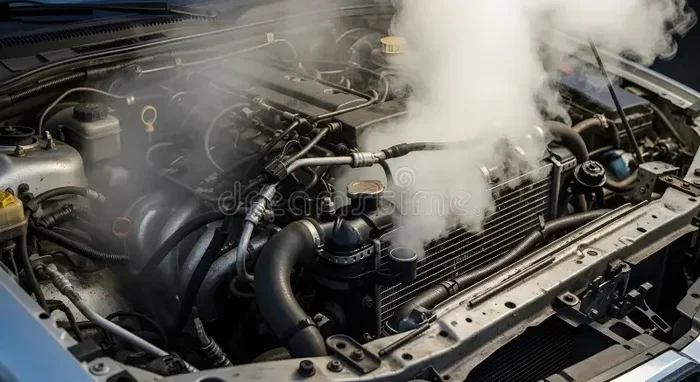
As the engine temperature rises, the thermostat may kick in to try to regulate things. It opens and closes to control coolant flow. But if the clog is severe, the cooling system simply cannot keep up. The temperature gauge on your dashboard will start climbing. If you ignore it, you risk serious engine damage.
The heat buildup affects more than just the engine block. It can warp metal components, degrade seals, and damage sensitive electronics. The longer you drive with a clogged converter, the worse the damage becomes. What starts as a minor inconvenience can quickly turn into a major repair bill.
Quick Tip: If you notice your temperature gauge rising on hot days or during heavy traffic, pull over safely and let the engine cool down. Continuing to drive with an overheating engine can cause warped heads, blown head gaskets, or even a cracked engine block. Always address rising temperatures immediately.
Restricted Exhaust Flow and Engine Strain
A failing catalytic converter does not just block exhaust flow. It also puts extra strain on the engine itself. The engine has to use more energy to push gases through a restricted converter. This means the engine runs hotter during normal operation. The extra strain affects every system connected to engine performance.
Over time, this constant extra workload wears down engine components. It can cause premature wear on pistons, rings, and bearings. The combination of heat and strain creates a perfect storm for engine damage. Your vehicle was designed to operate within specific temperature ranges, and a clogged converter pushes it far beyond those limits.
Many drivers do not realize that the exhaust system and the cooling system are deeply connected. They treat them as separate systems, but they work together to keep the engine healthy. When one fails, the other suffers. This interconnection is why a bad catalytic converter can lead to overheating so quickly.
Warning Signs That Your Catalytic Converter Is Failing
Catching a bad catalytic converter early can save you from overheating and costly repairs. Here are the most common warning signs to watch for.
Reduced Engine Performance
A failing catalytic converter often leads to a noticeable drop in engine performance. You might feel sluggish acceleration or a lack of power when pressing the gas pedal. This happens because the engine cannot breathe properly when exhaust gases are trapped. The restricted flow chokes the engine and prevents it from performing at its best.
You may also notice your vehicle struggling on inclines or when carrying heavy loads. The engine simply does not have the exhaust flow it needs to perform under pressure. This reduced performance is one of the earliest signs that something is wrong with the converter. Many drivers mistake this for a fuel or spark plug issue, but the converter is often the real culprit.
Engine misfires can also accompany converter failure. When the converter is clogged, it disrupts the smooth flow of exhaust gases. This can cause the engine to run rough or stall unexpectedly. If you experience frequent misfires along with other symptoms on this list, have your converter inspected right away.
Smells and Sounds to Watch For
Your nose can be a powerful diagnostic tool. A failing catalytic converter often produces a strong rotten egg smell. This odor comes from sulfur in the fuel that the converter can no longer process properly. A healthy converter converts sulfur compounds into odorless substances. A failing one cannot do this, so the smell escapes through the exhaust.
You might also hear rattling noises coming from underneath the vehicle. This can happen when the internal honeycomb structure of the converter breaks apart. These broken pieces rattle around inside the housing, especially when you idle or drive over bumps. A rattling sound from the exhaust area is never a good sign and should be investigated promptly.
Some drivers also notice a hissing sound coming from the exhaust system. This can indicate a crack in the converter housing or a severe internal blockage. Any unusual sound from the exhaust area warrants immediate attention. Ignoring these sounds can lead to complete converter failure and engine overheating.
Check Engine Light and Error Codes
The check engine light is one of the most reliable indicators of converter problems. When the catalytic converter is not working correctly, it triggers specific error codes. Common codes include P0420 and P0430, which indicate catalyst system efficiency below threshold. These codes tell your vehicle’s computer that the converter is not doing its job properly.
Do not ignore the check engine light. Many people make the mistake of hoping it will go away on its own. In the case of a failing catalytic converter, it will only get worse. Have a mechanic read the error codes as soon as possible. The longer you wait, the more damage the converter can cause to the rest of the engine.
Expert Insight: Many auto parts stores will read your error codes for free. If you see a P0420 or P0430 code, have your catalytic converter inspected right away. Early intervention can prevent overheating and more extensive damage. Do not wait for the problem to become severe before taking action.
Increased Fuel Consumption
Another telltale sign of a bad catalytic converter is a drop in fuel efficiency. When exhaust gases cannot flow freely, the engine runs rich. This means it burns more fuel than necessary to compensate for the restricted exhaust flow. You might find yourself visiting the gas station more often than usual.
Keep track of your fuel economy over time. If you notice a sudden drop in miles per gallon, it could be a sign of converter trouble. Combined with other symptoms on this list, it strongly points to a failing catalytic converter. Poor fuel economy is one of those issues that many drivers brush off, but it can be an important early warning sign.
Running rich also means unburned fuel enters the exhaust system. This raw fuel can overheat the converter from the inside. It damages the internal catalyst material and accelerates converter failure. This creates a vicious cycle where the converter gets worse over time, leading to more overheating and more fuel waste.
Diagnosing a Bad Catalytic Converter
If you suspect your catalytic converter is causing overheating or other issues, it is important to get a proper diagnosis. Here are the methods mechanics use to identify converter problems accurately.
Professional Diagnostic Methods
Mechanics have several tools at their disposal to diagnose a bad catalytic converter. The most common method is using an OBD-II scanner to read error codes from your vehicle’s computer. This gives a clear picture of what is happening with the emission system. Codes like P0420 and P0430 are strong indicators of converter issues.
They may also perform an exhaust backpressure test. This measures the pressure building up in the exhaust system. High backpressure readings often indicate a clogged converter. A mechanic will attach a gauge to the oxygen sensor port and measure the pressure at different RPM levels. Normal readings should stay below a certain threshold, and anything significantly higher points to a blockage.
Another diagnostic method involves checking the temperature of the converter using an infrared thermometer. A healthy converter should be hotter at the outlet than at the inlet. If both ends are the same temperature or the inlet is hotter, it means the converter is not functioning properly. This temperature differential test is quick and very effective at identifying converter problems.
Quick Home Checks You Can Try
There are a few simple checks you can do at home before visiting a mechanic. Start by listening for rattling noises underneath the car. Place your hand near the exhaust tip and feel for strong smells of sulfur or rotten eggs. These are two of the most obvious signs of converter trouble.
You can also check the temperature of the exhaust pipe before and after the converter. Use an infrared thermometer if you have one. A significant temperature difference between the inlet and outlet can indicate a blockage. However, these home checks are not a substitute for professional diagnosis. They can help you decide whether it is time to see a mechanic.
Common Mistake: Many drivers assume a check engine light always means a sensor problem. While sensors can fail, the light is often pointing to a real issue with the catalytic converter. Always get the codes read by a professional to rule out converter failure. Assuming it is just a sensor can lead to months of driving with a damaged converter.
Can You Still Drive With a Bad Catalytic Converter?
This is a question many drivers ask when they first notice symptoms. The answer depends on the severity of the problem and how long you plan to keep driving.
Short-Term vs Long-Term Risks
In the short term, you can usually still drive with a partially clogged catalytic converter. However, each trip you take puts more stress on your engine. The trapped heat builds up with every drive. The longer you drive with a bad converter, the more damage accumulates under the hood.
Over the long term, driving with a failing converter is risky. The trapped heat can cause your engine to overheat repeatedly. This leads to warping of engine components, blown head gaskets, and potentially catastrophic engine failure. The cost of replacing a converter is far less than replacing an entire engine. Ignoring the problem is never a smart financial decision.
There is also the environmental impact to consider. A bad converter means your vehicle is releasing more harmful pollutants into the air. This not only affects air quality but can also cause your vehicle to fail emission testing. In many states, a failed emission test means you cannot legally register your vehicle until the problem is fixed.
Safety is another concern. In rare cases, a severely clogged converter can cause exhaust gases to back up into the cabin. These gases contain carbon monoxide, which is odorless and extremely dangerous. If you ever feel dizzy or nauseous while driving, pull over immediately and get fresh air. This could be a sign of exhaust leaks or severe converter blockage.
| Aspect | Short-Term Driving | Long-Term Driving |
|---|---|---|
| Engine Risk | Low to moderate | High risk of overheating |
| Fuel Economy | Slightly reduced | Significantly reduced |
| Emission Impact | Moderate increase | Severe increase in pollutants |
| Repair Cost | Converter replacement | Converter plus potential engine damage |
| Safety Risk | Low | Risk of breakdown or carbon monoxide exposure |
As you can see from the table, the risks escalate quickly when you ignore converter problems. It is always better to address the issue sooner rather than later. A simple diagnostic visit can save you from a world of trouble down the road.
Prevention Tips to Keep Your Catalytic Converter Healthy
Prevention is always better than cure, and this is especially true for your catalytic converter. Here are some practical steps to keep your converter working properly and prevent overheating issues before they start.
Regular Maintenance Habits
The best way to protect your catalytic converter is through regular vehicle maintenance. Keep up with your scheduled oil changes and use the recommended oil grade. Dirty or low-quality oil can create carbon deposits that eventually reach the converter and cause clogging. Clean oil helps all engine components run smoothly, including the exhaust system.
Also, make sure your engine is running properly at all times. An engine that misfires or runs rich will send unburned fuel into the exhaust system. This raw fuel can overheat the converter from the inside and damage the internal catalyst material. Fixing engine misfires promptly is one of the best ways to protect your converter and prevent overheating issues.
Use high-quality fuel from reputable gas stations. Cheap fuel often contains higher levels of sulfur and other contaminants. These impurities put extra stress on the catalytic converter over time. A little extra spending at the pump can save you from a very expensive replacement. Think of quality fuel as an investment in the longevity of your exhaust system.
Regular coolant flushes and thermostat checks also help keep your engine temperature in check. A properly functioning cooling system works hand in hand with the exhaust system to maintain safe operating temperatures. Do not neglect your coolant levels or hose conditions. These small maintenance tasks add up to big protection over time.
When to Seek Professional Help
Do not wait until your car is overheating to seek help. If you notice any of the warning signs we discussed, schedule a diagnostic appointment right away. Early detection of converter problems can prevent overheating and save you hundreds or even thousands of dollars in repairs. The earlier you catch the issue, the simpler and cheaper the fix will be.
A good mechanic will check the entire exhaust system during routine inspections. They can spot early signs of converter degradation before it becomes a serious problem. Make exhaust system checks a regular part of your vehicle maintenance routine. Many mechanics recommend an exhaust inspection at least once a year or every 15,000 miles.
Quick Tip: Ask your mechanic to inspect the catalytic converter during every oil change or tire rotation. Catching small issues early is the key to avoiding major repairs and engine overheating. It takes just a few extra minutes and can save you from a roadside breakdown.
Also, pay attention to any changes in how your vehicle sounds or feels. You know your car better than anyone. If something feels off, trust your instincts and get it checked out. Drivers who stay alert to subtle changes almost always catch problems before they become expensive repairs.
How Much Does Catalytic Converter Replacement Cost?
Understanding the catalytic converter replacement cost helps you make informed decisions about when to repair or replace a bad converter. The cost varies widely depending on your vehicle make and model, the type of converter needed, and local labor rates.
For most passenger cars, the converter itself can cost anywhere from $500 to $2,500. Labor charges typically add another $100 to $300 to the total. However, some luxury vehicles or trucks have converters that cost significantly more. In some cases, the total replacement cost can exceed $3,000. This is why early detection and prevention are so important.
The good news is that addressing converter problems early can sometimes save you from a full replacement. If the clog is minor, a catalytic converter cleaner or a professional exhaust system cleaning might resolve the issue. These options are much cheaper and can extend the life of your converter significantly. Some specialized fuel additives can also help clean minor deposits from the converter.
Keep in mind that driving with a bad converter for too long can lead to engine damage. Repairing a damaged engine costs far more than replacing a converter. This is why timely action is so important. A few hundred dollars spent on converter repair today can save you thousands on engine repairs tomorrow.
If your vehicle is older and the converter is failing, consider whether replacement makes financial sense. In some cases, it may be more cost-effective to sell or retire the vehicle. Always get multiple quotes from reputable mechanics before committing to a replacement. Understanding your options gives you the power to make the best decision for your situation and your budget.
Conclusion
So, can a bad catalytic converter cause a car to overheat? The answer is a clear yes. A clogged or damaged converter creates exhaust backpressure that traps heat in the engine. This leads to rising engine temperatures, reduced performance, and potentially severe engine damage if left untreated. The connection between the exhaust system and engine temperature is stronger than many drivers realize.
By understanding the warning signs and taking prompt action, you can protect your vehicle from the serious consequences of converter failure. Pay attention to your check engine light, watch for changes in engine performance, and never ignore unusual smells or sounds coming from under your car. These small signs often point to big problems that are easy to fix when caught early.
Regular vehicle maintenance is your best defense against catalytic converter problems. Keep up with oil changes, use quality fuel, and address engine issues as soon as they arise. Your catalytic converter plays a vital role in keeping your car running clean and cool. Give it the attention it deserves, and your vehicle will thank you for years to come.
Take action today if you suspect your converter is failing. A simple diagnostic check can give you peace of mind and save you from the nightmare of an overheating engine on the side of the road. Stay proactive, stay informed, and keep your car running at its best. Your wallet and your engine will both thank you for it.
Frequently Asked Questions
What are the first signs of a bad catalytic converter?
The first signs usually include reduced engine performance, a rotten egg smell from the exhaust, and a glowing check engine light. You may also notice rattling noises underneath the vehicle or a drop in fuel efficiency. These symptoms often appear gradually, so pay close attention to any changes in how your car drives or sounds.
Can a clogged catalytic converter cause engine damage?
Yes, a clogged catalytic converter can cause serious engine damage over time. The trapped heat and exhaust backpressure force the engine to work harder, leading to overheating. Prolonged driving with a clogged converter can warp engine components, blow head gaskets, and damage pistons and bearings. This is why early detection and repair are so important.
How much does it cost to replace a catalytic converter?
The catalytic converter replacement cost typically ranges from $500 to $2,500 for the part alone, plus $100 to $300 in labor. However, costs can be much higher for luxury vehicles or trucks. Getting multiple quotes from trusted mechanics helps you find the best price. Remember that early detection can sometimes avoid the need for a full replacement.
Is it safe to drive with a bad catalytic converter?
Short-term driving with a partially clogged converter is usually safe, but it should not be prolonged. The trapped heat can cause engine overheating and progressive damage. In severe cases, exhaust gases may leak into the cabin, posing a carbon monoxide risk. Have your converter inspected as soon as you notice any symptoms to stay safe on the road.
Can a bad catalytic converter cause overheating even when the coolant is fine?
Yes, it absolutely can. A bad catalytic converter causes overheating through exhaust backpressure, not through coolant issues. Even if your coolant levels are perfect and the radiator is working well, a clogged converter traps heat in the exhaust system. This heat radiates back into the engine and raises the overall temperature beyond safe limits.
How can I prevent my catalytic converter from failing?
Regular vehicle maintenance is the best prevention. Keep up with oil changes, use quality fuel, and fix engine misfires promptly. Have your exhaust system inspected at least once a year. Avoid driving on rough roads that can damage the converter physically. These simple habits go a long way in keeping your catalytic converter healthy and your engine running cool.