Can You Drive a Hybrid Without the Hybrid Battery Yes or No
Can you drive a hybrid without the hybrid battery? The short answer is yes, but only under limited conditions. Driving a hybrid with a dead or disconnected hybrid battery is risky and can damage the powertrain. This guide explains what happens, the differences between mild and full hybrids, and what to do if your hybrid battery fails.
Can You Drive a Hybrid Without the Hybrid Battery? The answer might surprise you. Many drivers assume a hybrid car is useless once the high-voltage battery dies. But the truth is more nuanced. Depending on your vehicle type, you might still roll to a safe spot—or you could be stranded in a parking lot. Understanding how hybrid vehicles work helps you avoid costly mistakes and stay safe. In this guide, we break down what really happens when the hybrid battery fails, and whether you can keep driving.
A hybrid car combines a gasoline engine with an electric motor. The electric motor gets its power from a special high-voltage battery pack. This hybrid battery is different from the ordinary 12-volt battery that starts your car. When the high-voltage pack loses its charge or fails, drivers often wonder if the car can still move. The short answer is yes, but only under limited conditions—and sometimes with serious risks. Let’s explore the details so you know exactly what to expect.
Hybrid technology has been around for decades. The Toyota Prius popularized the concept in the late 1990s. Today, there are mild hybrids, full hybrids, and plug-in hybrids. Each type handles a dead battery differently. Knowing your vehicle’s design can save you time, money, and stress. Can You Drive a Hybrid Without the Hybrid Battery is a question we hear often, and the answer depends on several factors we’ll cover below.
Key Takeaways
- Yes, you can drive briefly: A full hybrid may limp along on the gasoline engine alone if the hybrid battery is dead, but it’s not recommended.
- Mild hybrids can’t run without the battery: The electric motor assists the engine, so a dead battery means no drive.
- Risk of damage: Running on a failed hybrid battery can overheat the system and hurt the electric motor or inverter.
- Warning signs matter: Dim lights, strange noises, and warning lights signal a failing hybrid battery.
- Replacement cost varies: A new hybrid battery can cost $1,000 to $6,000, depending on the car.
- Jump-starting is different: You can jump-start the 12-volt auxiliary battery, but that won’t fix a dead high-voltage hybrid pack.
- Professional help is best: Always call a mechanic if you suspect a hybrid battery issue.
📑 Table of Contents
Understanding the Hybrid Battery’s Role in Your Car
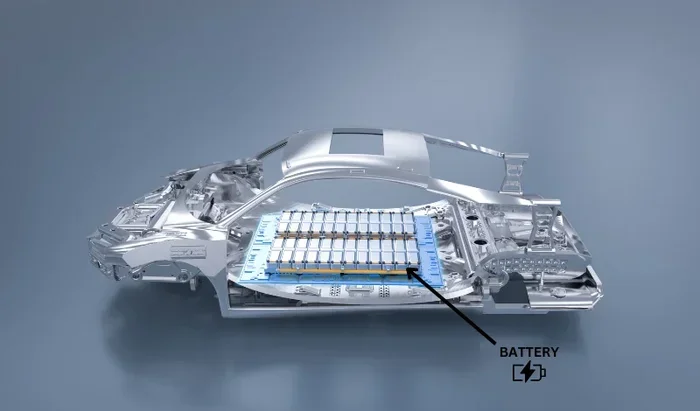
A hybrid battery is the heart of any hybrid vehicle. It stores electrical energy that powers the electric motor. Unlike a regular car battery, the hybrid battery is a high-voltage pack made of many individual cells. These cells work together to deliver the power needed for electric assist and regenerative braking.
Regenerative braking is a clever system that captures energy when you slow down. Instead of wasting that energy as heat, the system converts it back into electricity and stores it in the hybrid battery. This is why hybrids get better fuel economy in city driving. The battery is constantly being charged and discharged during normal driving.
It’s also important to understand the difference between the hybrid battery and the 12-volt auxiliary battery. The 12-volt battery powers the car’s computers, lights, and radio. The high-voltage hybrid battery powers the electric motor. When people ask, “Can You Drive a Hybrid Without the Hybrid Battery,” they are usually referring to the high-voltage pack, not the small 12-volt battery.
Quick Tip: Always keep your 12-volt battery healthy too. A dead 12-volt battery can prevent your hybrid from starting, even if the high-voltage pack is fine.
Can You Drive a Hybrid Without the Hybrid Battery?
Full Hybrids: Limp Mode and Limited Driving
Full hybrids, like the Toyota Prius or Honda Insight, have a larger electric motor and battery pack. These vehicles can run on the gasoline engine alone if the hybrid battery dies. The car enters a mode called limp mode. Limp mode limits your speed to about 25–40 mph. Acceleration becomes sluggish. The gasoline engine does all the work. The electric motor is completely offline.
In limp mode, you lose regenerative braking. That means the gas engine and friction brakes handle all slowing down. Your stopping distance increases slightly. The car feels less responsive. You can still drive to a repair shop, but you should do so calmly and at low speeds. Can You Drive a Hybrid Without the Hybrid Battery in a full hybrid? Yes, but only as a temporary measure.
Quick Tip: If you see a hybrid warning light, reduce speed gradually and head to a service center immediately. Do not try to push the car to the next exit if it’s on a highway. Pull over safely and call for help.
Mild Hybrids: Complete System Failure
Mild hybrids use the electric motor only to assist the gasoline engine. They cannot propel the car on electric power alone. The electric motor helps with start-stop functions and provides a small boost during acceleration. If the mild hybrid battery dies, the car will not start. The gasoline engine won’t crank because the electric motor is needed to assist the starter motor.
So a mild hybrid with a dead hybrid battery is completely immobile. You will need a jump-start or a new battery. Even then, the car might not function normally until the hybrid battery is replaced or reconditioned. Mild hybrids are simpler, but they are also less forgiving when the battery fails.
Common Mistake: Assuming a mild hybrid can run like a regular car with a dead battery. It cannot. The electric system is deeply integrated into the starting and charging process.
Plug-in Hybrids: What Changes?
Plug-in hybrids (PHEVs) have larger batteries that you can charge from an electrical outlet. They can drive 20–60 miles on electric power alone. When the plug-in hybrid battery fails, the car can still run on gasoline. The gasoline engine takes over completely. However, you lose all electric-only driving. Fuel economy drops significantly because the gasoline engine now handles both city and highway driving without electric assist.
Plug-in hybrids also have a limp mode if the battery is severely damaged. The car will run on gas, but performance is limited. Can You Drive a Hybrid Without the Hybrid Battery in a plug-in hybrid? Yes, but you’ll feel the difference in power and efficiency.
Here is a quick comparison of what happens to each type when the hybrid battery fails:
| Vehicle Type | Can It Drive Without the Hybrid Battery? | What Happens? | Risk Level |
|---|---|---|---|
| Mild Hybrid | No | The car will not start. The electric motor is required to assist the engine. | High |
| Full Hybrid | Yes (limited) | The gasoline engine can run alone in limp mode. Speed and power are reduced. | Medium |
| Plug-in Hybrid | Yes (limited) | The gasoline engine takes over, but fuel economy drops significantly. Electric range is lost. | Medium |
This table shows that only full hybrids and plug-in hybrids can limp along. Mild hybrids are completely stranded. Always check your owner’s manual to understand your specific vehicle’s behavior.
The Risks of Driving on a Dead Hybrid Battery
Potential Damage to the Electric Motor
Driving with a dead hybrid battery can cause the electric motor to overheat. The inverter that converts DC power from the battery to AC power for the motor may also suffer. The high-voltage battery pack is part of the powertrain’s cooling system. Without it, the gasoline engine might run hotter than designed. Over time, this extra heat can damage engine components.
Regenerative braking relies on the battery to store energy. When the battery is dead, the system cannot recharge. The friction brakes must do all the work. This wears out brake pads and rotors faster. You might notice your brakes glowing or smelling burnt after a long drive. That’s a sign of excessive friction brake use.
Quick Tip: Never ignore a hybrid battery warning. Continued driving can turn a simple repair into a costly replacement. If the warning light comes on, reduce your speed and find a safe place to stop.
Reduced Fuel Efficiency and Performance
Without the electric motor assisting, the gasoline engine bears all the load. Fuel economy drops dramatically. A car that normally gets 50 mpg might drop to 30 mpg. The engine works harder, causing more wear. You’ll notice the engine revving higher on highways. The lack of electric assist means the engine must provide all the torque.
Expert Insight: According to hybrid specialists, driving on a dead battery can increase engine wear by up to 40 percent. The extra strain on the gasoline engine can lead to premature failure of other components like the alternator and starter.
Safety Concerns
The 12-volt auxiliary battery might also drain if the charging system is affected. Dashboard lights could flicker. Power steering and power brakes might become harder to operate if the electric pump fails. Some hybrids use electric power steering, so a dead hybrid battery could make steering heavy. This is especially dangerous at low speeds or in parking lots.
If you notice steering getting harder, pull over immediately. Do not continue driving. The risk of losing power assist is real. Can You Drive a Hybrid Without the Hybrid Battery safely? Only if you can maintain control and reach a stop without help. But it’s not worth the risk.
Key Takeaways:
- Overheating is a real danger when the hybrid battery is dead.
- Fuel economy can drop by half or more without electric assist.
- Steering and braking can become harder if the electric systems lose power.
Warning Signs Your Hybrid Battery Is Failing
Dashboard Warning Lights
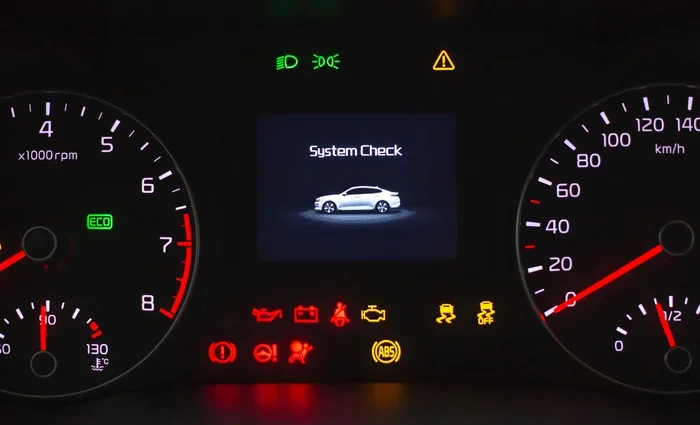
The most obvious sign is a warning light on the dashboard. Many hybrids show a triangle with an exclamation mark. Some display a specific “check hybrid system” message. If you see this, do not ignore it. The hybrid battery warning light is your car’s way of telling you something is wrong.
Common warning lights include:
- A red or yellow triangle with an exclamation point
- “Check Hybrid System” message
- “Battery Error” or “Hybrid Battery Fault”
- “Reduced Power” or “Limp Mode Active”
If any of these appear, get the car checked as soon as possible. Ignoring them can lead to a complete breakdown.
Unusual Noises and Vibrations
A failing hybrid battery can cause strange sounds. You might hear clicking from the inverter or a humming noise from the electric motor. The car might vibrate during acceleration. These signs indicate the battery cells are degrading. Internal resistance increases, causing heat and vibration.
Quick Tip: Listen for any new sounds. Early detection can save you from a roadside breakdown. If you hear a new hum or click, schedule a diagnostic test.
Decreased Fuel Economy
If your hybrid vehicle suddenly gets worse gas mileage, the battery might be the culprit. A healthy hybrid battery supports regenerative braking and electric assist. When it weakens, the gasoline engine compensates, using more fuel. A drop of 10–15% in fuel economy warrants a check.
Keep track of your mileage. Most cars have a trip computer that shows average fuel economy. If that number creeps up over weeks, your hybrid battery may be losing capacity.
How Long Can You Drive on a Failing Battery?
This depends on the severity of the failure. A slightly degraded battery might still allow you to drive for weeks, but performance will suffer. A completely dead battery will leave you stranded. If you notice any warning signs, get the car checked immediately. The longer you drive on a failing battery, the more damage you risk.
What to Do If Your Hybrid Battery Dies
Step-by-Step: Pull Over Safely
If the car loses power, turn on the hazard lights. Coast to the side of the road. Do not try to push the car if it’s a mild hybrid—it might roll unexpectedly when the key is off. Full hybrids in limp mode can still be steered, but power assist is reduced. Use gentle pressure on the steering wheel.
Here is a simple step-by-step guide:
- Turn on your hazard lights immediately.
- Slow down gradually and pull over to a safe spot.
- Turn off the engine and all accessories.
- Check for any visible damage or leaks.
- Call a hybrid-specialist tow truck or roadside assistance.
Never open the high-voltage battery pack. The orange cables indicate high voltage. Touching them can be fatal. Always let a professional handle the hybrid battery pack.
Quick Tip: Keep a basic emergency kit in your car. Include a flashlight, reflective triangles, and a first-aid kit. If you are stranded, these items can keep you safe.
Call for Professional Help
Do not attempt to repair the high-voltage system yourself. The hybrid battery operates at hundreds of volts. Even when the car is off, the pack can hold a dangerous charge. Roadside assistance may not be equipped for high-voltage repairs. Call a certified hybrid vehicle mechanic or a dealer service center.
Quick Tip: Keep the phone number of a hybrid-specialist tow truck in your glovebox. Regular tow trucks might not have the right equipment to safely transport a hybrid with a dead battery.
How to Replace or Recondition the Battery
Replacing a hybrid battery can cost $1,000 to $6,000. The price depends on the car model and the type of battery. However, you can also recondition or refurbish the pack. Some shops rebuild battery modules. This costs less than a full replacement and can extend the life of your car by several years.
Some dealers offer refurbished packs with warranties. These are a great middle ground between a new battery and a risky used one. Always ask for a warranty on any replacement hybrid battery.
Common Mistake: Buying a brand-new battery when a reconditioned one might work just as well. Discuss your options with a trusted mechanic before making a decision.
Key Takeaways
- Pull over safely and use hazard lights.
- Never touch the high-voltage cables or the battery pack.
- Call a hybrid specialist for towing and repairs.
- Consider reconditioning to save money on a new battery.
- Get a warranty on any replacement battery.
Common Mistakes Drivers Make with Hybrid Batteries
Ignoring Early Warning Signs
Many drivers dismiss a slight drop in fuel economy or a faint warning light. They assume the car will be fine. By the time the car won’t start, the damage is already done. A failing hybrid battery often shows subtle signs long before it dies completely. Ignoring these signs can lead to a much bigger repair bill.
Pay attention to your car. If something feels off, get it checked. A simple diagnostic test can reveal a weak battery before it becomes a dead one.
Trying to Jump-Start the Wrong Battery
A hybrid has two batteries: the high-voltage hybrid battery and the 12-volt auxiliary battery. Jump-starting the 12-volt battery can restart the car’s computers, but it won’t charge the high-voltage pack. Some drivers mistakenly think jump-starting the hybrid will fix a dead high-voltage battery. It won’t. The 12-volt jump-start only powers the accessory systems and the starter. The high-voltage battery must be recharged or replaced.
Common Mistake: Confusing the two batteries. Always locate the 12-volt jump-start terminals under the hood. They are usually marked with a positive and negative sign. Never connect jumper cables to the orange high-voltage cables.
Delaying Replacement
A weak battery strains the gasoline engine. The more you delay, the more damage accumulates. A failing battery can cause the gasoline engine to overwork, leading to additional repairs like a clogged catalytic converter. What starts as a $2,000 battery replacement can turn into a $5,000 repair if you wait too long.
Replace a weak hybrid battery as soon as possible. Your wallet will thank you in the long run.
Key Takeaways:
- Don’t ignore warning lights or subtle changes in performance.
- Never jump-start the high-voltage battery—only the 12-volt auxiliary battery.
- Replace a weak battery promptly to avoid compounding damage.
Final Thoughts
Can You Drive a Hybrid Without the Hybrid Battery? The answer is yes, but only for full hybrids and plug-in hybrids, and only in a limited, unsafe way. Mild hybrids will not move at all. Even when a full hybrid limps along, you risk overheating the electric motor, wearing out the brakes faster, and losing power steering or braking assist. The safest choice is always to stop driving and call for professional help.
Understanding your vehicle’s hybrid system gives you confidence. You’ll know what to look for, what to avoid, and when to seek help. A dead hybrid battery is not the end of the road, but it is a serious issue that deserves immediate attention. Keep your hybrid battery healthy with regular maintenance, and you’ll enjoy the fuel savings and smooth driving that hybrid vehicles are known for.
Stay safe, stay informed, and never hesitate to consult a certified hybrid vehicle specialist when something feels wrong. Your car—and your wallet—will thank you.
Frequently Asked Questions
What happens if a hybrid battery dies while driving?
A full hybrid will enter limp mode and the gasoline engine will take over. You can drive slowly to a safe spot. A mild hybrid will shut down completely and you will be stranded. In either case, turn on your hazard lights and call for help.
Can a hybrid run without the high-voltage battery?
Only full hybrids and plug-in hybrids can run on the gasoline engine alone with a dead high-voltage battery. Mild hybrids cannot run at all without it. Even in full hybrids, the experience is sluggish and unsafe for extended driving.
How much does it cost to replace a hybrid battery?
Replacement costs range from $1,000 to $6,000 depending on the car model and battery type. Reconditioning or refurbishing the pack can cost significantly less and is a good alternative to consider.
Is it safe to jump-start a hybrid car?
Yes, you can jump-start the 12-volt auxiliary battery. This will power the car’s computers and allow you to start the gasoline engine. However, it will not charge or fix the dead high-voltage hybrid battery.
How long can you drive on a failing hybrid battery?
A slightly degraded battery may allow limited driving for a short period, but performance will suffer. A completely dead battery will leave you stranded. Always address warning signs immediately to avoid being stuck.
What are the first signs of a bad hybrid battery?
Watch for a dashboard warning light, unusual clicking or humming noises, vibrations during acceleration, and a noticeable drop in fuel economy. These are early signals that the hybrid battery is losing capacity and needs inspection.