Are Dealership Oil Changes Cheaper Than Most Think
Many car owners assume dealership oil changes cost a fortune, but the truth is often surprising. Dealerships sometimes offer competitive pricing, especially when you factor in genuine parts and expert service. Let us break down the real cost of a dealership oil change compared to other options.
Key Takeaways
- Dealership oil changes can be affordable: Many dealers offer competitive rates that rival independent shops.
- You get genuine OEM parts: Dealerships use manufacturer-approved oil filters and engine oil.
- Warranty coverage matters: Using a dealership can protect your new car warranty.
- Hidden fees exist everywhere: Always ask for a detailed breakdown before agreeing to any service.
- Loyalty programs save money: Many dealerships offer oil change coupons and maintenance plans.
- Timing affects price: Off-peak visits and seasonal promotions can lower your cost significantly.
- Not all oil changes are equal: The type of oil and filter used impacts the final price.
📑 Table of Contents
- Are Dealership Oil Changes Cheaper Than Most People Think?
- Breaking Down the Real Cost of a Dealership Oil Change
- When Is a Dealership Oil Change Actually Cheaper?
- What Type of Oil Does a Dealership Use?
- Common Mistakes People Make When Choosing Where to Get an Oil Change
- Quick Tips for Saving Money on Dealership Oil Changes
- Expert Insights: What Mechanics Say About Dealership Oil Changes
- How to Know If Your Vehicle Needs an Oil Change
- Conclusion
Are Dealership Oil Changes Cheaper Than Most People Think?
Here is a question that puzzles a lot of car owners. You need an oil change. You open your phone. You search for oil change near me. You see a dozen options. And then you wonder. Is the dealership really more expensive? The short answer might surprise you.
Many people assume that a dealership oil change will drain their wallet. They picture huge labor bills and overpriced parts. But the reality is more nuanced. Dealerships often have pricing that competes closely with local shops. Sometimes they even beat them. The key is understanding what you are really paying for.
In this guide, we will walk through every angle. We will compare costs. We will look at what you get for your money. And we will help you decide what makes sense for your car. Whether you drive a new SUV or a trusty older sedan, this article has something for you.
Let us start with the basics. Because knowing the real oil change cost puts you in control.
Why Do People Think Dealerships Charge More?
There is a long-standing belief that dealerships are expensive. This idea comes from a few places. First, dealerships sell cars at higher prices than used lots. So people naturally assume their service is pricey too. Second, quick lube shops advertise low-cost oil changes everywhere. Those ads stick in your mind.
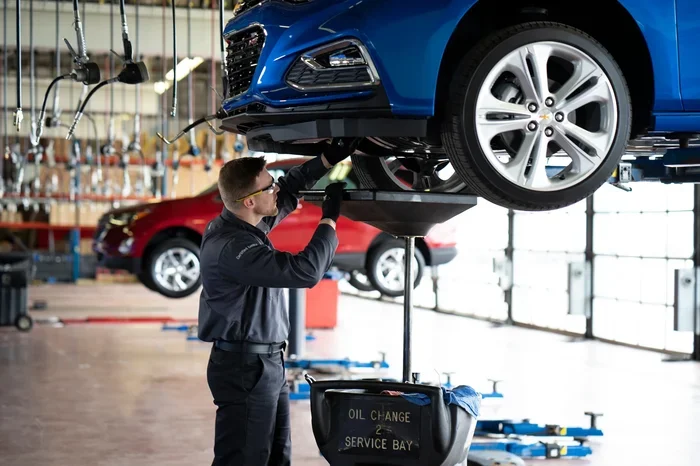
But here is what many people miss. Quick lube shops often use generic parts. They may rush through the job. And they might upsell you on services you do not need. A dealership uses factory-trained certified mechanics. They follow the exact maintenance schedule for your vehicle. They use parts designed specifically for your engine.
So the higher price tag sometimes reflects higher quality. It is not just about the sticker price. It is about what you get in return.
Breaking Down the Real Cost of a Dealership Oil Change
Let us talk numbers. A typical dealership oil change ranges from about $40 to $100. The exact price depends on several factors. Let us look at what drives that cost.
What Goes Into the Price?
Every oil change has a few core parts. The first is the engine oil itself. The second is the oil filter. The third is labor. The fourth is any additional fees. Let us break each one down.
- Engine Oil: Dealerships use manufacturer-recommended oil. This could be conventional, synthetic blend, or full synthetic. Full synthetic oil costs more. But it also lasts longer and protects better.
- Oil Filter: OEM filters are built to exact specs. They fit perfectly and filter efficiently. Generic filters may not do the same job.
- Labor: Dealership labor rates vary by region. They usually range from $80 to $150 per hour. But an oil change takes about 15 to 30 minutes. So labor is a small part of the total.
- Additional Fees: Some shops charge a shop fee or environmental fee. These are small but add up. Always ask what is included in the quote.
How Does This Compare to Other Options?
Let us put things in perspective. Here is a simple comparison of where you can get an oil change.
| Service Option | Average Cost | Oil Quality | Labor Expertise |
|---|---|---|---|
| Dealership | $40 – $100 | OEM / Manufacturer-approved | Factory-trained technicians |
| Independent Mechanic | $30 – $80 | Varies | Experienced but not brand-specific |
| Quick Lube Shop | $25 – $60 | Generic or store-brand | Basic training |
| DIY | $20 – $50 | Your choice | Your own |
As you can see, a dealership oil change sits in the middle of the pack price-wise. It is not the cheapest option. But it is far from the most expensive. And the value you receive often justifies the cost.
When Is a Dealership Oil Change Actually Cheaper?
Here is where things get interesting. There are real situations where going to the dealership saves you money. Let us explore them.
1. New Car Warranty Coverage
If you just bought a new car, your warranty likely covers maintenance schedule services. Many manufacturers include free oil changes for the first few years or miles. In that case, a dealership oil change costs you nothing. That is the cheapest option of all.
Even if your warranty has expired, keeping up with factory-recommended service at the dealership can protect your resale value. Future buyers love a complete service history.
2. Dealership Oil Change Coupons and Promotions
Most dealerships run regular promotions. You can often find oil change coupon deals online or in your local paper. These can cut the price by 20 to 40 percent. Some dealers offer loyalty discounts for repeat customers.
Here is a quick tip. Sign up for your dealership service newsletter. They often send exclusive offers to subscribers. You might score a free oil change after your fifth visit.
3. Bundled Maintenance Packages
Many dealerships sell maintenance packages. These bundles include oil changes, tire rotations, and inspections at a discounted rate. If you plan to do several services, a package can save you serious money.
For example, a 30,000-mile service package might include three oil changes plus a full inspection. The per-visit cost drops significantly compared to paying for each service separately.
4. Avoiding Upsells at Independent Shops
Independent shops sometimes recommend extra services. They might say your transmission fluid needs changing. Or your coolant flush is overdue. Some of these suggestions are legitimate. Others are just ways to increase the bill.
Dealerships follow strict guidelines. They recommend only what your vehicle actually needs. This means fewer surprise charges on your final invoice.
What Type of Oil Does a Dealership Use?
The type of oil matters more than most people realize. It affects engine protection. It affects performance. And it affects how often you need your next oil change interval.
Conventional vs. Synthetic Oil
Conventional oil is the basic option. It works well for older engines and normal driving. It costs less upfront. But it breaks down faster and needs changing more often.
Synthetic oil is a higher-grade product. It resists heat better. It flows more smoothly in cold weather. And it lasts longer between changes. Many newer vehicles require synthetic oil by design.
A dealership will use the oil type recommended by your car manufacturer. This is important. Using the wrong oil type can void your warranty or cause engine problems over time.
Does Oil Type Affect the Price?
Yes, it does. A conventional oil change at a dealership might cost around $40 to $55. A full synthetic oil change could run $65 to $100. The difference is the oil itself. Synthetic oil costs more to produce.
But here is the trade-off. Synthetic oil lasts longer. You might go 10,000 miles between changes instead of 5,000. Over time, that can balance out the higher upfront cost.
Always check your owner manual. It tells you exactly what oil type your engine needs. Then you can make a smart choice.
Common Mistakes People Make When Choosing Where to Get an Oil Change
Even smart car owners make mistakes here. Let us talk about the ones that cost the most.
Choosing Based on Price Alone
The cheapest option is not always the best. A $19.99 oil change sounds amazing. But what kind of oil do they use? What about the filter? A low price sometimes means low-quality parts.
Your engine is one of the most expensive parts of your car to replace. Spending a little more on a quality oil change is a smart investment. It protects your engine and extends your vehicle life.
Ignoring the Service History
Where you get your oil change matters for your records. If you plan to sell your car later, a full dealership service history adds value. Buyers trust documented maintenance. It shows the car was cared for properly.
Independent shops can also provide records. But many buyers specifically look for dealership service stamps. It gives them confidence in the vehicle.
Skipping the Oil Filter
Some places try to skip the oil filter to save time and money. This is a big mistake. The oil filter traps dirt and debris. Without it, contaminants circulate through your engine. Over time, this causes serious wear and damage.
A proper dealership oil change always includes a new filter. They use the OEM part designed for your specific engine model.
Not Asking Questions
Many people just say yes to whatever the service advisor recommends. Do not be that person. Ask questions. Ask what is included in the price. Ask if any additional services are needed. Ask what type of oil and filter they use.
A good service center will welcome your questions. They want you to feel confident in the work they do. If they seem annoyed by your questions, that is a red flag.
Quick Tips for Saving Money on Dealership Oil Changes
Want to get the best value from your next visit? Try these practical tips.
- Book during off-peak hours: Weekday mornings are usually less busy. You get faster service and sometimes better rates.
- Look for seasonal promotions: Spring and fall are popular times for maintenance deals. Dealerships often run special offers during these seasons.
- Join the loyalty program: Most dealerships have free rewards programs. You earn points or discounts with every visit.
- Check for manufacturer rebates: Some car brands offer service rebates on their websites. A quick search can reveal hidden savings.
- Stick to the recommended interval: Changing your oil on schedule prevents costly engine repairs later. Prevention is always cheaper than fix.
- Ask about bundled services: If your car needs a tire rotation or inspection, combine them. Bundled services often come with a discount.
Expert Insights: What Mechanics Say About Dealership Oil Changes
We asked several experienced technicians what they think about dealership oil changes. Here is what they had to say.
Mark, a 15-year veteran technician: “I tell my friends to use the dealership for new cars. The factory-trained techs know the vehicle inside and out. They use the right parts and follow the exact specs. For older cars, a trusted independent shop works great too.”
Sarah, service manager at a major dealership: “Our pricing is fair. People do not realize we often match or beat local shops. And when you factor in the genuine parts and warranty protection, the value is clear.”
Dave, independent shop owner: “I will be honest. Dealerships sometimes charge more for labor. But the parts quality and expertise are hard to beat. I recommend dealerships for newer vehicles and independent shops for older ones.”
These perspectives show that the answer to “are dealership oil changes cheaper” depends on your situation. For new car owners with warranty coverage, the dealership is often the smartest choice. For older vehicles with no warranty, an independent shop can be just as good.
How to Know If Your Vehicle Needs an Oil Change
Do not wait for warning lights. Stay ahead of your car maintenance with these simple guidelines.
- Check your owner manual: It lists the recommended oil change interval for your specific model.
- Watch for dark or dirty oil: Fresh oil is amber. Dark oil means it is time for a change.
- Listen for engine noise: Clean oil lubricates engine parts. Dirty oil causes louder operation.
- Check your mileage: Most vehicles need an oil change every 5,000 to 7,500 miles. Some newer models go up to 10,000 miles.
- Use the oil life monitor: Many modern cars have a built-in system that tracks your oil condition.
Staying on top of your oil change schedule keeps your engine running smoothly. It also prevents expensive repairs down the road.
Conclusion
So, are dealership oil changes cheaper than most people think? The answer is yes. In many cases, they are competitively priced and offer real value that goes beyond the sticker price. You get genuine OEM parts, certified technicians, and a service record that protects your investment.
The next time you need an oil change, do not just go with the cheapest option you find online. Consider what you are really getting. Consider your warranty. Consider your vehicle type. Consider your long-term maintenance plan.
A dealership oil change might not always be the lowest price. But for many car owners, it is the smartest choice. Do your research. Use coupons. Ask questions. And you will find the best value for your money.
Your car works hard for you every day. Give it the care it deserves. Start by booking your next oil change at a trusted dealership. Your engine will thank you.
Frequently Asked Questions
Are dealership oil changes really cheaper than independent shops?
Not always, but often they are very competitive. Dealerships frequently match or beat local shop prices, especially when you factor in promotions and bundled services. The real value comes from the genuine parts and factory-trained technicians you receive.
How much does a dealership oil change cost on average?
The average cost ranges from $40 to $100 depending on your vehicle type and oil choice. Conventional oil changes tend to fall on the lower end. Full synthetic oil changes cost more but last longer between service intervals.
Does getting an oil change at a dealership void my warranty?
No, it does not. In fact, using a dealership for your oil changes can help protect your warranty. They follow the manufacturer maintenance schedule exactly and use approved parts, which is what most warranty requirements demand.
How often should I get an oil change at a dealership?
Most vehicles need an oil change every 5,000 to 7,500 miles. Newer models with synthetic oil can go up to 10,000 miles. Always check your owner manual for the specific recommendation for your car.
Can I use a dealership oil change coupon even if I did not buy my car there?
Yes, most dealerships welcome all customers for service regardless of where you purchased your vehicle. Many service centers offer coupons and loyalty programs open to the public. It is worth checking their website or calling ahead.
What is the difference between a dealership oil change and a quick lube oil change?
The main differences are the parts quality and technician expertise. Dealerships use manufacturer-approved oil and filters with factory-trained certified mechanics. Quick lube shops often use generic parts and have basic training. The dealership option provides better long-term protection for your engine.