How Fast Can You Drive in 4WD Auto Mode on a Dodge Ram
You can safely drive in 4WD Auto mode on a Dodge Ram at highway speeds up to 65 mph or higher. The 4WD Auto system is designed for on-road use, so you don’t need to worry about damaging your drivetrain. Understanding your Dodge Ram 4WD Auto speed limits helps you drive confidently in any weather.
Many Dodge Ram owners wonder about their vehicle’s limits. One question comes up a lot: how fast can you drive in 4WD Auto on a Dodge Ram? It’s a fair question. After all, your truck is built tough, but every drivetrain has rules. Knowing those rules keeps your Ram running strong for years.
The good news is straightforward. You can drive in 4WD Auto mode at regular road speeds. Most Dodge Ram trucks handle highway cruising without any issues. But there are details you should know. Let’s break it all down so you feel confident every time you hit the road.
Whether you drive a Ram 1500, Ram 2500, or Ram 3500, the 4WD Auto system works similarly. This system uses an automatic transfer case to split power between the front and rear wheels. It decides on its own when you need more traction. That makes it one of the most convenient 4WD Auto setups on the market today.
Key Takeaways
- Highway Speed Safe: You can drive in 4WD Auto at normal highway speeds without harming your drivetrain.
- Smart System Design: The 4WD Auto transfer case automatically shifts between two-wheel and four-wheel drive as needed.
- Not for Off-Road Racing: While 4WD Auto handles light trails, 4WD Low is better for serious off-roading.
- Watch for Warning Signs: Excessive vibration or grinding means you should slow down or switch modes.
- Check Your Ram Model: Speed ratings and transfer case specs vary slightly across Ram 1500, 2500, and 3500 models.
- Switch Modes Easily: You can move between 2WD, 4WD Auto, and 4WD 4H while driving at safe speeds.
📑 Table of Contents
What Is 4WD Auto Mode on a Dodge Ram?
How the 4WD Auto Transfer Case Works
The transfer case is the brain behind your truck’s four-wheel drive system. In a Dodge Ram, the 4WD Auto mode uses electronic sensors to monitor wheel slip. When the rear wheels start to lose grip, the system sends power to the front wheels automatically. You don’t need to do anything.
This is different from part-time 4WD. With part-time systems, you have to manually lock the front axle. The 4WD Auto system handles everything for you. It shifts between two-wheel drive and four-wheel drive high range seamlessly. That’s why so many Ram owners love this feature for daily driving.
The system works great in rain, snow, and light off-road conditions. It keeps your truck stable without you lifting a finger. Just remember that 4WD Auto is an on-road system first. It shines when you need extra grip during your commute or road trips.
4WD Auto vs 4WD 4H vs 4WD 4L
Dodge Ram trucks usually offer three main 4WD settings. Each one serves a different purpose. Understanding the differences helps you choose the right mode for every situation.
- 4WD Auto: This mode runs on regular roads. It automatically engages four-wheel drive when traction drops. You can use it at highway speeds safely.
- 4WD 4H (High Range): This is a manual four-wheel drive setting. It locks the front and rear axles together. Use it for off-road trails, snow, or mud. Keep your speed moderate.
- 4WD 4L (Low Range): This is for serious off-roading. It provides maximum torque at low speeds. Never use 4L on dry pavement. It’s only for rock crawling, deep sand, or steep inclines.
The 4WD Auto setting is the most versatile. It bridges the gap between everyday driving and light off-road capability. You get the best of both worlds without constant mode switching.
How Fast Can You Drive in 4WD Auto on a Dodge Ram?
Speed Limits for 4WD Auto Mode
Here’s the short answer. You can drive in 4WD Auto at speeds up to 65 mph or more. Most Dodge Ram owners use this mode comfortably on interstate highways. The transfer case speed rating on modern Rams supports full highway cruising.
Your owner’s manual is the best source for exact numbers. But across all Ram 1500, Ram 2500, and Ram 3500 models, the 4WD Auto system is built for on-road use. Chrysler designed it to handle the demands of daily driving. That includes highway merging, long road trips, and cruising through bad weather.
Some older Ram models from the early 2000s had slightly lower recommendations. But even those trucks handled 4WD Auto at highway speeds just fine. The key is to avoid sustained speeds above 65 mph in 4WD Auto on dry, paved roads. At extreme speeds, the drivetrain works harder. That’s unnecessary wear you simply don’t need.
Can You Drive in 4WD Auto on the Highway?
Yes, absolutely. Driving in 4WD Auto on the highway is perfectly safe. The system is designed for this exact purpose. When you’re on a wet interstate or a snowy highway, 4WD Auto gives you peace of mind.
The automatic system engages the front wheels only when needed. On dry pavement at steady speeds, it may stay in two-wheel drive. This saves fuel and reduces drivetrain wear. When conditions change, it shifts to four-wheel drive automatically. That’s the beauty of the 4WD Auto system.
Many Ram owners leave the truck in 4WD Auto year-round. It’s a set-it-and-forget-it approach. You get added safety in unexpected weather without any extra effort. Just don’t forget to switch back to 2WD when conditions improve. This saves fuel and reduces unnecessary strain on your drivetrain components.
How the 4WD Auto System Works on a Dodge Ram
Electronic Shift Technology
Modern Dodge Rams use electronic shift systems for their 4WD Auto mode. You don’t need to stop the truck to change modes. A simple push of a button on the dashboard or center console does the job. The electronic shift 4WD system responds in seconds.
Inside the transfer case, an electric motor engages the front output shaft. This connects the front axle to the drivetrain. The whole process happens smoothly and quietly. You might not even notice the shift from 2WD to 4WD Auto.
The system relies on wheel speed sensors. These sensors detect when one axle spins faster than the other. That usually means a loss of traction. The transfer case then sends torque to the wheels with more grip. This all happens faster than you can react.
Traction Control and Stability Integration
The 4WD Auto system works hand in hand with your Ram’s traction control. Together, these systems keep your truck stable. The vehicle stability control system monitors steering angle, yaw rate, and wheel speed. It works with the 4WD Auto system to prevent wheel spin.
When you’re driving on a slippery road, both systems kick in. The traction control applies brakes to individual wheels. The 4WD Auto system distributes power where it’s needed most. This combination gives you excellent control in challenging conditions.
It’s important to understand that these systems have limits. They can’t defy physics. If you drive too fast on ice, no system can save you. Always adjust your speed to match road conditions. The 4WD Auto system is a tool, not a magic fix for reckless driving.
When Should You Use 4WD Auto Mode?
Best Conditions for 4WD Auto
The 4WD Auto mode shines in specific situations. Knowing when to use it makes a big difference. Here are the best scenarios:
- Rainy Days: Wet roads reduce traction. 4WD Auto helps your Ram grip the pavement confidently.
- Snow and Ice: Light snow and icy roads are where 4WD Auto really proves its value.
- Gravel Roads: Unpaved gravel can be slippery. The automatic system keeps you stable.
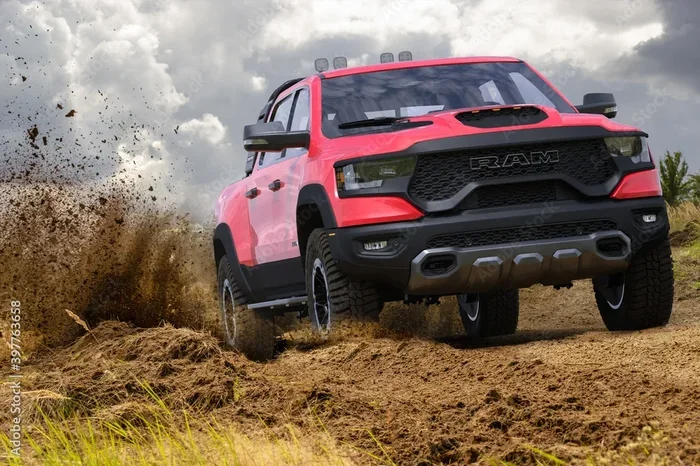
- Mud and Dirt Trails: Light off-road trails are perfect for 4WD Auto mode.
- Flooded Roads: Standing water can be tricky. Extra traction from 4WD Auto helps you cross safely.
When NOT to Use 4WD Auto
Just as important is knowing when to avoid 4WD Auto. Using the wrong mode can damage your truck. Here are situations where you should switch to 2WD or avoid 4WD entirely:
- Dry Pavement at High Speeds: On clear, dry highways, 2WD is more efficient. The drivetrain doesn’t need four-wheel power.
- Sharp Cornering on Pavement: Turning sharply in 4WD Auto on dry roads can cause drivetrain binding. This is called “wind-up.”
- 4WD Low Range Situations: If you need serious crawling capability, switch to 4L, not 4WD Auto.
- Long-Distance Dry Highway Driving: Sustained 4WD use on dry roads wears components faster. Switch to 2WD for fuel savings.
Think of 4WD Auto as your go-to mode for uncertain conditions. It’s not meant to replace 2WD on clear days. It’s also not meant to replace 4L for serious off-roading. Each mode has its place. Using them correctly extends the life of your drivetrain.
Common Mistakes When Driving in 4WD Auto
Leaving 4WD Auto On Too Long
One of the most common mistakes is forgetting to switch back to 2WD. Many drivers engage 4WD Auto and leave it on indefinitely. This seems convenient, but it causes problems over time.
When you drive in 4WD Auto on dry pavement, the front and rear driveshafts spin at different speeds. On a tight turn, this creates binding. The drivetrain experiences unnecessary stress. Over months and years, this wears out U-joints, CV axles, and the transfer case.
Make it a habit to check your mode before every drive. If the roads are clear and dry, switch to 2WD. Your truck’s components will thank you. Plus, you’ll notice better fuel economy in 2WD mode.
Confusing 4WD Auto with Full-Time 4WD
Some drivers treat 4WD Auto like a full-time AWD system. But there’s a key difference. Full-time AWD systems use a center differential to allow speed differences between axles. 4WD Auto does not have this feature in the same way.
On dry pavement, the front and rear driveshafts must spin at the same speed in 4WD Auto. This works fine on straight roads. But during turns, the outside wheels need to spin faster. Without a proper differential setup, this causes wear.
This is why you should avoid sharp, low-speed turns in 4WD Auto on dry pavement. If you need to maneuver slowly in 4WD, use a loose surface like gravel or dirt. On pavement, stick to 2WD for tight turns and parking.
Ignoring Warning Signs
Your Dodge Ram gives you signals when something’s wrong. Dashboard warning lights are your best friend. If you see a 4WD warning light, don’t ignore it. It could mean a problem with the transfer case, sensors, or actuator motor.
Unusual noises are another red flag. Grinding, clicking, or humming sounds in 4WD Auto mode need attention. These sounds often point to worn U-joints or a failing transfer case. Addressing problems early saves you from costly repairs later.
Vibration is another warning sign you shouldn’t ignore. If your truck shakes at highway speeds in 4WD Auto, check your drivetrain components. Worn driveshafts or unbalanced wheels can cause serious vibration. Get it checked by a qualified mechanic before it gets worse.
Expert Tips for Safe 4WD Auto Driving
Regular Maintenance Matters
Keeping your 4WD Auto system in top shape requires regular maintenance. Here’s what you should check:
- Transfer Case Fluid: Change it every 30,000 to 60,000 miles. Dirty fluid causes premature wear.
- Front and Rear Differential Fluid: These should be changed on the same schedule.
- U-Joints: Inspect them regularly for play or looseness.
- CV Axles: Check the boots for tears. Torn boots let dirt in and grease out.
- Wheel Bearings: Worn bearings cause vibration and noise in any 4WD mode.
Staying on top of maintenance keeps your Ram drivetrain healthy. A well-maintained truck handles 4WD Auto at any safe speed with confidence.
Quick Tips for Everyday Driving
Here are some practical tips to get the most out of your 4WD Auto system:
- Engage 4WD Auto before you hit slippery roads. Don’t wait until you’re already sliding.
- Check your owner’s manual for model-specific speed recommendations.
- Use the dash display to confirm which mode you’re in.
- Practice switching between modes in a safe, empty parking lot.
- Remember that 4WD Auto helps with traction, not stopping distance. Brake carefully in wet or icy conditions.
- Keep your tires properly inflated. Proper tire pressure improves all 4WD system performance.
Real-World Driving Scenarios
Let’s put this into context. Imagine you’re driving your Ram 1500 on a highway during a sudden rainstorm. The road is slick. You engage 4WD Auto before the trip. The system stays mostly in 2WD since you’re cruising steadily. But when you hit a patch of standing water, it automatically sends power to the front wheels. You stay stable and safe.
Now imagine you’re on a dirt road heading to a campsite. The road is muddy and uneven. 4WD Auto keeps you from getting stuck. It shifts power to the wheels that need it most. You navigate the trail without any drama.
But picture this: you’re on a dry highway doing 70 mph and you need to make a sharp exit ramp. In 4WD Auto, that sharp turn on dry pavement puts stress on the drivetrain. It’s better to be in 2WD for that maneuver. Then switch back to 4WD Auto when the road conditions demand it.
These examples show that 4WD Auto is incredibly versatile. But it works best when you use it with common sense and good judgment.
Key Takeaways
- Speed Is Not the Main Concern: You can drive in 4WD Auto at highway speeds. The real concern is road surface and turning conditions.
- 4WD Auto Is an On-Road System: It’s designed for paved roads, wet conditions, and light trails. It’s not a replacement for 4L on serious off-road terrain.
- Switch Modes as Needed: Moving between 2WD and 4WD Auto is easy and safe at low speeds. Make it a regular habit.
- Maintenance Extends Drivetrain Life: Regular fluid changes and inspections keep your 4WD Auto system running smoothly for years.
- Every Ram Model Is Slightly Different: Always refer to your specific owner’s manual for exact speed and usage guidelines.
- Drive Smart, Not Just Fast: 4WD Auto gives you traction, but it can’t replace safe driving habits. Adjust your speed to the conditions.
Conclusion
So, how fast can you drive in 4WD Auto on a Dodge Ram? The answer is clear. You can drive at normal highway speeds safely. The 4WD Auto system on your Dodge Ram is built for on-road use. It handles highway cruising, wet commutes, and light off-road trails with ease.
The key is understanding what 4WD Auto can and cannot do. It’s not a full-time AWD system. It’s not meant for extreme off-roading at high speeds. But for everyday driving in variable conditions, it’s one of the best systems available. Your Ram truck gives you the flexibility to adapt to any road.
Use the 4WD Auto mode wisely. Switch to 2WD on dry, clear roads. Engage it before you hit bad weather. Maintain your drivetrain regularly. And always drive at speeds that match the road conditions. Follow these simple rules, and your Dodge Ram’s 4WD Auto system will serve you well for many miles to come.
Confidence comes from knowledge. Now you know exactly what your truck can handle. Get out there and enjoy the drive with your Ram, knowing you’re using every feature the right way.
Frequently Asked Questions
Can I drive in 4WD Auto at 70 mph on the highway?
Yes, you can drive in 4WD Auto at 70 mph on the highway in most Dodge Ram models. The 4WD Auto transfer case is designed for highway speeds. However, avoid using 4WD Auto on dry, clear pavement for long distances. Switch to 2WD when conditions allow to reduce drivetrain wear and improve fuel economy.
Is it bad to leave my Dodge Ram in 4WD Auto all the time?
Leaving your Ram in 4WD Auto all the time is not ideal. On dry pavement, it causes unnecessary drivetrain stress during turns. The front and rear driveshafts spin at different speeds, which leads to binding. It’s best to switch to 2WD when driving on dry, clear roads. Reserve 4WD Auto for wet, icy, or loose surfaces.
Can I switch from 4WD Auto to 2WD while driving?
Yes, you can switch from 4WD Auto to 2WD while driving at safe speeds. Most Dodge Rams allow electronic mode changes without stopping. Just slow down to a moderate speed and press the 4WD selector button. Always check your owner’s manual for specific instructions for your Ram model.
What is the difference between 4WD Auto and AWD on a Dodge Ram?
The main difference is in the drivetrain design. 4WD Auto uses a transfer case that can send power to both axles. AWD systems typically use a center differential for continuous power distribution. 4WD Auto engages the front axle mechanically, while AWD systems use open or locking differentials. For a Dodge Ram truck, 4WD Auto is the standard four-wheel drive option, not a traditional AWD system.
Does 4WD Auto improve braking on wet roads?
4WD Auto improves traction, but it does not significantly improve braking. Traction helps you accelerate without spinning wheels. Braking distance depends more on tire condition, road surface, and your driving speed. Always reduce your speed and increase following distance on wet roads, regardless of which 4WD mode you’re using.
Which Dodge Ram models have the 4WD Auto system?
Most Dodge Ram models from 2009 onward offer the 4WD Auto system. This includes the Ram 1500, Ram 2500, Ram 3500, and Ram Chassis Cab models. The specific transfer case design may vary between generations. Always check your owner’s manual or consult your dealer to confirm your truck’s 4WD capabilities and speed ratings.