How Much HP Does the Toyota Corolla Have Right Now
The Toyota Corolla delivers between 139 and 169 horsepower depending on the trim and engine option you choose. The base engine is a reliable 2.0-liter four-cylinder, while the Corolla SE and XSE trims push closer to the higher end. Whether you want daily commuting efficiency or a little extra zip, the Corolla has a setup that fits.
So you want to know how much HP does a Toyota Corolla have. Maybe you are shopping for a new ride, or maybe you just want to understand what your current car can do. Either way, you are in the right place. The Toyota Corolla is one of the best-selling cars on the planet, and for good reason. It is reliable, fuel-efficient, and surprisingly capable. But horsepower numbers can vary a lot depending on the trim, the engine, and the model year.
In this guide, we will walk you through everything you need to know about Toyota Corolla horsepower right now. We will look at the base engine, the sport trims, the hybrid option, and how all of this compares to what the competition offers. By the end, you will know exactly what kind of power you are getting. No guesswork. No confusing jargon. Just clear, honest info.
The Toyota Corolla has come a long way over the years. Old models from the 1990s and early 2000s often came with tiny four-cylinder engines that made barely 100 horsepower. Today’s Corolla is a completely different animal. Modern engineering, better materials, and smarter engine management have pushed these numbers up significantly. The current generation offers a range of power outputs that suit different driving styles and needs.
Key Takeaways
- Base horsepower is 139 hp: The standard 2.0-liter engine in most Corolla trims produces 139 horsepower, which is plenty for everyday driving.
- The SE and XSE trims offer 169 hp: Upgraded engine tuning and a sportier tune give these trims a noticeable power boost over the base model.
- Hybrid versions prioritize efficiency over raw HP: The Corolla Hybrid combines a 1.8-liter engine with an electric motor for a combined 139 hp, focusing on fuel economy.
- Engine displacement matters: A larger 2.0-liter engine generally produces more power than smaller displacement engines found in older or base models.
- CVT transmission affects feel: The continuously variable transmission helps keep the engine in its power band, making the Corolla feel quicker than the numbers suggest.
- TRD Pro adds performance parts: The TRD Pro package includes suspension and styling upgrades that enhance the driving feel even if HP stays the same.
- Real-world HP can differ slightly: Factors like altitude, temperature, and maintenance can shift actual output a few horsepower from the factory rating.
📑 Table of Contents
The Toyota Corolla Engine Explained
Before we dive into specific numbers, let us talk about what is under the hood. Understanding the engine basics helps you make sense of the horsepower figures. The current Toyota Corolla lineup uses two main engine types: a standard gasoline engine and a hybrid powertrain.
The Base 2.0-Liter Engine
The most common engine in the Toyota Corolla is a 2.0-liter four-cylinder. This engine is found in the LE, SE, and XSE trims of the current generation. It uses direct injection and variable valve timing to squeeze out as much power as possible from a small displacement. The result is a smooth, responsive engine that does not guzzle gas.
This 2.0-liter unit produces 169 horsepower in the SE and XSE trims. In the base LE trim, it makes 139 horsepower. The difference comes down to engine tuning. The sport trims get a more aggressive calibration that advances timing and raises boost slightly. The parts inside are largely the same, but the software tuning makes a real difference in how the car feels.
The Hybrid Powertrain
The Corolla Hybrid takes a different approach. Instead of relying solely on a gasoline engine, it pairs a 1.8-liter four-cylinder with an electric motor. Together, they produce a combined 139 horsepower. The electric motor fills in the gaps where the gas engine feels weak, especially at low speeds. This setup gives you strong off-the-line acceleration and excellent fuel economy.
Toyota has used this hybrid system across many of its models, including the Toyota Camry Hybrid and the RAV4 Hybrid. The system is proven, reliable, and efficient. If your priority is fuel efficiency over raw power, the Corolla Hybrid is a fantastic choice.
Engine Displacement and Why It Matters
You will often hear people talk about engine size when discussing horsepower. Engine displacement refers to the total volume of all the cylinders in the engine. A 2.0-liter engine has more displacement than a 1.8-liter engine. More displacement generally means more power, because the engine can burn more fuel and air per cycle.
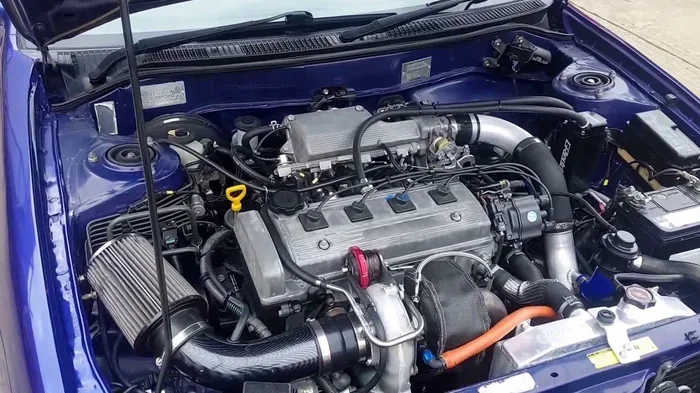
However, displacement is not the only factor. Turbocharging, supercharging, and advanced valve timing can all boost power from a small engine. This is why modern Toyota engines are so efficient. They use smart technology to get more out of less. For comparison, you can look at how much power a 2000 Toyota Celica GT made, and you will see how far Toyota engine technology has come.
Horsepower Across Different Corolla Trims
Not all Corollas are created equal when it comes to power. Toyota offers several trims, and each one has a slightly different horsepower rating. Let us break them down so you can see exactly what you are getting.
Corolla LE (Base Trim)
The Corolla LE is the entry-level trim. It comes with the 2.0-liter four-cylinder engine tuned to produce 139 horsepower and 126 pound-feet of torque. This is more than enough power for city driving, highway cruising, and daily commuting. The LE also comes with a CVT transmission (continuously variable transmission) that helps keep the engine running in its most efficient range.
If you just need a dependable car to get to work and back, the LE is a solid choice. You will not feel power-starved in most driving situations. The CVT transmission also helps with fuel economy, which is one of the Corolla’s biggest selling points.
Corolla SE (Sport Edition)
The Corolla SE steps things up. It uses the same 2.0-liter engine but with a sportier tune that pushes output to 169 horsepower. That is a 30-horsepower gain over the LE, and you will feel it. The SE also gets firmer suspension, sport seats, and unique styling cues that set it apart from the base model.
The SE is a great middle ground. You get enough power for spirited driving without paying for a completely different car. The Corolla SE horsepower makes it one of the most popular trims in the lineup. It feels quick, responsive, and fun without being over the top.
Corolla XSE (Sporty Top Trim)
The Corolla XSE is the sportiest of the non-hybrid gas models. It shares the same 169 horsepower engine as the SE but adds more luxury and comfort features. Think leather seats, larger wheels, and upgraded interior materials. The XSE is for people who want performance and refinement in one package.
If you are wondering how the XSE compares to other Toyota models, keep in mind that the Corolla is positioned as a compact sedan. It is not trying to compete with the Camry or the Supra. It is a practical, efficient car with just enough sportiness to keep things interesting.
Corolla Hybrid
The Corolla Hybrid uses a 1.8-liter engine paired with an electric motor. The combined system output is 139 horsepower. This matches the base LE trim’s gas-only output, but the feel is different. The electric motor provides instant torque, which means quick acceleration from a stop. At highway speeds, the gas engine takes over and keeps things efficient.
One thing to note is that the hybrid system adds weight to the car. The battery pack and electric motor add some heft, which can slightly offset the power advantage. But for most drivers, the trade-off is worth it. The Corolla Hybrid gets an EPA-estimated 50 mpg combined, which is outstanding for a sedan.
How the Corolla Compares to Competitors
Horsepower numbers only mean something when you compare them to what else is out there. Let us look at how the Toyota Corolla stacks up against some popular rivals in the compact sedan segment.
Corolla vs. Honda Civic
The Honda Civic is the Corolla’s biggest rival. The base Civic LX comes with a 2.0-liter engine that produces 158 horsepower. The Civic Si bumps that up to 201 horsepower. So the base Civic has more power than the base Corolla LE. However, the Corolla SE at 169 hp is closer to the Civic LX in output.
Where the Corolla shines is in reliability and fuel economy. Toyota engines are known for lasting well over 200,000 miles with proper maintenance. The Civic is also reliable, but Toyota has a slight edge in long-term durability. If you want the most horsepower for the dollar, the Civic Si is hard to beat. But if you want a low-maintenance daily driver, the Corolla is tough to top.
Corolla vs. Mazda3
The Mazda3 offers a 2.5-liter engine that produces 186 horsepower. That is a meaningful step up from any Corolla trim. Mazda focuses on driving feel and responsiveness, so the extra horsepower is put to good use. The Mazda3 also has a more upscale interior, which appeals to buyers who value comfort.
However, the Mazda3 is not as fuel-efficient as the Corolla. If you are someone who drives a lot or wants to minimize running costs, the Corolla’s fuel efficiency gives it a clear advantage. The Mazda3 is a great car, but it trades some efficiency for more power.
Corolla vs. Hyundai Elantra
The Hyundai Elantra comes with a 2.0-liter engine that makes 147 horsepower. It sits right between the Corolla LE and SE in terms of power. Hyundai offers a lot of standard features at a competitive price, which makes the Elantra a strong value proposition.
Toyota counters with its reputation for long-term reliability and strong resale value. If you plan to keep your car for a long time, the Corolla will likely hold its value better than the Elantra. Both are excellent choices, and the decision often comes down to brand preference and feature priorities.
What Affects Toyota Corolla Horsepower
The numbers on the spec sheet are not the whole story. Several factors can affect how much real-world horsepower your Corolla actually delivers. Understanding these factors helps you set realistic expectations and get the most out of your car.
Engine Tuning and Calibration
Toyota tunes each engine specifically for the trim it is installed in. The SE and XSE trims get a more aggressive calibration that advances ignition timing and raises the rev limit slightly. This is why the same 2.0-liter engine makes different horsepower in different trims. The parts are the same, but the software tuning changes the output.
If you are looking for more power, you might consider engine tuning or ECU remapping. These modifications can unlock extra horsepower by adjusting fuel delivery, ignition timing, and boost levels. However, modifying your engine can void the warranty, so it is important to weigh the pros and cons carefully.
Altitude and Weather Conditions
Where you live matters. At higher altitudes, the air is thinner, which means less oxygen enters the engine. Less oxygen means less combustion, which means less horsepower. A Corolla at sea level might make its full rated horsepower, but the same car in Denver or the mountains could lose 5 to 10 horsepower.
Temperature also plays a role. Cold air is denser than warm air, so a Corolla will feel more powerful on a cool day than on a hot summer afternoon. Humidity matters too. Very humid air is less dense, which can slightly reduce power output. These are small effects, but they are real.
Maintenance and Wear
A well-maintained Corolla will produce closer to its rated horsepower than a neglected one. Things like dirty air filters, worn spark plugs, and clogged fuel injectors can all reduce engine output over time. Regular oil changes and scheduled maintenance keep the engine running at its best.
If you notice a significant drop in power, it is worth checking for issues. A check engine light could indicate a problem with the sensors or fuel system. Addressing these issues early helps maintain the Toyota Corolla performance you expect.
Transmission Type
The Corolla uses a CVT transmission across all trims. A CVT does not have fixed gear ratios like a traditional automatic. Instead, it uses a belt and pulley system that can vary the gear ratio continuously. This keeps the engine operating at its most efficient RPM range.
The CVT can make the Corolla feel quicker than the numbers suggest because it keeps the engine in its power band. However, some drivers find CVTs less engaging than traditional automatics because there is no shift feel. If you want a more traditional driving experience, you might look at cars with manual or automatic transmissions.
Tips to Get the Most Out of Your Corolla’s Power
Want to squeeze every last bit of performance out of your Toyota Corolla? Here are some practical tips that can help.
Keep Your Engine Well-Maintained
Regular maintenance is the simplest way to maintain horsepower. Change your oil on schedule, replace the air filter when it gets dirty, and use the recommended fuel grade. Premium fuel is not required for the Corolla, but it can help the engine run cleaner and more efficiently in some cases.
Reduce Excess Weight
Every extra pound in your car requires more power to move. If you are carrying heavy loads or have aftermarket parts that add weight, it can affect acceleration and overall performance. Think about how much stuff you are putting in your car and whether you really need it all. Check out how much stuff you can safely put in your car without sacrificing performance.
Keep Your Tires Properly Inflated
This is a simple tip that many people overlook. Underinflated tires create more rolling resistance, which means the engine has to work harder to move the car. Keeping your tires at the recommended pressure improves fuel economy and helps the engine deliver its full power to the road.
Consider a Cold Air Intake
An aftermarket cold air intake can improve airflow to the engine, which may result in a small horsepower gain. These kits replace the stock airbox and filter with a high-flow alternative that allows the engine to breathe more easily. The gains are usually modest, maybe 5 to 10 horsepower, but they can also improve throttle response.
Explore Toyota Tuning Options
If you want more power without a full engine swap, look into Toyota tuning options. ECU tunes, performance chips, and turbo kits (for compatible models) can all increase horsepower. Just remember that modifications can affect your warranty and insurance, so do your research before making any changes.
Final Thoughts on Corolla Horsepower
The Toyota Corolla is a versatile car that offers 139 to 169 horsepower depending on the trim you choose. The base LE is perfect for daily commuting and errands. The SE and XSE add a sporty edge that makes driving more fun. The Hybrid offers the best of both worlds with strong efficiency and adequate power.
When you ask how much HP does a Toyota Corolla have, the answer depends on what you are looking for. If you want maximum power, the SE or XSE trims are your best bet. If you want the best fuel economy, go hybrid. If you want a balance of both, the base LE is hard to beat.
Toyota has built a reputation for making cars that last, and the Corolla is a perfect example. The horsepower numbers are competitive for the compact sedan segment, but the real strength of the Corolla lies in its overall package. Reliability, efficiency, comfort, and value all come together in one car. Whether you are a first-time buyer or looking for a dependable second car, the Corolla delivers.
Before you make a decision, take the time to test drive different trims. The difference between 139 and 169 horsepower might not sound like much on paper, but you will feel it behind the wheel. Pay attention to how the car responds, how it handles, and how comfortable you feel. The right Corolla for you is the one that fits your lifestyle and driving needs.
One more thing to keep in mind: horsepower is not everything. Torque, weight distribution, and transmission tuning all play a role in how a car drives. The Corolla might not have the highest horsepower numbers in its class, but it is engineered to deliver a balanced, enjoyable driving experience. That is what makes it one of the best-selling cars in the world, year after year.
Frequently Asked Questions
How much horsepower does the base Toyota Corolla have?
The base Toyota Corolla LE produces 139 horsepower from its 2.0-liter four-cylinder engine. This is plenty of power for daily commuting, highway cruising, and general city driving. It is one of the most efficient base engines in the compact sedan segment.
What is the most powerful Toyota Corolla trim?
The Corolla SE and XSE trims are the most powerful non-hybrid options, each producing 169 horsepower. The sportier engine tuning gives these trims a noticeable boost over the base LE. If you want the most power in a standard Corolla, either the SE or XSE is the way to go.
Does the Toyota Corolla Hybrid have the same horsepower as the gas model?
The Corolla Hybrid produces a combined 139 horsepower from its 1.8-liter engine and electric motor. This matches the base LE trim’s gas-only output. However, the hybrid system delivers torque differently, providing strong low-end acceleration thanks to the electric motor.
Can you increase the horsepower on a Toyota Corolla?
Yes, there are several ways to increase horsepower on a Toyota Corolla. ECU tuning, cold air intakes, exhaust upgrades, and turbo kits can all add power. However, modifications may affect your warranty and insurance, so it is important to research before making any changes. Even small modifications can add 5 to 15 horsepower.
How does the Corolla’s horsepower compare to the Honda Civic?
The base Honda Civic produces 158 horsepower, which is more than the base Corolla LE at 139 hp. The Corolla SE at 169 hp is closer to the Civic LX. The Civic Si offers 201 hp, which is significantly more than any Corolla trim. However, the Corolla offers better fuel economy and lower maintenance costs.
Why does the Corolla SE have more horsepower than the LE?
The Corolla SE uses the same 2.0-liter engine as the LE but with a different engine calibration. The SE’s tune advances ignition timing and adjusts fuel delivery to produce more power. The hardware is largely the same, but the software tuning makes the difference. This is a common practice among automakers to differentiate trim levels.
=== CONCLUSION ===
The Toyota Corolla offers a smart blend of power, efficiency, and reliability that is hard to beat in the compact sedan market. With 139 to 169 horsepower across its trim lineup, there is a Corolla for every type of driver. The base LE gives you solid everyday performance, the SE and XSE add a sporty edge, and the Hybrid delivers outstanding efficiency without sacrificing too much power.
Understanding how much HP does a Toyota Corolla have helps you make a smarter buying decision. It also helps you get the most out of the car you already own. Regular maintenance, smart driving habits, and occasional upgrades can keep your Corolla performing at its best for years to come.
Whether you are a first-time buyer or a long-time Toyota fan, the Corolla continues to be one of the best choices on the market. Its horsepower is competitive, its efficiency is excellent, and its reliability is proven. That is a combination you cannot go wrong with.