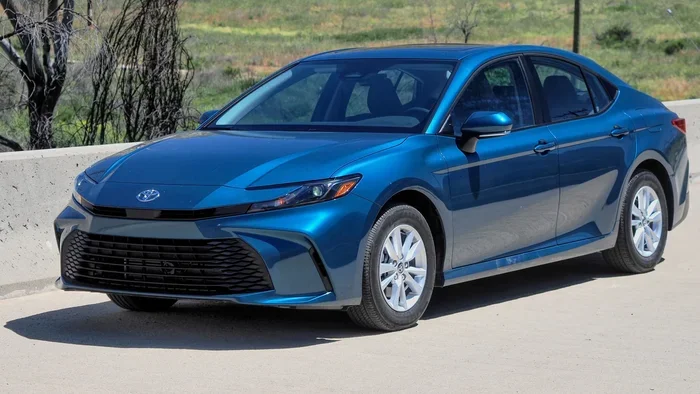
How Many Miles Can a Toyota Camry Last Before It Dies
A Toyota Camry can easily last 200,000 to 300,000 miles with proper care and regular maintenance. The Toyota Camry is one of the most reliable sedans on the road, and many owners report crossing the 300,000-mile mark without major issues. Understanding your Camry’s maintenance schedule, engine health, and common wear points is the key to maximizing its lifespan.
A Toyota Camry is one of those cars that just keeps going. Whether you bought it used or drove it new from the dealership, the Toyota Camry has a reputation for reliability that few other sedans can match. But exactly how many miles can a Toyota Camry last before it dies? That is the question every Camry owner or buyer wants answered.
The truth is, there is no single number. A Camry’s lifespan depends on maintenance habits, driving conditions, model year, and a bit of luck. However, most Toyota Camrys can comfortably reach 200,000 miles or more. Some well-cared-for examples have even crossed the 300,000-mile threshold. In this article, we will break down everything you need to know about Camry longevity, from engine durability to maintenance schedules and common issues to watch for.
If you are wondering whether your current Camry has more life left in it or are considering buying a used one, this guide will help you make an informed decision. Let us dive into the world of Toyota Camry mileage and reliability.
Key Takeaways
- Long Lifespan: A well-maintained Toyota Camry can last 200,000 to 300,000 miles or more.
- Regular Maintenance Matters: Staying on top of oil changes, timing belt replacements, and fluid checks dramatically extends Camry longevity.
- Model Year Matters: Newer Camry models (2018+) come with improved engines and technology that help them last longer.
- Driving Habits Count: Gentle driving, avoiding short trips, and not overloading the vehicle all contribute to a longer Camry lifespan.
- Hybrid Camrys Last Too: The Toyota Camry Hybrid offers excellent durability and can reach high mileages with proper battery care.
- Resale Value Stays Strong: Even at high mileage, a Camry holds its value better than most competing sedans.
📑 Table of Contents
- How Many Miles Does a Toyota Camry Typically Last?
- Toyota Camry Engine Life and Durability
- Toyota Camry Maintenance Schedule for Longevity
- Hybrid vs Gasoline Toyota Camry Lifespan
- Can You Make Your Toyota Camry Last Longer?
- Is It Worth Keeping a High-Mileage Toyota Camry?
- Common Mistakes That Shorten a Camry’s Life
- Expert Insights on Toyota Camry Longevity
- Final Thoughts
How Many Miles Does a Toyota Camry Typically Last?
When people ask about Camry longevity, they usually want a straight number. The short answer is that a Toyota Camry can last between 200,000 and 300,000 miles on average. But this number varies quite a bit depending on several factors.
The Toyota Camry has consistently ranked among the most reliable cars in consumer reports and J.D. Power studies. This is not by accident. Toyota engineers designed the Camry with durability in mind. The engines are built to handle high mileage, and the overall build quality is excellent.
Older Camry models from the early 2000s are famous for reaching 250,000 miles and beyond. Many of these older models still cruise the roads today with their original engines intact. Newer models from 2015 onward come with more advanced technology and improved materials, which means they may last even longer than their predecessors.
So if you are asking, “how many miles is a lot for a Toyota Camry,” the answer is anything above 200,000 miles. At that point, the Camry has proven its durability and still has plenty of life left.
What Affects Camry Lifespan?
Several factors determine how long your Camry will last. Let us look at the biggest ones.
Maintenance Schedule is the single most important factor. A Camry that gets regular oil changes, tire rotations, and fluid flushes will outlast one that does not. Skipping maintenance is the fastest way to shorten your Camry’s life.
Driving Conditions also play a big role. Cars driven mostly on highways tend to last longer than those stuck in city stop-and-go traffic. Highway driving keeps the engine at a steady temperature and reduces wear on brakes and transmission components.
Driving Habits matter too. Aggressive acceleration, hard braking, and redlining the engine all speed up wear and tear. Gentle, smooth driving extends every component’s lifespan.
Climate is another factor. Cars in salty coastal areas or extreme cold climates may experience faster corrosion or component wear. Keeping your Camry clean and protected helps counter these effects.
Toyota Camry Engine Life and Durability
The engine is the heart of any car, and the Toyota Camry engine is built to last. Most Camry engines are designed to handle 250,000 to 300,000 miles before needing a major rebuild or replacement. This is impressive for any vehicle, let alone a mid-size sedan.
The 2.5-liter four-cylinder engine found in most Camry models is known for its simplicity and reliability. It uses a chain-driven timing system rather than a belt, which reduces maintenance needs in newer models. The older models used a timing belt, which we will discuss in detail shortly.
The V6 engine option in older Camrys is also quite durable. While it uses more fuel, the V6 Camry can handle high mileage just as well as the four-cylinder version. Both engine types have proven themselves over decades of real-world use.
Common Engine Issues to Watch For
Even the most reliable engines can develop problems over time. Here are some common issues Camry owners should be aware of:
- Oil Consumption: Some Camry models, particularly older ones, may burn oil over time. Regular oil level checks help catch this early.
- Timing Belt Wear: Older Camrys with timing belts need replacement at around 60,000 to 100,000 miles. Check the timing belt replacement schedule for your specific model year.
- Water Pump Failure: The water pump can fail after high mileage, leading to overheating. Replacing it preventively is a smart move.
- Sensor Issues: Modern Camrys have many electronic sensors that can fail over time. These are usually inexpensive to fix but can trigger warning lights.
Regular oil changes using the recommended Toyota Camry oil weight are the single best thing you can do for engine longevity. Always use the grade recommended in your owner’s manual.
Toyota Camry Maintenance Schedule for Longevity
Keeping your Camry on a strict maintenance schedule is the best investment you can make. A well-maintained Camry will easily surpass 250,000 miles without major mechanical issues. Here is what you need to stay on top of.
Essential Maintenance Tasks
- Oil Changes: Change your oil every 5,000 to 7,500 miles with synthetic oil. This is the most important maintenance task for engine health.
- Tire Rotations: Rotate tires every 5,000 to 7,500 miles to ensure even wear and extend tire life.
- Brake Inspections: Have your brakes checked every 15,000 miles. Brake pads and rotors wear at different rates depending on driving habits.
- Fluid Flushes: Flush coolant, transmission fluid, and brake fluid at the intervals specified in your owner’s manual.
- Air Filter Replacement: Replace the engine air filter every 15,000 to 30,000 miles to maintain proper airflow and engine performance.
- Timing Belt Replacement: If your Camry uses a timing belt, replace it at the manufacturer’s recommended interval, typically around 60,000 to 100,000 miles.
Following these simple steps will keep your Camry running strong for hundreds of thousands of miles. And if you ever need help understanding your car’s warning lights, check out the maintenance indicator reset guide for helpful tips.
Hybrid vs Gasoline Toyota Camry Lifespan
The Toyota Camry Hybrid has been a popular choice for buyers who want better fuel economy without sacrificing reliability. But how does the hybrid version compare to the gasoline Camry in terms of lifespan?
The good news is that the Camry Hybrid can last just as long as the gasoline version. The hybrid system adds an electric motor and a battery pack, but Toyota has designed these components to be durable. The hybrid battery typically lasts 100,000 to 150,000 miles, and in many cases, even longer.
One advantage of the hybrid Camry is that the electric motor assists the gasoline engine, reducing overall wear. The engine runs less aggressively, which means less stress on internal components. This can translate to a slightly longer engine life compared to the gasoline-only version.
If you own a hybrid Camry, it is important to take care of the hybrid battery. You can learn more about extending your hybrid battery life in our guide on how to make your hybrid battery last longer. Regular maintenance and avoiding extreme temperatures will help your hybrid battery stay healthy for many years.
Which Lasts Longer?
In most cases, both versions last about the same number of miles. The hybrid Camry may have a slight edge because the electric motor reduces engine wear. However, the hybrid battery is an additional component that could fail, which would be an expensive repair. Overall, both the hybrid and gasoline Camry are excellent choices for long-term ownership.
Can You Make Your Toyota Camry Last Longer?
Absolutely. There are many things you can do to push your Camry past the 300,000-mile mark. It all comes down to how well you care for the vehicle.
The first step is to follow the maintenance schedule religiously. Do not skip oil changes or ignore warning lights. The engine management light can indicate issues that, if caught early, prevent costly damage down the road.
Second, drive gently. Avoid sudden acceleration and hard braking. Smooth driving reduces stress on the engine, transmission, and brakes. It also improves fuel economy, which is a nice bonus.
Third, address small problems immediately. A small leak or unusual noise today can become a major repair tomorrow. Catching issues early saves money and prevents further damage.
Fourth, keep your Camry clean inside and out. Washing the undercarriage regularly prevents rust, especially if you live in a cold or coastal area. Clean interiors also reduce wear on surfaces and components.
Finally, consider upgrading to proven longevity practices that have helped countless Camry owners reach 300,000 miles and beyond.
Quick Tips for Maximum Camry Longevity
- Use synthetic oil and change it on schedule
- Check tire pressure monthly
- Replace spark plugs at the recommended interval
- Do not ignore unusual sounds or smells
- Store your Camry in a garage when possible
- Use the correct fuel grade recommended by Toyota
- Keep detailed maintenance records
These simple habits add up over time and can easily add 50,000 to 100,000 miles to your Camry’s life.
Is It Worth Keeping a High-Mileage Toyota Camry?
Many buyers hesitate when they see a Camry with over 150,000 miles on the odometer. But the truth is, a high-mileage Camry can be an excellent purchase if it has been well maintained.
Toyota Camry reliability does not drop off sharply at any particular mileage. A Camry with 200,000 miles that has had regular oil changes and maintenance can easily go another 100,000 miles. That is a total lifespan of 300,000 miles, which represents many years of faithful service.
When shopping for a used Camry, look for maintenance records if possible. A Camry with documented service history is a much safer bet than one with unknown past maintenance. Also, check for signs of rust, listen for unusual noises during a test drive, and have a trusted mechanic inspect the vehicle before purchase.
Even at high mileage, a Camry holds its value well. The Toyota Camry resale value is among the best in the midsize sedan segment. This means that even if you buy a high-mileage Camry, you will not lose much money when it is time to sell or trade it in.
When to Consider Replacing Your Camry
There comes a point when keeping an older Camry is no longer cost-effective. If major repairs start piling up and the cost exceeds the car’s value, it might be time to consider a replacement. However, for most Camry owners, this does not happen until well past the 300,000-mile mark.
The Toyota Camry is also known for strong resale value even at high mileage. If you are wondering whether your Camry is still worth keeping, check its current market value. You might be surprised at how much a well-maintained Camry is worth, even with 200,000 or more miles on the clock.
Common Mistakes That Shorten a Camry’s Life
Knowing what not to do is just as important as knowing what to do. Here are common mistakes that can shorten your Camry’s lifespan:
- Skipping Oil Changes: This is the #1 killer of engines. Old oil loses its lubricating properties and causes increased friction and wear.
- Ignoring Warning Lights: Today’s Camrys are full of sensors that detect problems early. Ignoring warning lights means small issues become big problems.
- Using the Wrong Oil: Always use the oil weight recommended by Toyota. Using the wrong grade can reduce engine protection.
- Overloading the Vehicle: Excess weight puts extra strain on the engine, brakes, and suspension. Stay within the recommended load limits.
- Neglecting Fluid Checks: Transmission fluid, coolant, and brake fluid all need regular attention. Low fluid levels cause serious damage over time.
- Hard Acceleration and Braking: This wears out brakes, transmission, and engine components faster than gentle driving.
Avoiding these mistakes alone can add tens of thousands of miles to your Camry’s life. It is all about consistency and paying attention to your vehicle’s needs.
Expert Insights on Toyota Camry Longevity
Automotive experts consistently rate the Toyota Camry as one of the longest-lasting sedans on the market. Consumer Reports has given the Camry high reliability ratings for decades. J.D. Power has recognized Toyota’s build quality and durability time and again.
Mechanics who work on Camrys regularly report that these vehicles are among the easiest to maintain. Parts are widely available, and the engines are straightforward to work on. This makes DIY maintenance more accessible for Camry owners who want to save money.
One mechanic we spoke with put it simply: “The Toyota Camry is the last car you will ever need to buy if you take care of it.” This sentiment is echoed by thousands of Camry owners who have reached the 300,000-mile mark without a single major engine or transmission failure.
The key takeaway from experts is clear: the Toyota Camry is built to last. But it needs your help through regular maintenance and careful driving. Treat your Camry well, and it will reward you with years of dependable service.
Final Thoughts
So, how many miles can a Toyota Camry last before it dies? The answer is clear: with proper care, a Toyota Camry can easily last 200,000 to 300,000 miles or more. This makes it one of the most durable and cost-effective sedans you can buy.
The Toyota Camry’s legendary reliability comes from a combination of solid engineering, quality materials, and Toyota’s commitment to building vehicles that last. But even the best-built car needs maintenance. Regular oil changes, fluid flushes, and timely repairs are the price of admission for a long-lasting Camry.
Whether you drive a brand-new Camry or a used one with 150,000 miles already on the clock, you have a vehicle that can serve you well for many years to come. Take care of it, drive it gently, and address small issues before they become big problems. Your Camry will keep going long after you think it should.
If you are ever unsure about your Camry’s maintenance needs, always consult your owner’s manual or a trusted Toyota mechanic. And remember, the Toyota Camry is not just a car. It is a long-term partner that will get you where you need to go, mile after mile, year after year.
Frequently Asked Questions
Is 200,000 miles a lot for a Toyota Camry?
Not really. 200,000 miles is considered the midpoint for a well-maintained Camry. With proper care, many Camrys go well beyond 200,000 miles without major issues. This is a sign that the vehicle still has plenty of life left in it.
What is the average lifespan of a Toyota Camry?
The average Toyota Camry lasts between 200,000 and 300,000 miles. With regular maintenance and gentle driving, some Camrys exceed 300,000 miles. The exact lifespan depends on how well the vehicle is cared for over the years.
Can a Toyota Camry last 400,000 miles?
Yes, it is possible for a Toyota Camry to reach 400,000 miles, though it is rare. This requires exceptional maintenance, gentle driving habits, and a bit of luck with components not failing unexpectedly. Most Camrys will comfortably reach 250,000 to 300,000 miles.
How often should I change the oil in my Toyota Camry?
You should change the oil in your Toyota Camry every 5,000 to 7,500 miles using synthetic oil. Regular oil changes are the single most important maintenance task for extending your Camry’s engine life. Always use the oil weight recommended in your owner’s manual.
Are Toyota Camrys reliable for long road trips?
Yes, Toyota Camrys are excellent for long road trips. They are comfortable, fuel-efficient, and built to handle high mileage. Just make sure to check fluid levels, tire pressure, and overall condition before any long journey.
At what mileage should a Toyota Camry timing belt be replaced?
Timing belt replacement is typically recommended at 60,000 to 100,000 miles for Camry models that use a timing belt. Check the specific schedule for your model year. Newer Camry models use a timing chain, which requires less frequent replacement.