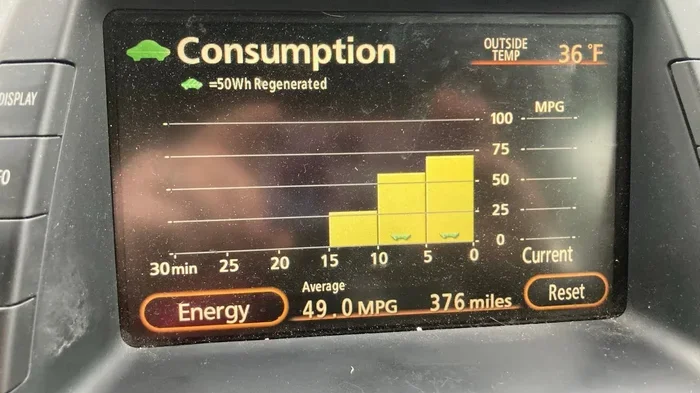
how many km does the toyota hybrid 18 really achieve
The Toyota Hybrid 1.8 delivers impressive real-world fuel economy, but actual km per liter figures vary based on driving habits and conditions. Most owners report between 18 and 24 km per liter in mixed driving, making it one of the most fuel efficient Toyota models on the road. Understanding what affects this number helps you get the best results.
The Toyota Hybrid 1.8 has been a favorite among car buyers for years. It promises great fuel economy, smooth driving, and lower running costs. But one question keeps coming up in forums and showrooms: how many km does the Toyota Hybrid 1.8 really achieve? The answer is not as simple as a single number on a sticker. Real-world results depend on how you drive, where you drive, and how well you maintain the vehicle.
In this guide, we break down the actual km per liter figures you can expect from the Toyota Hybrid 1.8. We look at city driving, highway driving, and everything in between. We also share practical tips to help you squeeze every last kilometer out of each liter of fuel. Whether you own one or are thinking about buying one, this article gives you the honest numbers and the advice you need.
The Toyota Hybrid 1.8 uses a clever combination of a gasoline engine and an electric motor. This hybrid powertrain works together to reduce fuel waste. At low speeds, the electric motor handles the work. At higher speeds, the gasoline engine takes over. The system also recaptures energy during braking. This means less fuel is burned and more kilometers are covered per liter. But how does this translate into real numbers on your dashboard?
Key Takeaways
- Real-world km: The Toyota Hybrid 1.8 typically achieves 18 to 24 km per liter in everyday driving conditions.
- City driving advantage: The hybrid system shines in stop-and-go traffic, often delivering better km than highway driving.
- Driving habits matter: Smooth acceleration and gentle braking significantly boost your Toyota hybrid mileage.
- Battery health is key: Keeping the hybrid battery in good condition directly impacts long-term fuel economy.
- Maintenance plays a role: Regular service and proper tire pressure help the 1.8 hybrid maintain its rated efficiency.
- Realistic expectations: Manufacturer claims are optimistic; actual results depend on many real-world factors.
📑 Table of Contents
- Understanding the Toyota Hybrid 1.8 Engine and Its Efficiency
- Real-World KM Figures for the Toyota Hybrid 1.8
- Factors That Affect Toyota Hybrid 1.8 Fuel Economy
- City vs Highway: How the 1.8 Hybrid Performs in Different Conditions
- Tips to Maximize Your Toyota Hybrid 1.8 KM
- Common Mistakes That Reduce Toyota Hybrid 1.8 Mileage
- Expert Insights on Toyota Hybrid 1.8 Long-Term Performance
- Conclusion
Understanding the Toyota Hybrid 1.8 Engine and Its Efficiency
The Toyota Hybrid 1.8 features a 1.8-liter four-cylinder engine paired with an electric motor. Together, they produce around 136 horsepower. This might not sound like a lot, but the system is designed for efficiency, not raw power. The engine uses the Atkinson cycle, which prioritizes fuel economy over peak horsepower. This is a key reason why the Toyota hybrid 1.8 km per liter figures are so competitive.
Here is a quick look at the core components that make this system work:
- 1.8L Gasoline Engine: Handles cruising and higher-speed driving. It is tuned for maximum efficiency.
- Electric Motor: Takes over at low speeds and during acceleration. It uses stored energy from the hybrid battery.
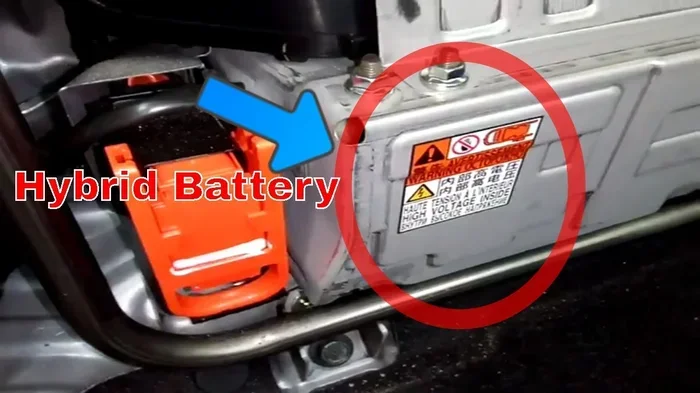
- Hybrid Battery: A small nickel-metal hydride or lithium-ion battery pack. It stores energy recaptured during braking.
- Power Control Unit: Manages the flow of energy between the engine, motor, and battery.
- Regenerative Braking System: Converts kinetic energy back into stored electrical energy when you slow down.
All of these parts work together seamlessly. The driver does not need to do anything special. The car automatically switches between power sources based on driving conditions. This is what makes the Toyota Hybrid 1.8 so appealing. You get the feel of a normal car with the benefits of a hybrid system.
How the Hybrid System Saves Fuel
The hybrid system saves fuel in several ways. First, it shuts off the gasoline engine when the car is idling, such as at traffic lights. Second, it uses the electric motor for low-speed maneuvers. Third, it recovers energy during deceleration. Fourth, it optimizes engine load to keep the gasoline engine working in its most efficient range. Together, these strategies reduce the amount of fuel consumed per kilometer. This is why many owners see such strong Toyota hybrid mileage numbers.
Real-World KM Figures for the Toyota Hybrid 1.8
So, how many km does the Toyota Hybrid 1.8 really achieve? Let us look at the numbers. Toyota claims the Hybrid 1.8 can deliver around 22 to 26 km per liter under ideal conditions. These are the numbers you see in brochures and on the window sticker. But real-world results tell a slightly different story.
Most Toyota Hybrid 1.8 owners report the following ranges:
- City Driving: 20 to 25 km per liter. Stop-and-go traffic actually helps the hybrid system work efficiently.
- Highway Driving: 18 to 22 km per liter. Constant speeds are good, but the engine runs more often at highway pace.
- Mixed Driving: 19 to 24 km per liter. This is the most common figure reported by everyday owners.
- Aggressive Driving: 15 to 18 km per liter. Hard acceleration and speeding eat into fuel economy quickly.
These numbers align with what you would expect from a fuel efficient Toyota model. The Hybrid 1.8 is not a sports car. It is designed to save fuel. And it does that job very well. But the numbers also show that how you drive has a big impact on your results.
For comparison, a similar non-hybrid 1.8L Toyota model might achieve around 12 to 15 km per liter. That is a significant difference. The hybrid system adds roughly 40 to 60 percent more range per liter. Over time, this adds up to real savings at the fuel pump.
Factors That Affect Toyota Hybrid 1.8 Fuel Economy
Many things influence how many km your Toyota Hybrid 1.8 will achieve. Some factors are within your control. Others are not. Understanding these factors helps you set realistic expectations and find ways to improve your numbers.
Driving Style
Your driving style is the biggest factor. Aggressive acceleration burns more fuel. Hard braking wastes the energy the hybrid system worked to recapture. Smooth, gradual inputs keep the system working efficiently. If you want better Toyota hybrid mileage, ease off the pedal and coast to stops when possible.
Traffic Conditions
City traffic with lots of stops and starts actually benefits the hybrid system. The electric motor handles low-speed driving, and regenerative braking keeps the battery charged. Highway driving is also efficient, but the gasoline engine runs more continuously. Both scenarios have their advantages for hybrid vehicle efficiency.
Vehicle Load and Aerodynamics
Carrying heavy loads or towing a trailer reduces fuel economy. Roof racks and cargo boxes create drag, which forces the engine to work harder. Keeping your load light and removing external accessories when not needed helps maintain strong km per liter figures.
Tire Pressure and Maintenance
Underinflated tires create rolling resistance. This means the engine must work harder to move the car. Keeping tires at the recommended pressure is a simple way to improve fuel economy. Regular maintenance, including oil changes and air filter replacements, also keeps the engine running efficiently.
Climate and Weather
Cold weather reduces fuel economy. The engine takes longer to reach optimal temperature. Heating the cabin also uses energy. Hot weather can affect air conditioning use. Both extremes can lower your Toyota hybrid 1.8 km numbers compared to mild conditions.
City vs Highway: How the 1.8 Hybrid Performs in Different Conditions
The Toyota Hybrid 1.8 behaves differently in city and highway settings. Understanding these differences helps you plan your trips and set realistic fuel expectations.
City Driving Performance
City driving is where the Toyota Hybrid 1.8 truly shines. In stop-and-go traffic, the electric motor handles most of the work. The gasoline engine shuts off at idle. Regenerative braking keeps the battery topped up. Many owners report their best km per liter figures in city driving. If your daily commute involves heavy urban traffic, the hybrid system works in your favor.
Here are some practical tips for maximizing city fuel economy:
- Use EV mode when available for short, low-speed stretches.
- Avoid hard acceleration from traffic lights.
- Coast to red lights instead of braking hard at the last second.
- Keep a safe following distance to reduce unnecessary stops.
Highway Driving Performance
Highway driving is less advantageous for the hybrid system. The gasoline engine runs more frequently at steady speeds. The electric motor provides less assistance on open roads. However, the Toyota Hybrid 1.8 still performs well on highways. Cruise control at steady speeds helps maintain efficiency. Most owners see 18 to 22 km per liter on the highway, which is still very competitive.
If you do a lot of highway driving, consider these tips:
- Use cruise control on flat roads to maintain steady speed.
- Avoid speeds above 120 km/h, which significantly increases fuel use.
- Keep windows closed at high speeds to reduce aerodynamic drag.
- Check tire pressure before long highway trips.
Tips to Maximize Your Toyota Hybrid 1.8 KM
Want to get the most kilometers out of every liter? These practical tips help you push your Toyota Hybrid 1.8 closer to its best possible fuel economy.
1. Drive Smoothly and Predictably
The single best way to improve fuel economy is to drive smoothly. Accelerate gently. Brake early and lightly. Look ahead to anticipate traffic flow. This lets the hybrid system work efficiently and reduces wasted energy. Smooth driving can improve your Toyota hybrid mileage by 10 to 15 percent.
2. Use Eco Mode
Most Toyota Hybrid 1.8 models come with an Eco mode. This setting adjusts throttle response, air conditioning, and other systems to prioritize fuel economy. Switching to Eco mode is an easy way to squeeze out extra kilometers per liter. It does not make the car slow. It just makes it more efficient.
3. Keep the Hybrid Battery Healthy
A healthy hybrid battery is essential for maintaining strong fuel economy. If the battery degrades, the system relies more on the gasoline engine. This reduces your km per liter significantly. To keep the battery in good shape, avoid fully draining it, and try to drive regularly so the battery stays active. You can also read more about how to keep your hybrid battery healthy for detailed maintenance advice.
4. Reduce Unnecessary Weight
Every extra kilogram in your car requires more energy to move. Remove roof boxes when not in use. Clear out the trunk of heavy items you do not need. Even small weight reductions can add up over time and improve your overall Toyota hybrid 1.8 km figures.
5. Plan Your Routes
Planning routes to avoid heavy traffic and steep hills helps maintain fuel economy. Flat roads with steady speeds are ideal for the hybrid system. If you have the option, choose routes with less stop-and-go traffic when possible. This simple change can make a noticeable difference in your weekly fuel consumption.
6. Keep Up with Regular Maintenance
Regular service keeps the Toyota Hybrid 1.8 running at its best. Oil changes, air filter replacements, and spark plug checks all contribute to fuel efficiency. A well-maintained engine burns less fuel and produces more kilometers per liter. Following the manufacturer’s service schedule is one of the easiest ways to protect your fuel economy.
Common Mistakes That Reduce Toyota Hybrid 1.8 Mileage
Some habits quietly drain your fuel economy. Being aware of these mistakes helps you avoid them and keep your Toyota Hybrid 1.8 running efficiently.
Ignoring Tire Pressure
Underinflated tires create extra rolling resistance. The engine must work harder to maintain speed. This can reduce your fuel economy by 3 to 5 percent. Check your tire pressure at least once a month. Keep them at the recommended level listed on the driver’s door sticker.
Carrying Heavy Roof Loads
A roof rack or cargo box creates significant aerodynamic drag. This is especially noticeable at highway speeds. If you do not need the roof load, remove it. Your fuel economy will thank you. This is one of the simplest ways to recover lost km per liter.
Using Air Conditioning Excessively
The air conditioning system puts extra load on the engine. In mild weather, consider using the vent setting instead of full AC. On hot days, using AC on a moderate setting is more efficient than blasting it on maximum. Finding a balance keeps you comfortable without sacrificing too much fuel economy.
Ignoring Hybrid Battery Health
A weak or degraded hybrid battery forces the gasoline engine to work harder. This directly reduces your fuel economy. If you notice a drop in Toyota hybrid mileage, have the battery checked. Regular driving helps keep the battery healthy, but age and usage eventually affect performance.
Filling Up with the Wrong Fuel
Always use the fuel grade recommended by Toyota. Using a lower octane fuel can cause engine knocking and reduced efficiency. Using a higher octane fuel than required does not improve performance or economy. Stick with the recommended grade for the best results.
Expert Insights on Toyota Hybrid 1.8 Long-Term Performance
Over the long term, the Toyota Hybrid 1.8 holds up well. The hybrid system is known for its reliability and durability. Many owners report consistent fuel economy even after 100,000 kilometers or more. The key is proper maintenance and realistic expectations.
For those interested in long-term ownership, it is worth noting that the hybrid battery typically lasts 150,000 to 200,000 kilometers before needing replacement. However, many batteries last even longer with proper care. If you want to learn more about extending your hybrid battery life, check out this guide on how to make your hybrid battery last longer. It offers practical strategies that apply to the Toyota Hybrid 1.8 as well.
Another important consideration is the cost of ownership. The Toyota Hybrid 1.8 saves money on fuel over time. Even with a slightly higher purchase price, the fuel savings often offset the difference within a few years of ownership. This makes it a smart choice for budget-conscious buyers who still want a reliable and comfortable car.
When it comes to hybrid vehicle efficiency, the Toyota Hybrid 1.8 remains a strong contender in its class. It may not be the most powerful Toyota on the road. But when it comes to fuel economy and real-world km per liter results, it is hard to beat. The combination of a refined 1.8L engine, an efficient electric motor, and Toyota’s proven hybrid technology creates a vehicle that delivers on its promises.
Conclusion
The Toyota Hybrid 1.8 achieves impressive real-world fuel economy. Most owners see between 18 and 24 km per liter in mixed driving. City driving can push those numbers even higher. Highway driving brings slightly lower but still competitive results. The key to getting the best Toyota hybrid 1.8 km figures is smooth driving, regular maintenance, and a healthy hybrid battery.
By following the tips in this guide, you can maximize your fuel economy and enjoy the full benefits of the Toyota Hybrid 1.8. Drive smoothly, keep up with service, and remove unnecessary weight. These simple steps add up to real savings at the fuel pump. The Toyota Hybrid 1.8 is a proven, reliable, and efficient choice. With proper care, it will continue to deliver excellent km per liter for many years to come.
Frequently Asked Questions
How many km per liter does the Toyota Hybrid 1.8 actually achieve?
Most Toyota Hybrid 1.8 owners report between 18 and 24 km per liter in mixed driving. City driving often yields higher numbers, around 20 to 25 km per liter, while highway driving typically ranges from 18 to 22 km per liter. Your actual results depend on driving style, traffic, and vehicle condition.
Is the Toyota Hybrid 1.8 good for long-distance highway driving?
Yes, the Toyota Hybrid 1.8 handles highway driving well. It delivers 18 to 22 km per liter on open roads. While city driving brings the best fuel economy, the hybrid system still works efficiently at steady highway speeds. Using cruise control helps maintain consistent fuel use.
How can I improve my Toyota Hybrid 1.8 fuel economy?
Drive smoothly with gentle acceleration and early braking. Use Eco mode when available. Keep tires properly inflated. Remove unnecessary weight and roof loads. Regular maintenance, including oil changes and air filter replacements, also helps maintain strong fuel economy.
Does the Toyota Hybrid 1.8 battery degrade over time?
Like all hybrid batteries, the Toyota Hybrid 1.8 battery gradually loses capacity over many years. Most batteries last 150,000 to 200,000 kilometers before needing replacement. Driving regularly and avoiding deep discharges helps extend battery life. For more tips, see how to keep your hybrid battery healthy.
Can you drive a Toyota Hybrid 1.8 without the hybrid battery?
The Toyota Hybrid 1.8 can still run on the gasoline engine alone if the hybrid battery fails. However, fuel economy drops significantly and the car may feel sluggish. You can learn more about what happens when a hybrid battery fails in this guide on driving a Prius without the hybrid battery.
What fuel should I use in the Toyota Hybrid 1.8?
Toyota recommends regular unleaded gasoline with an octane rating of 87 or higher. Using the recommended fuel grade ensures optimal engine performance and fuel economy. Higher octane fuels do not improve efficiency in this engine. Stick with what the manufacturer specifies for the best results.
=== CONCLUSION ===
The Toyota Hybrid 1.8 delivers strong and reliable fuel economy in real-world conditions. With proper care and smart driving habits, you can achieve excellent km per liter numbers that make this hybrid a joy to own. The key is understanding what affects your mileage and taking steps to optimize your results.