How Long Does a Toyota 4Runner Last and What Affects It
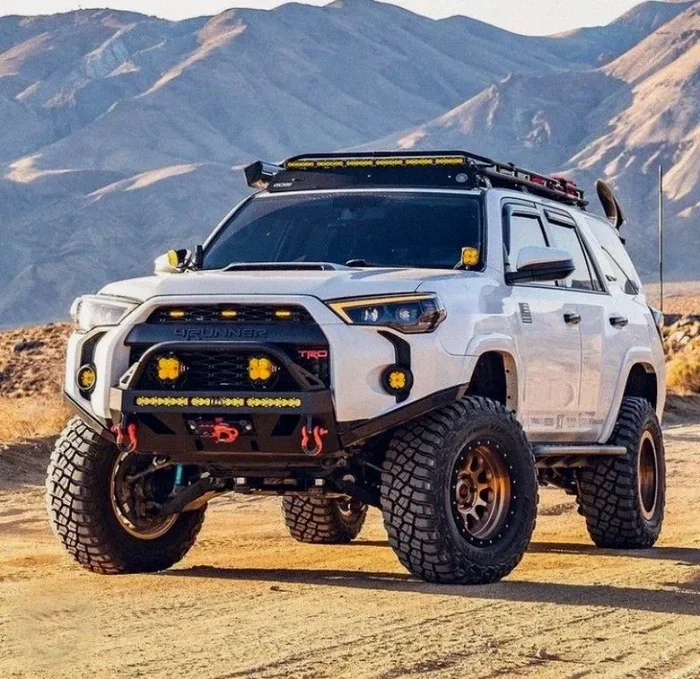
A Toyota 4Runner can easily last 200,000 to 300,000 miles or more with proper care. The 4Runner lifespan depends heavily on maintenance habits, driving conditions, and how well you follow the recommended service schedule. Most owners report 15 to 20 years of dependable use before major issues arise.
The Toyota 4Runner is one of the most durable SUVs on the road today. People buy it for its rugged looks, off-road chops, and legendary reliability. But the real question most buyers ask is simple: how long does a Toyota 4Runner last?
The short answer is impressive. With regular care, a Toyota 4Runner lifespan of 200,000 miles or more is totally normal. Some owners push their 4Runners past 300,000 miles without a single major breakdown. That kind of durability is rare in the SUV world, and it is a big reason the 4Runner has such a loyal fan base.
In this guide, we will break down everything that affects the 4Runner longevity. You will learn about the engine, the transmission, common problems, and the best ways to keep your 4Runner running strong for decades. Whether you own one already or are thinking about buying one, this article has the answers you need.
Key Takeaways
- Long Lifespan: A well-maintained Toyota 4Runner routinely reaches 200,000 to 300,000 miles and can last 15 to 20 years or longer.
- Maintenance Is Key: Regular oil changes, timing belt replacements, and fluid flushes dramatically extend the 4Runner engine life.
- Driving Conditions Matter: Off-road use, extreme weather, and heavy towing all impact how long a Toyota 4Runner lasts.
- Generational Differences: Newer 4Runner models (2010+) feature improved engineering and materials that boost long-term durability.
- Common Issues Are Fixable: Problems like transmission wear and rust can be managed with early detection and prompt repairs.
- Resale Value Stays Strong: Even older 4Runners hold their value well, making them a smart long-term investment.
📑 Table of Contents
- How Long Does a Toyota 4Runner Last on Average?
- What Affects the Toyota 4Runner Lifespan?
- The Toyota 4Runner Engine: How Long Does It Really Last?
- Transmission and Drivetrain Longevity
- Body and Frame Durability
- Common Problems That Can Shorten a 4Runner’s Life
- How to Make Your Toyota 4Runner Last as Long as Possible
- 4Runner Generations and Their Reliability
- 4Runner Resale Value and Long-Term Ownership Costs
- Final Thoughts on Toyota 4Runner Longevity
How Long Does a Toyota 4Runner Last on Average?
Most Toyota 4Runners are built to go the distance. The average 4Runner mileage lifespan falls between 200,000 and 300,000 miles. With gentle driving and consistent maintenance, many owners reach the 300,000-mile mark without spending a fortune on repairs.
To put that in perspective, the average driver covers about 13,000 to 15,000 miles per year. At that rate, a 4Runner can easily serve you for 15 to 20 years. Some dedicated owners even push past the 20-year mark and still rely on their truck for daily driving and weekend adventures.
What the Data Shows
Real-world data backs up the Toyota 4Runner durability reputation. According to various owner surveys and automotive studies:
- High-mileage 4Runners (over 200,000 miles) are very common and still roadworthy.
- Well-maintained models from the 2000s and 2010s regularly hit 250,000 miles.
- Common issues tend to appear after 150,000 miles, but they are manageable.
- Engine failures before 200,000 miles are rare and usually linked to neglected maintenance.
The 4Runner engine life is one of the strongest selling points of this vehicle. The 4.0-liter V6 engine found in most generations is known for its simplicity and strength. It does not have complex turbo systems or direct injection that can fail at high mileage. That straightforward design is a big reason the engine lasts so long.
What Affects the Toyota 4Runner Lifespan?
Not every 4Runner reaches 300,000 miles. Several factors play a role in determining how long your specific truck will last. Understanding these factors helps you take control of your vehicle’s future.
Maintenance Habits
This is the single biggest factor. A Toyota 4Runner maintenance schedule followed closely will add years to your vehicle’s life. Here is what matters most:
- Oil changes every 5,000 to 7,500 miles keep the engine lubricated and clean.
- Transmission fluid flushes every 60,000 to 90,000 miles prevent internal wear.
- Timing belt replacement around 90,000 to 105,000 miles prevents catastrophic engine damage.
- Coolant flushes every 30,000 miles stop the engine from overheating.
- Brake pad replacements on schedule protect rotors and calipers from further damage.
Skipping these services might save a little money short term, but it leads to expensive repairs later. The 4Runner reliability depends on the care you put into it.
Driving Conditions
Where and how you drive matters a lot. A 4Runner used for highway commuting in a mild climate will last longer than one used for extreme off-roading or driven daily in harsh weather.
- Highway driving is easier on the engine and transmission than stop-and-go city driving.
- Off-road use puts extra stress on the suspension, drivetrain, and body panels.
- Extreme heat can accelerate wear on cooling system components.
- Cold weather can cause condensation in the engine and exhaust system. If you live somewhere where a car sits in the cold for long stretches, moisture buildup becomes a real concern.
If you use your 4Runner for heavy loads or towing, you need to be extra careful. Exceeding the how much weight a regular car can carry puts strain on the engine, brakes, and suspension. Staying within the recommended limits protects your truck’s longevity.
Driving Style
How you drive directly impacts the Toyota 4Runner durability. Aggressive driving habits shorten the lifespan of many components:
- Hard acceleration wears out the engine and transmission faster.
- Riding the brakes causes premature brake wear and overheating.
- Redlining the engine regularly puts unnecessary stress on internal parts.
- Cold starts without warming up can cause extra wear on engine components.
Smooth, steady driving is the best way to maximize your 4Runner’s lifespan. Treat your truck well, and it will reward you with years of dependable service.
The Toyota 4Runner Engine: How Long Does It Really Last?
The heart of any 4Runner is its engine. The 4Runner engine life is one of the reasons this vehicle has such a strong reputation. Let us look at what makes the engine so durable and what can go wrong.
The 4.0-Liter V6 Engine
Most 4Runners from 2003 to 2023 use the 4.0-liter V6 engine (known as the 1GR-FE). This engine is simple, robust, and proven. It produces about 270 horsepower and 278 lb-ft of torque. More importantly, it is designed with longevity in mind.
Key features that contribute to the engine’s long life include:
- Cast iron block for strength and heat dissipation.
- Simple timing chain design (no timing belt to break in some versions).
- Overhead cam configuration that reduces valve train wear.
- Sequential fuel injection that delivers fuel efficiently and evenly.
Many owners report 4Runner engine life well past 250,000 miles with no major engine work needed. The engine does not have many of the complex components that fail on newer turbo engines. That simplicity is its greatest strength.
Common Engine Issues at High Mileage
Even the best engines develop issues over time. Here are the most common problems seen on high-mileage 4Runners:
- Oil consumption can increase after 150,000 miles. Regular oil level checks help catch this early.
- Valve cover gasket leaks are common and relatively inexpensive to fix.
- Timing chain wear can cause rattling noises, especially on cold starts.
- Water pump failure typically occurs after 150,000 miles and is a straightforward repair.
None of these issues are deal-breakers. They are all fixable, and catching them early keeps repair costs low. This is why following a consistent maintenance routine is so important for 4Runner longevity.
Transmission and Drivetrain Longevity
The transmission is another critical component that affects the overall Toyota 4Runner lifespan. The 4Runner has used two main transmissions over the years, and both have their strengths.
Automatic Transmission
Most 4Runners come with a 5-speed or 6-speed automatic transmission. These transmissions are known for being tough and reliable. With proper care, the automatic transmission can easily last 200,000 miles or more.
Tips to protect your transmission:
- Change the transmission fluid every 60,000 miles using Toyota-spec ATF.
- Avoid towing beyond capacity, which overheats the transmission.
- Let the transmission shift smoothly and do not slam the throttle from a standstill.
Manual Transmission
The 6-speed manual transmission found in some 4Runner trims is even more durable in many cases. Manual transmissions have fewer electronic components that can fail. Many manual 4Runners have crossed the 300,000-mile mark with only clutch replacements needed.
The 4Runner transmission life is excellent when you treat it right. The key is fluid maintenance and avoiding overheating situations.
Body and Frame Durability
The 4Runner is built on a body-on-frame platform, which is one of the most durable construction methods available. This separate frame design gives the 4Runner incredible structural strength and contributes to its long lifespan.
Frame Strength
The ladder-frame chassis is the same type used in heavy-duty trucks. It can handle decades of use without cracking or bending under normal conditions. The frame is the backbone of the vehicle, and Toyota built it to last.
Rust and Corrosion
Rust is one of the biggest enemies of any vehicle’s lifespan. Older 4Runners (pre-2010) are more susceptible to rust, especially in areas that use road salt during winter. Here is how to protect your 4Runner:
- Wash the undercarriage regularly, especially in winter months.
- Apply rust-proofing treatment every few years.
- Fix small rust spots immediately before they spread.
- Keep the interior dry to prevent floor pan corrosion.
Newer 4Runner models (2010+) use improved anti-corrosion treatments and materials. These trucks are naturally more resistant to rust, which adds to their long-term durability.
Common Problems That Can Shorten a 4Runner’s Life
Every vehicle has its weak points. Knowing what to watch for helps you address issues before they become serious threats to your Toyota 4Runner durability.
Transmission Slipping
Some 4Runners experience transmission slipping after 150,000 miles. Symptoms include hesitation during shifts or a feeling of the transmission “hunting” for gears. Regular fluid changes help prevent this, but if it happens, a rebuild or replacement is usually the fix.
Suspension Wear
The 4Runner’s suspension takes a beating, especially if you off-road. Common suspension issues include:
- Worn control arm bushings after 100,000 to 150,000 miles.
- Rear leaf spring sagging when the truck is heavily loaded.
- Shock absorber failure that causes poor ride quality and handling.
Replacing suspension components is relatively affordable and keeps the truck safe and comfortable to drive.
Electrical Gremlins
Older 4Runners can develop electrical issues over time. These include flickering lights, faulty power window motors, and sensor failures. Most electrical problems are not life-threatening but can be annoying. Regular inspections help catch wiring issues before they worsen.
Coolant System Failures
The water pump, thermostat, and radiator hoses are common failure points. Overheating is the enemy of any engine, so keeping the cooling system in top shape is essential for long engine life.
How to Make Your Toyota 4Runner Last as Long as Possible
Want to push your 4Runner past 300,000 miles? It is absolutely possible with the right approach. Here are proven strategies to maximize your 4Runner longevity.
Follow the Maintenance Schedule
Toyota provides a detailed maintenance schedule in the owner’s manual. Follow it to the letter. Do not skip oil changes, fluid flushes, or inspections. The cost of routine maintenance is tiny compared to the cost of major repairs caused by neglect.
Many owners who have hit the 300,000-mile mark credit their strict adherence to the maintenance schedule. It is the single most important thing you can do for your truck.
Address Issues Early
Do not ignore warning signs. A small rattle, a check engine light, or a slight fluid leak can signal bigger problems. The sooner you diagnose and fix an issue, the less it will cost and the less damage it will cause.
Keep It Clean
Regular washing and waxing protect the paint and body from corrosion. Cleaning the interior prevents moisture buildup that leads to mold and rust. A clean truck is a healthy truck.
Store It Properly
If you are not driving your 4Runner for an extended period, proper storage matters. A car that sits in cold weather for too long can develop battery issues, flat spots on tires, and moisture damage in the engine. If you must store it, use a quality cover, keep the battery on a trickle charger, and store it in a dry, temperature-controlled space.
Many owners also follow the advice found in guides about how to make a car last 500 thousand miles. The principles are the same: consistent care, early repairs, and smart storage habits.
Drive It Regularly
A 4Runner that sits too long develops problems. The seals dry out, the battery drains, and fluids settle. Driving the truck regularly keeps all systems lubricated and functioning properly. Even a short weekly drive is better than letting the truck sit for weeks.
4Runner Generations and Their Reliability
Not all 4Runners are created equal. Some generations are known for better reliability than others. Here is a quick look at the most popular generations and their reputation for long-term durability.
| Generation | Years | Engine | Known For |
|---|---|---|---|
| 3rd Gen (N180) | 2003-2009 | 4.0L V6 | Strong reliability, simple design, easy to maintain |
| 4th Gen (N280) | 2010-2024 | 4.0L V6 | Improved rust protection, better electronics, refined ride |
| 5th Gen | 2024+ | 3.5L Twin-Turbo V6 | More power, modern tech, new reliability questions |
The 3rd and 4th generation 4Runners are the most proven when it comes to long-term durability. Their simple engines and straightforward designs make them easy to maintain and repair. The 5th generation is too new to have a long-term track record, but early signs are promising.
4Runner Resale Value and Long-Term Ownership Costs
One of the hidden benefits of a long-lasting 4Runner is its resale value. Even after 10 or 15 years of ownership, a well-maintained 4Runner holds its value remarkably well. This is partly because the Toyota 4Runner durability reputation means buyers trust these trucks to keep running.
The cost of ownership over the long haul is also reasonable. Toyota parts are widely available and affordable. The simple engine design means repairs are straightforward and do not require expensive specialized tools. And because 4Runners are so popular, finding a qualified mechanic is easy almost anywhere.
Compared to many competitors in the SUV segment, the 4Runner offers a lower total cost of ownership over 15 or 20 years. The initial purchase price is higher than some alternatives, but the long-term reliability and strong resale value more than make up for it.
If you are wondering about the financial side, understanding how much a car salesman makes on a 30,000 car can give you perspective on the profit margins in the auto industry. When you buy a 4Runner and keep it for 15+ years, you keep that money in your own pocket instead of paying it to dealers or financing companies.
Final Thoughts on Toyota 4Runner Longevity
The Toyota 4Runner is one of the longest-lasting SUVs you can buy. With an average lifespan of 200,000 to 300,000 miles and the potential to reach 300,000+ miles, it is a vehicle that rewards careful ownership.
The key factors that determine how long a Toyota 4Runner lasts are maintenance, driving habits, and environmental conditions. Control what you can, and your 4Runner will serve you for decades. Follow the maintenance schedule, drive smoothly, address issues early, and store the truck properly when not in use.
The 4Runner is not just a vehicle. It is a long-term companion that can take you on countless adventures, daily commutes, and everything in between. Treat it right, and it will keep showing up for you year after year. That is the true meaning of 4Runner reliability.
Whether you are a first-time 4Runner owner or have been driving one for years, the principles remain the same. Care for your truck, and it will care for you. The Toyota 4Runner lifespan is in your hands more than you might think.
Frequently Asked Questions
What is the average lifespan of a Toyota 4Runner?
The average Toyota 4Runner lifespan is 200,000 to 300,000 miles, which translates to about 15 to 20 years of driving. With excellent maintenance and gentle use, many owners push past 300,000 miles without major issues. The engine and drivetrain are built to handle long-term use with proper care.
What is the high mileage for a Toyota 4Runner?
Any 4Runner with over 200,000 miles is considered high mileage. However, due to the 4Runner engine life and robust build quality, high-mileage examples are still very reliable. Many 4Runners with 250,000 to 300,000 miles continue to run strong with only routine maintenance needed.
What year 4Runner has the most problems?
Earlier generations, particularly some 2003 to 2007 models, have reported more electrical gremlins and rust issues. The 2010 and newer models feature improved anti-corrosion treatments and more refined electronics. Overall, the 3rd and 4th generation 4Runners are considered the most reliable for long-term ownership.
Is the Toyota 4Runner good for long road trips?
Absolutely. The 4Runner is an excellent long-distance touring vehicle. Its comfortable seating, strong engine, and solid build make it ideal for road trips. Just make sure to check fluid levels, tire condition, and brakes before any long journey to keep everything running smoothly.
How often should I maintain my Toyota 4Runner?
Follow the maintenance schedule in your owner’s manual. Typically, you should change the oil every 5,000 to 7,500 miles, flush the transmission fluid every 60,000 miles, and replace the timing belt around 90,000 to 105,000 miles. Staying on top of these services is the best way to ensure 4Runner longevity.
Can a Toyota 4Runner last 300,000 miles?
Yes, a Toyota 4Runner can absolutely last 300,000 miles. Many owners have documented their 4Runners reaching this milestone. The key is consistent maintenance, gentle driving habits, and addressing small issues before they become big problems. The simple, proven engine design makes this level of mileage achievable.